

Tên gọi và vị trí địa lý
Chùa Nhân Bồi có tên chữ là Kim Ngưu tự, là một ngôi chùa cổ gắn bó lâu đời với đời sống văn hóa tâm linh của cư dân vùng Bạch Ngọc.
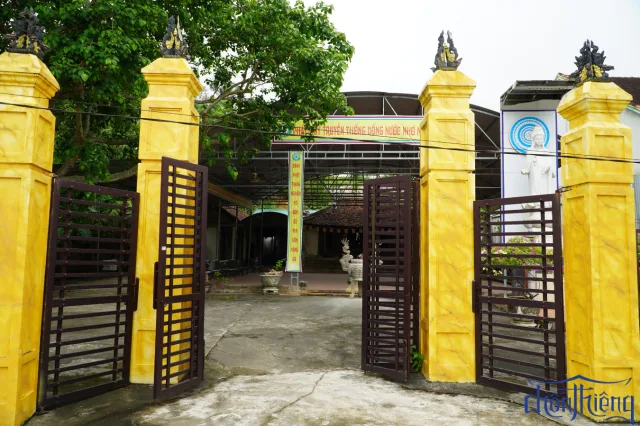
Hiện nay, chùa tọa lạc tại xã Bạch Ngọc, tỉnh Nghệ An. Ngôi chùa nằm trong không gian làng quê thanh bình, hài hòa với cảnh quan đồng ruộng và khu dân cư truyền thống, tạo nên một chốn sinh hoạt tín ngưỡng trang nghiêm, thanh tịnh cho nhân dân địa phương và Phật tử thập phương.
Lịch sử và nhân vật
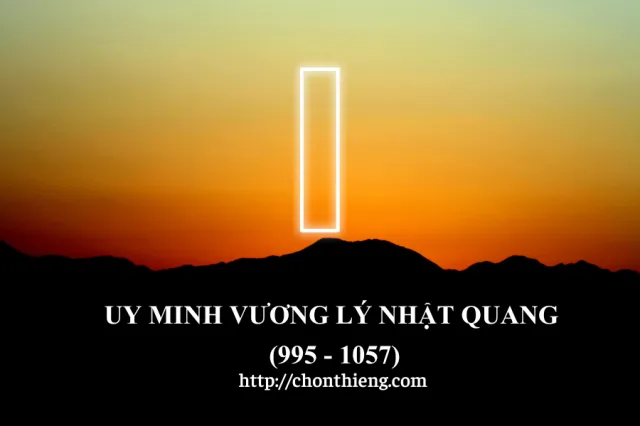
Theo truyền thuyết dân gian được khởi dựng từ thời Lý, gắn với thời kỳ Uy Minh Vương Lý Nhật Quang vào trấn nhậm xứ Nghệ. Tuy chưa xác định được chính xác niên đại xây dựng, nhưng trong tâm thức của nhân dân địa phương, ngôi chùa từ lâu đã được xem là một trong những cơ sở Phật giáo cổ gắn bó mật thiết với quá trình khai mở, ổn định và phát triển vùng đất Bạch Ngọc xưa. Sự hiện diện của chùa không chỉ phản ánh đời sống tín ngưỡng của cư dân ven sông Lam mà còn cho thấy ảnh hưởng sâu rộng của Phật giáo trong tiến trình lịch sử vùng Nghệ An thời trung đại.
Trải qua nhiều thế kỷ tồn tại, chùa Nhân Bồi vừa là nơi sinh hoạt tâm linh, vừa là trung tâm hội tụ văn hóa cộng đồng của cư dân trong vùng. Đặc biệt, trong các phong trào đấu tranh cách mạng thế kỷ XX, ngôi chùa đã gắn liền với nhiều sự kiện lịch sử quan trọng của địa phương.
Trong phong trào Xô Viết Nghệ Tĩnh giai đoạn 1930 – 1931, chùa là nơi hội họp, sinh hoạt bí mật của Chi bộ Bạch Truật thuộc xã Bạch Ngọc. Với vị trí kín đáo và thuận lợi, nơi đây trở thành địa điểm liên lạc, tuyên truyền và tổ chức các hoạt động cách mạng của cán bộ và quần chúng yêu nước. Không gian cửa Phật thanh tịnh đã trở thành nơi che chở cho phong trào đấu tranh của nhân dân trong những năm tháng đầy biến động.
Trong thời kỳ kháng chiến chống thực dân Pháp, chùa tiếp tục đảm nhận nhiều vai trò quan trọng. Đây từng là nơi cất giấu lương thực, vũ khí, là trạm cứu chữa thương binh và đồng thời là địa điểm mở lớp giảng dạy của Trường Sư phạm Liên khu IV. Nhà báo, nhà lý luận cách mạng Hải Triều, khi ấy phụ trách công tác Tuyên giáo Liên khu IV, đã trực tiếp về đây giảng dạy và đào tạo cán bộ. Những hoạt động ấy cho thấy chùa Nhân Bồi không chỉ là cơ sở tín ngưỡng mà còn là một “địa chỉ đỏ” trong phong trào cách mạng của vùng Bắc Trung Bộ.
Năm 1948, sau khi thực dân Pháp ném bom khu vực đền Quả Sơn, toàn bộ tượng Phật và đồ tế khí tại chùa được nhân dân di chuyển lên Chùa Bà Bụt để bảo quản an toàn. Từ đó, chùa Nhân Bồi được sử dụng làm nơi thờ Đức Thánh Uy Minh Vương Lý Nhật Quang, nên dân gian còn gọi nơi đây là đền Quả Sơn. Sự thay đổi công năng này phản ánh mối liên hệ sâu sắc giữa tín ngưỡng Phật giáo và tín ngưỡng thờ danh nhân trong đời sống văn hóa xứ Nghệ.
Sau năm 1954, trong giai đoạn kháng chiến chống Mỹ, chùa Nhân Bồi tiếp tục trở thành căn cứ hậu cần quan trọng của khu vực Bắc Trung Bộ. Nơi đây từng được sử dụng làm kho quân nhu, xưởng sản xuất phục vụ chiến trường và là khu vực an toàn cho lực lượng cách mạng. Đồng thời, chùa còn là nơi học tập của học sinh Trường Quốc học Huế – Trường Huỳnh Thúc Kháng khi nhà trường sơ tán ra Nghệ An trong hoàn cảnh chiến tranh.
Đến năm 1997, khi đền Quả Sơn được phục dựng và tôn tạo trở lại, toàn bộ đồ tế khí và hiện vật thờ tự được chuyển về nguyên vị trí cũ. Từ đó, chùa Nhân Bồi dần trở thành phế tích, không còn người trông nom, hương khói. Trước nguy cơ mai một của một di tích cổ giàu giá trị lịch sử – văn hóa, chính quyền địa phương cùng đông đảo nhân dân và Phật tử đã phát tâm phục dựng ngôi chùa.
Trong các năm 2007 – 2008, chùa được trùng tu, tôn tạo bằng nguồn kinh phí xã hội hóa do nhân dân và Phật tử đóng góp. Quá trình phục dựng vẫn cố gắng giữ gìn dáng vẻ truyền thống của ngôi cổ tự xưa, đồng thời đáp ứng nhu cầu sinh hoạt tín ngưỡng ngày càng lớn của cộng đồng dân cư vùng Bạch Ngọc. Từ đó đến nay, chùa Nhân Bồi tiếp tục trở thành nơi nhân dân và Phật tử tìm về lễ Phật, cầu an, thực hành đời sống tâm linh hướng thiện.
Không chỉ mang giá trị tín ngưỡng, chùa còn góp phần gìn giữ bản sắc văn hóa truyền thống, phát huy tinh thần “uống nước nhớ nguồn”, đoàn kết cộng đồng và giáo dục đạo lý nhân văn. Các hoạt động Phật sự tại chùa luôn được tổ chức phù hợp với chủ trương, chính sách về tín ngưỡng, tôn giáo của Nhà nước, hướng con người đến lối sống thiện lành, từ bi và gắn bó với quê hương, dân tộc.
Kiến trúc cảnh quan
Chùa Nhân Bồi tọa lạc trong khuôn viên rộng khoảng 4.550m², sở hữu không gian kiến trúc hài hòa giữa cảnh quan tự nhiên và nghệ thuật tạo dựng truyền thống của chùa Việt xứ Nghệ. Sau đợt trùng tu lớn giai đoạn 2007 – 2008 bằng nguồn kinh phí xã hội hóa của nhân dân và Phật tử thập phương, ngôi chùa được phục dựng tương đối hoàn chỉnh nhưng vẫn giữ gìn dáng vẻ cổ kính vốn có từ xưa.
Tổng thể kiến trúc chùa được bố cục theo kiểu chữ “Đinh” truyền thống, gồm hai tòa nhà chính liên kết với nhau theo trục dọc, tạo nên không gian thờ tự trang nghiêm và chiều sâu tâm linh đặc trưng của kiến trúc Phật giáo cổ truyền. Các hạng mục kiến trúc được xây dựng cân đối, hài hòa, mái ngói cong mềm mại, các đầu đao uốn lượn thanh thoát. Hệ thống góc mái đều được trang trí hoa văn, họa tiết mang phong cách mỹ thuật thời Nguyễn với những đường nét tinh xảo, góp phần làm tăng vẻ uy nghi và cổ kính cho công trình.
Chính điện là không gian trung tâm và linh thiêng nhất của chùa, nơi bài trí hệ thống tượng Phật theo thứ bậc nghiêm cẩn. Ở tầng cao nhất là ba pho tượng Tam Thế Phật, tượng trưng cho quá khứ, hiện tại và tương lai, mỗi pho cao khoảng 0,65m, rộng 0,45m. Phía dưới là tượng Đức Phật A Di Đà cao 0,75m, rộng 0,60m với thần thái từ bi, thanh tịnh. Tiếp đến là pho tượng Quán Thế Âm Bồ Tát cao khoảng 0,65m, được tôn trí trang trọng ở vị trí trung tâm, biểu hiện tinh thần cứu khổ cứu nạn của đạo Phật.
Nổi bật trong không gian nội điện là tòa Cửu Long tôn trí tượng Bổn Sư Thích Ca Mâu Ni Phật cao khoảng 1m. Bao quanh tượng là hình tượng chín con rồng nâng đỡ, tạo nên vẻ đẹp uy nghiêm và giàu ý nghĩa biểu tượng trong mỹ thuật Phật giáo. Phía trước là bộ ngũ sự thờ gồm chân nến, lư hương, bình hoa và đèn thờ được sắp đặt cân xứng trên hương án. Không gian hành lễ dành cho Phật tử được bố trí rộng rãi với bàn soạn lễ dài khoảng 2m, rộng 1,5m, thuận tiện cho việc dâng hương và cúng lễ.
Hai bên nội điện còn đặt tượng Địa Tạng Vương Bồ Tát cùng hai vị Tả – Hữu hộ pháp cao lớn, tạo nên thế cân đối và tăng thêm vẻ trang nghiêm cho chính điện. Đặc biệt, cặp hạc thờ cổ đứng chầu hai bên với dáng thanh thoát, tượng trưng cho sự trường tồn và thanh cao trong tín ngưỡng truyền thống Việt Nam.
Phía trước chùa là khoảng sân rộng khoảng 150m², tạo không gian thoáng đãng cho các nghi lễ tập trung đông người. Ngay trước sân nổi bật tượng đài Quan Âm Bồ Tát cao khoảng 3,5m, được đặt giữa không gian thanh tịnh như biểu tượng che chở và cứu độ chúng sinh. Hai bên lối vào chùa đặt đôi sấu đá chầu với dáng vẻ cổ kính, góp phần tăng thêm nét uy nghi cho công trình.
Bao quanh chùa là hệ thống cây xanh, vườn cảnh và không gian sơn thủy hữu tình, tạo nên môi trường thanh tịnh, yên bình đúng với tinh thần thiền môn. Toàn bộ tượng thờ, đồ tế khí và cảnh quan trong ngoài đều được sắp đặt chu đáo, hài hòa, vừa bảo tồn giá trị truyền thống vừa đáp ứng nhu cầu sinh hoạt tín ngưỡng của nhân dân địa phương và khách thập phương.
Hiện vật
Hiện nay, chùa Nhân Bồi còn lưu giữ hơn 38 hiện vật có giá trị về lịch sử, văn hóa và tín ngưỡng Phật giáo truyền thống. Phần lớn các hiện vật đều gắn liền với đời sống sinh hoạt tâm linh của cộng đồng địa phương qua nhiều thời kỳ, phản ánh nghệ thuật chế tác thủ công và mỹ thuật dân gian đặc trưng của vùng xứ Nghệ.
Trong số đó có nhiều hiện vật cổ đáng chú ý như mâm chè, đàn trản, mâm quả, ống đựng hương cùng nhiều đồ tế khí và pháp khí phục vụ nghi lễ thờ tự trong chùa. Các hiện vật được chế tác từ nhiều chất liệu khác nhau như gỗ, đồng, gốm và kim loại, mang kiểu dáng cổ truyền, hoa văn trang trí tinh tế, thể hiện sự trang nghiêm và linh thiêng của không gian Phật tự.
Không chỉ có giá trị sử dụng trong nghi lễ tín ngưỡng, hệ thống hiện vật tại chùa còn là nguồn tư liệu quý góp phần nghiên cứu lịch sử hình thành, quá trình phát triển của chùa Nhân Bồi cũng như đời sống văn hóa tâm linh của cư dân địa phương qua nhiều thế hệ.
Sự kiện và lễ hội
Hiện nay, chùa Nhân Bồi là một trong những địa điểm sinh hoạt tín ngưỡng quen thuộc của người dân trong vùng. Đặc biệt vào các ngày sóc vọng như mồng Một và ngày Rằm hàng tháng, chùa đón hàng trăm Phật tử và du khách thập phương về dâng hương lễ Phật, cầu bình an, sức khỏe, tài lộc và cuộc sống an hòa. Không gian thanh tịnh cùng cảnh quan cổ kính của ngôi chùa đã tạo nên chốn sinh hoạt tâm linh gần gũi, góp phần gìn giữ và phát huy những giá trị văn hóa Phật giáo truyền thống trên vùng đất Bạch Ngọc xưa.
Hàng năm, vào dịp rằm tháng Bảy âm lịch, chùa Nhân Bồi long trọng tổ chức Đại lễ Vu Lan báo hiếu, một trong những nghi lễ quan trọng của Phật giáo nhằm tôn vinh đạo lý “uống nước nhớ nguồn” và tinh thần hiếu kính của dân tộc Việt Nam. Trong không gian trang nghiêm nơi cửa Phật, đông đảo Tăng Ni, Phật tử và nhân dân địa phương cùng thành tâm dâng hương, tụng kinh, cầu nguyện cho ông bà, tổ tiên, cha mẹ nhiều đời được siêu sinh tịnh độ, an lạc nơi cõi Phật. Đồng thời, buổi lễ cũng là dịp để mỗi người bày tỏ lòng tri ân sâu nặng đối với công lao sinh thành, dưỡng dục của cha mẹ khi còn tại thế.
Xếp hạng
Năm 2018, chùa Nhân Bồi được Giám đốc Sở Văn hoá và Thể thao Hồ Mậu Thanh trao bằng Di tích Lịch sử – Văn hóa cấp tỉnh.
Tài liệu tham khảo
- Chùa cổ 1.000 năm tuổi huyện Đô Lương đón bằng Di tích Lịch sử – Văn hoá cấp tỉnh – Đài PTTH Nghệ An
- Nguyễn Đại Đồng, Thích Thọ Lạc (Đồng Chủ biên) (2021), Lịch sử Phật giáo Nghệ An, Nxb Tôn Giáo.
- Ngôi chùa cổ gần 1.000 năm tuổi ở Nghệ An
Ngôn ngữ khác
Tiếng Anh (English)
Name and Geographic Location
Nhan Boi Pagoda, whose formal Sino-Vietnamese name is Kim Nguu Tu, is an ancient pagoda that has long been closely associated with the spiritual and cultural life of the people of the Bach Ngoc region.
Today, the pagoda is located in Bach Ngoc Commune, Nghe An Province. The temple stands within a peaceful rural setting, harmoniously integrated with rice fields and traditional residential areas, creating a solemn and tranquil spiritual space for local residents and Buddhist pilgrims from various regions.
History and Historical Figures
According to local legend, the pagoda was originally established during the Ly Dynasty, associated with the period when Uy Minh Vuong Ly Nhat Quang governed the Nghe region. Although the exact date of construction has not been determined, in the consciousness of local people the pagoda has long been regarded as one of the oldest Buddhist institutions connected to the development, settlement, and prosperity of ancient Bach Ngoc. The existence of the pagoda not only reflects the religious life of communities living along the Lam River but also demonstrates the profound influence of Buddhism in the historical development of Nghe An during the medieval era.
Throughout many centuries of existence, Nhan Boi Pagoda has served both as a spiritual center and a focal point for community cultural activities. In particular, during the revolutionary movements of the twentieth century, the pagoda became associated with many important historical events of the locality.
During the Nghe Tinh Soviet Movement of 1930–1931, the pagoda functioned as a secret meeting place for the Bach Truat Party Cell of Bach Ngoc Commune. Thanks to its discreet and convenient location, the site became a center for communication, propaganda, and revolutionary activities conducted by cadres and patriotic citizens. The tranquil Buddhist sanctuary thus became a protective shelter for the people’s resistance movement during turbulent years.
During the resistance war against French colonialism, the pagoda continued to play several important roles. It served as a storage place for food and weapons, a treatment station for wounded soldiers, and a teaching site for the Teacher Training School of Interzone IV. Journalist and revolutionary theorist Hai Trieu, who at that time was responsible for propaganda work in Interzone IV, personally came to lecture and train cadres there. These activities demonstrate that Nhan Boi Pagoda was not only a religious institution but also a significant “revolutionary red address” in the revolutionary movement of the North Central region.
In 1948, after French forces bombed the Qua Son Temple area, all Buddhist statues and ritual objects from the pagoda were moved by local residents to Ba But Pagoda for safekeeping. From that point onward, Nhan Boi Pagoda was used as a place of worship dedicated to Saint Uy Minh Vuong Ly Nhat Quang, and local people also began referring to it as Qua Son Temple. This transformation in function reflects the close relationship between Buddhist worship and the veneration of historical figures within the cultural life of Nghe An.
After 1954, during the resistance war against the United States, Nhan Boi Pagoda continued to serve as an important logistical base for the North Central region. The site was used as a military supply warehouse, a production workshop supporting the battlefield, and a safe zone for revolutionary forces. At the same time, the pagoda became a place of study for students of Hue National School – Huynh Thuc Khang School when the institution was evacuated to Nghe An during wartime.
By 1997, when Qua Son Temple was restored and reconstructed, all ritual objects and worship artifacts were returned to their original location. Thereafter, Nhan Boi Pagoda gradually fell into ruin and no longer had caretakers or regular incense offerings. Facing the risk of losing a historical and cultural relic of great value, local authorities together with numerous residents and Buddhists initiated efforts to restore the pagoda.
Between 2007 and 2008, the pagoda underwent restoration and renovation funded through public donations from residents and Buddhists. The reconstruction process sought to preserve the traditional appearance of the ancient pagoda while also meeting the increasing spiritual needs of the Bach Ngoc community. Since then, Nhan Boi Pagoda has once again become a place where residents and Buddhists come to worship the Buddha, pray for peace, and practice virtuous spiritual living.
Beyond its religious value, the pagoda also contributes to preserving traditional cultural identity, promoting the spirit of gratitude toward ancestors, strengthening community solidarity, and educating younger generations in humanitarian ethics. Buddhist activities at the pagoda are consistently organized in accordance with State policies on religion and belief, encouraging people toward compassionate, virtuous lifestyles closely connected to their homeland and nation.
Architectural Landscape
Nhan Boi Pagoda occupies a compound of approximately 4,550 square meters, featuring an architectural environment harmoniously combining natural scenery with the traditional artistic style of Vietnamese pagodas in the Nghe region. Following a major restoration during 2007–2008 funded through public donations from local residents and Buddhists, the pagoda was reconstructed relatively completely while still preserving its ancient appearance.
The overall architectural layout follows the traditional “Dinh” (丁-shaped) configuration, consisting of two principal buildings connected along a longitudinal axis, creating a solemn worship space with spiritual depth characteristic of traditional Buddhist architecture. The architectural components are proportionally balanced and harmonious, with gently curved tiled roofs and elegantly sweeping roof corners. The roof edges are decorated with ornamental motifs in the artistic style of the Nguyen Dynasty, featuring refined details that enhance the dignity and antiquity of the structure.
The Main Hall is the most sacred and central space of the pagoda, where the system of Buddhist statues is arranged according to strict hierarchical order. At the highest level are three statues of the Buddhas of the Three Times, symbolizing the past, present, and future, each approximately 0.65 meters high and 0.45 meters wide. Below them stands a statue of Amitabha Buddha measuring approximately 0.75 meters in height and 0.60 meters in width, displaying a compassionate and serene expression. Further below is a statue of Avalokitesvara Bodhisattva about 0.65 meters high, enshrined in a central and honorable position representing the Buddhist spirit of compassion and salvation.
A particularly prominent feature within the inner sanctuary is the Cuu Long pedestal enshrining a statue of Shakyamuni Buddha approximately one meter high. Surrounding the statue are images of nine dragons supporting the Buddha, creating a majestic and symbolically rich artistic composition in Buddhist aesthetics. In front stands a five-piece worship set including candlesticks, incense burners, flower vases, and altar lamps symmetrically arranged upon the altar table. The ceremonial area for Buddhists is spaciously organized, with an offering table approximately two meters long and 1.5 meters wide, convenient for incense offerings and worship ceremonies.
On both sides of the inner sanctuary stand statues of Ksitigarbha Bodhisattva together with two large Dharma Protector figures, creating visual balance and increasing the solemn atmosphere of the Main Hall. Particularly notable is a pair of ancient crane statues standing in attendance on either side, symbolizing longevity and nobility in traditional Vietnamese spiritual culture.
In front of the pagoda lies a courtyard covering approximately 150 square meters, creating an open space for large ceremonial gatherings. At the center of the courtyard stands a statue of Avalokitesvara Bodhisattva approximately 3.5 meters high, placed within the tranquil setting as a symbol of protection and salvation for all beings. Flanking the entrance are two stone crocodile statues in ancient style, further enhancing the dignity of the pagoda.
Surrounding the pagoda is a landscape system of trees, gardens, and scenic natural features, creating a peaceful and tranquil environment in accordance with the contemplative spirit of Buddhist monastic life. All statues, ritual objects, and indoor and outdoor landscapes are carefully and harmoniously arranged, preserving traditional values while meeting the spiritual needs of local residents and pilgrims.
Artifacts
At present, Nhan Boi Pagoda preserves more than thirty-eight artifacts of historical, cultural, and traditional Buddhist significance. Most of these objects are closely associated with the spiritual life of the local community across different historical periods, reflecting the handicraft traditions and folk artistic styles characteristic of the Nghe region.
Among them are many noteworthy ancient artifacts such as ceremonial tea trays, altar cup sets, offering trays, incense containers, and various ritual implements and ceremonial instruments used in Buddhist worship. These objects are crafted from materials such as wood, bronze, ceramics, and metal, featuring traditional forms and refined decorative motifs that convey the solemnity and sacredness of the Buddhist sanctuary.
Beyond their ritual function, the artifact collection at the pagoda also serves as a valuable source of material for studying the formation and development of Nhan Boi Pagoda as well as the spiritual and cultural life of local residents over many generations.
Events and Festivals
Today, Nhan Boi Pagoda is one of the familiar spiritual destinations for local residents in the region. Especially on observance days such as the first day and full moon day of each lunar month, the pagoda welcomes hundreds of Buddhists and pilgrims who come to offer incense, worship the Buddha, and pray for peace, health, prosperity, and harmonious lives. The tranquil atmosphere and ancient scenery of the pagoda create a close and meaningful spiritual environment, contributing to the preservation and promotion of traditional Buddhist cultural values in the historic Bach Ngoc region.
Each year, during the Full Moon Festival of the Seventh Lunar Month, Nhan Boi Pagoda solemnly organizes the Vu Lan Festival of Filial Piety, one of the most important Buddhist ceremonies honoring the Vietnamese tradition of gratitude and filial devotion. Within the sacred atmosphere of the Buddhist sanctuary, monks, nuns, Buddhists, and local residents gather sincerely to offer incense, chant sutras, and pray for the rebirth of grandparents, ancestors, and parents in the Pure Land and for peace in the Buddha realm. At the same time, the ceremony provides an opportunity for individuals to express profound gratitude toward the nurturing and sacrifices of their parents.
Alongside traditional Buddhist rituals for peace and requiem prayers, the Vu Lan Festival at the pagoda also carries educational significance by encouraging moral values, compassion, virtuous living, and community solidarity within the spiritual and cultural life of local residents.
Classification
In 2018, Nhan Boi Pagoda was awarded the Provincial Historical and Cultural Relic Certificate by Ho Mau Thanh, Director of the Nghe An Department of Culture and Sports.
References
- Chùa cổ 1.000 năm tuổi huyện Đô Lương đón bằng Di tích Lịch sử – Văn hoá cấp tỉnh – Đài PTTH Nghệ An
- Nguyễn Đại Đồng, Thích Thọ Lạc (Đồng Chủ biên) (2021), Lịch sử Phật giáo Nghệ An, Nxb Tôn Giáo.
- Ngôi chùa cổ gần 1.000 năm tuổi ở Nghệ An
Tiếng Pháp (Français)
Nom et situation géographique
La pagode Nhan Boi, dont le nom sino-vietnamien est Kim Nguu Tu, est une ancienne pagode étroitement liée depuis longtemps à la vie culturelle et spirituelle des habitants de la région de Bach Ngoc.
Aujourd’hui, la pagode est située dans la commune de Bach Ngoc, province de Nghe An. Elle se trouve au cœur d’un paisible paysage rural, en harmonie avec les rizières et les zones d’habitation traditionnelles, offrant ainsi un lieu de pratique religieuse solennel et serein aux habitants locaux ainsi qu’aux fidèles venus de diverses régions.
Histoire et personnages
Selon la tradition populaire, la pagode aurait été fondée sous la dynastie Ly, à l’époque où Uy Minh Vuong Ly Nhat Quang gouvernait la région de Nghe. Bien que la date exacte de sa construction ne soit pas connue, dans la mémoire collective locale, la pagode est depuis longtemps considérée comme l’un des plus anciens établissements bouddhiques liés à l’ouverture, à la stabilisation et au développement de l’ancienne région de Bach Ngoc. Sa présence reflète non seulement la vie spirituelle des habitants des rives de la rivière Lam, mais témoigne également de l’influence profonde du bouddhisme dans l’histoire médiévale de la région de Nghe An.
Au fil des siècles, la pagode Nhan Boi fut à la fois un lieu de pratique spirituelle et un centre culturel communautaire pour les habitants de la région. En particulier, durant les mouvements révolutionnaires du XXe siècle, elle fut associée à de nombreux événements historiques importants.
Pendant le mouvement révolutionnaire des Soviets de Nghe Tinh entre 1930 et 1931, la pagode servit de lieu de réunion clandestin pour la cellule Bach Truat de la commune de Bach Ngoc. Grâce à son emplacement discret et favorable, elle devint un point de contact, de propagande et d’organisation des activités révolutionnaires des militants et des patriotes. L’espace paisible du temple bouddhique offrit ainsi refuge au mouvement de lutte populaire durant ces années de troubles.
Durant la guerre de résistance contre la colonisation française, la pagode continua à jouer plusieurs rôles importants. Elle servit de cache pour les vivres et les armes, de poste de soins pour les blessés et également de lieu d’enseignement pour l’École normale de la Région militaire IV. Le journaliste et théoricien révolutionnaire Hai Trieu, alors responsable de la propagande de la Région militaire IV, vint personnellement y enseigner et former des cadres révolutionnaires. Ces activités montrent que la pagode Nhan Boi ne fut pas seulement un lieu de culte, mais également une véritable « adresse rouge » du mouvement révolutionnaire dans la région du Centre-Nord.
En 1948, après le bombardement du temple Qua Son par les forces coloniales françaises, l’ensemble des statues bouddhiques et des objets rituels de la pagode fut transféré par les habitants vers la pagode Ba But afin d’en assurer la sécurité. À partir de ce moment, la pagode Nhan Boi fut utilisée comme lieu de culte dédié au Saint Uy Minh Vuong Ly Nhat Quang, ce qui amena la population à l’appeler également temple Qua Son. Ce changement de fonction reflète les liens profonds entre le bouddhisme et le culte des personnages historiques dans la culture spirituelle de la région de Nghe.
Après 1954, durant la guerre contre les États-Unis, la pagode Nhan Boi continua de servir de base logistique importante pour la région du Centre-Nord. Elle fut utilisée comme dépôt militaire, atelier de production pour le front et zone sécurisée pour les forces révolutionnaires. Elle accueillit également les élèves du Lycée national de Hue – école Huynh Thuc Khang – lorsque l’établissement fut évacué vers Nghe An durant la guerre.
En 1997, lorsque le temple Qua Son fut restauré et rénové, tous les objets rituels et artefacts cultuels furent replacés à leur emplacement d’origine. Dès lors, la pagode Nhan Boi tomba progressivement en ruine et demeura sans gardien ni activité cultuelle. Face au risque de disparition de ce précieux site historique et culturel, les autorités locales ainsi que de nombreux habitants et fidèles décidèrent d’entreprendre sa restauration.
Entre 2007 et 2008, la pagode fut rénovée et restaurée grâce à des fonds issus de dons communautaires des habitants et des fidèles. Les travaux de reconstruction s’efforcèrent de préserver l’apparence traditionnelle de l’ancienne pagode tout en répondant aux besoins croissants de la vie religieuse de la population de Bach Ngoc. Depuis lors, la pagode Nhan Boi est redevenue un lieu où les habitants et les fidèles viennent prier Bouddha, demander paix et sérénité, et pratiquer une vie spirituelle tournée vers le bien.
Au-delà de sa valeur religieuse, la pagode contribue également à préserver l’identité culturelle traditionnelle, à promouvoir l’esprit de gratitude envers les ancêtres, la solidarité communautaire et les valeurs morales humanistes. Les activités religieuses organisées à la pagode sont toujours conformes aux politiques de l’État en matière de croyance et de religion, orientant les individus vers une vie empreinte de bonté, de compassion et d’attachement à la patrie et à la nation.
Architecture et paysage
La pagode Nhan Boi occupe un terrain d’environ 4 550 m² et présente un ensemble architectural harmonieux associant paysage naturel et art traditionnel des pagodes vietnamiennes de la région de Nghe. Après une importante restauration menée entre 2007 et 2008 grâce aux contributions des habitants et des fidèles venus de diverses régions, la pagode fut reconstruite de manière relativement complète tout en conservant son caractère ancien.
L’ensemble architectural suit le plan traditionnel en forme de caractère « Đinh » (丁), composé de deux bâtiments principaux reliés selon un axe longitudinal, créant un espace cultuel solennel et une profondeur spirituelle typique de l’architecture bouddhique traditionnelle. Les différentes structures sont équilibrées et harmonieuses ; les toitures recouvertes de tuiles présentent des courbes souples et des extrémités relevées avec élégance. Les angles des toits sont décorés de motifs inspirés de l’art de l’époque Nguyen, aux lignes raffinées qui renforcent la majesté et le caractère ancien de l’édifice.
Le sanctuaire principal constitue l’espace le plus sacré et central de la pagode, où les statues bouddhiques sont disposées selon une hiérarchie rigoureuse. Au niveau le plus élevé se trouvent trois statues des Bouddhas des Trois Temps, symbolisant le passé, le présent et le futur ; chacune mesure environ 0,65 m de hauteur pour 0,45 m de largeur. En dessous est placée une statue du Bouddha Amitabha de 0,75 m de hauteur et 0,60 m de largeur, exprimant compassion et sérénité. Vient ensuite une statue de Quan The Am Bo Tat d’environ 0,65 m, installée avec respect au centre du sanctuaire, incarnant l’esprit de salut et de compassion du bouddhisme.
L’un des éléments remarquables de l’intérieur est l’autel Cuu Long, où est vénérée une statue du Bouddha historique Shakyamuni d’environ un mètre de hauteur. Autour de la statue apparaissent neuf dragons la soutenant, créant une image majestueuse et riche de symbolisme dans l’art bouddhique. À l’avant se trouve un ensemble rituel composé de chandeliers, brûle-encens, vases à fleurs et lampes votives disposés symétriquement sur l’autel. L’espace réservé aux cérémonies des fidèles est vaste et comprend une table d’offrandes d’environ deux mètres de long sur un mètre cinquante de large, facilitant les rites et les prières.
De chaque côté du sanctuaire intérieur sont également placées des statues de Dia Tang Vuong Bo Tat ainsi que deux grands gardiens protecteurs, renforçant l’équilibre et la solennité de l’espace sacré. Une paire de grues cultuelles anciennes, aux formes élégantes, se tient de part et d’autre, symbolisant la longévité et la noblesse dans les croyances traditionnelles vietnamiennes.
Devant la pagode s’étend une cour d’environ 150 m² offrant un espace dégagé pour les grandes cérémonies religieuses. Au centre de cet espace se dresse une statue de Quan Am Bo Tat haute d’environ 3,5 m, symbole de protection et de salut des êtres vivants. De chaque côté de l’entrée se trouvent deux statues de crocodiles en pierre au style ancien, renforçant le caractère majestueux du site.
La pagode est entourée d’arbres, de jardins et d’un paysage pittoresque mêlant montagnes et eau, créant un environnement paisible et conforme à l’esprit de la méditation bouddhique. L’ensemble des statues, objets rituels et aménagements paysagers a été disposé avec soin et harmonie, permettant à la fois de préserver les valeurs traditionnelles et de répondre aux besoins religieux des habitants et des visiteurs.
Objets et vestiges
Aujourd’hui, la pagode Nhan Boi conserve plus de trente-huit objets de valeur historique, culturelle et religieuse liés au bouddhisme traditionnel. La majorité de ces objets est étroitement associée à la vie spirituelle de la communauté locale à travers les époques et reflète l’artisanat ainsi que l’esthétique populaire caractéristiques de la région de Nghe.
Parmi eux figurent plusieurs objets anciens remarquables tels que des plateaux à thé rituel, des coupes cérémonielles, des plateaux d’offrandes, des tubes à encens ainsi que de nombreux instruments rituels et objets liturgiques utilisés dans les cérémonies de la pagode. Ces objets sont fabriqués dans divers matériaux tels que le bois, le bronze, la céramique et le métal ; leurs formes traditionnelles et leurs motifs raffinés expriment la solennité et le caractère sacré du lieu bouddhique.
Au-delà de leur usage cultuel, ces collections constituent également une précieuse source documentaire permettant d’étudier l’histoire de la formation et du développement de la pagode Nhan Boi ainsi que la vie spirituelle des habitants locaux à travers les générations.
Événements et fêtes
Aujourd’hui, la pagode Nhan Boi est l’un des principaux lieux de pratique religieuse pour les habitants de la région. Lors des jours de nouvelle lune et de pleine lune de chaque mois lunaire, elle accueille des centaines de fidèles et de visiteurs venus offrir de l’encens, prier Bouddha et demander paix, santé, prospérité et harmonie dans la vie. L’atmosphère paisible et le paysage ancien de la pagode créent un espace spirituel chaleureux, contribuant à préserver et à promouvoir les valeurs traditionnelles du bouddhisme dans l’ancienne région de Bach Ngoc.
Chaque année, à l’occasion de la pleine lune du septième mois lunaire, la pagode Nhan Boi organise solennellement la grande fête Vu Lan dédiée à la piété filiale, l’une des cérémonies les plus importantes du bouddhisme vietnamien visant à honorer la gratitude envers les ancêtres et la piété familiale. Dans le cadre solennel du temple bouddhique, de nombreux moines, moniales, fidèles et habitants viennent offrir de l’encens, réciter les sutras et prier pour les ancêtres, parents et aïeux afin qu’ils atteignent la Terre Pure et la paix dans le royaume du Bouddha. Cette cérémonie est également l’occasion pour chacun d’exprimer sa profonde reconnaissance envers ses parents pour leurs sacrifices et leur éducation.
Outre les rites traditionnels de prières pour les défunts et pour la paix, la fête Vu Lan organisée à la pagode possède également une dimension éducative importante, éveillant l’esprit de bonté, la compassion et la solidarité communautaire dans la vie spirituelle des habitants.
Classement patrimonial
En 2018, la pagode Nhan Boi a reçu le certificat de classement comme site historique et culturel provincial, remis par le directeur du Service de la Culture et des Sports, Ho Mau Thanh.
Références
- Chùa cổ 1.000 năm tuổi huyện Đô Lương đón bằng Di tích Lịch sử – Văn hoá cấp tỉnh – Đài PTTH Nghệ An
- Nguyễn Đại Đồng, Thích Thọ Lạc (Đồng Chủ biên) (2021), Lịch sử Phật giáo Nghệ An, Nxb Tôn Giáo.
- Ngôi chùa cổ gần 1.000 năm tuổi ở Nghệ An
Tiếng Trung (中文)
名称与地理位置
仁培寺(Chua Nhan Boi),字名“金牛寺”(Kim Nguu Tu),是一座与白玉地区居民精神文化生活长期紧密相连的古老寺庙。
如今,寺庙坐落于越南乂安省白玉社(Xa Bach Ngoc)。寺院位于宁静祥和的乡村环境之中,与田野景观及传统居民聚落相互融合,为当地民众及四方佛教信众营造出庄严清净的宗教活动空间。
历史与人物
根据民间传说,仁培寺始建于李朝时期,与威明王李日光(Uy Minh Vuong Ly Nhat Quang)镇守乂安地区的时代有关。虽然目前尚未确定寺庙的具体创建年代,但在当地居民心中,这座寺庙长期以来一直被视为白玉古地最重要、最古老的佛教场所之一,与当地开拓、安定与发展历史密不可分。
寺庙的存在不仅反映出蓝江沿岸居民的宗教信仰生活,也体现了佛教在中世纪乂安地区历史进程中的深远影响。
历经数百年发展,仁培寺不仅是精神信仰场所,同时也是当地社区文化的重要中心。尤其在二十世纪革命斗争时期,寺庙更与许多重要历史事件紧密相关。
在1930年至1931年的“乂静苏维埃运动”期间,寺庙曾是白术支部(Chi bo Bach Truat)秘密集会与活动的重要地点。由于位置隐蔽便利,这里成为革命干部与爱国群众联络、宣传及组织革命活动的据点。原本清净的佛门空间,在动荡岁月中也成为人民革命运动的重要庇护所。
在抗法战争时期,寺庙继续承担重要角色。这里曾作为粮食与武器储藏地、伤员救护站,同时也是第四联区师范学校的授课地点。
著名记者、革命理论家海潮(Hai Trieu)当时负责第四联区宣传工作,也曾亲自来到此地授课并培训干部。这些历史活动表明,仁培寺不仅是一处宗教信仰场所,更是北中部革命运动中的重要“红色基地”。
1948年,法国殖民军轰炸果山庙(Den Qua Son)地区后,当地居民将寺内全部佛像及祭祀法器迁往婆佛寺(Chua Ba But)保存。此后,仁培寺改作供奉威明王李日光圣王之地,因此民间亦将此地称为“果山庙”。这一功能转变反映了佛教信仰与地方历史名人崇拜在乂安文化生活中的深厚联系。
1954年以后,在抗美战争时期,仁培寺继续成为北中部地区重要的后勤基地。这里曾被用作军需仓库、战时生产工场以及革命力量的安全区域。
同时,当顺化国学学校(Truong Quoc Hoc Hue)——后称黄叔抗学校(Truong Huynh Thuc Khang)因战争疏散至乂安时,寺庙还曾作为学生学习场所。
1997年,果山庙重新修复后,原先迁出的祭器与供奉文物被送回原址。此后,仁培寺逐渐荒废,无人管理与供奉。
面对这一富有历史文化价值古迹日渐消失的危机,当地政府、广大居民与佛教信众共同发心,决定恢复重建寺庙。
2007年至2008年期间,寺庙在民众及四方佛教徒社会化捐资支持下进行了全面修缮与重建。修复过程尽可能保留古寺原有传统风貌,同时满足白玉地区居民日益增长的宗教活动需求。
自此以后,仁培寺再次成为民众礼佛、祈福与修习善行的重要精神归依之地。
寺庙不仅具有宗教信仰价值,同时也在保护传统文化、弘扬“饮水思源”精神、增强社区团结以及传播人文道德方面发挥着积极作用。
寺内各项佛事活动始终遵循国家关于宗教与信仰的政策方针,引导民众走向善良、慈悲并热爱家乡与民族的生活道路。
建筑与景观
仁培寺占地约4,550平方米,其整体建筑空间实现了自然景观与乂安传统越南寺庙建筑艺术的和谐融合。
经过2007年至2008年的大型修缮工程后,寺庙基本得到完整恢复,同时仍保留着昔日古寺原有的古朴风貌。
寺院整体布局采用传统“丁”字形结构,由两座主建筑沿纵向轴线连接而成,形成庄严肃穆且富有精神层次感的佛教建筑空间。
各建筑比例协调,屋顶瓦片飞檐柔美流畅,翘角轻盈优雅。屋檐四角均装饰有阮朝风格的纹饰与图案,雕刻细腻精美,为建筑增添了庄重与古雅气息。
正殿是寺庙最核心、最神圣的空间,内部依佛教等级秩序供奉佛像。
最高层供奉三尊三世佛像,象征过去、现在与未来,每尊高约0.65米、宽约0.45米。
其下供奉阿弥陀佛圣像,高约0.75米、宽约0.60米,神态慈悲安详。
接着是观世音菩萨圣像,高约0.65米,供奉于中央庄严位置,象征佛教救苦救难精神。
内殿中最醒目的部分是“九龙台”,供奉本师释迦牟尼佛圣像,高约1米。佛像周围环绕九条祥龙托举,展现出庄严而富有象征意义的佛教艺术特色。
佛像前方设有五供法器,包括烛台、香炉、花瓶与佛灯,整齐对称地安置于供桌之上。
供佛信众举行法会的空间也十分宽敞,其中供桌长约2米、宽约1.5米,方便信众焚香与供奉。
内殿两侧还供奉地藏王菩萨及左右护法神像,整体布局均衡庄严。
特别值得注意的是一对古老仙鹤供像,立于两侧侍立,其姿态优雅,象征传统越南信仰中的长寿与高洁。
寺前庭院面积约150平方米,为大型法会与集体仪式提供宽阔空间。
庭院前方矗立着一尊高约3.5米的观音菩萨像,安置于宁静环境之中,象征对众生的庇佑与救度。
寺门两侧摆放着一对石制鳄兽(Sau da)守护像,造型古朴,进一步增强建筑整体威严气势。
寺庙周围绿树成荫,园林景观与山水环境相互融合,营造出符合禅门精神的宁静氛围。
寺内外所有佛像、祭器与景观布局均经过精心安排,在保护传统价值的同时,也满足当地居民及四方游客的宗教活动需求。
文物
目前,仁培寺仍保存着38件以上具有历史、文化与传统佛教信仰价值的文物。
这些文物大多与当地居民历代精神生活密切相关,反映出乂安地区传统手工工艺与民间艺术特色。
其中包括多件珍贵古物,如甜品供盘(Mam Che)、盏台(Dan Tran)、供果盘、香筒以及多种祭祀法器与佛教仪轨用品。
这些文物由木材、铜器、陶瓷及金属等不同材质制成,造型古雅,装饰纹样细腻,体现出佛教空间的庄严与神圣。
这些文物不仅具有宗教礼仪用途,同时也是研究仁培寺形成历史、发展过程以及当地居民精神文化生活的重要珍贵资料。
活动与节庆
如今,仁培寺已成为当地居民熟悉的重要宗教活动场所之一。
特别是在每月初一与十五等斋日,寺庙都会迎来数百名佛教徒与四方游客前来焚香礼佛,祈求平安、健康、财富与生活和顺。
古朴宁静的寺院环境,使这里成为白玉古地居民重要而亲近的精神文化空间,也有助于保护与弘扬传统佛教文化价值。
每年农历七月十五,仁培寺都会隆重举行“盂兰盆报恩大法会”,这是佛教最重要的节日之一,旨在弘扬越南民族“饮水思源”的传统伦理与孝道精神。
在庄严肃穆的佛门空间中,众多僧尼、佛教信众与当地居民共同虔诚焚香、诵经,为祖先、父母及历代先人祈愿往生净土、安住佛国。
同时,法会也是人们表达对父母养育之恩深切感恩的重要时刻。
除了传统佛教中的超度与祈安仪式外,仁培寺的盂兰盆节还具有深刻的道德教育意义,有助于唤起向善精神、仁爱之心以及社区文化生活中的团结意识。
评级
2018年,仁培寺获得乂安省文化与体育厅厅长胡茂青(Ho Mau Thanh)颁发的“省级历史文化遗迹”证书。
参考资料
- Chùa cổ 1.000 năm tuổi huyện Đô Lương đón bằng Di tích Lịch sử – Văn hoá cấp tỉnh – Đài PTTH Nghệ An
- Nguyễn Đại Đồng, Thích Thọ Lạc (Đồng Chủ biên) (2021), Lịch sử Phật giáo Nghệ An, Nxb Tôn Giáo.
- Ngôi chùa cổ gần 1.000 năm tuổi ở Nghệ An