

Tên gọi và vị trí địa lý
Chùa Non Nước có tên chữ là Sóc Thiên Vương Thiền tự, tọa lạc trong quần thể Khu di tích lịch sử và danh thắng đền Sóc, thuộc xã Sóc Sơn, thành phố Hà Nội. Ngôi chùa được xây dựng trên sườn núi Sóc, ở độ cao hơn 110m so với chân núi, giữa không gian sơn thủy hữu tình gắn liền với vùng đất linh thiêng của truyền thuyết Thánh Gióng.
Vị trí của chùa nằm ở trung tâm một dãy núi có thế vòng cung khép kín, tựa hình người ngồi trên ngai báu theo quan niệm phong thủy truyền thống. Từ chùa phóng tầm mắt xuống phía trước là hồ nước rộng trong xanh cùng những cánh đồng, làng mạc trù phú của vùng trung du Bắc Bộ. Phía sau là những triền núi xanh thẳm nối tiếp nhau, tạo nên thế đất vững chãi, vừa mang vẻ đẹp thanh tịnh của chốn thiền môn, vừa toát lên khí thế linh thiêng của vùng đất địa linh nhân kiệt.
Nhờ vị trí đặc biệt ấy, Chùa Non Nước không chỉ là một công trình tôn giáo quan trọng mà còn là điểm nhấn nổi bật trong cảnh quan văn hóa – lịch sử của núi Sóc. Sự kết hợp hài hòa giữa kiến trúc Phật giáo và thiên nhiên núi rừng đã tạo nên một không gian thanh tịnh, khoáng đạt, nơi hội tụ những giá trị lịch sử, tâm linh và thẩm mỹ đặc sắc của vùng đất Thăng Long ngàn năm văn hiến.
Lịch sử và nhân vật
Theo sách Thiền uyển tập anh và Đại Việt sử ký toàn thư, ngôi chùa gắn liền với tên tuổi của Thiền sư Ngô Chân Lưu, một trong những bậc cao tăng tiêu biểu của Phật giáo Việt Nam thời kỳ đầu độc lập dân tộc. Ngài thuộc đời thứ tư của Thiền phái Vô Ngôn Thông và từng trụ trì tại chùa, góp phần đưa nơi đây trở thành một trung tâm Phật giáo quan trọng của kinh thành Thăng Long.
Năm 971, dưới triều vua Đinh Tiên Hoàng, Thiền sư Ngô Chân Lưu được sắc phong danh hiệu Khuông Việt Đại Sư, trở thành vị Quốc sư đầu tiên trong lịch sử Phật giáo Việt Nam. Không chỉ nổi tiếng bởi đạo hạnh uyên thâm và học vấn quảng bác, Ngài còn có vai trò đặc biệt trong việc cố vấn chính sự, góp phần củng cố nền độc lập và ổn định quốc gia sau thời kỳ đất nước vừa thống nhất.
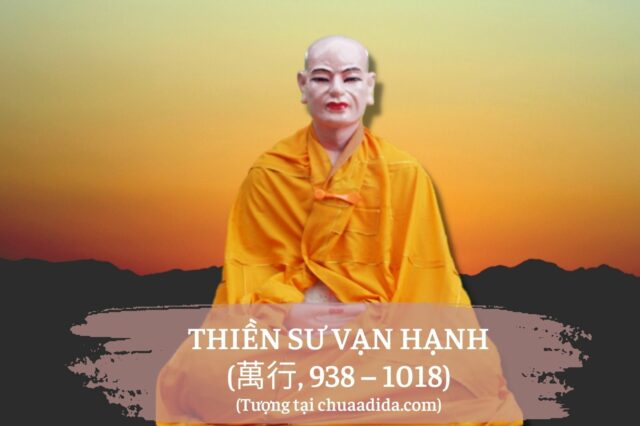
Trải qua các triều Đinh, Tiền Lê và đầu thời Lý, Khuông Việt Quốc sư luôn được các bậc đế vương trọng vọng. Cùng với Thiền sư Vạn Hạnh, Ngài đã góp phần đặt nền móng cho sự gắn kết giữa đạo pháp và quốc gia, tạo tiền đề tư tưởng cho sự ra đời của vương triều Lý. Với những đóng góp to lớn ấy, Ngài được hậu thế tôn xưng là “Tam triều Quốc sư”, danh hiệu thể hiện vị thế đặc biệt của một bậc chân tu đã đồng hành cùng ba triều đại trong buổi đầu xây dựng đất nước.
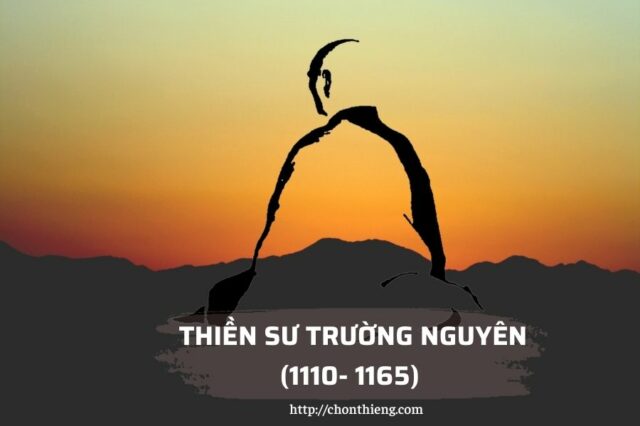
Đến cuối thời Lý, chùa tiếp tục là nơi tu hành và hoằng pháp của các cao tăng thuộc Thiền phái Vô Ngôn Thông, tiêu biểu là Thiền sư Trường Nguyên và Thiền sư Nguyện Học, đều thuộc đời thứ mười của dòng thiền này. Sự hiện diện của các vị thiền sư đã góp phần duy trì vị thế của ngôi chùa như một trung tâm Phật học quan trọng, nơi truyền bá giáo lý và đào tạo tăng tài cho Phật giáo Đại Việt.
Tuy nhiên, cùng với những biến động của lịch sử và sự tàn phá của thời gian, Sóc Thiên Vương Thiền tự dần suy tàn và cuối cùng bị vùi lấp hoàn toàn dưới lòng đất. Trong nhiều thế kỷ, dấu tích của ngôi chùa cổ chỉ còn tồn tại trong sử sách và ký ức dân gian.
Bước sang thời kỳ hiện đại, việc phát hiện nền móng và các di tích khảo cổ của ngôi chùa đã mở ra cơ hội phục dựng một công trình Phật giáo có giá trị lịch sử đặc biệt. Năm 2000, trên cơ sở các dấu tích còn lại và nguồn công đức của tăng ni, phật tử thập phương, chính quyền thành phố Hà Nội đã tiến hành xây dựng lại ngôi chùa. Sự hồi sinh của chùa không chỉ góp phần bảo tồn một di sản văn hóa – tôn giáo quý giá của Thăng Long xưa mà còn tiếp nối truyền thống Phật giáo gắn bó với lịch sử dựng nước và giữ nước của dân tộc Việt Nam.
Kiến trúc cảnh quan
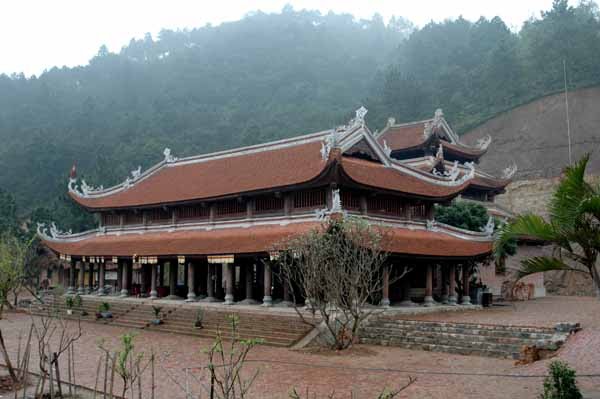
Ngôi chùa hiện nay được phục dựng trên nền đất cổ dưới chân núi, kế thừa mặt bằng kiến trúc truyền thống gồm 7 gian, 2 chái mang phong cách thời Tiền Lê. Công trình Chính Điện có diện tích khoảng 260m², chiều cao gần 14m, được xây dựng bằng những vật liệu bền vững và quý hiếm như hơn 600m³ gỗ lim, 30m³ đá xanh cùng khoảng 30 tấn đồng phục vụ việc đúc tượng và các pháp khí thờ tự.
Không gian nội thất gây ấn tượng bởi hệ kết cấu gỗ đồ sộ với 80 cột lim cao khoảng 13m, đường kính trung bình 35cm mỗi cột. Quy mô đặc biệt này khiến ngôi chùa trở thành một trong những công trình Phật giáo sở hữu số lượng cột lim trong chính điện nhiều bậc nhất Việt Nam, thể hiện trình độ kỹ thuật và tay nghề tinh xảo của các nghệ nhân đương đại trong quá trình phục dựng kiến trúc cổ.
Về tạo hình kiến trúc, chùa tái hiện nhiều đặc trưng mỹ thuật thời Tiền Lê với hệ mái lợp ngói mũi hài truyền thống, các đầu đao vút cong thanh thoát, điểm xuyết hình tượng rồng trang trí dọc theo bờ nóc và góc mái. Hình tượng rồng thời Tiền Lê được thể hiện với thân mềm mại, uyển chuyển, đầu lớn, mắt mở rộng, sừng và răng tạo hình khỏe khoắn, vừa mang vẻ linh thiêng vừa biểu trưng cho quyền lực của vương triều. Những chi tiết trang trí này góp phần tạo nên diện mạo cổ kính và trang nghiêm cho toàn bộ công trình.
Tại Chính Điện bài trí pho tượng Đức Phật Thích Ca Mâu Ni bằng đồng liền khối ở vị trí trung tâm. Tượng cao 8,4m, nặng khoảng 30 tấn, gồm 20 tấn đồng đỏ và 10 tấn đồng đúc cho tòa sen, do nghệ nhân Vũ Duy Thuấn (Ý Yên, Nam Định) thực hiện. Với quy mô lớn và kỹ thuật chế tác công phu, pho tượng được đánh giá là một thành tựu nổi bật của nghệ thuật đúc đồng Việt Nam đương đại. Không chỉ mang giá trị mỹ thuật và kỹ thuật, công trình còn là biểu tượng của trí tuệ, lòng từ bi và tinh thần hộ quốc an dân của Phật giáo trên vùng đất Thăng Long ngàn năm văn hiến.
Toàn bộ không gian cảnh quan là sự kết hợp hài hòa giữa kiến trúc và thiên nhiên, tạo nên tổng thể thanh tịnh, trang nghiêm. Sự kết hợp giữa kiến trúc truyền thống, nghệ thuật điêu khắc và yếu tố cảnh quan đã góp phần làm nên giá trị đặc sắc của ngôi chùa, vừa là nơi sinh hoạt tín ngưỡng, vừa là một công trình văn hóa tiêu biểu mang đậm dấu ấn lịch sử và mỹ thuật thời Tiền Lê.
Sự kiện và lễ hội
Với vị thế là một trong những trung tâm Phật giáo tiêu biểu của vùng Sóc Sơn, chùa Non Nước không chỉ là nơi tu học, hành lễ của Tăng Ni, Phật tử mà còn là điểm hành hương quan trọng thu hút đông đảo du khách thập phương quanh năm. Các hoạt động tín ngưỡng, lễ hội tại chùa diễn ra phong phú, góp phần gìn giữ và phát huy những giá trị văn hóa tâm linh truyền thống của dân tộc.
Hằng năm, chùa long trọng tổ chức các ngày lễ lớn của Phật giáo như Đại lễ Phật đản (tháng Tư âm lịch), Lễ Vu Lan báo hiếu (tháng Bảy âm lịch), Lễ Thành đạo, Tết Nguyên đán, cùng các kỳ lễ cầu an đầu năm, cầu siêu và các khóa tu dành cho phật tử. Trong những dịp này, chùa tổ chức nhiều nghi thức trang nghiêm như dâng hương, tụng kinh, thuyết pháp, phóng sinh, thả hoa đăng và cầu nguyện quốc thái dân an. Đây không chỉ là dịp để cộng đồng Phật tử thực hành tín ngưỡng mà còn là cơ hội để mỗi người hướng tâm về những giá trị đạo đức, lòng hiếu kính và tinh thần từ bi của đạo Phật.
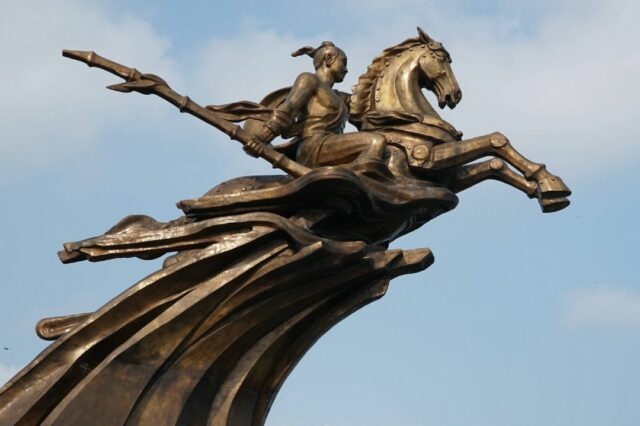
Đặc biệt, chùa Non Nước là một điểm đến quan trọng trong quần thể di tích lịch sử – văn hóa Sóc Sơn, vì vậy mỗi dịp Lễ hội Gióng đền Sóc, diễn ra từ ngày 6 đến ngày 8 tháng Giêng âm lịch, nơi đây đón hàng vạn lượt du khách và nhân dân về hành hương, chiêm bái. Lễ hội Gióng là một trong những lễ hội truyền thống lớn của vùng đồng bằng Bắc Bộ nhằm tưởng niệm công lao của Thánh Gióng – vị anh hùng huyền thoại đã có công đánh thắng giặc Ân, bảo vệ bờ cõi đất nước. Trong không khí linh thiêng của mùa xuân, du khách thường kết hợp tham dự các nghi lễ truyền thống tại đền Sóc với việc lễ Phật, vãn cảnh chùa Non Nước và tham quan quần thể di tích trên núi Sóc.
Vào dịp Tết Nguyên đán, chùa trở thành điểm hành hương quen thuộc của người dân Hà Nội và các tỉnh lân cận. Từ những ngày đầu năm mới, dòng người nô nức về chùa dâng hương, lễ Phật, cầu mong bình an, sức khỏe, học hành đỗ đạt và công việc thuận lợi. Không gian chùa khi ấy ngập tràn sắc xuân với tiếng chuông ngân vang giữa núi rừng, tạo nên bầu không khí thanh tịnh và thiêng liêng đặc biệt.
Bên cạnh các dịp lễ lớn, vào những ngày mùng Một và ngày Rằm hằng tháng, chùa vẫn duy trì đều đặn các thời khóa tụng kinh, lễ Phật và cầu an. Đây là khoảng thời gian đông đảo phật tử địa phương cũng như du khách tìm về để chiêm bái, tĩnh tâm và gửi gắm những nguyện cầu tốt đẹp cho bản thân, gia đình.
Ngày nay, chùa Non Nước còn thường xuyên tổ chức các hoạt động văn hóa, giáo dục và thiện nguyện cộng đồng như khóa tu mùa hè dành cho thanh thiếu niên, các chương trình từ thiện hướng tới người nghèo, hoạt động bảo vệ môi trường và các buổi thuyết giảng Phật pháp. Những hoạt động này không chỉ góp phần lan tỏa tinh thần từ bi, trí tuệ của đạo Phật mà còn khẳng định vai trò của ngôi chùa trong đời sống văn hóa, tâm linh đương đại.
Thông qua hệ thống lễ hội, nghi lễ và các hoạt động cộng đồng được duy trì thường xuyên, chùa Non Nước ngày nay vừa là điểm đến tín ngưỡng quan trọng, vừa là không gian lưu giữ và truyền tải những giá trị văn hóa truyền thống, góp phần làm phong phú đời sống tinh thần của nhân dân và du khách gần xa.
Tài liệu tham khảo
- Minh Anh, “Chùa Non Nước: Điểm đến mang linh khí Thăng Long – Hà Nội”, Báo điện tử Chính phủ, Ngày 24/10/2025.
- Diệu Linh, “Chùa Non Nước – Ngôi chùa cổ đặc sắc thời Lê”, VOV2, Ngày 19/02/2025.
- Ngọc Hăng, “Chùa Non Nước, ngôi cổ tự giữa núi rừng thiêng Sóc Sơn”, Phật sự online, Ngày 15/07/2025.
- Viện Nghiên cứu Di sản Văn hóa (2022), Di tích Quốc gia đặc biệt – Chùa Việt, Nxb Thông tin và Truyền thông.
Ngôn ngữ khác
Tiếng Anh (English)
Name and Geographical Location
Non Nuoc Pagoda is situated within the Soc Temple Historical Complex, at an elevation of more than 110 meters above the foot of the mountain, in Soc Son Commune, Hanoi. The pagoda occupies a central position within a crescent-shaped mountain range, resembling a figure seated upon a throne. From this vantage point, it overlooks a tranquil lake with emerald waters and prosperous villages below, creating a landscape that is both majestic and elegant, imbued with the sacred spirit of the mountains and rivers of Thang Long.
History and Historical Figures
According to Thien Uyen Tap Anh and Dai Viet Su Ky Toan Thu, the pagoda is closely associated with the renowned Zen Master Ngo Chan Luu, one of the most distinguished Buddhist monks of Vietnam during the early period of national independence. He belonged to the fourth generation of the Vo Ngon Thong Zen School and once served as the pagoda’s abbot, helping to transform it into an important Buddhist center of the Thang Long capital.
In 971, during the reign of Emperor Dinh Tien Hoang, Zen Master Ngo Chan Luu was bestowed the title Khuong Viet Dai Su (Great Master Khuong Viet), becoming the first National Preceptor (Quoc Su) in the history of Vietnamese Buddhism. Renowned not only for his profound spiritual attainment and extensive scholarship, he also played a significant role in advising the royal court, contributing to the consolidation of national independence and political stability following the unification of the country.
Throughout the Dinh, Early Le, and early Ly dynasties, National Preceptor Khuong Viet was held in the highest esteem by successive rulers. Together with Zen Master Van Hanh, he helped establish the close relationship between Buddhism and the state, laying the ideological foundations for the emergence of the Ly Dynasty. In recognition of these exceptional contributions, later generations honored him with the title “National Preceptor of Three Dynasties”, reflecting the unique position of a revered monk who accompanied three successive dynasties during the formative years of the nation.
By the late Ly period, the pagoda continued to serve as a center for Buddhist practice and teaching under eminent monks of the Vo Ngon Thong tradition, notably Zen Master Truong Nguyen and Zen Master Nguyen Hoc, both belonging to the tenth generation of the lineage. Their presence helped maintain the pagoda’s status as an important center of Buddhist learning, where doctrines were disseminated and generations of monks were trained for the Buddhist community of Dai Viet.
However, due to historical upheavals and the ravages of time, Soc Thien Vuong Thien Tu gradually fell into decline and was eventually buried beneath the earth. For centuries, traces of the ancient temple survived only in historical records and local memory.
In the modern era, the discovery of the temple’s foundations and archaeological remains opened the possibility of reconstructing a Buddhist monument of exceptional historical value. In 2000, based on the surviving remains and donations from monks, nuns, and devotees from across the country, the Hanoi municipal authorities initiated the rebuilding of the temple. The revival of Soc Thien Vuong Thien Tu has not only preserved a precious cultural and religious heritage of ancient Thang Long but also continued the Buddhist tradition closely intertwined with Vietnam’s history of nation-building and national defense.
Architectural Landscape
The present-day pagoda has been reconstructed on the original site at the foot of Nha Bia Mountain, following the traditional architectural layout of seven compartments and two side wings, characteristic of the Early Le period. The Main Hall occupies an area of approximately 260 square meters and rises to nearly 14 meters in height. It was constructed using durable and valuable materials, including more than 600 cubic meters of ironwood, 30 cubic meters of green stone, and approximately 30 tons of bronze used for casting statues and ritual objects.
The interior is particularly impressive for its monumental timber structure consisting of 80 ironwood columns, each approximately 13 meters high with an average diameter of 35 centimeters. This remarkable scale makes the pagoda one of the Buddhist monuments in Vietnam possessing the largest number of ironwood columns in its main sanctuary, demonstrating the technical expertise and craftsmanship of contemporary artisans engaged in the reconstruction of ancient architecture.
Architecturally, the pagoda recreates many artistic features of the Early Le period. The roofs are covered with traditional shoe-shaped tiles, while the gracefully curved roof finials are adorned with dragon motifs running along the ridges and corners. The Early Le dragon is depicted with a supple and elegant body, a large head, wide-open eyes, and robust horns and teeth, embodying both sacred symbolism and royal authority. These decorative elements contribute significantly to the temple’s ancient and dignified appearance.
At the center of the Main Hall stands a monumental solid-cast bronze statue of Sakyamuni Buddha. Measuring 8.4 meters in height and weighing approximately 30 tons, the statue consists of 20 tons of red bronze and an additional 10 tons of bronze used for the lotus pedestal. It was created by master artisan Vu Duy Thuan of Y Yen District, Nam Dinh Province. Owing to its impressive scale and sophisticated casting techniques, the statue is regarded as one of the outstanding achievements of contemporary Vietnamese bronze-casting art. Beyond its artistic and technical value, it serves as a symbol of wisdom, compassion, and the Buddhist ideal of protecting the nation and bringing peace to the people in the thousand-year-old cultural heartland of Thang Long.
The entire landscape represents a harmonious integration of architecture and nature, creating an atmosphere of tranquility and solemnity. The combination of traditional architecture, sculptural art, and natural scenery contributes to the distinctive character of the pagoda, making it both a place of religious practice and a cultural monument embodying the historical and artistic legacy of the Early Le period.
Events and Festivals
As one of the most prominent Buddhist centers in the Soc Son region, Non Nuoc Pagoda serves not only as a place of religious practice for monks, nuns, and lay Buddhists but also as an important pilgrimage destination attracting visitors from across the country throughout the year. Its religious ceremonies and festivals play a significant role in preserving and promoting Vietnam’s traditional spiritual and cultural values.
Each year, the pagoda solemnly celebrates major Buddhist festivals, including Vesak (Buddha’s Birthday) in the fourth lunar month, the Vu Lan Festival in the seventh lunar month, the Enlightenment Day of the Buddha, Lunar New Year (Tet Nguyen Dan), as well as annual ceremonies for peace, memorial services for the deceased, and meditation retreats for Buddhist practitioners. During these occasions, the temple conducts numerous rituals such as incense offerings, sutra chanting, Dharma lectures, life-release ceremonies, lantern-floating rituals, and prayers for national prosperity and peace. These events provide opportunities not only for religious practice but also for reflection upon moral values, filial piety, and the compassionate spirit of Buddhism.
In particular, Non Nuoc Pagoda is an important destination within the Soc Son Historical and Cultural Complex. Consequently, during the Soc Temple Giong Festival, held annually from the 6th to the 8th day of the first lunar month, the pagoda welcomes tens of thousands of pilgrims and visitors. The Giong Festival is one of the largest traditional festivals in the Red River Delta, commemorating the legendary hero Saint Giong, who is revered for defeating the An invaders and protecting the nation. Amid the sacred atmosphere of spring, visitors often combine participation in the traditional ceremonies at Soc Temple with Buddhist worship, sightseeing at Non Nuoc Pagoda, and exploration of the historical sites scattered across Soc Mountain.
During the Lunar New Year season, the pagoda becomes a familiar pilgrimage destination for residents of Hanoi and neighboring provinces. From the earliest days of the new year, streams of devotees arrive to offer incense, pay homage to the Buddha, and pray for peace, health, academic success, and prosperity. The temple grounds are then filled with the spirit of spring, while the sound of the bell echoing through the mountains creates an atmosphere of serenity and sacredness.
In addition to major festivals, regular chanting services, worship ceremonies, and prayers for well-being are held on the first day and full-moon day of every lunar month. These occasions attract both local devotees and visitors seeking spiritual reflection and blessings for themselves and their families.
Today, Non Nuoc Pagoda also organizes a wide range of cultural, educational, and charitable activities, including summer retreats for youth, charitable programs supporting disadvantaged communities, environmental protection initiatives, and public Dharma lectures. These activities help disseminate the Buddhist values of compassion and wisdom while reaffirming the pagoda’s role in contemporary cultural and spiritual life.
Through its extensive system of festivals, rituals, and community activities, Non Nuoc Pagoda continues to serve as both an important religious destination and a living repository of traditional cultural values, enriching the spiritual life of local residents and visitors alike.
References
- Minh Anh, “Chùa Non Nước: Điểm đến mang linh khí Thăng Long – Hà Nội”, Báo điện tử Chính phủ, Ngày 24/10/2025.
- Diệu Linh, “Chùa Non Nước – Ngôi chùa cổ đặc sắc thời Lê”, VOV2, Ngày 19/02/2025.
- Ngọc Hăng, “Chùa Non Nước, ngôi cổ tự giữa núi rừng thiêng Sóc Sơn”, Phật sự online, Ngày 15/07/2025.
- Viện Nghiên cứu Di sản Văn hóa (2022), Di tích Quốc gia đặc biệt – Chùa Việt, Nxb Thông tin và Truyền thông.
Tiếng Pháp (Français)
Nom et situation géographique
La pagode Non Nước est située au sein du complexe historique du Temple de Sóc (Đền Sóc), à une altitude de plus de 110 mètres au-dessus du pied de la montagne, dans la commune de Sóc Sơn, à Hanoï. Elle occupe une position centrale au cœur d’une chaîne montagneuse en forme d’arc de cercle, évoquant une personne assise sur un trône. Depuis ce promontoire, elle domine un lac aux eaux émeraude ainsi que des villages prospères, offrant un paysage à la fois majestueux et élégant, imprégné de l’esprit sacré des montagnes et des rivières de l’ancienne Thăng Long.
Histoire et personnages
Selon les ouvrages Thiền Uyển Tập Anh et Đại Việt Sử Ký Toàn Thư, la pagode est étroitement liée à la figure du maître zen Ngô Chân Lưu, l’un des plus éminents religieux du bouddhisme vietnamien à l’aube de l’indépendance nationale. Appartenant à la quatrième génération de l’école zen Vô Ngôn Thông, il fut abbé de la pagode et contribua à faire de ce lieu un important centre bouddhique de la capitale impériale de Thăng Long.
En 971, sous le règne de l’empereur Đinh Tiên Hoàng, Ngô Chân Lưu reçut le titre de Khuông Việt Đại Sư (Grand Maître Khuông Việt), devenant ainsi le premier Quốc Sư (Précepteur national) de l’histoire du bouddhisme vietnamien. Réputé pour sa profonde vertu spirituelle et son immense érudition, il joua également un rôle essentiel dans les affaires de l’État, contribuant à consolider l’indépendance et la stabilité du pays après son unification.
Sous les dynasties Đinh, Tiền Lê et au début de la dynastie Lý, le Maître national Khuông Việt fut tenu en très haute estime par les souverains. Aux côtés du maître zen Vạn Hạnh, il participa à l’établissement d’un lien étroit entre le Dharma bouddhique et l’État, jetant ainsi les bases idéologiques qui favorisèrent l’avènement de la dynastie Lý. Pour ses contributions exceptionnelles, les générations postérieures lui attribuèrent le titre de « Précepteur national de trois dynasties » (Tam Triều Quốc Sư), soulignant la place unique qu’occupa ce grand religieux dans la construction du pays.
À la fin de l’époque Lý, la pagode demeura un important centre d’étude et de diffusion du bouddhisme. Parmi les maîtres qui y résidèrent figurent notamment Trường Nguyên et Nguyện Học, appartenant tous deux à la dixième génération de l’école Vô Ngôn Thông. Leur présence contribua à maintenir le prestige du monastère comme centre majeur d’enseignement bouddhique et de formation des religieux du Đại Việt.
Cependant, au fil des bouleversements historiques et sous l’effet du temps, la pagode Sóc Thiên Vương Thiền Tự tomba progressivement en ruine avant d’être totalement ensevelie sous terre. Pendant plusieurs siècles, son souvenir ne subsista que dans les chroniques historiques et la mémoire populaire.
À l’époque contemporaine, la découverte des fondations et des vestiges archéologiques du site permit d’envisager la renaissance de cet important monument religieux. En l’an 2000, grâce aux traces conservées et aux donations des moines, moniales et fidèles venus de tout le pays, les autorités de Hanoï entreprirent sa reconstruction.
La renaissance de Sóc Thiên Vương Thiền Tự permit non seulement de préserver un précieux héritage culturel et religieux de l’ancienne Thăng Long, mais également de prolonger la tradition d’un bouddhisme intimement lié à l’histoire de la fondation et de la défense de la nation vietnamienne.
Architecture et paysage
La pagode actuelle a été reconstruite sur les vestiges de l’ancien sanctuaire situé au pied du mont Nhà Bia. Son plan architectural reprend les caractéristiques traditionnelles de l’époque des Tiền Lê, avec un bâtiment principal composé de sept travées et de deux annexes latérales.
Le sanctuaire principal couvre une superficie d’environ 260 m² et atteint une hauteur proche de 14 mètres. Sa construction a nécessité l’utilisation de matériaux nobles et durables, notamment plus de 600 m³ de bois de lim, 30 m³ de pierre bleue ainsi qu’environ 30 tonnes de bronze destinées à la réalisation des statues et des objets rituels.
L’intérieur impressionne par sa monumentale structure en bois composée de 80 colonnes de lim, hautes d’environ 13 mètres et d’un diamètre moyen de 35 centimètres chacune. Cette caractéristique fait de la pagode l’un des édifices bouddhiques du Vietnam possédant le plus grand nombre de colonnes de bois précieux dans son sanctuaire principal. Elle témoigne du haut niveau technique et du savoir-faire remarquable des artisans ayant participé à la reconstruction.
Sur le plan artistique, l’édifice reproduit fidèlement plusieurs caractéristiques de l’art de la période Tiền Lê : toiture couverte de tuiles traditionnelles en forme de chaussure, extrémités de toiture élégamment recourbées et nombreuses représentations de dragons ornant les faîtages et les angles des toits.
Le dragon de style Tiền Lê se distingue par son corps souple et ondulant, sa grande tête, ses yeux largement ouverts ainsi que ses cornes et ses crocs vigoureusement sculptés. À la fois symbole de puissance royale et créature sacrée, il contribue à l’atmosphère majestueuse de l’ensemble architectural.
Au centre du sanctuaire principal se trouve une monumentale statue en bronze du Bouddha Śākyamuni. Réalisée d’une seule pièce, elle mesure 8,4 mètres de hauteur et pèse environ 30 tonnes, dont 20 tonnes de bronze rouge pour la statue elle-même et 10 tonnes pour le socle en forme de lotus. L’œuvre fut réalisée par l’artisan Vũ Duy Thuấn, originaire de Ý Yên dans la province de Nam Định.
Par son ampleur exceptionnelle et la qualité de son exécution, cette statue est considérée comme l’une des réalisations majeures de l’art contemporain vietnamien de la fonte du bronze. Au-delà de sa valeur artistique et technique, elle symbolise la sagesse, la compassion et l’idéal bouddhique de protection du pays et de bien-être du peuple sur la terre millénaire de Thăng Long.
L’ensemble paysager résulte d’une harmonieuse fusion entre architecture et nature. Cette combinaison équilibrée entre tradition architecturale, sculpture et environnement naturel confère à la pagode une identité unique. Elle constitue à la fois un lieu de pratique religieuse et un monument culturel remarquable, profondément marqué par l’héritage historique et artistique de l’époque Tiền Lê.
Événements et fêtes
En tant que l’un des principaux centres bouddhiques de la région de Sóc Sơn, la pagode Non Nước est non seulement un lieu d’étude et de pratique religieuse pour les moines, moniales et fidèles, mais également un important site de pèlerinage attirant des visiteurs tout au long de l’année.
Chaque année, la pagode célèbre solennellement les grandes fêtes du bouddhisme telles que :
la fête du Vesak (quatrième mois lunaire) ;
la fête de Vu Lan consacrée à la piété filiale (septième mois lunaire) ;
la célébration de l’Éveil du Bouddha ;
le Nouvel An lunaire ;
les cérémonies de prières pour la paix et les services commémoratifs pour les défunts ;
les retraites spirituelles destinées aux fidèles.
À ces occasions, diverses cérémonies sont organisées : offrandes d’encens, récitation des soutras, enseignements du Dharma, libération d’animaux, lâchers de lanternes flottantes et prières pour la prospérité du pays et le bien-être de la population.
Ces événements permettent non seulement aux fidèles de pratiquer leur foi, mais aussi de cultiver les valeurs morales, la piété filiale et l’esprit de compassion enseignés par le bouddhisme.
La pagode occupe également une place importante au sein du complexe historique et culturel de Sóc Sơn. Ainsi, lors de la Fête de Gióng du Temple de Sóc, qui se déroule chaque année du 6 au 8 du premier mois lunaire, des dizaines de milliers de visiteurs s’y rendent pour le pèlerinage et les cérémonies religieuses.
Cette fête traditionnelle majeure du delta du Fleuve Rouge commémore Saint Gióng, héros légendaire qui aurait vaincu les envahisseurs Ân et protégé le territoire national. Dans l’atmosphère sacrée du printemps, les visiteurs associent généralement leur participation aux cérémonies du temple de Sóc à une visite de la pagode Non Nước et des autres sites du mont Sóc.
Durant le Nouvel An lunaire, la pagode devient un lieu de pèlerinage privilégié pour les habitants de Hanoï et des provinces voisines. Dès les premiers jours de l’année, de nombreux fidèles viennent y offrir de l’encens, rendre hommage au Bouddha et prier pour la paix, la santé, la réussite scolaire et la prospérité professionnelle.
À cette période, le temple se pare des couleurs du printemps tandis que le son des cloches résonne dans les montagnes, créant une atmosphère particulièrement sereine et sacrée.
En dehors des grandes fêtes, la pagode maintient chaque mois, lors du premier jour et de la pleine lune du calendrier lunaire, des séances régulières de récitation des soutras, de prières et de méditation. Ces moments attirent de nombreux fidèles et visiteurs venus se recueillir et formuler leurs vœux pour eux-mêmes et leurs proches.
Aujourd’hui, la pagode Non Nước organise également de nombreuses activités culturelles, éducatives et caritatives : retraites estivales pour les jeunes, programmes d’aide aux personnes défavorisées, actions de protection de l’environnement et conférences sur les enseignements bouddhiques.
Ces initiatives contribuent à diffuser les valeurs de compassion et de sagesse du bouddhisme tout en affirmant le rôle de la pagode dans la vie culturelle et spirituelle contemporaine.
Grâce à l’ensemble de ses fêtes, cérémonies et activités communautaires régulièrement organisées, la pagode Non Nước demeure aujourd’hui à la fois un important centre de dévotion religieuse et un lieu de préservation et de transmission des valeurs culturelles traditionnelles, enrichissant la vie spirituelle des habitants comme des visiteurs venus de toutes les régions.
Références bibliographiques
- Minh Anh, “Chùa Non Nước: Điểm đến mang linh khí Thăng Long – Hà Nội”, Báo điện tử Chính phủ, Ngày 24/10/2025.
- Diệu Linh, “Chùa Non Nước – Ngôi chùa cổ đặc sắc thời Lê”, VOV2, Ngày 19/02/2025.
- Ngọc Hăng, “Chùa Non Nước, ngôi cổ tự giữa núi rừng thiêng Sóc Sơn”, Phật sự online, Ngày 15/07/2025.
- Viện Nghiên cứu Di sản Văn hóa (2022), Di tích Quốc gia đặc biệt – Chùa Việt, Nxb Thông tin và Truyền thông.
Tiếng Trung (中文)
名称与地理位置
农水寺(Chùa Non Nước)位于朔祠(Đền Sóc)遗迹群内,海拔约110米以上,坐落于河内市朔山县(Sóc Sơn)。寺院位于弧形山脉中央,犹如端坐宝座之上,俯瞰碧绿湖泊与富饶村落,景色既雄伟壮丽,又清雅秀美,充满升龙古都山川灵气。
历史与人物
根据《禅苑集英》和《大越史记全书》记载,该寺与吴真流禅师(Ngô Chân Lưu)的法脉密切相关。吴真流禅师是越南民族独立初期最杰出的高僧之一,属于无言通禅派第四代传人,曾任本寺住持,使寺院成为升龙京城重要的佛教中心。
公元971年,丁先皇在位期间,吴真流禅师获敕封“匡越大师”(Khuông Việt Đại Sư),成为越南佛教史上第一位国师。大师不仅以高深道行和渊博学识闻名,更积极参与国家政务,为国家统一后的独立巩固与社会安定作出了重要贡献。
历经丁朝、前黎朝及李朝初期,匡越国师始终受到历代君王的崇敬。与万行禅师(Vạn Hạnh)一道,他为佛法与国家相结合奠定了思想基础,并为李朝建立创造了重要条件。因其卓越贡献,后世尊称其为“三朝国师”,彰显其辅佐三代王朝、参与国家建设的崇高地位。
李朝后期,寺院继续成为无言通禅派高僧修行弘法的重要道场,其中以第十代传人长元禅师(Trường Nguyên)和愿学禅师(Nguyện Học)最具代表性。他们的驻锡使寺院长期保持佛学中心地位,承担弘扬教义和培养僧才的重要使命。
然而,随着历史变迁与岁月侵蚀,原名“朔天王禅寺”(Sóc Thiên Vương Thiền Tự)的古寺逐渐衰败,最终完全湮没于地下。数百年间,这座古刹仅存于史籍记载和民间传说之中。
进入现代以后,寺院遗址基础及考古遗迹的发现,为这一重要佛教历史建筑的重建提供了契机。2000年,在现存遗迹基础上,并依靠十方僧俗信众的捐助,河内市政府启动了寺院重建工程。朔天王禅寺的重生,不仅保护了升龙古都珍贵的宗教文化遗产,也延续了越南佛教与民族建国、卫国历史紧密相连的传统。
建筑与景观
现今寺院建于碑山(Núi Nhà Bia)山脚下的古寺遗址之上,继承前黎时期传统建筑格局,采用七间两厦布局。主殿面积约260平方米,高近14米,建造过程中使用了六百余立方米铁木、三十立方米青石以及约三十吨铜材,用于铸造佛像及法器。
寺内最引人注目的是宏伟的木构体系,共有八十根铁木巨柱,每根高约十三米,直径约三十五厘米。这一规模使其成为越南正殿拥有铁木柱数量最多的佛教建筑之一,充分体现了当代工匠在古建筑复原中的高超技艺。
建筑造型再现了前黎时期艺术风格。屋顶铺设传统靴头瓦(Ngói mũi hài),飞檐轻盈上翘,屋脊与檐角装饰有龙纹图案。前黎时期龙形具有身姿柔美、线条流畅、龙首硕大、双目圆睁、角牙有力等特点,既体现神圣威严,也象征王朝权力。这些装饰细节共同营造出庄重古朴的整体风貌。
大雄宝殿中央供奉一尊释迦牟尼佛整铸铜像。佛像高8.4米,重约30吨,其中红铜20吨,莲花宝座用铜10吨,由南定省意安县(Ý Yên)工艺大师武维顺(Vũ Duy Thuấn)主持铸造。凭借宏大的规模和精湛工艺,这尊佛像被视为当代越南铜铸艺术的重要成就之一。除艺术价值外,它还象征着佛教智慧、慈悲精神以及护国安民的传统理念。
整个寺院景观实现了建筑与自然环境的和谐统一,营造出清净庄严的氛围。传统建筑、雕塑艺术与自然景观相互融合,使农水寺不仅成为重要信仰场所,也成为体现前黎时期历史文化与艺术特色的重要文化遗产。
活动与节庆
作为朔山地区最具代表性的佛教中心之一,农水寺不仅是僧尼修学、信众礼佛的重要场所,也是吸引十方游客前来朝圣的重要目的地。寺院全年举行丰富多样的宗教活动和传统节庆,为传承民族精神文化发挥着重要作用。
每年,寺院都会隆重举办佛诞节(农历四月)、盂兰盆节(农历七月)、成道节、春节以及新春祈安法会、超度法会和各类佛教修学活动。期间举行上香、诵经、讲法、放生、放河灯及祈愿国泰民安等庄严仪式。这不仅是佛教徒实践信仰的重要时刻,也引导大众培养孝道、慈悲与道德精神。
尤其值得一提的是,农水寺属于朔山历史文化遗址群的重要组成部分。因此,每年农历正月初六至初八举行的朔祠圣冯节(Lễ hội Gióng đền Sóc)期间,寺院都会迎来数以万计的游客与信众。
圣冯节是越南北部平原地区最重要的传统节庆之一,旨在纪念圣冯(Thánh Gióng)这位击败殷军、保卫国家疆土的传奇民族英雄。春季期间,游客通常会同时参与朔祠祭典、到农水寺礼佛游览,并参观朔山遗迹群。
每逢农历新年,农水寺更成为河内及周边各省民众的重要朝圣地。从新春伊始,人们便络绎不绝前来上香礼佛,祈求平安健康、学业有成、事业顺利。此时寺院钟声回荡于山林之间,处处洋溢着祥和而神圣的新春气息。
此外,每月初一和十五,寺院都会定期举行诵经、礼佛及祈安活动。众多本地信众和游客都会前来参拜、静心修持,并寄托对家庭与人生的美好祝愿。
如今,农水寺还经常举办夏令营修学活动、慈善救助项目、环保行动以及佛法讲座等文化教育与公益活动。这些活动不仅弘扬佛教慈悲与智慧精神,也彰显了寺院在当代社会文化与精神生活中的积极作用。
通过持续开展各类节庆、宗教仪式及社区活动,今日的农水寺既是重要的宗教信仰中心,也是传承和传播越南传统文化的重要空间,为丰富人民群众与各地游客的精神生活发挥着积极作用。
参考文献
- Minh Anh, “Chùa Non Nước: Điểm đến mang linh khí Thăng Long – Hà Nội”, Báo điện tử Chính phủ, Ngày 24/10/2025.
- Diệu Linh, “Chùa Non Nước – Ngôi chùa cổ đặc sắc thời Lê”, VOV2, Ngày 19/02/2025.
- Ngọc Hăng, “Chùa Non Nước, ngôi cổ tự giữa núi rừng thiêng Sóc Sơn”, Phật sự online, Ngày 15/07/2025.
- Viện Nghiên cứu Di sản Văn hóa (2022), Di tích Quốc gia đặc biệt – Chùa Việt, Nxb Thông tin và Truyền thông.