

Tên gọi và vị trí địa lý
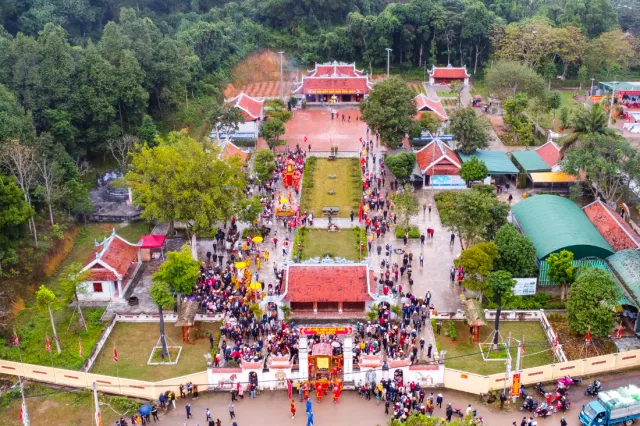
Đền Quả Sơn tọa lạc tại xã Bồi Sơn, huyện Đô Lương, tỉnh Nghệ An (nay thuộc xã Bạch Ngọc, tỉnh Nghệ An). Đây là một trong những ngôi đền cổ nổi tiếng của xứ Nghệ, được khởi dựng từ thời Lý để thờ Uy Minh Vương Lý Nhật Quang – con trai vua Lý Thái Tổ, người có công lớn trong việc trấn giữ, khai mở và phát triển vùng Nghệ An xưa.
Tên gọi “Đền Quả Sơn” bắt nguồn từ núi Quả (Quả Sơn) – nơi nhân dân an táng Uy Minh Vương sau khi ông qua đời.
Lịch sử và nhân vật
Lịch sử Đền Quả Sơn
Đền Quả Sơn được khởi dựng từ thời Lý thờ Uy Minh Vương Lý Nhật Quang. Trải qua nhiều thế kỷ, nơi đây không chỉ là một công trình tín ngưỡng quan trọng của xứ Nghệ mà còn là địa điểm lưu giữ ký ức lịch sử gắn liền với công cuộc khai mở và phát triển vùng đất phía Nam Đại Việt thời trung đại.
Theo thần phả còn lưu giữ tại đền, sau khi Uy Minh Vương mất vào năm Đinh Dậu (1057), nhân dân xứ Nghệ đã lập đền thờ để tưởng nhớ công lao to lớn của ông đối với vùng đất này. Thi hài của ông được an táng tại núi Quả, và Đền Quả Sơn từ đó trở thành ngôi đền thờ chính của Uy Minh Vương giữa không gian linh thiêng bên dòng Lam giang.
Từ thời Lý – Trần, đền từng có quy mô lớn với bảy tòa, bốn mươi gian mang phong cách kiến trúc cổ kính. Tuy nhiên, trải qua bao biến thiên lịch sử, chiến tranh và sự tàn phá của thời gian, nhiều hạng mục của ngôi đền dần bị hủy hoại. Đặc biệt, vào năm 1952, bom đạn của thực dân Pháp đã phá hủy phần lớn công trình, chỉ còn lại khu mộ và tấm bia đá cổ.
Đến năm 1996, thực hiện chủ trương bảo tồn và phát huy các giá trị di sản văn hóa dân tộc, chính quyền cùng nhân dân địa phương đã tiến hành trùng tu, phục dựng Đền Quả Sơn. Từ đó đến nay, ngôi đền tiếp tục trở thành nơi sinh hoạt tín ngưỡng, điểm đến văn hóa – lịch sử tiêu biểu của Nghệ An, đồng thời thể hiện truyền thống “uống nước nhớ nguồn” của nhân dân đối với vị danh thần có công lớn với đất nước và xứ Nghệ.
Uy Minh Vương Lý Nhật Quang
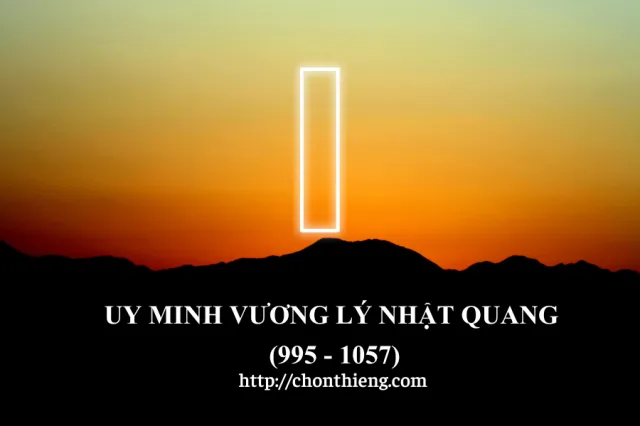
Uy Minh Vương Lý Nhật Quang sinh năm Mậu Tý (988), là con trai thứ tám của vua Lý Thái Tổ. Ông là một trong những hoàng tử tài năng và có công lao nổi bật dưới triều Lý.
Dưới thời vua Lý Thái Tông (1028 – 1054), nhận thấy Nghệ An giữ vị trí chiến lược quan trọng đối với sự ổn định và hưng thịnh của quốc gia, triều đình đã cử Uy Minh Hầu Lý Nhật Quang vào trông coi việc tô thuế tại đây vào năm 1039. Đến năm 1041, ông chính thức được bổ nhiệm làm Tri châu Nghệ An.
Năm 1044, khi vua Lý Thái Tông thân chinh đánh Chiêm Thành, Lý Nhật Quang được giao trọng trách tổ chức tiếp tế và vận chuyển quân lương từ Nghệ An phục vụ chiến dịch. Sau thắng lợi, ghi nhận tài năng và công lao của ông, nhà vua đã phong từ tước Hầu lên tước Vương, ban hiệu Uy Minh Vương và trao quyền Tiết Việt, cho phép ông toàn quyền định đoạt các công việc chính sự tại Nghệ An. Đồng thời, hai danh tướng Đông Chinh Vương Lý Lực và Dực Thánh Vương cũng được cử ở lại hỗ trợ ông cai quản vùng đất này.
Trong suốt mười lăm năm giữ chức Tri châu Nghệ An (1041 – 1056), Uy Minh Vương đã thực hiện nhiều chính sách tiến bộ nhằm phát triển kinh tế và ổn định đời sống nhân dân. Ông tổ chức khai mở năm châu, hai mươi bảy trại, năm mươi sáu sách dọc lưu vực sông Lam và sông La; chỉ huy đắp đê, phân bố lại dân cư, khuyến khích trồng lúa, chăn nuôi, nuôi tằm dệt vải và phát triển giao thương. Ông cũng động viên cư dân ven sông, ven biển đóng thuyền khai thác thủy sản và mở mang buôn bán, góp phần biến Nghệ An từ vùng đất thường xuyên bất ổn trở nên trù phú, yên bình.
Không chỉ là một nhà quản lý tài năng, Uy Minh Vương còn được nhân dân kính trọng bởi đức độ và tấm lòng thương dân. Ông luôn lấy việc “khoan thư sức dân”, chăm lo đời sống no ấm của trăm họ làm nền tảng cho việc trị nước. Chính vì vậy, tên tuổi của ông đã in đậm trong tâm thức nhân dân xứ Nghệ như một vị quan thanh liêm, nhân hậu và có công lớn với quê hương.
Sau khi ông mất vào ngày 17 tháng 12 năm Đinh Dậu (1057), nhân dân nhiều nơi trên dải đất sông Lam – núi Hồng đã lập đền, miếu thờ phụng để tưởng nhớ công lao của ông. Trong tác phẩm Việt Điện U Linh, Lý Tế Xuyên từng ca ngợi Uy Minh Vương là “một đại phúc thần cải châu, trung trực, liêm khiết”, đồng thời xếp ông vào hàng những vị thần có công đức lớn bậc nhất của nước Việt.
Kiến trúc cảnh quan
Đền Quả Sơn được khởi dựng từ thời Lý, sau đó nhiều lần được trùng tu, tôn tạo qua các triều đại Trần, Lê và Nguyễn. Qua từng giai đoạn lịch sử, ngôi đền không chỉ được mở rộng về quy mô mà còn ngày càng trở nên uy nghi, bề thế, mang đậm dấu ấn kiến trúc truyền thống của xứ Nghệ.
Toàn bộ công trình tọa lạc trong không gian sơn thủy hài hòa, lưng tựa núi Quả, phía trước hướng ra dòng Lam giang, tạo nên thế đất vừa trang nghiêm vừa khoáng đạt. Kiến trúc đền mang vẻ cổ kính, uy nghiêm nhưng vẫn gần gũi với cảnh sắc thiên nhiên, thể hiện rõ quan niệm kiến trúc truyền thống “tọa sơn hướng thủy” của người Việt.
Tổng thể đền gồm ba tòa chính: Hạ Điện, Trung Điện và Thượng Điện, được bố trí theo trục thần đạo cân xứng. Các hạng mục kiến trúc đều mang phong cách cổ truyền với hệ thống cột gỗ lớn, mái cong, đầu đao uốn lượn cùng nhiều họa tiết chạm khắc rồng, mây, hoa lá mang đậm mỹ thuật dân gian và cung đình xưa. Dưới bàn tay tài hoa của các nghệ nhân, từng đường nét kiến trúc đều toát lên vẻ trang trọng, phản ánh tinh thần thượng võ và khí phách của vùng đất Nghệ An.
Không gian thờ tự trong đền được sắp đặt theo đúng nghi thức truyền thống:
- Thượng điện là nơi thờ Uy Minh Vương Lý Nhật Quang.
- Tả vu thờ Đông Chinh Vương, hữu vu thờ Dực Thánh Vương
- Ngoài ra trong khuôn viên còn có phần mộ Uy Minh Vương
Cùng nhiều công trình phụ trợ khác, tạo nên một quần thể di tích vừa linh thiêng vừa giàu giá trị lịch sử, văn hóa và nghệ thuật kiến trúc.
Hiện vật
Ngoài giá trị lịch sử và kiến trúc, Đền Quả Sơn hiện còn lưu giữ nhiều di vật, cổ vật quý gắn liền với thời Lý và tín ngưỡng thờ Uy Minh Vương Lý Nhật Quang.
- Pho tượng cổ độc bản thờ Uy Minh Vương được chế tác bằng gỗ quý, sơn son thếp vàng, khoác áo bào lụa vàng, thể hiện phong thái uy nghiêm của một vị vương triều Lý.
- Long ngai, tế khí, lư hương đồng, mũ đồng, loa cổ bằng gỗ và đồng, khay trầu bằng đồng cùng nhiều hiện vật có giá trị khác.
Đền cũng lưu giữ nhiều dấu tích kiến trúc cổ như ngói mũi hài kích thước lớn (20 x 30 cm), gạch đất nung, các họa tiết trang trí bằng vật liệu nhẹ và cứng, cột gỗ, tảng đá kê chân cột… Đặc biệt, sự hiện diện của tượng đồng Chăm Pa cho thấy những dấu ấn giao lưu văn hóa giữa Đại Việt và Chăm Pa trong lịch sử. Hệ thống cổ vật phong phú này không chỉ góp phần phản ánh diện mạo kiến trúc, mỹ thuật thời Lý mà còn là nguồn tư liệu quý giá để nghiên cứu lịch sử, văn hóa và tín ngưỡng của vùng đất xứ Nghệ.
Sự kiện và lễ hội
Lễ hội Đền Quả Sơn từ lâu đã được xem là một trong những lễ hội truyền thống quy mô và tiêu biểu bậc nhất xứ Nghệ. Hằng năm, lễ hội diễn ra trong ba ngày, từ ngày 19 đến ngày 21 tháng Giêng âm lịch, thu hút đông đảo nhân dân và du khách thập phương về dâng hương, tưởng niệm Uy Minh Vương Lý Nhật Quang.
Phần lễ mang đậm màu sắc tín ngưỡng dân gian và nghi thức truyền thống cổ xưa. Đặc sắc nhất là nghi lễ rước và tạ ơn tại chùa Bà Bụt (Tiên Tích tự). Tương truyền, mỗi lần xuất quân đánh giặc, Uy Minh Vương đều đến chùa cầu nguyện; khi chiến thắng trở về, ông lại lên chùa cáo yết và tạ ơn. Vì vậy, trong lễ hội, đoàn rước luôn khởi hành từ đền Quả Sơn lên chùa Bà Bụt như một cách tái hiện hành trình xưa của vị danh thần.
Nghi thức rước ở Đền Quả Sơn mang nét độc đáo riêng khi kết hợp cả rước đường bộ và rước đường thủy trên sông Lam, tượng trưng cho những cuộc hành quân và luyện thủy binh của Uy Minh Vương thuở trước. Không chỉ tái hiện khí thế trận mạc hào hùng, lễ rước còn thể hiện lòng tri ân sâu sắc của hậu thế đối với bậc tiền nhân có công mở mang và bảo vệ vùng đất Nghệ An.
Bên cạnh đó, lễ hội còn lưu giữ nhiều nghi thức truyền thống như lễ cúng thủy thần, lễ yết cáo, xuất thần, hạ thủy, xuất thuyền và nghi lễ nghinh rước thánh giá hồi cung. Các nghi lễ được tổ chức trang nghiêm, phản ánh đời sống tín ngưỡng phong phú và nét đẹp văn hóa tâm linh của cư dân vùng sông Lam.
Phần hội diễn ra sôi nổi với nhiều trò chơi dân gian và hoạt động nghệ thuật truyền thống như đánh đu, chọi gà, đấu vật, cờ người, múa võ, hát chầu văn, ca trù, diễn chèo và tuồng cổ. Nổi bật hơn cả là hội đua thuyền bơi chải trên dòng Lam Giang, hoạt động gợi nhớ truyền thống thủy quân và tinh thần thượng võ của cư dân xứ Nghệ xưa.
Ngoài ra, lễ hội còn tổ chức nhiều hoạt động văn hóa, thể thao và trưng bày sản vật địa phương như biểu diễn nghệ thuật, triển lãm ảnh, hội trại, thi đấu bóng đá, bóng chuyền cùng các gian hàng giới thiệu đặc sản Đô Lương. Những hoạt động ấy góp phần tạo nên không khí tưng bừng, vừa đậm bản sắc văn hóa dân gian vừa đáp ứng nhu cầu sinh hoạt tinh thần của cộng đồng.
Từ thời Lê, lễ hội Đền Quả Sơn đã nổi tiếng là một trong những lễ hội lớn và uy nghi nhất Nghệ An. Dù từng có giai đoạn gián đoạn bởi chiến tranh và biến động lịch sử, lễ hội đã được phục dựng từ năm 1998 và duy trì cho đến ngày nay. Không chỉ là dịp tưởng niệm công lao Uy Minh Vương Lý Nhật Quang, lễ hội còn góp phần bảo tồn di sản văn hóa truyền thống, bồi đắp tinh thần “uống nước nhớ nguồn” và tăng cường sự gắn kết cộng đồng trong đời sống hiện đại.
Xếp hạng
Đền Quả Sơn được Bộ Văn hóa, Thông tin (nay là Bộ Văn hóa, Thể thao và Du lịch) công nhận là Di tích lịch sử văn hoá cấp quốc gia năm 1998.
Tài liệu tham khảo
- Nguyễn Đại Đồng, Thích Thọ Lạc (Đồng Chủ biên) (2021), Lịch sử Phật giáo Nghệ An, Nxb Tôn Giáo.
- Đền Quả Sơn – Điểm đến – Cục Du lịch Quốc gia Việt Nam
- Đền Quả Sơn – Cổng thông tin điện tử xã Bạch Ngọc.
- Lý Tế Xuyên (1992), Việt điện u linh, Ngọc Hồ & Nhất Tâm (dịch), Nxb Cửu Long.
Ngôn ngữ khác
Tiếng Anh (English)
Name and Geographic Location
Qua Son Temple is located in Boi Son Commune, Do Luong District, Nghe An Province (now part of Bach Ngoc Commune, Nghe An Province). It is one of the most renowned ancient temples of Nghe An, originally established during the Ly Dynasty to worship Uy Minh Vuong Ly Nhat Quang, the son of Emperor Ly Thai To, who made significant contributions to safeguarding, opening up, and developing the ancient Nghe An region.
The name “Qua Son Temple” originates from Mount Qua (Qua Son), where local people buried Uy Minh Vuong after his death.
History and Historical Figure
History of Qua Son Temple
Qua Son Temple was founded during the Ly Dynasty to worship Uy Minh Vuong Ly Nhat Quang. Over the centuries, it has served not only as an important religious site of Nghe An but also as a place preserving historical memories associated with the development and expansion of the southern territories of Dai Viet during the medieval period.
According to the temple’s preserved sacred genealogies, after Uy Minh Vuong passed away in the Year of Dinh Dau (1057), the people of Nghe An built a temple to commemorate his immense contributions to the region. His remains were interred on Mount Qua, and Qua Son Temple subsequently became the principal shrine dedicated to Uy Minh Vuong amid the sacred landscape along the Lam River.
During the Ly and Tran dynasties, the temple was a large complex consisting of seven buildings with forty compartments, featuring traditional ancient architecture. However, due to the passage of time, wars, and historical upheavals, many structures gradually deteriorated. In particular, in 1952, French colonial bombardment destroyed most of the complex, leaving only the tomb area and an ancient stone stele intact.
In 1996, under a policy aimed at preserving and promoting national cultural heritage, local authorities and residents undertook the restoration and reconstruction of Qua Son Temple. Since then, the temple has continued to serve as a center of religious activities and a prominent cultural-historical destination in Nghe An, while embodying the Vietnamese tradition of gratitude toward those who have rendered great service to the nation and the Nghe region.
Uy Minh Vuong Ly Nhat Quang
Uy Minh Vuong Ly Nhat Quang was born in the Year of Mau Ty (988) and was the eighth son of Emperor Ly Thai To. He was one of the most talented princes and made remarkable contributions under the Ly Dynasty.
During the reign of Emperor Ly Thai Tong (1028–1054), recognizing the strategic importance of Nghe An to the stability and prosperity of the kingdom, the royal court appointed Uy Minh Hau Ly Nhat Quang in 1039 to oversee tax administration in the region. In 1041, he was officially appointed Governor of Nghe An.
In 1044, when Emperor Ly Thai Tong personally led a military campaign against Champa, Ly Nhat Quang was entrusted with organizing military supplies and logistics from Nghe An to support the campaign. Following the victory, in recognition of his abilities and achievements, the emperor elevated him from Marquis to Prince, granting him the title Uy Minh Vuong and conferring upon him the authority of Tiet Viet, allowing him full administrative control over Nghe An. At the same time, the distinguished generals Dong Chinh Vuong Ly Luc and Duc Thanh Vuong were assigned to assist him in governing the region.
Throughout his fifteen-year tenure as Governor of Nghe An (1041–1056), Uy Minh Vuong implemented numerous progressive policies to develop the economy and improve people’s livelihoods. He organized the establishment of five prefectures, twenty-seven military settlements, and fifty-six villages along the Lam and La river basins. He directed dyke construction, population redistribution, agricultural expansion, livestock breeding, sericulture, weaving, and trade development. He also encouraged riverside and coastal communities to build boats for fishing and commerce, helping transform Nghe An from a frequently unstable frontier into a prosperous and peaceful region.
Beyond his administrative talents, Uy Minh Vuong was deeply respected for his virtue and compassion. He consistently embraced the principle of alleviating the burdens on the people and ensuring their prosperity as the foundation of good governance. Consequently, he became firmly embedded in the collective memory of the people of Nghe An as an upright, benevolent official who made extraordinary contributions to the homeland.
After his death on the 17th day of the 12th lunar month in the Year of Dinh Dau (1057), communities throughout the Lam River and Hong Mountain region established temples and shrines in his honor. In Viet Dien U Linh, scholar Ly Te Xuyen praised Uy Minh Vuong as “a great blessed deity who transformed the prefecture, upright and incorruptible,” ranking him among the most meritorious spiritual figures in Vietnamese history.
Architecture and Landscape
Qua Son Temple was first constructed during the Ly Dynasty and subsequently restored and expanded through the Tran, Le, and Nguyen dynasties. Over time, the temple not only increased in scale but also became more majestic and imposing, bearing the distinctive characteristics of Nghe traditional architecture.
The entire complex is situated within a harmonious natural setting, backed by Mount Qua and facing the Lam River. This location creates a landscape that is both solemn and open, embodying the traditional Vietnamese architectural principle of “resting against mountains and facing water.”
The temple consists of three principal halls:
Lower Hall (Ha Dien)
Middle Hall (Trung Dien)
Upper Hall (Thuong Dien)
These structures are arranged symmetrically along a sacred central axis. The architecture follows traditional Vietnamese styles, featuring large wooden columns, curved roofs, gracefully upturned eaves, and elaborate carvings of dragons, clouds, flowers, and foliage that reflect both folk and royal artistic traditions. The craftsmanship of the artisans conveys a sense of dignity while reflecting the martial spirit and character of the Nghe An region.
The worship space is arranged according to traditional ritual conventions:
The Upper Hall is dedicated to Uy Minh Vuong Ly Nhat Quang.
The Left Auxiliary Hall (Ta Vu) is dedicated to Dong Chinh Vuong.
The Right Auxiliary Hall (Huu Vu) is dedicated to Duc Thanh Vuong.
The temple grounds also contain the tomb of Uy Minh Vuong.
Together with numerous auxiliary structures, these elements form a sacred complex rich in historical, cultural, and architectural value.
Artifacts
In addition to its historical and architectural significance, Qua Son Temple preserves numerous valuable relics and antiquities associated with the Ly Dynasty and the worship of Uy Minh Vuong Ly Nhat Quang.
Notable artifacts include:
A unique ancient wooden statue of Uy Minh Vuong, crafted from precious wood, lacquered and gilded, and dressed in a golden silk robe, portraying the dignified bearing of a Ly Dynasty prince.
A royal throne, ceremonial objects, bronze incense burners, bronze headgear, ancient wooden and bronze horns, bronze betel trays, and many other valuable artifacts.
The temple also preserves numerous architectural remnants such as large shoe-shaped roof tiles (20 × 30 cm), fired clay bricks, decorative motifs made from various materials, wooden columns, and stone column bases. Particularly noteworthy is the presence of a Cham bronze statue, which reflects the historical cultural exchanges between Dai Viet and Champa.
This rich collection of antiquities not only illustrates the architectural and artistic achievements of the Ly Dynasty but also provides valuable materials for the study of the history, culture, and religious beliefs of the Nghe region.
Events and Festivals
The Qua Son Temple Festival has long been regarded as one of the largest and most representative traditional festivals in Nghe An. Held annually from the 19th to the 21st day of the first lunar month, it attracts large numbers of pilgrims and visitors who come to offer incense and commemorate Uy Minh Vuong Ly Nhat Quang.
The ceremonial portion of the festival is deeply rooted in folk beliefs and ancient traditional rituals. The most distinctive event is the procession and thanksgiving ceremony at Ba But Pagoda (Tien Tich Tu). According to legend, before each military campaign, Uy Minh Vuong would visit the pagoda to pray for success; after victory, he would return to offer thanks. Consequently, the festival procession always begins at Qua Son Temple and proceeds to Ba But Pagoda, reenacting the journey of the revered statesman.
One unique feature of the festival is its combination of both land and river processions along the Lam River, symbolizing Uy Minh Vuong’s military expeditions and naval training activities. These processions not only recreate the heroic atmosphere of past campaigns but also express profound gratitude toward the leader who helped develop and defend Nghe An.
The festival also preserves many traditional rites, including:
Water Deity Worship Ceremony
Announcement Ceremony (Yet Cao)
Spirit Departure Ritual
Launching Ceremony
Boat Departure Ceremony
Procession of the Sacred Palanquin Back to the Temple
These ceremonies are conducted with great solemnity, reflecting the rich spiritual traditions and cultural values of the Lam River communities.
The festive section includes numerous folk games and traditional performances, such as:
Swing competitions
Cockfighting
Traditional wrestling
Human chess
Martial arts performances
Chau Van singing
Ca Tru singing
Cheo performances
Classical Tuong opera
Most notable is the traditional boat racing festival on the Lam River, which evokes memories of the region’s naval heritage and martial traditions.
In addition, the festival features cultural and sporting activities, including art performances, photography exhibitions, camping events, football and volleyball tournaments, and displays of local specialties from Do Luong. These activities create a vibrant atmosphere that both preserves folk cultural identity and meets the spiritual and recreational needs of the community.
Since the Le Dynasty, the Qua Son Temple Festival has been renowned as one of the largest and most magnificent festivals in Nghe An. Although it experienced interruptions due to war and historical upheavals, it was revived in 1998 and has continued ever since. Beyond commemorating the achievements of Uy Minh Vuong Ly Nhat Quang, the festival contributes to preserving traditional cultural heritage, strengthening the Vietnamese spirit of gratitude, and fostering community solidarity in contemporary society.
Recognition
Qua Son Temple was officially recognized as a National Historical and Cultural Relic Site by the Ministry of Culture and Information (now the Ministry of Culture, Sports and Tourism) in 1998.
References
- Nguyễn Đại Đồng, Thích Thọ Lạc (Đồng Chủ biên) (2021), Lịch sử Phật giáo Nghệ An, Nxb Tôn Giáo.
- Đền Quả Sơn – Điểm đến – Cục Du lịch Quốc gia Việt Nam
- Đền Quả Sơn – Cổng thông tin điện tử xã Bạch Ngọc.
- Lý Tế Xuyên (1992), Việt điện u linh, Ngọc Hồ & Nhất Tâm (dịch), Nxb Cửu Long.
Tiếng Pháp (Français)
Nom et situation géographique
Le temple de Quả Sơn est situé dans la commune de Bồi Sơn, district de Đô Lương, province de Nghệ An (aujourd’hui rattachée à la commune de Bạch Ngọc, province de Nghệ An). Il s’agit de l’un des temples anciens les plus célèbres de la région de Nghệ, fondé sous la dynastie des Lý afin de rendre un culte à Uy Minh Vương Lý Nhật Quang, fils du roi Lý Thái Tổ, qui joua un rôle majeur dans la défense, la mise en valeur et le développement de l’ancienne région de Nghệ An.
L’appellation « Temple de Quả Sơn » provient du mont Quả (Quả Sơn), lieu où les habitants inhumèrent Uy Minh Vương après son décès.
Histoire et personnage historique
Histoire du temple de Quả Sơn
Le temple de Quả Sơn fut édifié sous la dynastie des Lý pour honorer Uy Minh Vương Lý Nhật Quang. Au fil des siècles, il est devenu non seulement un important lieu de culte de la région de Nghệ, mais aussi un site de mémoire historique associé à la mise en valeur et au développement des territoires méridionaux du Đại Việt médiéval.
Selon les généalogies sacrées conservées au temple, après la mort d’Uy Minh Vương en l’année Đinh Dậu (1057), les habitants de la région de Nghệ élevèrent un sanctuaire afin de commémorer ses immenses mérites envers cette terre. Sa dépouille fut ensevelie au mont Quả, et le temple de Quả Sơn devint dès lors le principal lieu de culte qui lui fut consacré, dans un cadre sacré dominant les rives du fleuve Lam.
Sous les dynasties des Lý et des Trần, le temple possédait une grande envergure, comprenant sept bâtiments et quarante travées de style architectural traditionnel. Toutefois, les vicissitudes de l’histoire, les guerres et l’action du temps entraînèrent la dégradation progressive de nombreuses structures. En particulier, en 1952, les bombardements de l’armée coloniale française détruisirent la majeure partie de l’édifice ; seuls subsistèrent le tombeau et une ancienne stèle de pierre.
En 1996, dans le cadre de la politique de préservation et de valorisation du patrimoine culturel national, les autorités et la population locale entreprirent la restauration et la reconstruction du temple. Depuis lors, celui-ci demeure un important lieu de pratique cultuelle ainsi qu’une destination culturelle et historique emblématique de la province de Nghệ An, illustrant la tradition vietnamienne de reconnaissance envers les bienfaiteurs de la nation et de la région.
Uy Minh Vương Ly Nhat Quang
Uy Minh Vương Ly Nhat Quang naquit en l’année Mậu Tý (988). Il était le huitième fils du roi Ly Thai To et comptait parmi les princes les plus talentueux de la dynastie des Lý.
Sous le règne du roi Ly Thai Tong (1028-1054), la cour impériale, consciente de l’importance stratégique de Nghệ An pour la stabilité et la prospérité du royaume, nomma Uy Minh Hầu Ly Nhat Quang responsable de la perception des impôts dans cette région en 1039. En 1041, il fut officiellement désigné gouverneur de Nghệ An.
En 1044, lorsque le roi Ly Thai Tong mena personnellement une campagne militaire contre le Champa, Ly Nhat Quang reçut la mission essentielle d’organiser le ravitaillement et le transport des vivres militaires depuis Nghệ An. Après la victoire, en reconnaissance de ses talents et de ses services, le souverain l’éleva du rang de marquis à celui de prince, lui conféra le titre d’Uy Minh Vương et lui accorda les pleins pouvoirs administratifs sur Nghệ An. Les deux célèbres généraux Dong Chinh Vuong Ly Luc et Duc Thanh Vuong furent également chargés de l’assister dans l’administration de cette région.
Durant les quinze années où il gouverna Nghệ An (1041-1056), Uy Minh Vương mit en œuvre de nombreuses politiques progressistes destinées à développer l’économie et à améliorer les conditions de vie de la population. Il organisa l’ouverture de cinq préfectures, vingt-sept postes administratifs et cinquante-six communautés le long des bassins des fleuves Lam et La ; il dirigea la construction de digues, la redistribution des populations, encouragea la riziculture, l’élevage, la sériciculture, le tissage ainsi que le commerce. Il incita également les habitants des zones fluviales et côtières à construire des embarcations pour la pêche et les échanges commerciaux. Grâce à ces actions, Nghệ An passa d’une région fréquemment instable à un territoire prospère et paisible.
Au-delà de ses qualités d’administrateur, Uy Minh Vương était profondément respecté pour sa vertu et sa bienveillance envers le peuple. Il considérait l’allègement des charges pesant sur la population et l’amélioration du bien-être collectif comme le fondement d’une bonne gouvernance. Son nom demeure ainsi gravé dans la mémoire des habitants de la région de Nghệ comme celui d’un mandarin intègre, généreux et dévoué à sa terre natale.
Après son décès, le 17e jour du 12e mois de l’année Đinh Dậu (1057), de nombreux temples et sanctuaires furent érigés dans toute la région du fleuve Lam et de la montagne Hồng afin d’honorer sa mémoire. Dans son ouvrage Viet Dien U Linh, Ly Te Xuyen le qualifia de « grand génie tutélaire, loyal, droit et incorruptible » et le plaça parmi les divinités les plus méritantes du Vietnam.
Architecture et paysage
Le temple de Quả Sơn fut construit sous la dynastie des Lý puis restauré et agrandi à plusieurs reprises sous les dynasties des Trần, des Lê et des Nguyễn. Au fil des siècles, il acquit une ampleur et une majesté croissantes, tout en conservant les caractéristiques de l’architecture traditionnelle de la région de Nghệ.
L’ensemble est implanté dans un paysage harmonieux de montagnes et d’eaux : adossé au mont Quả et tourné vers le fleuve Lam. Cette implantation confère au site une atmosphère à la fois solennelle et ouverte. L’architecture du temple, ancienne et majestueuse, s’intègre harmonieusement à la nature environnante et illustre parfaitement le principe vietnamien traditionnel de « s’appuyer sur la montagne et regarder vers l’eau ».
Le complexe comprend trois bâtiments principaux : le Pavillon Inférieur (Ha Dien), le Pavillon Central (Trung Dien) et le Pavillon Supérieur (Thuong Dien), disposés symétriquement le long de l’axe sacré. Les structures présentent les caractéristiques classiques de l’architecture vietnamienne : grandes colonnes en bois, toitures recourbées, extrémités relevées et abondants motifs sculptés représentant dragons, nuages et végétaux inspirés à la fois de l’art populaire et de l’esthétique de cour.
L’espace cultuel est organisé selon les rites traditionnels :
Le Pavillon Supérieur est consacré à Uy Minh Vuong Ly Nhat Quang.
L’aile gauche (Ta Vu) est dédiée à Dong Chinh Vuong.
L’aile droite (Huu Vu) est dédiée à Duc Thanh Vuong.
Le complexe comprend également le tombeau d’Uy Minh Vuong.
À cela s’ajoutent plusieurs bâtiments annexes qui composent un ensemble patrimonial d’une grande valeur historique, culturelle et artistique.
Objets et vestiges
Outre sa valeur historique et architecturale, le temple conserve de nombreux vestiges et antiquités précieux liés à la dynastie des Lý et au culte d’Uy Minh Vuong Ly Nhat Quang.
Parmi les pièces remarquables figurent :
Une statue ancienne unique d’Uy Minh Vuong, sculptée dans un bois précieux, laquée et dorée, vêtue d’une robe de soie jaune, représentant la dignité d’un prince de la dynastie des Lý.
Un trône royal, des objets rituels, des brûle-parfums en bronze, des coiffes en bronze, d’anciennes trompes en bois et en bronze, des plateaux à bétel en bronze ainsi que de nombreux autres objets de valeur.
Le temple conserve également divers éléments architecturaux anciens : tuiles de grande dimension en forme de chaussure traditionnelle, briques en terre cuite, ornements décoratifs réalisés dans différents matériaux, colonnes en bois et socles de pierre. La présence d’une statue en bronze d’origine cham témoigne notamment des échanges culturels entre le Đại Việt et le Champa au cours de l’histoire. Cet ensemble patrimonial constitue une source documentaire précieuse pour l’étude de l’histoire, de la culture et des croyances de la région de Nghệ.
Événements et fêtes traditionnelles
La fête du temple de Quả Sơn est considérée comme l’une des célébrations traditionnelles les plus importantes et représentatives de la région de Nghệ. Chaque année, elle se déroule pendant trois jours, du 19 au 21 du premier mois lunaire, attirant de nombreux fidèles et visiteurs venus rendre hommage à Uy Minh Vuong Ly Nhat Quang.
La partie cérémonielle est fortement marquée par les croyances populaires et les rites ancestraux. Le moment le plus remarquable est la procession et la cérémonie d’action de grâce au temple bouddhique Ba But (Tien Tich Tu). Selon la tradition, Uy Minh Vuong s’y rendait avant chaque campagne militaire pour prier et y retournait après ses victoires afin d’exprimer sa gratitude. La procession reproduit symboliquement cet itinéraire historique.
La procession du temple de Quả Sơn présente la particularité d’associer un parcours terrestre et une procession fluviale sur le fleuve Lam, évoquant les expéditions militaires et les exercices navals autrefois dirigés par Uy Minh Vuong. Au-delà de la reconstitution historique, elle exprime la profonde reconnaissance des générations actuelles envers celui qui contribua à développer et protéger la région de Nghệ An.
La fête comprend également diverses cérémonies traditionnelles : culte des divinités des eaux, rites d’annonce, descente des divinités, mise à l’eau des embarcations, départ des bateaux et retour solennel du palanquin sacré. Ces cérémonies reflètent la richesse de la vie spirituelle des habitants de la vallée du fleuve Lam.
Les festivités populaires sont tout aussi animées : balançoires traditionnelles, combats de coqs, lutte, échecs humains, démonstrations d’arts martiaux, chants chau van, ca tru, théâtre cheo et tuong classique. L’événement le plus spectaculaire demeure la course de bateaux sur le fleuve Lam, rappelant les traditions navales et l’esprit martial de l’ancienne région de Nghệ.
En parallèle, diverses activités culturelles et sportives sont organisées : spectacles artistiques, expositions photographiques, camps festifs, tournois de football et de volley-ball ainsi que des stands présentant les spécialités locales de Đô Lương. Ces manifestations contribuent à créer une atmosphère festive tout en valorisant le patrimoine culturel local.
Depuis la dynastie des Lê, la fête du temple de Quả Sơn est réputée comme l’une des plus prestigieuses de Nghệ An. Malgré des interruptions dues aux guerres et aux bouleversements historiques, elle fut rétablie en 1998 et se poursuit aujourd’hui. Elle joue un rôle essentiel dans la préservation du patrimoine culturel, le renforcement de l’esprit de gratitude envers les ancêtres et la cohésion de la communauté.
Classement patrimonial
Le temple de Quả Sơn a été reconnu en 1998 comme Monument historique et culturel national par le ministère vietnamien de la Culture et de l’Information (actuel ministère de la Culture, des Sports et du Tourisme).
Références
- Nguyễn Đại Đồng, Thích Thọ Lạc (Đồng Chủ biên) (2021), Lịch sử Phật giáo Nghệ An, Nxb Tôn Giáo.
- Đền Quả Sơn – Điểm đến – Cục Du lịch Quốc gia Việt Nam
- Đền Quả Sơn – Cổng thông tin điện tử xã Bạch Ngọc.
- Lý Tế Xuyên (1992), Việt điện u linh, Ngọc Hồ & Nhất Tâm (dịch), Nxb Cửu Long.
Tiếng Trung (中文)
名称与地理位置
果山祠位于越南乂安省白玉社(原乂安省都良县培山社,现属白玉社)。这是乂安地区最著名的古庙之一,始建于李朝时期,供奉威明王李日光 – 李太祖之子。他对镇守、开发和推动古代乂安地区的发展作出了卓越贡献。
“果山祠”之名源于果山。威明王逝世后,当地百姓将其安葬于此山,因此得名。
历史与人物
果山祠的历史
果山祠始建于李朝时期,用于供奉威明王李日光。数百年来,这里不仅是乂安地区重要的宗教信仰场所,也是保存历史记忆的重要遗址,见证了中古时期大越国南部地区的开发与发展历程。
根据庙内保存的神谱记载,威明王于丁酉年(1057年)逝世后,乂安百姓为了纪念他对当地作出的巨大贡献而建立祠庙祭祀。其遗体安葬于果山,自此果山祠成为位于蓝江畔神圣空间中的威明王主祀庙宇。
李朝和陈朝时期,果山祠规模宏大,共有七座殿宇、四十间房屋,具有古朴庄严的建筑风格。然而历经历史变迁、战争破坏及岁月侵蚀,许多建筑逐渐损毁。尤其是在1952年,法国殖民军的炮火摧毁了大部分建筑,仅存墓区和古石碑。
1996年,为贯彻保护和弘扬民族文化遗产的方针,当地政府与民众共同对果山祠进行了修复和重建。此后,果山祠再次成为当地重要的宗教活动场所和乂安省代表性的历史文化景点,同时体现了人民对这位为国家和乂安地区作出巨大贡献的名臣“饮水思源”的感恩传统。
威明王李日光
威明王李日光生于戊子年(988年),是李太祖的第八子,也是李朝最杰出的皇子之一。
李太宗(1028—1054年)在位期间,朝廷认识到乂安对于国家稳定与繁荣具有重要战略地位,于1039年派遣李日光前往负责当地赋税事务。1041年,他正式被任命为乂安知州。
1044年,李太宗亲征占城(Chăm Pa)时,李日光负责组织军粮筹措和运输工作,为战争提供后勤保障。战后,国王嘉奖其才能与功绩,将其爵位由侯晋升为王,赐号“威明王”,并授予“节钺”之权,使其拥有处理乂安地区军政事务的全权。同时,东征王李力(Lý Lực)和翼圣王也被派驻当地协助治理。
在担任乂安知州的十五年间(1041—1056年),威明王实施了一系列促进经济发展和社会稳定的政策。他组织开拓五州、二十七寨、五十六册,范围遍及蓝江和罗江流域;主持修筑堤坝、重新安置居民,鼓励种植水稻、发展畜牧业、养蚕织布和商业贸易。同时,他还鼓励沿江沿海居民造船捕鱼、发展航运与贸易,使原本动荡不安的乂安逐渐成为富庶安宁之地。
威明王不仅是一位卓越的治理者,更因其仁德爱民而深受百姓敬仰。他始终以“宽民力、恤民生”为治国根本,因此在乂安人民心中留下了廉洁、公正、仁厚的贤臣形象。
丁酉年(1057年)十二月十七日逝世后,蓝江—红岭地区各地百姓纷纷建立庙宇祭祀,以纪念其功绩。《越甸幽灵集》中,李济川曾赞誉威明王为:
“改州之大福神,忠直廉洁。”
并将其列为越南历史上功德最为卓著的神祇之一。
建筑与景观
果山祠始建于李朝,后经陈朝、后黎朝和阮朝多次修缮扩建。随着历史发展,庙宇规模不断扩大,愈发庄严宏伟,充分体现了乂安地区传统建筑特色。
整座建筑群坐落于山水相依的优美环境中,背靠果山,面向蓝江,形成庄严开阔的风水格局。其建筑风格古朴肃穆,与自然景观融为一体,体现了越南传统建筑“背山面水”(坐山向水)的理念。
全祠由三座主体建筑组成:
下殿
中殿
上殿
三殿沿神道中轴线对称布局。建筑采用传统木构形式,设有大型木柱、飞檐翘角以及大量龙纹、祥云和花卉雕饰,兼具民间艺术与宫廷艺术特色。工匠精湛的技艺使整座建筑呈现出庄重典雅之美,同时彰显乂安地区尚武刚毅的精神气质。
殿内祭祀空间按照传统礼制布置:
上殿供奉威明王李日光;
左庑供奉东征王;
右庑供奉翼圣王;
庙区内还保留有威明王墓。
此外,祠内还有众多附属建筑,共同构成兼具神圣性、历史价值、文化价值与建筑艺术价值的重要遗址群。
文物遗存
除历史与建筑价值外,果山祠还保存着大量与李朝时期及威明王信仰相关的珍贵文物。
主要文物包括:
威明王独本古木雕像,以珍贵木材雕刻而成,施以朱漆贴金,身着黄色丝质王袍,展现李朝王族威严气度;
龙椅;
祭器;
铜香炉;
铜帽;
木质与铜质古号角;
铜制槟榔盘;
以及其他珍贵文物。
庙内还保存着大量古建筑遗迹,如大型鞋头瓦(尺寸约20×30厘米)、烧制砖块、各类装饰构件、木柱和柱础石等。尤其值得注意的是,占婆铜像的发现,反映出历史上大越与占婆之间的文化交流。丰富的文物遗存不仅展示了李朝时期建筑与艺术风貌,也为研究乂安地区历史、文化和信仰提供了珍贵资料。
活动与节庆
果山祠庙会长期以来被视为乂安地区规模最大、最具代表性的传统节庆之一。每年农历正月十九日至二十一日举行,为期三天,吸引众多民众和各地游客前来进香祭拜,缅怀威明王李日光。
仪式部分
祭祀活动保留了浓厚的民间信仰特色和传统礼仪。其中最具特色的是前往婆佛寺(Bà Bụt寺,又称仙迹寺 Tiên Tích Tự)举行迎神与谢恩仪式。相传威明王每次出征前都会到寺中祈福,凯旋后则返回寺中谢恩。因此,庙会中的迎神队伍总是从果山祠出发前往婆佛寺,以重现这位名臣昔日的行程。
果山祠的迎神仪式兼具陆路巡游和蓝江水路巡游两种形式,象征威明王当年的军事远征与水军训练活动。该仪式不仅再现了昔日战场的雄壮气势,也表达后人对这位开发和守护乂安土地功臣的深切感恩。
此外,庙会还保留了祭水神、告祭、迎神、下水仪式、启航仪式以及圣驾回宫等传统礼仪,充分体现蓝江流域居民丰富的信仰生活和精神文化传统。
娱乐活动部分
庙会期间还举行丰富多彩的民俗活动和传统艺术表演,包括:
荡秋千;
斗鸡;
摔跤;
人棋比赛;
武术表演;
唱文;
歌筹;
传统戏曲;
古典嘲剧。
其中最具特色的是蓝江赛船活动(赛划船),令人追忆乂安古代水军传统和当地居民尚武精神。
此外,庙会还举办文艺演出、摄影展览、露营活动、足球赛、排球赛以及都良地区特产展示等活动,营造出热烈喜庆的节日氛围,既彰显民间文化特色,也满足现代社区的精神文化需求。
自后黎朝以来,果山祠庙会便被誉为乂安地区最盛大、最庄严的节庆活动之一。尽管曾因战争和历史动荡而中断,但自1998年恢复举办以来一直延续至今。庙会不仅是纪念威明王李日光的重要活动,也在保护传统文化遗产、弘扬“饮水思源”精神和促进社区凝聚力方面发挥着重要作用。
文物等级
1998年,果山祠被越南文化信息部(现为文化、体育与旅游部)认定为国家级历史文化遗迹。
参考文献
- Nguyễn Đại Đồng, Thích Thọ Lạc (Đồng Chủ biên) (2021), Lịch sử Phật giáo Nghệ An, Nxb Tôn Giáo.
- Đền Quả Sơn – Điểm đến – Cục Du lịch Quốc gia Việt Nam
- Đền Quả Sơn – Cổng thông tin điện tử xã Bạch Ngọc.
- Lý Tế Xuyên (1992), Việt điện u linh, Ngọc Hồ & Nhất Tâm (dịch), Nxb Cửu Long.