

Tên gọi và vị trí địa lý
Chùa Bà Bụt có tên chữ là Tiên Tích tự, gắn với dấu tích linh thiêng và những huyền tích dân gian lưu truyền trong vùng. Nguyên bản, chùa có tên là chùa Thượng Thọ theo tên thôn.
Hiện nay, chùa nằm tại xã Bạch Ngọc, tỉnh Nghệ An. Ngôi chùa tọa lạc giữa không gian làng quê thanh bình, gắn bó mật thiết với đời sống văn hóa, tín ngưỡng của cư dân địa phương qua nhiều thế hệ.
Lịch sử và nhân vật
Trong kho tàng truyền thuyết dân gian xứ Nghệ, chùa Bà Bụt là một ngôi cổ tự gắn liền với nhiều huyền tích linh thiêng được lưu truyền qua nhiều thế hệ. Tương truyền rằng, thuở xưa tại bến đò Trung Lở gần chùa Thượng Thọ có một cô lái đò nổi tiếng xinh đẹp, dịu dàng và đoan trang. Một buổi trưa nọ, có người thanh niên trong làng đi ngang qua, vì thấy cô gái dung mạo mỹ miều nên buông lời trêu ghẹo thiếu lễ độ. Bất ngờ, cô lái đò hóa hiện thành Phật Bà Quan Âm với mười hai cánh tay, ngự lên đầu người thanh niên rồi đưa anh ta vào một lùm cây xanh ven sông. Khi đến nơi, người ấy bỗng cảm thấy thân thể nhẹ bẫng, ngẩng đầu lên thì thấy một đám mây ngũ sắc từ từ bay về phía trời cao. Từ sự linh ứng kỳ lạ ấy, nhân dân tin rằng nơi đây từng hiển hiện dấu tích của Phật Bà nên đổi tên chùa Thượng Thọ thành Tiên Tích tự, nghĩa là “ngôi chùa lưu dấu tiên Phật”, còn trong dân gian quen gọi bằng cái tên gần gũi và linh thiêng hơn: chùa Bà Bụt.
Nhiều thư tịch cổ như Nghệ An ký, Đại Nam nhất thống chí, Lịch sử Nghệ An, Lịch sử Đảng bộ huyện Đô Lương, hay các công trình nghiên cứu về Uy Minh Vương Lý Nhật Quang đều nhắc đến ngôi cổ tự này như một danh lam có nguồn gốc từ thời Lý. Theo sử liệu, vào thế kỷ XI, hoàng tử Lý Nhật Quang, người con thứ tám của vua Lý Thái Tổ được triều đình cử vào trấn nhậm Nghệ An với chức Tri châu. Trong thời gian cai quản vùng đất này, ông đã có nhiều công lao khai hoang mở cõi, phát triển kinh tế, ổn định đời sống nhân dân và xây dựng nền trị an nơi biên viễn. Trong tâm thức dân gian xứ Nghệ, Phật Bà Quan Âm ở chùa Bà Bụt luôn hiển linh phù trợ cho Uy Minh Vương trong mọi công việc lớn lao vì dân vì nước.
Tương truyền rằng, trong những cuộc chinh phạt quân Chiêm Thành và dẹp loạn vùng biên giới phía Tây, Lý Nhật Quang nhiều lần được Phật Bà linh ứng trợ giúp, giúp quân sĩ vượt qua hiểm nguy và giành thắng lợi. Đặc biệt, trong một lần đem quân đánh Lão Qua, ông bị trọng thương. Ngựa chiến đưa ông về đến vùng Bạch Đường thuộc thôn Thượng Thọ thì gặp một bà tiên xuất hiện bên chùa Tiên Tích, báo rằng: “Quả Sơn là nơi địa linh, muôn đời có thể hóa thân ở xứ ấy.”
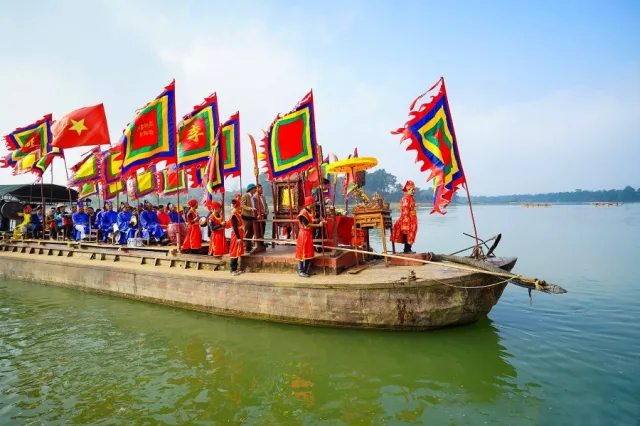
Nghe theo lời chỉ dẫn ấy, Uy Minh Vương trở về vùng Quả Sơn rồi hóa thân tại đó. Sau khi ông mất, quan quân và nhân dân đã lập đền thờ tại Quả Sơn để tưởng nhớ công lao của vị danh thần. Từ đó, hằng năm vào dịp lễ “Nghinh xuân” ngày 20 tháng Giêng âm lịch, dân chúng lại long trọng rước di tượng Uy Minh Vương Lý Nhật Quang từ đền Quả Sơn về chùa Bà Bụt để làm lễ tạ ân, tạo nên một nét sinh hoạt văn hóa tâm linh đặc sắc của vùng đất ven sông Lam. Phía trước chùa là dòng Lam giang hiền hòa, thơ mộng quanh năm bồi đắp phù sa; phía sau tựa lưng vào chân núi Hội sừng sững như một bức bình phong thiên tạo che chở cho ngôi cổ tự. Thế đất “tọa sơn hướng thủy” ấy đã tạo nên vẻ uy nghi và linh thiêng cho chùa Bà Bụt suốt hàng nghìn năm lịch sử.
Trải qua bao biến thiên của thời cuộc, chiến tranh và thiên tai, ngôi chùa vẫn giữ được dáng vẻ cổ kính và chiều sâu tâm linh đặc biệt. Không mang dáng dấp đồ sộ hay nguy nga như nhiều đại tự khác, chùa Bà Bụt gây ấn tượng bởi vẻ đẹp trầm mặc, huyền bí và tinh tế ẩn sâu trong từng chi tiết kiến trúc. Mỗi họa tiết chạm khắc, mỗi đường nét trang trí đều phản ánh trình độ mỹ thuật dân gian đặc sắc cùng thế giới quan tâm linh phong phú của cư dân xứ Nghệ.
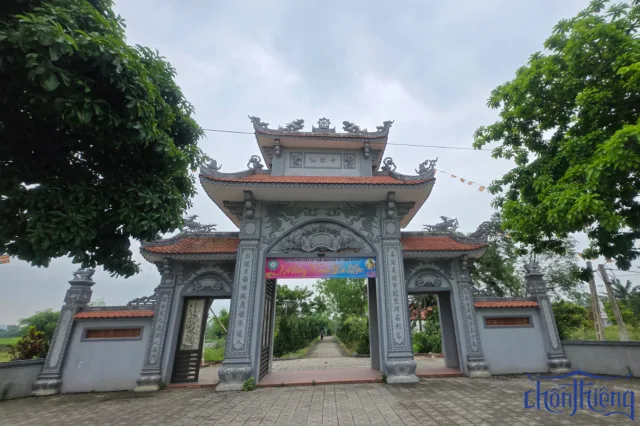
Năm 2018, gia đình ông Đặng Sỹ Linh, xã Lam Sơn phát tâm xây dựng Tam Quan trị giá 1,2 tỷ đồng. Gia đình bà Lê Thị Cư có con trai anh Đào Văn Công đồng tư 1,7 tỷ đồng xây dựng nhà thờ Mẫu. Nhà thờ Mẫu được khởi công xây dựng ngày 24/9/2018. Công trình đã hoàn thành các hạng mục bao gồm: 3 gian nhà chính, đồ thờ trong nhà phục vụ cho việc hành lễ tại nhà thờ Mẫu.
Kiến trúc cảnh quan
Khuôn viên chùa được quy hoạch trên diện tích khoảng 20.521m², tạo thành một quần thể kiến trúc tâm linh rộng rãi, hài hòa giữa không gian thờ tự, cảnh quan sinh thái và các công trình phụ trợ phục vụ sinh hoạt Phật giáo. Tổng diện tích xây dựng khoảng 702m², mật độ xây dựng chiếm 3,40%, phần lớn diện tích còn lại dành cho sân vườn, hồ nước, cây xanh và hệ thống giao thông nội bộ, tạo nên không gian thanh tịnh, thoáng đãng và gần gũi với thiên nhiên.
Trong tổng thể kiến trúc, khu sân đường có diện tích khoảng 627,50m², được bố trí rộng rãi nhằm phục vụ các hoạt động lễ hội, hành lễ và sinh hoạt cộng đồng. Diện tích cây xanh, mặt nước và thảm cỏ chiếm hơn 12.191m², góp phần điều hòa cảnh quan, tạo nên môi trường thanh u và linh thiêng đặc trưng của chốn già lam cổ tự.
Các hạng mục công trình được quy hoạch tương đối đồng bộ, bao gồm: nghi môn, lầu chuông, lầu trống, nhà mẫu, nhà tăng, khu vệ sinh, nhà hóa vàng, chùa chính, nhà phục lễ, nhà điều hành, sân hành lễ, trụ biểu, hồ sen, tháp chuông, chòi nghỉ chân, cổng tam quan, khu dịch vụ và bãi đậu xe. Trong đó, chùa chính là trung tâm của toàn bộ quần thể kiến trúc, được bố trí ở vị trí trang trọng nhất, kết nối với sân hành lễ và hệ thống đường nội bộ.
Ngay từ Nhà Bái đường, đã có thể bắt gặp những bức phù điêu chạm trổ công phu với các mô típ hoa văn cổ truyền. Nổi bật là hình tượng chín con rồng uốn lượn hướng vào nhau, tạo nên vẻ uy nghiêm mà vẫn mềm mại sinh động. Trên các bờ nóc, bờ giải, nghệ nhân xưa tiếp tục sử dụng hình tượng rồng làm chủ đạo, nhưng không theo lối cầu kỳ phô trương mà được thể hiện bằng những đường cong thanh thoát, liền mạch, mang đậm phong cách mỹ thuật truyền thống.
Trong chính cung, bức hoành phi lớn đề ba chữ Hán “Tiên Tích tự” như một sự khẳng định về dấu tích linh thiêng của chốn Phật môn này. Phía trên là bốn chữ “Phật nhật tăng huy”, mang ý nghĩa “ánh sáng Phật pháp ngày càng rạng rỡ”. Những dòng chữ ấy không chỉ thể hiện niềm tin sâu sắc của nhân dân đối với sự linh ứng của Phật Bà Quan Âm mà còn phản ánh đời sống tín ngưỡng bền chặt đã ăn sâu vào tâm thức cư dân địa phương từ bao đời nay.
Vẻ đẹp của chùa Bà Bụt cũng từng được người xưa khái quát qua đôi câu đối nơi tiền đường:
“Thắng cảnh hảo chung thiên địa chí
Danh lam biệt chiếm cổ kim kỳ”
Có thể hiểu rằng:
“Cảnh đẹp tuyệt vời do trời đất hun đúc
Chốn danh lam nổi tiếng tự xưa nay”
Lời đối vừa ca ngợi vẻ đẹp của ngôi cổ tự, vừa tôn vinh vùng đất địa linh nơi núi sông hội tụ, tạo nên một không gian văn hóa – tâm linh đặc biệt giữa miền quê ven dòng Lam giang thơ mộng.
Không gian cảnh quan còn được điểm tô bởi hồ sen, thảm cỏ và nhiều khoảng cây xanh xen kẽ giữa các công trình, tạo cảm giác cân bằng giữa kiến trúc và thiên nhiên. Hệ thống Tam Quan, trụ biểu góp phần làm nổi bật vẻ uy nghiêm, cổ kính của ngôi chùa, đồng thời thể hiện rõ đặc trưng kiến trúc Phật giáo truyền thống.
Hiện vật
Chùa Bà Bụt là một trong những ngôi chùa cổ nổi tiếng của xứ Nghệ còn lưu giữ được hệ thống tượng Phật phong phú với khoảng 28 pho tượng lớn nhỏ. Trong số đó có nhiều pho tượng cổ mang giá trị lịch sử, nghệ thuật và tâm linh đặc sắc, tiêu biểu nhất là tượng Phật Bà Quan Âm 12 tay và tượng Cửu Long.
Tượng Cửu Long được tôn trí ở vị trí trung tâm hàng đầu của cung thờ, tạo nên vẻ uy nghi và linh thiêng cho không gian nội điện. Tượng thể hiện hình ảnh Đức Phật sơ sinh đứng trên tòa sen, tay trái chỉ trời, tay phải chỉ đất, biểu trưng cho sự giác ngộ và chân lý tối thượng. Bao quanh pho tượng là vòng hào quang được tạo tác bằng hình tượng chín con rồng uốn lượn mềm mại. Hình ảnh “Cửu Long” không chỉ gắn với điển tích chín rồng phun nước tắm Phật khi Đức Phật đản sinh, mà còn mang ý nghĩa biểu tượng sâu sắc trong văn hóa Việt Nam, gợi nhắc đến chín dòng sông, chín ngọn núi và đặc biệt là cội nguồn “con Rồng cháu Tiên” của dân tộc từ buổi sơ khai dựng nước.
Bên cạnh tượng Cửu Long, pho tượng đầu người đội Phật Bà Quan Âm 12 tay được xem là hiện vật cổ quý giá nhất còn lưu lại từ thời kỳ đầu xây dựng chùa, đây là bức tượng đặc trưng mang đậm bản sắc của chùa. Pho tượng được bài trí ở vị trí trang trọng, nổi bật bởi thần thái từ bi và vẻ đẹp thanh thoát. Gương mặt Đức Quan Âm hiện lên hiền hòa, phúc hậu, toát ra vẻ bao dung và đức độ. Mười hai cánh tay được thể hiện trong nhiều tư thế khác nhau nhưng vẫn giữ được nét mềm mại, uyển chuyển và cân đối. Tượng ngồi kiết già trên tòa sen, phía dưới là hình tượng quỷ đội đài sen với dáng vẻ quy phục. Chi tiết này mang ý nghĩa biểu tượng cho sự cảm hóa cái ác, thể hiện sức mạnh của lòng từ bi và ánh sáng Phật pháp chiến thắng mọi điều dữ ác, đồng thời cũng gắn với truyền thuyết dân gian về sự linh thiêng của chùa Bà Bụt.
Từ tổng thể bố cục đến từng đường nét chạm khắc tinh xảo, các pho tượng trong chùa đều thể hiện trình độ tạo tác điêu luyện của nghệ nhân xưa. Không chỉ mang giá trị nghệ thuật, những hiện vật ấy còn tạo nên bầu không khí linh thiêng, thanh tịnh cho ngôi cổ tự. Đối với người dân địa phương và du khách thập phương, mỗi lần dâng hương lễ Phật tại chùa không chỉ là hành trình tín ngưỡng mà còn là dịp để tìm về cảm giác an yên, nhẹ nhõm trong tâm hồn.
Sự kiện và lễ hội
Hàng năm, vào dịp lễ hội đền Quả Sơn diễn ra từ ngày 19 đến 21 tháng Giêng âm lịch, chùa Bà Bụt giữ vai trò đặc biệt quan trọng trong chuỗi nghi lễ thờ Uy Minh vương Lý Nhật Quang. Trước ngày chính lễ, những người trông coi đền Quả Sơn đều mang lễ vật đến dâng tại chùa Bà Bụt để làm lễ cáo yết.
Điểm đặc sắc nhất của lễ hội là nghi thức “Rước ngược” vào ngày 20 tháng Giêng, tức lễ rước di tượng Uy Minh vương Lý Nhật Quang từ đền Quả Sơn về chùa Bà Bụt. Đây là một nghi lễ truyền thống độc đáo của vùng sông Lam, thu hút đông đảo nhân dân và du khách tham dự. Công việc chuẩn bị do nhân dân năm làng Tập Phúc, Nhân Bồi, Phúc Hậu, Nhân Trung và Phúc Yên đảm nhiệm từ nhiều ngày trước lễ hội.
Trong ngày rước, đoàn nghi lễ được tổ chức long trọng với cờ quạt, chiêng trống, kiệu vàng cùng đội hình trai tráng mặc lễ phục, tượng trưng cho quân lính của Uy Minh vương khi còn trấn giữ xứ Nghệ. Các nhà sư, Phật tử và nhân dân cùng tham gia tụng kinh, nghinh đón di tượng trong không khí trang nghiêm, linh thiêng.
Khi di tượng được rước đến chùa Bà Bụt, nhà chùa tổ chức các nghi lễ Phật giáo, tụng kinh và thiết đãi cơm chay cho khách thập phương. Suốt đêm 20 tháng Giêng, nhiều hoạt động tâm linh tiếp tục diễn ra với sự tham dự của đông đảo Tăng Ni, Phật tử và nhân dân quanh vùng.
Sáng ngày 21 tháng Giêng, nghi lễ “Rước xuôi” được tiến hành để đưa di tượng Uy Minh vương từ chùa Bà Bụt trở về đền Quả Sơn. Lễ yên vị kết thúc chuỗi lễ hội trong không khí trang nghiêm, thể hiện lòng thành kính của nhân dân đối với Uy Minh vương Lý Nhật Quang và truyền thống văn hóa tâm linh lâu đời của xứ Nghệ.
Xếp hạng
Chùa Bà Bụt nằm trong quần thể di tích lịch sử văn hóa Quốc gia Đền Quả Sơn. Với những giá trị lịch sử lâu đời, lối kiến trúc cổ, riêng biệt, sự linh thiêng và ngưỡng vọng mà nhân dân; chùa Bà Bụt được công nhận là di tích lịch sử cấp tỉnh
Tài liệu tham khảo
- Chùa Bà Bụt với Uy Minh Vương Lý Nhật Quang
- Di tích lịch sử Chùa bà Bụt – Đài PTTH Nghệ An
- Di tích Lịch sử – Văn hóa chùa Bà Bụt
- Nguyễn Đại Đồng, Thích Thọ Lạc (Đồng Chủ biên) (2021), Lịch sử Phật giáo Nghệ An, Nxb Tôn Giáo.
Ngôn ngữ khác
Tiếng Anh (English)
Name and Geographical Location
Ba But Pagoda bears the formal name Tien Tich Tu (Pagoda of Sacred Traces), associated with sacred vestiges and folk legends passed down through generations in the region. Originally, the pagoda was known as Thuong Tho Pagoda, named after the local village.
Today, the pagoda is located in Bach Ngoc Commune, Nghe An Province. Nestled within a peaceful rural landscape, the pagoda has remained closely connected to the cultural and spiritual life of local residents for many generations.
History and Historical Figures
In the treasury of Nghe folk legends, Ba But Pagoda is regarded as an ancient Buddhist temple associated with many sacred stories handed down through generations. According to legend, long ago at Trung Lo Ferry near Thuong Tho Pagoda lived a ferrygirl renowned for her beauty, gentleness, and graceful demeanor. One noon, a young man from the village passed by and, captivated by her beauty, made an inappropriate and disrespectful remark. Suddenly, the ferrygirl transformed into Avalokitesvara Bodhisattva (Quan Am) with twelve arms, appeared above the young man’s head, and led him into a green riverside grove. Upon arriving there, he suddenly felt his body become light and weightless. Looking upward, he saw a five-colored cloud slowly ascending into the sky. Because of this miraculous manifestation, local people believed that the Bodhisattva had once revealed herself there, and thus changed the pagoda’s name from Thuong Tho Pagoda to Tien Tich Tu, meaning “the pagoda preserving traces of Buddha and immortals.” In folk tradition, however, it became more commonly and affectionately known as Ba But Pagoda.
Many ancient texts such as Nghe An Ky, Dai Nam Nhat Thong Chi, History of Nghe An, History of the Do Luong District Party Committee, and scholarly works on Uy Minh Vuong Ly Nhat Quang all mention this ancient pagoda as a famous scenic and spiritual site originating from the Ly Dynasty. Historical records indicate that in the eleventh century, Prince Ly Nhat Quang—the eighth son of Emperor Ly Thai To—was appointed by the royal court to govern Nghe An as regional governor. During his administration, he made great contributions to land reclamation, economic development, social stability, and frontier security.
In the spiritual consciousness of the Nghe people, Avalokitesvara Bodhisattva at Ba But Pagoda was believed to have constantly appeared to assist Uy Minh Vuong in his great endeavors for the people and the nation.
Legend states that during military campaigns against Champa and in suppressing unrest along the western frontier, Ly Nhat Quang received miraculous support from the Bodhisattva many times, helping his troops overcome dangers and achieve victory. On one occasion, while leading a campaign against Lao Qua, he suffered severe injuries. His warhorse carried him back to Bach Duong in Thuong Tho Village, where he encountered a celestial lady appearing near Tien Tich Pagoda who proclaimed:
“Qua Son is a sacred land; through countless generations, one may incarnate there.”
Following this guidance, Uy Minh Vuong returned to Qua Son, where he eventually passed away. After his death, officials and local people built a temple at Qua Son to commemorate his merits. Since then, every year during the “Nghinh Xuan” Festival on the twentieth day of the first lunar month, local people solemnly escort the sacred statue of Uy Minh Vuong Ly Nhat Quang from Qua Son Temple to Ba But Pagoda in a ceremony of thanksgiving. This ritual has become a distinctive spiritual and cultural tradition along the Lam River region.
In front of the pagoda flows the gentle and poetic Lam River, enriching the land with fertile alluvium year-round. Behind the pagoda rises Mount Hoi like a natural protective screen embracing the ancient temple. This geographical arrangement of “backed by mountains and facing water” has contributed to the sacredness and majesty of Ba But Pagoda throughout its thousand-year history.
Despite the ravages of time, wars, and natural disasters, the pagoda has preserved its ancient appearance and profound spiritual depth. Unlike many grand and imposing temples, Ba But Pagoda impresses visitors through its tranquil, mysterious, and refined beauty hidden within every architectural detail. Each carved motif and decorative line reflects the remarkable folk artistry and rich spiritual worldview of the people of Nghe land.
In 2018, the family of Mr. Dang Sy Linh from Lam Son Commune donated funds to construct the Three-Gate Entrance (Tam Quan) at a cost of 1.2 billion VND. Mrs. Le Thi Cu and her son Dao Van Cong contributed 1.7 billion VND for the construction of the Mother Goddess Shrine. Construction of the shrine began on September 24, 2018, and included three main chambers along with ritual furnishings serving worship activities.
Architecture and Landscape
The pagoda complex is planned over an area of approximately 20,521 square meters, forming a spacious spiritual architectural ensemble harmoniously integrating worship spaces, ecological landscapes, and auxiliary facilities supporting Buddhist activities. The total construction area is approximately 702 square meters, accounting for only 3.40% of the site, while the remaining space is devoted to gardens, ponds, greenery, and internal pathways, creating a tranquil and nature-oriented atmosphere.
Within the overall layout, the ceremonial courtyard covers approximately 627.5 square meters and is designed to accommodate festivals, religious rituals, and community activities. Green spaces, water surfaces, and lawns occupy more than 12,191 square meters, contributing to the serene and sacred environment characteristic of ancient Buddhist monasteries.
The architectural system is relatively comprehensive, including the entrance gate, bell tower, drum tower, Mother Goddess shrine, monks’ residence, sanitation area, votive paper-burning house, main pagoda hall, ritual preparation hall, administration house, ceremonial courtyard, decorative pillars, lotus pond, bell stupa, resting pavilion, three-gate entrance, service area, and parking lot. Among these, the main pagoda hall serves as the center of the entire complex, occupying the most honored position and connecting directly with the ceremonial courtyard and internal pathways.
Even from the Bai Duong Hall, visitors can admire elaborately carved bas-reliefs featuring traditional decorative motifs. Particularly striking is the image of nine dragons winding toward one another, creating an atmosphere both majestic and lively. Along the roof ridges and decorative edges, ancient artisans continued to employ dragon imagery as the dominant motif, though rendered not in an ostentatious manner but through graceful, flowing lines characteristic of traditional Vietnamese aesthetics.
Inside the main sanctuary hangs a large horizontal lacquered board inscribed with the three Chinese characters “Tien Tich Tu,” affirming the sacred traces associated with this Buddhist site. Above it are the four characters “Phat Nhat Tang Huy,” meaning “The Light of Buddhism Grows Ever Brighter.” These inscriptions not only express the deep faith of local people in the miraculous power of Avalokitesvara Bodhisattva but also reflect the enduring spiritual beliefs deeply rooted in the consciousness of the community over generations.
The beauty of Ba But Pagoda was once summarized in a pair of parallel sentences displayed in the front hall:
“Thang canh hao chung thien dia chi
Danh lam biet chiem co kim ky”
Which may be understood as:
“A magnificent landscape shaped by heaven and earth
A famed scenic site celebrated through ancient and modern times”
These lines both praise the beauty of the ancient pagoda and honor the sacred land where mountains and rivers converge, forming a unique cultural and spiritual space beside the poetic Lam River.
The landscape is further enhanced by lotus ponds, lawns, and green spaces interwoven among the structures, creating harmony between architecture and nature. The Tam Quan gate system and decorative pillars contribute to the pagoda’s solemn and ancient appearance while clearly expressing the characteristics of traditional Buddhist architecture.
Artifacts
Ba But Pagoda is one of the renowned ancient pagodas of Nghe land that still preserves a rich collection of Buddhist statues, totaling approximately twenty-eight large and small sculptures. Among them are many ancient statues of remarkable historical, artistic, and spiritual value, most notably the Twelve-Armed Avalokitesvara statue and the Nine Dragons statue.
The Nine Dragons statue occupies the foremost central position within the sanctuary, enhancing the majesty and sacredness of the inner hall. The sculpture depicts the infant Buddha standing upon a lotus pedestal, with the left hand pointing toward the sky and the right hand pointing toward the earth, symbolizing enlightenment and supreme truth. Surrounding the figure is a radiant halo crafted in the form of nine gracefully winding dragons. The “Nine Dragons” image is associated not only with the Buddhist legend of nine dragons bathing the Buddha at his birth but also with profound symbolism in Vietnamese culture, evoking the nine rivers, nine mountains, and especially the national origin myth of the “Descendants of the Dragon and the Fairy.”
Beside the Nine Dragons statue, the human-headed statue supporting the Twelve-Armed Avalokitesvara is considered the most precious surviving artifact from the pagoda’s earliest construction period and serves as a distinctive emblem of the temple itself. The statue occupies a revered position and is notable for its compassionate expression and graceful beauty. Avalokitesvara’s face appears gentle and benevolent, radiating mercy and virtue. The twelve arms are depicted in different poses while maintaining softness, flexibility, and balance. The Bodhisattva sits in the lotus posture upon a lotus pedestal, beneath which appears a demon figure supporting the pedestal in submission. This detail symbolizes the transformation of evil and the triumph of compassion and Buddhist wisdom over darkness and malevolence, while also connecting to local legends concerning the sacredness of Ba But Pagoda.
From the overall composition to the finest carved details, the statues within the pagoda demonstrate the extraordinary craftsmanship of ancient artisans. Beyond their artistic value, these artifacts contribute greatly to the sacred and tranquil atmosphere of the ancient temple. For local residents and pilgrims alike, each visit to offer incense and worship at the pagoda is not merely an act of devotion but also an opportunity to rediscover inner peace and serenity.
Events and Festivals
Every year, during the Qua Son Temple Festival held from the nineteenth to the twenty-first days of the first lunar month, Ba But Pagoda plays an especially important role in the ritual cycle honoring Uy Minh Vuong Ly Nhat Quang. Before the main festival day, caretakers of Qua Son Temple bring offerings to Ba But Pagoda to conduct ceremonial announcements and prayers.
The most distinctive feature of the festival is the “Reverse Procession” ritual on the twentieth day of the first lunar month, during which the sacred statue of Uy Minh Vuong Ly Nhat Quang is ceremonially carried from Qua Son Temple to Ba But Pagoda. This unique traditional ritual of the Lam River region attracts large numbers of residents and visitors. Preparations are undertaken several days in advance by the people of five villages: Tap Phuc, Nhan Boi, Phuc Hau, Nhan Trung, and Phuc Yen.
On the procession day, the ceremonial parade is solemnly organized with banners, drums, gongs, golden palanquins, and groups of young men dressed in ceremonial attire representing the soldiers of Uy Minh Vuong during his governance of Nghe land. Monks, Buddhists, and local people participate together in chanting sutras and welcoming the sacred statue in a sacred and dignified atmosphere.
When the sacred statue arrives at Ba But Pagoda, the pagoda conducts Buddhist rituals, sutra chanting, and vegetarian feasts for pilgrims. Throughout the night of the twentieth day of the first lunar month, various spiritual activities continue with the participation of monks, nuns, Buddhists, and residents from surrounding areas.
On the morning of the twenty-first day of the first lunar month, the “Forward Procession” ritual takes place, returning the sacred statue of Uy Minh Vuong from Ba But Pagoda back to Qua Son Temple. The enthronement ceremony concludes the festival in a solemn atmosphere, expressing the deep reverence of the people toward Uy Minh Vuong Ly Nhat Quang and the enduring spiritual traditions of Nghe land.
Recognition and Classification
Ba But Pagoda is part of the National Historical and Cultural Relic Complex of Qua Son Temple. Owing to its long-standing historical significance, distinctive ancient architecture, sacred character, and the deep reverence of local people, Ba But Pagoda has been officially recognized as a provincial-level historical relic site.
References
- Chùa Bà Bụt với Uy Minh Vương Lý Nhật Quang
- Di tích lịch sử Chùa bà Bụt – Đài PTTH Nghệ An
- Di tích Lịch sử – Văn hóa chùa Bà Bụt
- Nguyễn Đại Đồng, Thích Thọ Lạc (Đồng Chủ biên) (2021), Lịch sử Phật giáo Nghệ An, Nxb Tôn Giáo.
Tiếng Pháp (Français)
Nom et situation géographique
La pagode Bà Bụt porte le nom lettré de Tiên Tích tự, appellation associée aux traces sacrées et aux légendes populaires transmises depuis des générations dans la région. À l’origine, la pagode portait le nom de pagode Thượng Thọ, d’après le nom du village.
Aujourd’hui, la pagode est située dans la commune de Bạch Ngọc, province de Nghệ An. Elle se dresse au cœur d’un paisible paysage rural et demeure profondément liée à la vie culturelle et spirituelle des habitants locaux depuis de nombreuses générations.
Histoire et personnages
Dans le vaste patrimoine des légendes populaires du Nghệ An, la pagode Bà Bụt est un ancien sanctuaire étroitement associé à de nombreux récits sacrés transmis à travers les siècles. Selon la tradition, autrefois, près de l’embarcadère de Trung Lở situé non loin de la pagode Thượng Thọ, vivait une jeune passeuse réputée pour sa grande beauté, sa douceur et sa grâce. Un midi, un jeune homme du village passant par là, séduit par sa beauté, lui adressa des paroles déplacées et irrespectueuses. Soudain, la passeuse se transforma en la Bodhisattva Avalokitesvara aux douze bras, apparaissant au-dessus de la tête du jeune homme avant de le conduire dans un bosquet verdoyant au bord de la rivière. Arrivé à cet endroit, il ressentit son corps devenir extraordinairement léger. Levant les yeux, il aperçut alors un nuage aux cinq couleurs s’élever lentement vers le ciel. À partir de cet événement miraculeux, les habitants crurent que ce lieu avait été marqué par une manifestation de la Bodhisattva. Ils renommèrent ainsi la pagode Thượng Thọ en Tiên Tích tự, signifiant « la pagode portant les traces sacrées des immortels et du Bouddha ». Toutefois, dans la tradition populaire, elle demeura surtout connue sous le nom familier et sacré de pagode Bà Bụt.
De nombreux anciens ouvrages tels que Nghệ An ký, Đại Nam nhất thống chí, Histoire du Nghệ An, Histoire du Comité du Parti du district de Đô Lương ou encore diverses études consacrées au prince Uy Minh Vuong Lý Nhật Quang mentionnent cette ancienne pagode comme un site célèbre datant de la dynastie des Lý. Selon les documents historiques, au XIe siècle, le prince Lý Nhật Quang — huitième fils du roi Lý Thái Tổ — fut envoyé par la cour impériale gouverner la région de Nghệ An en qualité de préfet. Durant son administration, il accomplit de nombreux travaux de mise en valeur des terres, de développement économique, de stabilisation de la vie de la population et d’organisation de la sécurité dans cette région frontalière. Dans l’imaginaire populaire du Nghệ An, la Bodhisattva Avalokitesvara de la pagode Bà Bụt protégeait constamment Uy Minh Vuong dans toutes ses grandes entreprises au service du peuple et du pays.
Selon la légende, lors des campagnes militaires contre le royaume du Champa et des opérations de pacification des frontières occidentales, Lý Nhật Quang reçut à plusieurs reprises l’aide miraculeuse de la Bodhisattva, permettant à ses troupes d’échapper aux dangers et d’obtenir la victoire. Plus particulièrement, lors d’une expédition contre le Laos, il fut grièvement blessé. Son cheval le ramena jusqu’à la région de Bạch Đường dans le village de Thượng Thọ, où une fée apparut près de la pagode Tiên Tích et lui déclara :
« Quả Sơn est une terre sacrée où il sera possible de se réincarner pour l’éternité. »
Suivant cette prophétie, Uy Minh Vuong retourna dans la région de Quả Sơn où il rendit finalement son dernier souffle. Après sa mort, les autorités et les habitants élevèrent un temple à Quả Sơn afin d’honorer les mérites de ce grand mandarin. Dès lors, chaque année, à l’occasion de la fête du « Nghinh xuân » célébrée le 20e jour du premier mois lunaire, la population organise solennellement la procession de la statue sacrée de Uy Minh Vuong Lý Nhật Quang depuis le temple de Quả Sơn jusqu’à la pagode Bà Bụt afin d’y accomplir les rites de gratitude. Cette cérémonie est devenue une pratique culturelle et spirituelle caractéristique des régions riveraines du fleuve Lam. Devant la pagode s’étend le paisible et poétique fleuve Lam, déposant chaque année son limon fertile, tandis qu’à l’arrière se dresse la montagne Hội telle une immense barrière naturelle protégeant l’ancien sanctuaire. Cette configuration géomantique « adossée à la montagne et tournée vers l’eau » confère depuis des millénaires à la pagode Bà Bụt sa majesté et son caractère sacré.
À travers les vicissitudes de l’histoire, les guerres et les catastrophes naturelles, la pagode a conservé son allure ancienne et sa profonde dimension spirituelle. Sans posséder les dimensions monumentales ni le faste de certains grands temples, la pagode Bà Bụt impressionne par sa beauté sobre, mystérieuse et raffinée, perceptible dans chaque détail architectural. Chaque motif sculpté, chaque ornement reflète le remarquable savoir-faire de l’art populaire ainsi que la richesse du monde spirituel des habitants du Nghệ An.
En 2018, la famille de M. Đặng Sỹ Linh, de la commune de Lam Sơn, fit don des fonds nécessaires à la construction de la porte Tam Quan pour un montant de 1,2 milliard de dôngs vietnamiens. La famille de Mme Lê Thị Cư, avec son fils Đào Văn Công, participa également à hauteur de 1,7 milliard de dôngs pour la construction du sanctuaire dédié à la Mère divine. Ce sanctuaire fut mis en chantier le 24 septembre 2018. Les travaux achevés comprennent notamment les trois salles principales ainsi que l’ensemble du mobilier cultuel destiné aux cérémonies religieuses.
Architecture et paysage
L’enceinte de la pagode s’étend sur une superficie d’environ 20 521 m², formant un vaste complexe spirituel harmonisant espaces cultuels, paysages naturels et infrastructures annexes destinées aux activités bouddhiques. La surface bâtie totale atteint environ 702 m², soit une densité de construction de 3,40 %. La majeure partie de l’espace est réservée aux jardins, aux bassins, aux espaces verts et aux voies de circulation intérieure, créant une atmosphère paisible, aérée et intimement liée à la nature.
Dans cet ensemble architectural, la cour principale couvre environ 627,50 m² et a été aménagée pour accueillir les cérémonies, fêtes religieuses et activités communautaires. Les espaces verts, plans d’eau et pelouses représentent plus de 12 191 m², contribuant à l’équilibre du paysage et à l’atmosphère sacrée caractéristique des anciens monastères bouddhiques.
Les différents bâtiments ont été conçus de manière relativement cohérente et comprennent : la porte cérémonielle, le pavillon de la cloche, le pavillon du tambour, le sanctuaire de la Mère divine, les quartiers monastiques, les installations sanitaires, le pavillon des offrandes votives, le sanctuaire principal, la maison des cérémonies, le bâtiment administratif, la cour rituelle, les piliers symboliques, l’étang aux lotus, la tour de la cloche, les pavillons de repos, la porte Tam Quan, les espaces de service et le parking. Le sanctuaire principal constitue le cœur de l’ensemble architectural et occupe l’emplacement le plus solennel, relié directement à la cour des cérémonies et au réseau de circulation intérieure.
Dès l’entrée de la salle Bái đường, le visiteur peut admirer de remarquables bas-reliefs finement sculptés ornés de motifs traditionnels. Parmi eux se distingue particulièrement l’image de neuf dragons s’entrecroisant harmonieusement, créant une impression à la fois majestueuse et vivante. Sur les toitures et les lignes faîtières, les artisans anciens ont également privilégié le motif du dragon, non dans un style excessivement ornemental, mais à travers des courbes élégantes et fluides typiques de l’esthétique traditionnelle vietnamienne.
Dans le sanctuaire principal, une grande plaque horizontale porte les trois caractères chinois « Tiên Tích tự », affirmant le caractère sacré de ce lieu bouddhique. Au-dessus figurent les quatre caractères « Phật nhật tăng huy », signifiant : « la lumière du Dharma rayonne chaque jour davantage ». Ces inscriptions témoignent non seulement de la profonde foi populaire envers les manifestations miraculeuses de la Bodhisattva Avalokitesvara, mais également de la permanence de la vie spirituelle enracinée depuis des siècles dans la conscience des habitants.
La beauté de la pagode Bà Bụt fut autrefois résumée dans un distique placé à l’avant du sanctuaire :
« Thắng cảnh hảo chung thiên địa chí
Danh lam biệt chiếm cổ kim kỳ »
Que l’on peut interpréter ainsi :
« Un paysage sublime façonné par le ciel et la terre
Un site célèbre admiré depuis les temps anciens jusqu’à nos jours »
Ces vers célèbrent à la fois la beauté de l’ancien sanctuaire et le caractère sacré de cette terre où montagnes et rivières se rejoignent pour former un espace culturel et spirituel unique au bord du poétique fleuve Lam.
Le paysage est encore embelli par les étangs de lotus, les pelouses et les nombreux espaces arborés répartis entre les bâtiments, créant un équilibre harmonieux entre architecture et nature. Le système de la porte Tam Quan et des piliers symboliques renforce la majesté et l’ancienneté de la pagode tout en illustrant clairement les caractéristiques de l’architecture bouddhique traditionnelle.
Objets et vestiges
La pagode Bà Bụt est l’une des anciennes pagodes les plus célèbres du Nghệ An conservant encore un riche ensemble de statues bouddhiques comprenant environ vingt-huit statues de différentes dimensions. Parmi elles figurent plusieurs œuvres anciennes d’une grande valeur historique, artistique et spirituelle, notamment la statue de la Bodhisattva Avalokitesvara aux douze bras et la statue des Neuf Dragons.
La statue des Neuf Dragons occupe l’emplacement central du sanctuaire principal et confère au lieu un caractère particulièrement solennel et sacré. Elle représente le Bouddha nouveau-né debout sur un lotus, la main gauche pointant vers le ciel et la main droite vers la terre, symbole de l’Éveil et de la vérité suprême. Autour de la statue se déploie une auréole formée de neuf dragons gracieusement entrelacés. L’image des « Neuf Dragons » ne renvoie pas seulement à la légende des neuf dragons jaillissant pour baigner le Bouddha lors de sa naissance, mais possède également une profonde signification symbolique dans la culture vietnamienne, évoquant les neuf fleuves, les neuf montagnes et surtout l’origine mythique du peuple vietnamien, « descendants du Dragon et de la Fée ».
À côté de cette statue, la représentation de la Bodhisattva Avalokitesvara aux douze bras portée sur une tête humaine est considérée comme l’objet ancien le plus précieux subsistant depuis les premières périodes de construction de la pagode. Cette statue, emblématique de l’identité du sanctuaire, occupe une place d’honneur. Elle se distingue par son expression empreinte de compassion et son élégance raffinée. Le visage de la Bodhisattva apparaît doux et bienveillant, rayonnant de bonté et de sagesse. Les douze bras, représentés dans diverses positions, conservent néanmoins une grande harmonie et une remarquable fluidité. La statue est assise en posture du lotus, tandis qu’en dessous apparaît un démon soutenant le socle dans une attitude de soumission. Ce détail symbolise la transformation du mal par la compassion, illustrant la victoire de la lumière bouddhique sur les forces obscures et rappelant également les légendes populaires relatives au caractère sacré de la pagode Bà Bụt.
De la composition générale jusqu’aux moindres détails sculptés avec finesse, toutes les statues du temple témoignent de la maîtrise exceptionnelle des artisans anciens. Au-delà de leur valeur artistique, ces œuvres contribuent à créer l’atmosphère sacrée et sereine de l’ancien sanctuaire. Pour les habitants comme pour les pèlerins venus de loin, chaque offrande d’encens et chaque prière à la pagode représentent non seulement un acte de foi, mais également une quête de paix intérieure et de sérénité spirituelle.
Événements et fêtes
Chaque année, lors de la fête du temple Quả Sơn organisée du 19 au 21 du premier mois lunaire, la pagode Bà Bụt joue un rôle particulièrement important dans les cérémonies consacrées à Uy Minh Vuong Lý Nhật Quang. Avant le jour principal des festivités, les gardiens du temple Quả Sơn apportent des offrandes à la pagode Bà Bụt afin d’y accomplir les rites d’annonce et de présentation.
Le moment le plus remarquable de la fête est la cérémonie dite de la « procession inversée », organisée le 20 du premier mois lunaire, durant laquelle la statue sacrée de Uy Minh Vuong Lý Nhật Quang est transportée du temple Quả Sơn jusqu’à la pagode Bà Bụt. Il s’agit d’un rituel traditionnel unique dans la région du fleuve Lam, attirant de nombreux habitants et visiteurs. Les préparatifs sont assurés plusieurs jours à l’avance par les habitants des cinq villages de Tập Phúc, Nhân Bồi, Phúc Hậu, Nhân Trung et Phúc Yên.
Le jour de la procession, le cortège cérémoniel est organisé avec une grande solennité : bannières, tambours, gongs, palanquins dorés et jeunes hommes vêtus d’habits rituels représentant les soldats de Uy Minh Vuong lorsqu’il gouvernait la région du Nghệ An. Moines, fidèles et habitants participent ensemble aux récitations de sutras et à l’accueil de la statue sacrée dans une atmosphère profondément sacrée.
Lorsque la statue atteint la pagode Bà Bụt, les moines organisent les cérémonies bouddhiques, les récitations liturgiques ainsi qu’un repas végétarien offert aux pèlerins. Tout au long de la nuit du 20 du premier mois lunaire, de nombreuses activités spirituelles se poursuivent avec la participation de nombreux moines, fidèles et habitants de la région.
Le matin du 21 du premier mois lunaire, la cérémonie de la « procession descendante » est organisée afin de reconduire la statue sacrée depuis la pagode Bà Bụt jusqu’au temple Quả Sơn. La cérémonie d’installation finale clôt les festivités dans une atmosphère solennelle, exprimant la profonde vénération de la population envers Uy Minh Vuong Lý Nhật Quang ainsi qu’envers les traditions culturelles et spirituelles ancestrales du Nghệ An.
Classement patrimonial
La pagode Bà Bụt fait partie de l’ensemble national des vestiges historiques et culturels du temple Quả Sơn. Grâce à son histoire ancienne, son architecture originale, son caractère sacré et la profonde vénération que lui porte la population, la pagode Bà Bụt a été reconnue comme vestige historique de rang provincial.
Références
- Chùa Bà Bụt với Uy Minh Vương Lý Nhật Quang
- Di tích lịch sử Chùa bà Bụt – Đài PTTH Nghệ An
- Di tích Lịch sử – Văn hóa chùa Bà Bụt
- Nguyễn Đại Đồng, Thích Thọ Lạc (Đồng Chủ biên) (2021), Lịch sử Phật giáo Nghệ An, Nxb Tôn Giáo.
Tiếng Trung (中文)
名称与地理位置
婆佛寺(Chùa Bà Bụt)的汉字名称为“仙迹寺”(Tiên Tích tự),其名称与当地流传已久的灵异遗迹和民间传说密切相关。最初,寺庙依照村名被称为“上寿寺”(Chùa Thượng Thọ)。
如今,寺庙位于乂安省(Nghệ An)白玉乡(Bạch Ngọc)。寺院坐落于宁静祥和的乡村之间,数百年来始终与当地居民的文化生活与民间信仰紧密相连。
历史与人物
在乂安地区丰富的民间传说中,婆佛寺是一座与众多神圣传奇紧密相连的古老寺院,这些故事代代相传。相传很久以前,在靠近上寿寺的中罗渡口(Trung Lở)有一位美丽端庄、温柔贤淑的摆渡姑娘。某日中午,一名村中青年路过此地,见女子容貌出众,便出言轻薄失礼。突然间,那位船娘化现为十二臂观世音菩萨,降临于青年头顶,并将其引入江边一处翠绿树林中。到达之后,那人顿觉身体轻盈,抬头时只见一朵五彩祥云缓缓升向高空。由于这神奇灵应之事,百姓深信此地曾显现观音圣迹,因此将上寿寺改名为“仙迹寺”,意为“留有仙佛踪迹之寺”,而民间则更习惯以亲切而神圣的名字称之为“婆佛寺”。
许多古籍文献,如《乂安记》、《大南一统志》、《乂安历史》、《都良县党部历史》以及有关威明王李日光(Lý Nhật Quang)的研究著作,都将这座古寺记载为源自李朝时期的名胜古刹。根据史料,十一世纪时,李太祖第八子李日光王子奉朝廷之命出任乂安知州。在治理该地区期间,他大力开垦土地、发展经济、安定民生,并维护边疆秩序。在乂安民间信仰中,人们始终相信婆佛寺中的观世音菩萨不断显灵护佑威明王,为国为民成就大业。
相传,在征讨占城军队及平定西部边境叛乱时,李日光多次得到观音菩萨显灵相助,使军队化险为夷并取得胜利。尤其是在一次率军征讨老挝(Lão Qua)时,他身受重伤。战马驮着他返回上寿村白塘地区时,忽见一位仙女现身于仙迹寺旁,并告知:
“果山乃灵地,万世皆可化身于此。”
李日光听从指引,返回果山,最终在那里化身离世。其逝世后,官兵与百姓于果山建庙祭祀,以纪念这位功勋卓著的名臣。从此,每年农历正月二十“迎春”节期间,民众都会隆重地将威明王李日光的神像从果山庙迎请至婆佛寺举行酬恩祭礼,形成蓝江沿岸极具特色的文化与精神信仰活动。
寺前是平静秀美、四季滋养土地的蓝江;寺后则依靠巍峨耸立的会山(Hội Sơn),如天然屏风守护着古寺。“坐山向水”的风水格局,使婆佛寺在千年历史中始终保持庄严与神圣气象。
历经时代变迁、战争与自然灾害,寺院依旧保存着古朴风貌与深厚灵性。它不像许多大型寺庙那样宏伟壮观,而是以沉静、神秘而细腻的美感令人印象深刻。每一处雕刻纹饰、每一道装饰线条,都展现了乂安民间艺术的高超水平以及当地居民丰富的精神世界。
2018年,林士灵(Đặng Sỹ Linh)先生一家发心捐资十二亿越盾修建三关门。黎氏居(Lê Thị Cư)女士一家及其子陶文功(Đào Văn Công)先生共同出资十七亿越盾修建圣母殿。圣母殿于2018年9月24日动工建设,工程完成后包括三间主殿及内部供奉设施,用于举行祭祀法事。
建筑与景观
寺院整体规划面积约为20,521平方米,形成一处宽广而和谐的宗教建筑群,融合了礼佛空间、生态景观及佛教生活辅助设施。总建筑面积约702平方米,建筑密度仅占3.40%,其余大部分区域用于庭院、水池、绿地与内部道路系统,营造出清净开阔、亲近自然的环境。
其中,寺前广场面积约627.5平方米,用于举行节庆、宗教仪式及社区活动。绿化、水面与草坪面积超过12,191平方米,进一步营造出古老佛寺特有的宁静与灵圣氛围。
寺院建筑布局较为完整,包括山门、钟楼、鼓楼、圣母殿、僧舍、卫生区、焚化金纸处、主寺、大礼堂、管理处、法会广场、表柱、莲花池、钟塔、休憩亭、三关门、服务区与停车场。其中主寺是整个建筑群的核心,位于最庄严的位置,并与法会广场及内部道路系统相连。
从拜堂开始,便可见到雕刻精美的浮雕与传统纹饰。其中最引人注目的是九条盘旋相向的神龙图案,既显威严,又富有灵动之美。屋脊与檐边装饰同样以龙纹为主,但并不刻意繁复夸张,而是以流畅柔和的曲线呈现,极具传统艺术风格。
主殿内悬挂着题有“仙迹寺”三字的大匾,象征着此佛门圣地的神圣遗迹。其上方另有“佛日增辉”四字,寓意“佛法光明日益昌盛”。这些题字不仅体现当地百姓对观音菩萨灵应的深厚信仰,也反映出长期扎根于民众精神生活中的宗教传统。
古人曾以一副楹联概括婆佛寺之美:
“胜景好钟天地志
名蓝别占古今奇”
其意可理解为:
“绝美胜景乃天地灵气所钟
千古名刹自古今闻名独秀”
这副对联既赞美古寺之美,也歌颂山水汇聚的灵秀之地,使其成为蓝江畔独特的文化与精神空间。
寺院景观还点缀着莲花池、草坪以及遍布各处的绿树,使建筑与自然达到和谐平衡。三关门与表柱系统进一步突显寺院庄严古雅之美,也充分体现传统佛教建筑特色。
文物
婆佛寺是乂安地区著名古寺之一,至今仍保存着丰富的佛像体系,共约二十八尊大小佛像。其中多尊古佛像兼具历史、艺术与精神价值,尤以十二臂观音像与九龙像最具代表性。
九龙像被供奉于主殿最核心的位置,使内殿更显庄严神圣。佛像展现释迦牟尼佛诞生时立于莲台之上的形象,左手指天、右手指地,象征觉悟与至高真理。佛像周围环绕着由九条盘旋神龙构成的光环。“九龙”不仅对应佛诞时九龙吐水沐浴太子的典故,也蕴含深厚的越南文化象征意义,令人联想到九条江河、九座山岭,以及越南民族“龙仙后裔”的起源传说。
除九龙像外,“头顶十二臂观音像”被视为寺院现存最珍贵的古代文物之一,也是最具寺院特色的佛像。该像供奉于庄严显著的位置,慈悲祥和而气韵超然。观音菩萨面容温和慈爱,散发宽容与德性的神采。十二只手臂姿态各异,却依旧保持柔美协调。菩萨结跏趺坐于莲台之上,下方则为鬼神托举莲座的降伏形象。这一细节象征佛法感化邪恶、慈悲战胜恶念,也与婆佛寺灵异传说密切相关。
从整体布局到细腻雕刻,寺中诸佛像无不展现古代工匠精湛的艺术技艺。这些文物不仅具有艺术价值,也营造出古寺神圣宁静的氛围。对于当地居民及四方香客而言,每次来到寺院焚香礼佛,不仅是一场宗教之旅,更是寻找内心平静与安宁的过程。
活动与节庆
每年农历正月十九日至二十一日举行果山庙节期间,婆佛寺在祭祀威明王李日光的系列仪式中占据极其重要的地位。正式庆典前,果山庙管理人员都会携带供品前往婆佛寺举行告祭仪式。
节庆最具特色的活动是农历正月二十举行的“逆迎”仪式,即将威明王李日光神像从果山庙迎请至婆佛寺。这是蓝江流域独具特色的传统礼仪,吸引大量民众与游客参与。仪式准备工作由集福(Tập Phúc)、仁培(Nhân Bồi)、福后(Phúc Hậu)、仁中(Nhân Trung)及福安(Phúc Yên)五村居民提前多日共同完成。
迎神当天,仪仗队规模隆重,彩旗、锣鼓、金轿以及身着礼服的青年队伍象征威明王镇守乂安时期的军队。僧侣、佛子与民众共同诵经迎请神像,场面庄严而神圣。
神像抵达婆佛寺后,寺院举行佛教法会、诵经仪式,并设斋饭招待四方来客。正月二十夜间,还持续举行多项宗教活动,吸引大量僧尼、佛子及当地居民参与。
正月二十一日上午,则举行“顺迎”仪式,将威明王神像从婆佛寺送回果山庙。安位仪式结束后,整个节庆圆满落幕,体现出当地人民对威明王李日光的崇敬,以及乂安地区悠久的精神文化传统。
等级认定
婆佛寺属于国家级历史文化遗迹“果山庙”建筑群的一部分。凭借悠久历史、独特古建筑风格、神圣地位以及人民长期以来的敬仰,婆佛寺被认定为省级历史遗迹。
参考资料
- Chùa Bà Bụt với Uy Minh Vương Lý Nhật Quang
- Di tích lịch sử Chùa bà Bụt – Đài PTTH Nghệ An
- Di tích Lịch sử – Văn hóa chùa Bà Bụt
- Nguyễn Đại Đồng, Thích Thọ Lạc (Đồng Chủ biên) (2021), Lịch sử Phật giáo Nghệ An, Nxb Tôn Giáo.