

Tên gọi và vị trí địa lý
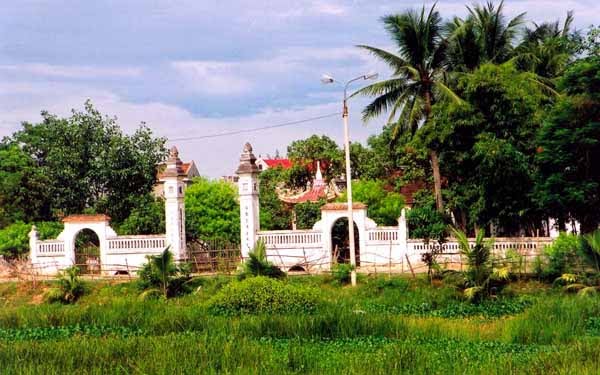
Chùa Cần Linh có tên chữ Linh Vân tự, là ngôi danh lam cổ tự tiêu biểu của xứ Nghệ. Trong dân gian, chùa còn được gọi là chùa Sư Nữ, bởi từ nhiều đời nay nơi đây luôn do các ni sư đảm nhiệm việc trụ trì và quản lý Phật sự. Hiện nay, chùa tọa lạc tại phường Thành Vinh, tỉnh Nghệ An, trong không gian trung tâm đô thị nhưng vẫn giữ được vẻ thanh tịnh và trang nghiêm của một chốn thiền môn cổ kính.
Chùa nằm trên vùng đất có địa thế phong thủy đẹp, hội tụ cả yếu tố sơn thủy hữu tình. Phía Nam là dòng Lam Giang hiền hòa uốn lượn, xa xa là dãy Thiên Nhẫn và núi Hồng Lĩnh sừng sững như bức bình phong thiên nhiên che chở cho vùng đất linh thiêng. Về phía Đông Nam là núi Dũng Quyết, còn gọi là núi Phượng Hoàng, nơi gắn liền với khu di tích Trung Đô – Phượng Hoàng Thành và sự nghiệp của Hoàng đế Quang Trung – Nguyễn Huệ. Với vị trí tọa sơn hướng thủy, lại nằm giữa không gian văn hóa – lịch sử giàu truyền thống của vùng hạ lưu sông Lam, chùa Cần Linh không chỉ là một trung tâm sinh hoạt Phật giáo quan trọng mà còn là điểm đến tâm linh, văn hóa đặc sắc của người dân Nghệ An và du khách thập phương.
Lịch sử và nhân vật
Chùa Cần Linh là ngôi già lam cổ tự nổi tiếng và linh thiêng bậc nhất xứ Nghệ. Sách Đại Nam nhất thống chí chép:
“Chùa Linh Vân ở xã Trường Yên, huyện Chân Lộc, do Cao Biền đời Đường xây dựng, phía trước trông ra bến sông, bên cạnh có giếng đá, phong cảnh đáng yêu”.1
Với lịch sử hình thành hơn mười hai thế kỷ, chùa không chỉ là trung tâm tín ngưỡng Phật giáo lâu đời mà còn là chứng nhân cho nhiều biến chuyển của lịch sử và văn hóa vùng đất Nghệ An.
Trải qua các thời kỳ lịch sử, chùa luôn là điểm hội tụ của những nhân vật có ảnh hưởng lớn trong đời sống chính trị, văn hóa và tôn giáo. Cuối thế kỷ XVIII, văn thần Bùi Huy Bích (1744 – 1818), khi được triều đình Lê – Trịnh cử vào Nghệ An giữ chức Đốc đồng, đã nhiều lần đến vãn cảnh chùa. Trước vẻ đẹp thanh tịnh của cảnh chùa cùng không gian sơn thủy hữu tình nơi đây, ông sáng tác tám bài thơ chữ Hán nổi tiếng mang nhan đề Thu vãn Linh Vân tự chung lâu nhàn vọng, được lưu lại trong Nghệ An thi tập. Những vần thơ ấy không chỉ phản ánh vẻ đẹp của ngôi cổ tự mà còn cho thấy vị thế đặc biệt của chùa trong đời sống tinh thần của người xứ Nghệ đương thời.
Đến thời Nguyễn, chùa tiếp tục được triều đình quan tâm. Tương truyền vua Tự Đức và vua Bảo Đại đều từng đến chiêm bái, cầu quốc thái dân an tại đây. Vua Tự Đức còn hiến tặng cho chùa nhiều hiện vật quý, trong đó có hai bức vọng bằng chữ Hán mang dòng lạc khoản “Vương triều Đức tự hiến cúng”. Nhận thấy sự linh ứng và uy nghiêm của ngôi chùa, nhà vua đã ban tặng ba chữ “Cần Linh Tự”. Theo cách lý giải trong dân gian, tên gọi này mang ý nghĩa cầu mong sự linh ứng, phù hộ của chư Phật đối với muôn dân, và từ đó danh xưng chùa Cần Linh được sử dụng cho đến ngày nay.
Bước sang thế kỷ XX, trong bối cảnh nhiều ngôi chùa cổ ở Nghệ An bị chiến tranh và thời gian tàn phá, chùa Cần Linh vẫn duy trì được sinh hoạt Phật giáo liên tục. Các vị ni trưởng như Thích Diệu Niệm và Thích Diệu Nhẫn đã đóng vai trò quan trọng trong việc gìn giữ ngôi chùa giữa muôn vàn khó khăn. Đặc biệt, từ năm 1998, Ni sư Thích Diệu Nhẫn chính thức đảm nhận cương vị trụ trì và khởi xướng công cuộc phục hưng ngôi cổ tự với nguồn kinh phí vô cùng khiêm tốn. Bằng tâm huyết và sự kiên trì, nhà chùa từng bước mở rộng khuôn viên, trùng tu các hạng mục kiến trúc và phát triển các hoạt động Phật sự, đưa chùa Cần Linh trở thành một trong những trung tâm Phật giáo tiêu biểu của Nghệ An.
Ngày 13 tháng 3 năm 2013, Ủy ban nhân dân tỉnh Nghệ An phê duyệt dự án đầu tư xây dựng chùa Cần Linh giai đoạn I với nhiều hạng mục quan trọng như Tòa Tam Bảo, Nhà Tổ, Nhà thờ hương linh, tả vu, hữu vu, tháp chuông, tháp trống, cổng tam quan và tháp Bồ Tát Quán Thế Âm. Nhờ sự quan tâm của Giáo hội Phật giáo Việt Nam, chính quyền các cấp cùng sự phát tâm công đức của đông đảo tăng ni, phật tử và nhân dân, diện mạo ngôi chùa ngày càng khang trang, bề thế.
Đến nay, sau hơn một thiên niên kỷ tồn tại, chùa Cần Linh không chỉ là một di tích tôn giáo có giá trị lịch sử lâu đời mà còn là trung tâm sinh hoạt văn hóa, tín ngưỡng quan trọng của cộng đồng. Dấu ấn của những nhân vật lịch sử, từ Cao Biền, Bùi Huy Bích, các vị vua triều Nguyễn đến các thế hệ tăng ni trụ trì, đã góp phần tạo nên chiều sâu văn hóa và sức sống bền bỉ cho ngôi cổ tự giữa lòng thành phố Vinh.
Kiến trúc cảnh quan
Chùa Cần Linh là một quần thể kiến trúc Phật giáo tiêu biểu của xứ Nghệ với tổng diện tích: 5.208 m², kết hợp hài hòa giữa nghệ thuật kiến trúc truyền thống và cảnh quan thiên nhiên trong không gian đô thị hiện đại. Trải qua nhiều lần trùng tu, tôn tạo, ngôi chùa ngày nay vẫn giữ được vẻ uy nghiêm, thanh tịnh của một cổ tự lâu đời.
Nổi bật ở phía trước là hệ thống Tam Quan được xây dựng theo lối kiến trúc truyền thống, với mái ngói chồng diêm uốn cong mềm mại. Trên các đầu đao và bờ nóc trang trí nhiều đề tài linh vật như rồng, phượng cùng các họa tiết mây lửa mang đậm phong cách mỹ thuật Phật giáo. Hệ khung cột vững chắc, kết hợp với các chi tiết chạm khắc tinh xảo đã tạo nên diện mạo bề thế và trang nghiêm cho công trình. Hai bên lối vào đặt tượng Hộ pháp trong tư thế uy nghiêm, vừa mang ý nghĩa bảo vệ chính pháp, vừa góp phần tăng thêm vẻ tôn nghiêm cho không gian thờ tự.
Trung tâm của quần thể kiến trúc là tòa Đại Hùng Bảo Điện với nội thất Chính Điện được bài trí theo truyền thống Phật giáo Bắc tông với hệ thống tượng thờ phong phú. Nổi bật là pho tượng Đức Phật Thích Ca Mâu Ni cổ, cao khoảng 1,2 mét, được sơn son thếp vàng và tôn trí ở vị trí trung tâm thượng điện. Tượng có tạo hình cân đối, thần thái từ bi, phản ánh trình độ tạo tác tinh xảo của nghệ thuật điêu khắc Phật giáo truyền thống.
Phía trước Chính Điện là tượng Bồ Tát Quán Thế Âm Thiên thủ Thiên nhãn bằng đồng đỏ nguyên khối, nặng khoảng tám tấn, cao ba mét và rộng hai mét rưỡi, được hoàn thành năm 2006. Tượng ngự trên tòa sen lớn, tạo thành điểm nhấn kiến trúc và tâm linh đặc sắc của chùa. Hình tượng nghìn mắt nghìn tay biểu trưng cho lòng từ bi vô lượng và năng lực cứu độ chúng sinh của Bồ Tát Quán Thế Âm.
Bên trong chùa hiện lưu giữ gần một trăm pho tượng Phật, Bồ Tát, Tổ sư và các vị Hộ pháp thuộc nhiều thời kỳ khác nhau. Hệ thống tượng thờ không chỉ có giá trị tín ngưỡng mà còn là kho tàng nghệ thuật điêu khắc quý giá, phản ánh trình độ thẩm mỹ và kỹ thuật chế tác của các thế hệ nghệ nhân. Ngoài ra, chùa còn bảo tồn được quả đại hồng chung bằng đồng có niên đại khoảng ba thế kỷ, là hiện vật mang giá trị lịch sử và văn hóa đáng chú ý.
Bên cạnh các công trình thờ tự, chùa Cần Linh còn sở hữu hệ thống kiến trúc phụ trợ gồm nhà Tổ, nhà khách, gác chuông, bảo tháp và các công trình sinh hoạt Phật sự được bố trí hợp lý trong khuôn viên. Các hạng mục đều tuân thủ nguyên tắc hài hòa với tổng thể cảnh quan, tạo nên một không gian kiến trúc thống nhất và trang nhã.
Một trong những giá trị nổi bật của chùa Cần Linh là sự gắn kết giữa kiến trúc và thiên nhiên. Mặc dù nằm giữa trung tâm thành phố Vinh, ngôi chùa vẫn giữ được bầu không khí thanh tĩnh nhờ hệ thống cây xanh, vườn cảnh và hồ nước được quy hoạch hợp lý. Những lối đi lát đá uốn quanh dưới bóng cây cổ thụ, các bồn hoa và tiểu cảnh tạo nên không gian thiền vị đặc trưng của kiến trúc Phật giáo. Trước cổng chùa là hồ sen rộng, mỗi độ hạ về hương sen lan tỏa khắp khuôn viên, góp phần làm tăng thêm vẻ đẹp thanh khiết và yên bình cho ngôi cổ tự.
Với sự kết hợp hài hòa giữa kiến trúc truyền thống, nghệ thuật tạo hình và cảnh quan sinh thái, chùa Cần Linh không chỉ là một trung tâm tín ngưỡng quan trọng của Phật giáo Nghệ An mà còn là một công trình kiến trúc văn hóa có giá trị tiêu biểu của vùng đất bên dòng Lam giang.
Hiện vật
Chuông
- Quả chuông Linh Cần tự chung niên đại Giáp Thìn Thành Thái (1904)
- Chuông Linh Vân tự chung là chuông lớn nhất treo ở gác chuông niên đại năm Bính Thìn Thiên Vận
- Chuông thứ ba được đặt ở nhà Thượng Điện, đây là chuông của chùa Diệc Cổ. Năm Thiệu Trị thứ 4 (1845) cung kích đúc tạo. Năm Tự Đức thứ 11 (1859) Tổng đốc Bắc Thái Nguyễn Cửu Đức trùng tu lại chuông.
Bài vị
- Bài vị Tỳ khiêu Bồ Tát giới phát linh, hiệu Tâm Tường, tự Xuân Lạc. Sinh ngày 13 tháng 10 năm Giáp Tuất. Mất ngày 23 tháng 10 năm Quý Mùi, thọ 69 tuổi.
- Bài vị Thập ngàn đại tỳ khiêu Bồ Tát giới, hiệu Thanh Loan, tự Kim Chung, sinh năm Đinh Hợi, mất năm Đinh Hợi.
Hoành phi
- 寺雲靈 Linh Vân tự (Chùa Linh Vân)
- 寺 靈 勤 Cần Linh tự (Chùa Cần Linh)
- 度 普 航 慈 Từ hàng phổ độ (Thuyền Từ phổ độ)
- 圓 覺 三 Tam giác viên
- 具 德 三 Tam đức cụ
- 尊 世 覺 大 Đại Giác Thế Tôn (Thế Tôn là bậc Đại Giác)
- 會 海 嚴 華 Hoa Nghiêm hải hội (Hải hội Hoa Nghiêm)
- 燈 傳 茿 西 Tây Trúc truyền đăng ((Nơi) Tây Trúc truyền đăng)
- 喜 歡 成 園 Viên Thành hoan hỉ ((Chốn) Viên Thành hoan hỷ)
- 交 道 應 感 Cảm ứng đạo giao (Đón nhận linh ứng đạo giao)
- 佛 陀 彌 阿 A Di Đà Phật (Đức Phật A Di Đà)
- 空 覺 所 覺 Giác sở giác không (Giác ngộ được cái mình giác ngộ là giác ngộ cái không)
- 盡 聞 所 聞 Văn sở văn tận (Nghe cái mình nghe được là nghe cái hết)
- 照 普 光 慈 Từ quang phổ chiếu (Ánh sáng từ bi phổ chiếu)
- 作 莫 惡 諸 Chư ác mạc tác (Chớ làm điều ác)
- 行 奉 善 眾 Chúng thiện phụng hành (Gắng làm việc lành)
- 開 花 苑 覺 Giác uyển hoa khai (Hoa nở vườn Giác)
- 德 其 世 濟 Tế thế kỳ đức (Dùng đức độ của Người để cứu vớt chúng sinh khỏi bể sinh tử)
Câu đối
Nguyên văn
遆智 慧 芁 唐 博 愛
頪 慈 悲 迍 客 超 方
Dịch nghĩa
“Đuốc trí tuệ soi đường bác ái,
Cửa từ bi đón khách siêu phương”
Nguyên văn
無垢清 淨 光 慧 日 破 諸 暗
能伏 灾 風 火 普 明 照 世 間
Dịch nghĩa
“Vô cấu thanh tịnh quang tuệ nhật phá chư ám,
Năng phục tai phong hỏa phổ minh chiếu thế gian”
Nguyên văn
真 觀 清 淨 觀 廣 大 智 慧 觀
悲 觀 及 慈 觀 常 願 常 瞻 仰
Dịch nghĩa
“Chân quan thanh tịnh quan quảng đại trí tuệ quan,
Bi quan cập từ quan thường nguyện thường chiêm ngưỡng”
Nguyên văn
特 地 起 樓 臺 鴻 嶺 藍 江 環 左 右
[…]天 懸 日 月 鶴 朝 蘭 提 繞 東 西
Dịch nghĩa
Đắc địa khởi lâu đài Hồng lĩnh Lam giang hoàn tả hữu
[…] thiên huyền nhật nguyệt hạc triêu lan đề nhiễu Đông Tây.
Nguyên văn
佛 日 增 輝 永 永 長 春 光 宇 宙
法 輪 常 轉 綿 綿 滿 月 照 樓 臺
Dịch nghĩa
Phật nhật tăng huy vĩnh vĩnh trường xuân quang vũ trụ
Pháp luân thường chuyển miên miên mãn nhật chiếu lâu đài
Nguyên văn
一 塵 不 染 菩 提 地
萬 善 同 歸 般 雅 門
Dịch nghĩa
Nhất trần bất nhiễm Bồ Đề địa
Vạn thiện đồng quy Bát Nhã môn.
Nguyên văn
梵 宇 巍 峨 一 切 有 情 皈 六 覺
蓮 臺 燦 爛 十 方 諸 佛 誋 菩 提
Dịch nghĩa
Phạn vũ nguy nga nhất thiết hữu tình quy lục giác
Liên đài xán lạn thập phương chư Phật kỵ Bồ Đề.
Nguyên văn
金 容晻曖 菩 提 樹 發 拂 春 花
玉 殿 輝 煌 優 钵 花 開 迎 慧 日
Dịch nghĩa
Kim dung yêm ái Bồ Đề thụ phát phất xuân hoa
Ngọc điện huy hoàng Ưu Bát hoa khai nghênh tuệ nhật
Nguyên văn
寶 相 巍 峨 億 萬 人 天 皆 敬 仰
金 容 皓 蕩 三 天 世 界 盡 依 瞻
Dịch nghĩa
Bảo tướng nguy nga ức vạn nhân thiên giai kính ngưỡng
Kim dung hạo đãng tam thiên thế giới tận y chiêm.
Nguyên văn
慧 日 中 天 一 朵 曇 花 鋪 美 景
慈 雲 敷 大 地 四 辰 法 雨 潤 群 生
Dịch nghĩa
Tuệ nhật trung thiên nhất đóa Đàm hoa phô mĩ cảnh
Từ vân phu đại địa tứ thời Pháp vũ nhuận quần sinh
Kinh sách
- Kinh Âm Dương phổ độ (Hoàng triều Khải Định tứ niên);
- Đại Thừa khởi tín luận;
- Đại thừa chỉ quán;
- Đại phương quảng Liễu nghĩa Đà-la-ni liễu nghĩa kinh;
- Đại Tạng kinh (Bảo Đại Quý Mùi niên);
- Địa Tạng Bồ Tát bản nguyện kinh;
- Địa Tạng Kinh do Hội Việt Nam Phật giáo xuất bản, in tại nhà in Đuốc Tuệ Phật lịch 2514.
- Thọ mệnh hồng danh Mạnh lan phần kinh (Bảo Đại Canh Thìn mạnh đông);
- Thọ mệnh Đà-la-ni kinh hồng danh bảo sám (Bảo Đại Canh Thìn niên thất nguyệt vọng);
- Dược sư bản nguyện kinh (Khải Định Nhâm Tuất mạnh đông cát nhật trùng khắc) (2 cuốn);
- Duy thức phương tiện đàm;
- Quán Lăng già A bạt đa la bảo kinh (4 cuốn);
- Phật thuyết A Di Đà kinh sớ sao (2 cuốn);
- Diệu Pháp Liên Hoa kinh;
- Kim Cương chân sớ;
Sự kiện và lễ hội
Là một trong những trung tâm Phật giáo quan trọng của Nghệ An, chùa Cần Linh thường xuyên tổ chức các hoạt động tín ngưỡng, lễ hội và sinh hoạt Phật sự xuyên suốt trong năm. Các ngày lễ lớn của Phật giáo như Tết Nguyên đán, lễ Phật đản (Rằm tháng Tư âm lịch), lễ Vu Lan báo hiếu (Rằm tháng Bảy âm lịch), các ngày vía chư Phật và Bồ Tát đều được nhà chùa tổ chức trang nghiêm, thu hút đông đảo tăng ni, phật tử và nhân dân về tham dự.
Lễ hội chùa Cần Linh diễn ra vào ngày 19 tháng Hai âm lịch hằng năm – ngày vía Bồ Tát Quán Thế Âm được xem là sự kiện tâm linh tiêu biểu của Thành Vinh và vùng phụ cận. Đây là dịp để nhân dân, phật tử khắp nơi tìm về cửa Phật, dâng hương lễ bái, cầu mong quốc thái dân an, gia đạo bình an, cuộc sống an lành và hạnh phúc.
Phần lễ được tổ chức theo nghi thức Phật giáo truyền thống với các hoạt động như lễ dâng hương, tụng kinh, niệm Phật, cầu an, cầu siêu và thuyết giảng Phật pháp. Không gian lễ hội diễn ra trong bầu không khí trang nghiêm, thanh tịnh, thể hiện lòng tôn kính đối với Tam bảo và tinh thần hướng thiện của người dân.
Bên cạnh các nghi lễ tôn giáo, phần hội cũng diễn ra sôi nổi với nhiều chương trình văn hóa, văn nghệ mang đậm bản sắc dân tộc và tinh thần Phật giáo. Các hoạt động giao lưu văn nghệ, biểu diễn nghệ thuật truyền thống, triển lãm thư pháp, trưng bày văn hóa Phật giáo và các chương trình thiện nguyện cộng đồng góp phần tạo nên không khí vui tươi, gắn kết và giàu ý nghĩa nhân văn.
Không chỉ là một lễ hội tín ngưỡng, lễ hội chùa Cần Linh còn là dịp để cộng đồng gặp gỡ, giao lưu, vun đắp đời sống tinh thần và phát huy những giá trị đạo đức tốt đẹp của dân tộc. Thông qua các hoạt động lễ hội, ngôi chùa tiếp tục khẳng định vai trò là trung tâm văn hóa tâm linh quan trọng, góp phần gìn giữ truyền thống Phật giáo, bồi đắp tinh thần đoàn kết cộng đồng và lan tỏa những giá trị nhân văn trong đời sống xã hội đương đại.
Xếp hạng
Chùa Cần Linh được Bộ Văn hóa – Thể thao & Du lịch Việt Nam chứng nhận là Di tích lịch sử cấp Quốc gia năm 1992.
Chú thích
- Quốc sử quán triều Nguyễn, Đại Nam nhất thống chí, Viện Sử học dịch, Tập 2, Nxb Thuận Hóa, 2006, tr. 221.
Tài liệu tham khảo
- Đặng Việt Thủy, “Chùa Cần Linh cổ kính và linh thiêng ở xứ Nghệ”, Tạp chí Nghiên cứu Phật học online, Ngày 05/02/2026.
- Nguyễn Đại Đồng, Thích Thọ Lạc (Đồng Chủ biên) (2021), Lịch sử Phật giáo Nghệ An, Nxb Tôn Giáo.
- Quốc sử quán triều Nguyễn (2006), Đại Nam nhất thống chí, Viện Sử học dịch, Tập 2, Nxb Thuận Hóa.
- ThS. Phạm Thị Chuyên, “Nhìn nhận lại di sản văn hóa Hán Nôm tại chùa Cần Linh hiện nay”, Website Chùa Xá lợi.
Ngôn ngữ khác
Tiếng Anh (English)
Name and Geographical Location
Can Linh Pagoda, whose Sino-Vietnamese name is Linh Van Tu (Linh Van Pagoda), is one of the most representative ancient Buddhist temples of Nghe An. In local tradition, it is also known as the “Nun’s Pagoda” because, for many generations, the temple has consistently been administered and led by Buddhist nuns who oversee its religious affairs. Today, the pagoda is located in Thanh Vinh Ward, Nghe An Province, within the heart of the urban center while still preserving the serenity and solemnity characteristic of an ancient Buddhist monastery.
The pagoda stands on a site blessed with favorable geomantic features, combining both mountainous and aquatic landscapes. To the south flows the gentle Lam River (Lam Giang), while in the distance rise the majestic Thien Nhan Range and Hong Linh Mountain, forming a natural protective screen for this sacred land. To the southeast lies Dung Quyet Mountain, also known as Phoenix Mountain, associated with the historical complex of Trung Do – Phoenix Citadel and the legacy of Emperor Quang Trung (Nguyen Hue). Situated with its back against the mountains and facing the water, amid the rich cultural and historical environment of the lower Lam River basin, Can Linh Pagoda serves not only as an important Buddhist center but also as a distinctive spiritual and cultural destination for the people of Nghe An and pilgrims from across the country.
History and Historical Figures
Can Linh Pagoda is regarded as one of the most renowned and sacred ancient monasteries of Nghe An. The historical work Dai Nam Nhat Thong Chi records:
“Linh Van Pagoda, located in Truong Yen Commune, Chan Loc District, was built by Cao Bien during the Tang Dynasty. It faces a river wharf, and beside it stands a stone well; the scenery is delightful.”
With a history spanning more than twelve centuries, the pagoda has served not only as a long-standing center of Buddhist worship but also as a witness to many historical and cultural transformations in the land of Nghe An.
Throughout different periods, the temple attracted numerous influential figures in political, cultural, and religious life. In the late eighteenth century, the scholar-official Bui Huy Bich (1744–1818), appointed by the Le–Trinh court as Governor of Nghe An, visited the pagoda on several occasions. Inspired by its tranquil atmosphere and picturesque surroundings, he composed eight celebrated Chinese poems entitled Thu Van Linh Van Tu Chung Lau Nhan Vong (“Leisurely Reflections from the Bell Tower of Linh Van Pagoda on an Autumn Evening”), preserved in Nghe An Thi Tap (Collection of Nghe An Poetry). These poems not only depict the beauty of the ancient temple but also demonstrate its prominent position in the spiritual life of the people of Nghe An at that time.
During the Nguyen Dynasty, the pagoda continued to receive royal attention. Tradition holds that both Emperor Tu Duc and Emperor Bao Dai visited the temple to pray for national prosperity and peace. Emperor Tu Duc also donated numerous valuable artifacts, including two Chinese-inscribed ceremonial plaques bearing the inscription “Vuong Trieu Duc Tu Hien Cung” (“Respectfully Offered by the Duc Royal Court”). Recognizing the temple’s sacred efficacy and solemnity, the emperor bestowed upon it the name “Can Linh Tu”. According to local interpretation, this designation expresses a wish for the blessings and spiritual protection of the Buddhas upon the people, and the name Can Linh Pagoda has remained in use ever since.
Entering the twentieth century, when many ancient temples in Nghe An suffered destruction from war and the passage of time, Can Linh Pagoda maintained uninterrupted Buddhist activities. Eminent nuns such as Thich Dieu Niem and Thich Dieu Nhan played vital roles in preserving the temple through difficult circumstances. In particular, beginning in 1998, Venerable Nun Thich Dieu Nhan officially assumed the position of abbess and initiated the restoration of the ancient temple despite extremely limited financial resources. Through dedication and perseverance, the temple gradually expanded its grounds, restored architectural structures, and developed Buddhist activities, transforming Can Linh Pagoda into one of the leading Buddhist centers of Nghe An.
On March 13, 2013, the People’s Committee of Nghe An Province approved the first phase of an investment project for the reconstruction and expansion of Can Linh Pagoda. Major components included the Three Jewels Hall (Tam Bao Hall), Patriarch Hall, Ancestral Spirit Memorial Hall, eastern and western wings, bell tower, drum tower, triple-entrance gate, and a stupa dedicated to Avalokitesvara Bodhisattva (Quan The Am). Thanks to support from the Vietnam Buddhist Sangha, government authorities, and generous donations from monks, nuns, Buddhists, and local residents, the temple has continued to develop into a spacious and dignified religious complex.
Today, after more than a millennium of existence, Can Linh Pagoda remains not only a religious monument of considerable historical value but also an important center of cultural and spiritual life for the community. The legacies of historical figures—from Cao Bien and Bui Huy Bich to the Nguyen emperors and successive generations of resident monks and nuns—have contributed to the cultural depth and enduring vitality of this ancient temple in the heart of Vinh City.
Do phần văn bản rất dài (tương đương hơn 10 trang), tôi có thể tiếp tục chuyển ngữ các phần còn lại gồm:
Architectural Landscape
Artifacts
Bells
Ancestral Tablets
Horizontal Lacquered Boards
Parallel Sentences (Couplets)
Buddhist Scriptures
Events and Festivals
Heritage Classification
References
theo cùng văn phong học thuật và chuẩn dùng cho hồ sơ di sản, sách giới thiệu di tích hoặc bài viết nghiên cứu.
tiếp tục đi
Architectural Landscape
Can Linh Pagoda is a representative Buddhist architectural complex of Nghe An, covering a total area of 5,208 square meters. It harmoniously combines traditional architectural artistry with natural landscapes within a modern urban setting. Despite undergoing multiple restorations and renovations over the centuries, the pagoda has preserved the solemnity and tranquility characteristic of an ancient Buddhist sanctuary.
Dominating the front of the complex is the Triple-Gate Entrance (Tam Quan), constructed in the traditional architectural style with gracefully curved, multi-tiered tiled roofs. The roof ridges and finials are adorned with sacred motifs such as dragons, phoenixes, and cloud-and-flame patterns, reflecting the distinctive aesthetics of Buddhist art. A sturdy timber framework combined with intricate carvings creates an imposing and dignified appearance. Guardian statues placed on both sides of the entrance symbolize the protection of the Dharma while enhancing the sacred atmosphere of the worship space.
At the center of the architectural complex stands the Dai Hung Bao Dien (Great Hero Hall), whose main sanctuary follows the traditional arrangement of Northern Mahayana Buddhism and contains an extensive collection of sacred images. Particularly noteworthy is an ancient statue of Sakyamuni Buddha, approximately 1.2 meters in height, lacquered and gilded, enshrined at the central position of the upper altar. The statue’s balanced proportions and compassionate expression exemplify the sophisticated craftsmanship of traditional Buddhist sculpture.
In front of the Main Hall stands a monumental statue of Avalokitesvara Bodhisattva with a Thousand Arms and a Thousand Eyes, cast from solid red copper. Completed in 2006, the statue weighs approximately eight tons, measures three meters in height and two and a half meters in width, and sits atop a large lotus pedestal. It serves as both an architectural centerpiece and a focal point of spiritual devotion. The image of the Thousand-Armed, Thousand-Eyed Avalokitesvara symbolizes boundless compassion and the Bodhisattva’s power to save sentient beings from suffering.
The pagoda currently houses nearly one hundred statues of Buddhas, Bodhisattvas, Patriarchs, and Dharma Protectors from various historical periods. Beyond their religious significance, these sculptures constitute a valuable artistic treasure reflecting the aesthetic sensibilities and technical mastery of generations of artisans. The temple also preserves a large bronze bell dating back approximately three centuries, an artifact of considerable historical and cultural value.
In addition to its worship structures, Can Linh Pagoda includes auxiliary buildings such as the Patriarch Hall, guest house, bell tower, stupas, and facilities for Buddhist activities, all carefully arranged within the compound. These structures follow principles of harmony and balance, contributing to a unified and elegant architectural environment.
One of the pagoda’s most remarkable features is the integration of architecture and nature. Although situated in the center of Vinh City, the temple retains a peaceful atmosphere thanks to its well-planned gardens, trees, and water features. Stone pathways winding beneath ancient trees, flower beds, and miniature landscapes create a contemplative environment characteristic of Buddhist architecture. In front of the pagoda lies a large lotus pond whose fragrance fills the grounds each summer, further enhancing the purity and serenity of this ancient sanctuary.
Through the harmonious combination of traditional architecture, sculptural art, and ecological landscape design, Can Linh Pagoda stands not only as an important Buddhist center of Nghe An but also as a significant cultural and architectural landmark along the Lam River region.
Artifacts
Bells
The pagoda preserves several valuable bronze bells of historical significance:
Linh Can Tu Chung, cast during the Giap Thin year of the Thanh Thai reign (1904).
Linh Van Tu Chung, the largest bell in the temple, currently suspended in the bell tower and dating to the Binh Thin year of the Thien Van era.
A third bell housed in the Upper Hall, originally belonging to Diec Co Pagoda. It was cast in the fourth year of Emperor Thieu Tri’s reign (1845) and restored in the eleventh year of Emperor Tu Duc’s reign (1859) by Governor-General Nguyen Cuu Duc.
Memorial Tablets
Among the memorial tablets preserved at the pagoda are:
A tablet dedicated to Bhiksu Bodhisattva-precept recipient Tam Tuong, courtesy name Xuan Lac, born on the 13th day of the 10th lunar month in the Giap Tuat year and deceased on the 23rd day of the 10th lunar month in the Quy Mui year at the age of sixty-nine.
A tablet dedicated to Dai Bhiksu Bodhisattva-precept recipient Thanh Loan, courtesy name Kim Chung, born and deceased in the Dinh Hoi year.
Horizontal Lacquered Boards (Hoanh Phi)
The pagoda preserves numerous horizontal boards inscribed in Chinese characters, including:
Linh Van Tu – “Linh Van Pagoda”
Can Linh Tu – “Can Linh Pagoda”
Tu Hang Pho Do – “The Boat of Compassion Universally Ferries All Beings”
Tam Giac Vien – “Perfect Threefold Enlightenment”
Tam Duc Cu – “Possessing the Three Virtues”
Dai Giac The Ton – “The World-Honored Great Enlightened One”
Hoa Nghiem Hai Hoi – “The Oceanic Assembly of the Avatamsaka Sutra”
Tay Truc Truyen Dang – “Transmission of the Dharma Lamp from India”
Vien Thanh Hoan Hy – “Joy in Perfect Accomplishment”
Cam Ung Dao Giao – “Spiritual Communion and Response”
A Di Da Phat – “Amitabha Buddha”
Giac So Giac Khong – “Realizing the Emptiness of What Is Realized”
Van So Van Tan – “Hearing Beyond the Heard”
Tu Quang Pho Chieu – “Compassionate Light Shining Universally”
Chu Ac Mac Tac – “Commit No Evil”
Chung Thien Phung Hanh – “Practice All Good Deeds”
Giac Uyen Hoa Khai – “Flowers Bloom in the Garden of Enlightenment”
Te The Ky Duc – “Saving the World Through Virtuous Merit”
Parallel Couplets
Original
“The torch of wisdom illuminates the path of benevolence;
The gate of compassion welcomes visitors from afar.”
Original
“The pure and stainless light of wisdom dispels all darkness;
It subdues calamities of wind and fire, illuminating the world.”
Original
“Contemplation of truth, purity, and boundless wisdom;
Contemplation of compassion and loving-kindness, forever revered.”
Original
“Upon this auspicious land rises a lofty pavilion, embraced by Hong Linh Mountain and the Lam River;
Heaven suspends the sun and moon while cranes circle east and west.”
Original
“The Buddha’s radiance increases endlessly, bringing eternal spring to the universe;
The Wheel of Dharma turns perpetually, its full light shining upon the towers.”
Original
“Not a speck of dust stains the Bodhi Ground;
Ten thousand virtues return to the Gate of Prajna.”
Original
“The majestic Brahma Hall guides all sentient beings toward enlightenment;
The radiant lotus platform welcomes the Buddhas of the ten directions to Bodhi.”
Original
“The golden visage shines softly as Bodhi trees blossom in spring;
The jade hall gleams brilliantly as Udumbara flowers welcome the sun of wisdom.”
Original
“The majestic sacred form is revered by countless humans and celestial beings;
The glorious golden countenance is admired throughout the three thousand worlds.”
Original
“In the zenith of the wisdom sun, a single Udumbara flower unfolds a beautiful scene;
Clouds of compassion spread across the earth as Dharma rain nourishes all beings throughout the seasons.”
Buddhist Scriptures
Can Linh Pagoda preserves a valuable collection of Buddhist scriptures and religious texts, many of which were printed or reprinted during the Nguyen Dynasty and the early twentieth century. These works reflect both the doctrinal traditions practiced at the temple and the historical development of Buddhism in Nghe An. The collection includes:
Am Duong Pho Do Sutra (Universal Salvation through Yin and Yang), printed in the fourth year of the Khai Dinh reign.
Treatise on the Awakening of Faith in the Mahayana (Dai Thua Khoi Tin Luan).
Mahayana Calming and Contemplation (Dai Thua Chi Quan).
Maha Vaipulya Perfect Meaning Dharani Sutra (Dai Phuong Quang Lieu Nghia Da-la-ni Lieu Nghia Kinh).
The Buddhist Canon (Dai Tang Kinh), printed during the Quy Mui year of the Bao Dai reign.
The Original Vows of Ksitigarbha Bodhisattva Sutra (Dia Tang Bo Tat Ban Nguyen Kinh).
Ksitigarbha Sutra, published by the Vietnam Buddhist Association and printed by the Duoc Tue Printing House in Buddhist Era 2514.
Tho Menh Hong Danh Mang Lan Phan Kinh, printed during the Canh Thin year of the Bao Dai reign.
Tho Menh Dharani Sutra and Hong Danh Repentance Text, printed in the seventh lunar month of the Canh Thin year under Bao Dai.
Medicine Buddha Original Vow Sutra, reprinted on an auspicious day in the Nham Tuat year of the Khai Dinh reign (two volumes).
Discussion of Consciousness-Only Expedient Means (Duy Thuc Phuong Tien Dam).
Lankavatara Sutra Commentary (Quan Lang Gia A Bat Da La Bao Kinh) (four volumes).
Commentary on the Amitabha Sutra (Phat Thuyet A Di Da Kinh So Sao) (two volumes).
The Lotus Sutra (Dieu Phap Lien Hoa Kinh).
Authentic Commentary on the Diamond Sutra (Kim Cuong Chan So).
These scriptures constitute an important documentary heritage, demonstrating the long-standing Buddhist learning tradition maintained by the temple over many centuries.
Events and Festivals
As one of the principal Buddhist centers of Nghe An Province, Can Linh Pagoda organizes religious ceremonies, festivals, and Buddhist activities throughout the year. Major Buddhist observances such as Lunar New Year (Tet Nguyen Dan), Vesak (the fifteenth day of the fourth lunar month), Vu Lan Festival (the fifteenth day of the seventh lunar month), and the commemorative days of various Buddhas and Bodhisattvas are solemnly celebrated, attracting large numbers of monks, nuns, lay Buddhists, and visitors.
The most important annual event is the Can Linh Pagoda Festival, held on the nineteenth day of the second lunar month, the sacred day dedicated to Avalokitesvara Bodhisattva (Quan The Am). This festival is regarded as one of the most significant spiritual events in Vinh City and the surrounding region. It provides an opportunity for devotees and pilgrims to visit the temple, offer incense, pay homage, and pray for national prosperity, social harmony, family well-being, peace, and happiness.
The ceremonial portion of the festival follows traditional Buddhist rituals and includes:
Incense-offering ceremonies.
Sutra chanting.
Buddha recitation.
Prayers for peace and blessings.
Memorial services for deceased ancestors.
Dharma talks and Buddhist teachings.
The entire festival is conducted in a solemn and tranquil atmosphere, expressing reverence toward the Three Jewels (Buddha, Dharma, and Sangha) while encouraging ethical conduct and spiritual cultivation among participants.
Alongside the religious ceremonies, the festive section features a wide range of cultural activities reflecting both Vietnamese traditions and Buddhist values. These include:
Cultural and artistic exchange programs.
Traditional music and performing arts.
Calligraphy exhibitions.
Displays of Buddhist cultural heritage.
Community charity and humanitarian activities.
These events create a joyful, meaningful, and socially cohesive environment while promoting compassion and community engagement.
More than simply a religious celebration, the Can Linh Pagoda Festival serves as an occasion for community gathering, cultural exchange, and the cultivation of moral values deeply rooted in Vietnamese tradition. Through these annual activities, the pagoda continues to affirm its role as an important spiritual and cultural center, preserving Buddhist traditions, strengthening communal solidarity, and promoting humanistic values in contemporary society.
Heritage Classification
In 1992, Can Linh Pagoda was officially recognized by the Ministry of Culture, Sports and Tourism of Vietnam as a National Historical Relic Site. This designation acknowledges the temple’s outstanding historical, cultural, architectural, and religious significance within the heritage landscape of Vietnam.
References
- Đặng Việt Thủy, “Chùa Cần Linh cổ kính và linh thiêng ở xứ Nghệ”, Tạp chí Nghiên cứu Phật học online, Ngày 05/02/2026.
- Nguyễn Đại Đồng, Thích Thọ Lạc (Đồng Chủ biên) (2021), Lịch sử Phật giáo Nghệ An, Nxb Tôn Giáo.
- Quốc sử quán triều Nguyễn (2006), Đại Nam nhất thống chí, Viện Sử học dịch, Tập 2, Nxb Thuận Hóa.
- ThS. Phạm Thị Chuyên, “Nhìn nhận lại di sản văn hóa Hán Nôm tại chùa Cần Linh hiện nay”, Website Chùa Xá lợi.
Tiếng Pháp (Français)
Nom et situation géographique
La pagode Cần Linh, dont le nom sino-vietnamien est Linh Vân Tự, est l’un des temples bouddhiques anciens les plus représentatifs de la région de Nghệ An. Dans la tradition populaire, elle est également appelée pagode des Nonnes (Chùa Sư Nữ), car depuis de nombreuses générations, la direction spirituelle et l’administration des activités religieuses y sont assurées par des nonnes bouddhistes.
Aujourd’hui, la pagode est située dans le quartier de Thành Vinh, province de Nghệ An, au cœur d’un espace urbain moderne tout en conservant la sérénité et la dignité propres à un ancien monastère bouddhique.
Elle est implantée sur un site bénéficiant d’une géomancie favorable, où se conjuguent harmonieusement montagnes et cours d’eau. Au sud serpente paisiblement le fleuve Lam Giang. Au loin se dressent la chaîne de Thiên Nhẫn et le mont Hồng Lĩnh, véritables écrans naturels protégeant cette terre sacrée. Au sud-est s’élève le mont Dũng Quyết, également appelé mont Phượng Hoàng, lié au complexe historique de Trung Đô – Phượng Hoàng Thành ainsi qu’à l’œuvre de l’empereur Quang Trung – Nguyễn Huệ.
Grâce à sa position adossée à la montagne et tournée vers l’eau, au sein d’un espace culturel et historique riche des traditions de la basse vallée du fleuve Lam, la pagode Cần Linh constitue non seulement un important centre de pratique bouddhique, mais aussi une destination spirituelle et culturelle majeure pour les habitants de Nghệ An et les pèlerins venus de tout le pays.
Histoire et personnages marquants
La pagode Cần Linh est l’un des monastères bouddhiques les plus anciens, les plus célèbres et les plus sacrés de la région de Nghệ An.
L’ouvrage Đại Nam Nhất Thống Chí rapporte :
« La pagode Linh Vân, située dans la commune de Trường Yên, district de Chân Lộc, fut construite par Cao Biền sous la dynastie Tang. Devant elle s’étend un embarcadère fluvial ; à proximité se trouve un puits de pierre. Le paysage y est particulièrement enchanteur. »
Avec plus de douze siècles d’existence, elle constitue non seulement un ancien centre de foi bouddhique, mais aussi un témoin privilégié des évolutions historiques et culturelles de la province de Nghệ An.
Au fil des siècles, la pagode a accueilli de nombreuses personnalités influentes de la vie politique, culturelle et religieuse. À la fin du XVIIIe siècle, le lettré Bùi Huy Bích (1744-1818), nommé gouverneur militaire de Nghệ An par la cour des Lê-Trịnh, visita à plusieurs reprises la pagode. Séduit par la beauté paisible du lieu et par son environnement naturel exceptionnel, il composa huit célèbres poèmes en chinois classique réunis sous le titre Thu vãn Linh Vân tự chung lâu nhàn vọng, conservés dans le recueil Nghệ An Thi Tập. Ces poèmes témoignent à la fois de la beauté du temple et de son importance dans la vie spirituelle des habitants de Nghệ An à cette époque.
Sous la dynastie Nguyễn, la pagode continua de bénéficier de l’attention de la cour impériale. Selon la tradition, les empereurs Tự Đức et Bảo Đại y vinrent pour prier en faveur de la prospérité du pays et du bien-être du peuple. Tự Đức offrit également plusieurs objets précieux au temple, notamment deux panneaux votifs portant l’inscription : « Offrande de la dynastie royale Đức ».
Reconnaissant la réputation spirituelle et le caractère sacré du lieu, l’empereur attribua au temple le nom de « Cần Linh Tự ». Selon l’interprétation populaire, cette appellation exprime le souhait de voir les Bouddhas manifester leur protection et leur bienveillance envers tous les êtres. Depuis lors, le nom de pagode Cần Linh est resté en usage.
Au XXe siècle, alors que de nombreux temples anciens de Nghệ An furent endommagés par les guerres et le temps, la pagode Cần Linh continua d’assurer une activité religieuse ininterrompue. Les vénérables nonnes Thích Diệu Niệm et Thích Diệu Nhẫn jouèrent un rôle essentiel dans sa préservation.
En particulier, à partir de 1998, la nonne Thích Diệu Nhẫn assuma officiellement la fonction d’abbesse et lança la restauration de ce temple ancestral malgré des moyens financiers très limités. Grâce à son dévouement et à sa persévérance, le monastère put progressivement agrandir son domaine, restaurer ses bâtiments et développer ses activités religieuses, devenant ainsi l’un des principaux centres bouddhiques de Nghệ An.
Le 13 mars 2013, le Comité populaire de la province de Nghệ An approuva la première phase du projet de reconstruction de la pagode, comprenant notamment le sanctuaire principal (Tam Bảo), la maison des Patriarches, le mémorial des esprits défunts, les pavillons latéraux, le clocher, la tour du tambour, la porte monumentale à trois entrées (Tam Quan) ainsi qu’une tour dédiée au Bodhisattva Avalokiteśvara.
Grâce au soutien de l’Église bouddhique du Vietnam, des autorités locales et aux dons de nombreux moines, moniales, fidèles et bienfaiteurs, le temple a progressivement acquis son apparence majestueuse actuelle.
Aujourd’hui, après plus d’un millénaire d’existence, la pagode Cần Linh demeure à la fois un monument religieux de grande valeur historique et un important centre culturel et spirituel. Les traces laissées par des figures telles que Cao Biền, Bùi Huy Bích, les empereurs Nguyễn et les générations successives de religieux ont contribué à forger l’identité culturelle et la vitalité exceptionnelle de ce temple au cœur de la ville de Vinh.
Architecture et paysage
La pagode Cần Linh constitue un remarquable ensemble architectural bouddhique de Nghệ An, couvrant une superficie totale de 5 208 m². Son architecture associe harmonieusement l’art traditionnel vietnamien et le paysage naturel dans un environnement urbain moderne.
Après plusieurs campagnes de restauration, le temple conserve toujours la majesté et la sérénité caractéristiques des anciens sanctuaires bouddhiques.
À l’entrée se dresse la porte monumentale Tam Quan, construite selon le style traditionnel vietnamien, avec ses toitures superposées aux courbes élégantes. Les extrémités des toits et les faîtages sont ornés de dragons, de phénix et de motifs de nuages flamboyants typiques de l’esthétique bouddhique. La solide charpente et les sculptures raffinées confèrent à l’ensemble une allure noble et imposante. De part et d’autre de l’entrée, des statues des gardiens du Dharma veillent solennellement sur le sanctuaire.
Au centre du complexe se trouve le Grand Hall du Héros Suprême (Đại Hùng Bảo Điện), dont l’aménagement intérieur suit la tradition du bouddhisme mahāyāna vietnamien. On y trouve un riche ensemble de statues sacrées.
La plus remarquable est une ancienne statue du Bouddha Śākyamuni, haute d’environ 1,20 mètre, recouverte de laque rouge et de feuilles d’or. Placée au centre du sanctuaire supérieur, elle présente des proportions harmonieuses et une expression empreinte de compassion, illustrant le haut niveau artistique de la sculpture bouddhique traditionnelle.
Devant le sanctuaire principal se dresse une monumentale statue en bronze rouge du Bodhisattva Avalokiteśvara aux Mille Bras et Mille Yeux, pesant environ huit tonnes, haute de trois mètres et large de deux mètres cinquante. Achevée en 2006, elle repose sur un vaste lotus et constitue l’un des principaux symboles spirituels et architecturaux de la pagode. Ses mille yeux et mille mains symbolisent la compassion infinie et la capacité salvatrice du Bodhisattva.
Le temple conserve aujourd’hui près d’une centaine de statues de Bouddhas, de Bodhisattvas, de Patriarches et de Protecteurs du Dharma datant de différentes périodes. Cet ensemble présente non seulement une valeur religieuse, mais aussi un intérêt artistique considérable, témoignant du savoir-faire des artisans de diverses époques.
La pagode possède également une grande cloche de bronze vieille d’environ trois siècles, constituant un précieux objet du patrimoine historique et culturel.
Parmi les bâtiments annexes figurent la maison des Patriarches, la maison d’accueil, le clocher, les stupas ainsi que divers édifices destinés aux activités religieuses. Tous ont été conçus dans le respect de l’harmonie générale du site.
L’une des caractéristiques les plus remarquables de Cần Linh réside dans l’intégration de l’architecture et de la nature. Malgré sa situation au centre-ville de Vinh, le temple conserve une atmosphère paisible grâce à ses espaces verts, ses jardins paysagers et ses bassins aménagés avec soin. Les allées pavées serpentant sous les arbres anciens, les parterres fleuris et les petits jardins méditatifs créent une ambiance propice à la contemplation.
Devant la porte principale s’étend un vaste étang de lotus dont le parfum embaume l’ensemble du domaine durant l’été, renforçant encore la pureté et la tranquillité du lieu.
Par l’équilibre qu’elle réalise entre architecture traditionnelle, arts plastiques et environnement naturel, la pagode Cần Linh représente non seulement un centre religieux majeur du bouddhisme de Nghệ An, mais aussi un patrimoine architectural et culturel emblématique des rives du fleuve Lam.
Objets patrimoniaux
Cloches
Cloche Linh Cần Tự Chung, datée de l’année Giáp Thìn du règne de Thành Thái (1904).
Cloche Linh Vân Tự Chung, la plus grande du clocher, datant de l’année Bính Thìn sous l’ère Thiên Vận.
Troisième cloche conservée dans le sanctuaire supérieur, provenant de la pagode Diệc Cổ. Elle fut fondue la quatrième année du règne de Thiệu Trị (1845) puis restaurée la onzième année du règne de Tự Đức (1859) sous l’autorité du gouverneur général Nguyễn Cửu Đức.
Tablettes commémoratives
Tablette du moine bodhisattva précepteur Tâm Tường, nom religieux Xuân Lạc, né le 13e jour du 10e mois de l’année Giáp Tuất et décédé le 23e jour du 10e mois de l’année Quý Mùi à l’âge de 69 ans.
Tablette du grand moine bodhisattva Thanh Loan, nom religieux Kim Chung, né et décédé l’année Đinh Hợi.
Panneaux calligraphiques
Linh Vân Tự (Pagode Linh Vân)
Cần Linh Tự (Pagode Cần Linh)
Le Navire de la Compassion Sauve Universellement
Les Trois Éveils Accomplis
Les Trois Vertus Réunies
Le Vénéré du Monde, Grand Éveillé
L’Assemblée Océanique de l’Avatamsaka
Transmission de la Lampe depuis l’Inde
Joie accomplie dans le Jardin de l’Éveil
Communion spirituelle et réponses miraculeuses
Bouddha Amitābha
L’Éveil du Vide
Épuisement de toute perception auditive
La Lumière de Compassion illumine partout
Ne commettez aucun mal
Pratiquez toutes les bonnes actions
Les fleurs s’épanouissent dans le Jardin de l’Éveil
Sauver le monde par la vertu
Distiques parallèles
Traduction :
« Le flambeau de la sagesse éclaire la voie de la bienveillance ;
La porte de la compassion accueille les visiteurs venus de partout. »
« Le soleil lumineux de la sagesse pure dissipe toutes les ténèbres ;
Il apaise les calamités et illumine universellement le monde. »
« Contemplation véritable, pure et vaste sagesse ;
Contemplation de compassion et de bienveillance que l’on aspire toujours à vénérer. »
« Sur une terre bénie s’élèvent les pavillons ;
Les monts Hồng Lĩnh et le fleuve Lam les entourent de toutes parts. »
« La lumière du Bouddha accroît éternellement son éclat et illumine l’univers ;
La roue de la Loi tourne sans cesse et éclaire les palais comme la pleine lune. »
« Pas une poussière ne souille la terre de l’Éveil ;
Toutes les vertus convergent vers la porte de la Prajñā. »
« Dans la majesté du sanctuaire, tous les êtres sensibles retournent à l’Éveil ;
Les lotus resplendissent sous la bénédiction des Bouddhas des dix directions. »
« Sous l’arbre de la Bodhi fleurissent les fleurs du printemps ;
Le palais de jade rayonne pour accueillir le soleil de la sagesse. »
« La noble apparence du Bouddha inspire le respect à d’innombrables êtres ;
Sa présence lumineuse embrasse les trois mille mondes. »
« Au zénith du ciel, le soleil de sagesse fait éclore la fleur d’Udumbara ;
Les nuées de compassion répandent la pluie du Dharma pour nourrir tous les êtres. »
Écritures conservées
Parmi les textes préservés dans la pagode figurent notamment :
Kinh Âm Dương Phổ Độ (4e année de Khải Định) ;
Traité de l’Éveil de la Foi dans le Mahāyāna ;
Méditation et Contemplation du Grand Véhicule ;
Grand Sūtra de la Signification Ultime des Dhāraṇī ;
Tripiṭaka (année Quý Mùi du règne de Bảo Đại) ;
Sūtra des Vœux Originels du Bodhisattva Kṣitigarbha ;
Sūtra de Kṣitigarbha publié par l’Association Bouddhique du Vietnam ;
Sūtra du Bouddha de Médecine (deux volumes) ;
Traité des Consciences Seules ;
Sūtra Laṅkāvatāra (quatre volumes) ;
Commentaire du Sūtra d’Amitābha (deux volumes) ;
Sūtra du Lotus de la Bonne Loi ;
Commentaire authentique du Sūtra du Diamant.
Événements et fêtes
En tant qu’un des principaux centres bouddhiques de Nghệ An, la pagode Cần Linh organise toute l’année des cérémonies religieuses, des fêtes et diverses activités bouddhiques.
Les grandes célébrations telles que le Nouvel An lunaire, la fête du Vesak (15e jour du 4e mois lunaire), la fête de Vu Lan (15e jour du 7e mois lunaire) ainsi que les anniversaires sacrés des Bouddhas et Bodhisattvas sont célébrés avec solennité et attirent de nombreux religieux, fidèles et visiteurs.
La fête principale de la pagode se déroule chaque année le 19e jour du 2e mois lunaire, anniversaire du Bodhisattva Avalokiteśvara. Elle constitue l’un des événements spirituels majeurs de la ville de Vinh et de ses environs.
Les cérémonies comprennent l’offrande d’encens, la récitation des soutras, les prières pour la paix et pour les défunts, ainsi que l’enseignement du Dharma. L’ensemble se déroule dans une atmosphère empreinte de recueillement et de respect envers les Trois Joyaux.
Parallèlement aux cérémonies religieuses, diverses activités culturelles sont organisées : spectacles artistiques traditionnels, expositions de calligraphie, présentations du patrimoine bouddhique et actions caritatives communautaires.
Au-delà de son caractère religieux, cette fête constitue également un moment privilégié de rencontre et de partage pour la communauté. Elle contribue à enrichir la vie spirituelle, à promouvoir les valeurs morales traditionnelles et à renforcer la cohésion sociale.
Classement patrimonial
La pagode Cần Linh a été reconnue comme Monument historique national du Vietnam par le Ministère vietnamien de la Culture, des Sports et du Tourisme en 1992.
Références bibliographiques
- Đặng Việt Thủy, “Chùa Cần Linh cổ kính và linh thiêng ở xứ Nghệ”, Tạp chí Nghiên cứu Phật học online, Ngày 05/02/2026.
- Nguyễn Đại Đồng, Thích Thọ Lạc (Đồng Chủ biên) (2021), Lịch sử Phật giáo Nghệ An, Nxb Tôn Giáo.
- Quốc sử quán triều Nguyễn (2006), Đại Nam nhất thống chí, Viện Sử học dịch, Tập 2, Nxb Thuận Hóa.
- ThS. Phạm Thị Chuyên, “Nhìn nhận lại di sản văn hóa Hán Nôm tại chùa Cần Linh hiện nay”, Website Chùa Xá lợi.
Tiếng Trung (中文)
名称与地理位置
勤灵寺,汉字名“灵云寺”,是乂安地区最具代表性的古刹之一。民间亦称其为“尼师寺”,因为数百年来一直由比丘尼担任住持并管理佛教事务。现今寺院坐落于越南乂安省荣城坊,虽位于城市中心区域,却依然保持着古老禅林应有的清净与庄严。
寺院所在之地风水优越,山水相依。南面是蜿蜒平缓的蓝江(Lam Giang),远处天忍山与鸿岭山巍然耸立,如天然屏障护佑着这片灵地。东南方向为勇决山,又称凤凰山,与中都—凤凰城遗址及光中皇帝阮惠的事业密切相关。凭借背山面水之势,以及位于蓝江下游历史文化传统深厚区域的地理优势,勤灵寺不仅是重要的佛教活动中心,也是乂安人民和十方游客的重要文化与精神朝圣之地。
历史沿革与历史人物
勤灵寺是乂安地区最著名且最具灵验声誉的古老伽蓝之一。《大南一统志》记载:
“灵云寺在真禄县长安社,为唐代高骈所建。寺前临江津,旁有石井,风景秀丽宜人。”
寺院已有逾一千二百年的历史,不仅是历史悠久的佛教信仰中心,也见证了乂安地区历史与文化的发展变迁。
十八世纪末,黎郑朝廷派遣文臣裴辉璧(1744-1818)赴乂安担任督同期间,多次到访灵云寺游览。他面对寺院清幽雅致的景色及优美的山水环境,创作了著名汉诗《秋晚灵云寺钟楼闲望》八首,并收入《乂安诗集》。这些诗作不仅展现了古寺之美,也反映出寺院在当时乂安人民精神生活中的特殊地位。
阮朝时期,寺院继续受到朝廷重视。据传嗣德帝与保大帝均曾到此礼佛祈福。嗣德帝还向寺院捐赠多件珍贵文物,其中包括两幅题有“王朝德寺献供”款识的汉字匾额。由于感念寺院灵验庄严,皇帝御赐“勤灵寺”三字。民间认为此名寓意祈求诸佛护佑苍生,自此“勤灵寺”之名沿用至今。
进入二十世纪后,尽管乂安许多古寺遭受战争与岁月破坏,勤灵寺依然维持持续不断的佛教活动。妙念师太、妙忍师太等历代尼师在艰难环境中承担了护持寺院的重要责任。特别是自1998年起,妙忍尼师正式出任住持,以极其有限的资金启动古寺复兴工程。凭借坚定愿力与长期努力,寺院逐步扩建、修缮建筑并开展各类佛事活动,使勤灵寺发展成为乂安省最具代表性的佛教中心之一。
2013年3月13日,乂安省人民委员会批准勤灵寺第一期建设项目,包括三宝殿、祖师堂、灵位堂、左右配殿、钟楼、鼓楼、三关门及观世音菩萨塔等重要建筑。得益于越南佛教教会、各级政府以及广大僧尼、佛子和信众的支持,寺院规模日益宏伟壮观。
历经千余年风雨,勤灵寺不仅是重要的宗教历史遗迹,也成为当地重要的文化与信仰中心。从高骈、裴辉璧、阮朝历代君王到历任住持僧尼,他们共同塑造了这座荣市古刹深厚的文化底蕴与持久生命力。
建筑与景观
勤灵寺为乂安地区代表性的佛教建筑群,占地面积5,208平方米,将传统建筑艺术与现代城市生态景观有机结合。历经多次修缮扩建后,依旧保持古刹庄严肃穆的风貌。
寺前最醒目的是传统式样的三关门,重檐飞翘,屋脊与戗角装饰龙凤、祥云火焰等佛教艺术纹样。坚实的柱梁结构与精细木雕工艺,共同塑造出雄伟庄严的建筑形象。入口两侧安置护法神像,象征护持正法,同时增添宗教庄严感。
建筑群核心为大雄宝殿。正殿内部依照北传佛教传统布局,供奉众多佛像。其中最珍贵的是高约1.2米的古释迦牟尼佛像,通体髹金贴金,安奉于上殿中央。佛像比例匀称、慈悲祥和,体现出传统佛教雕塑艺术的高超工艺。
正殿前方供奉一尊整铸紫铜千手千眼观世音菩萨像,重约八吨,高三米、宽二点五米,于2006年完成。菩萨安坐于巨型莲台之上,成为寺院最具代表性的建筑与精神象征。千手千眼寓意观世音菩萨无量慈悲与普度众生的广大愿力。
寺内现保存近百尊佛、菩萨、祖师及护法像,跨越多个历史时期。这些造像不仅具有宗教价值,也是一座珍贵的佛教雕塑艺术宝库。此外,寺中还保存着一口距今约三百年的大型铜钟,是具有重要历史与文化价值的文物。
除主要殿堂外,寺院还建有祖师堂、客堂、钟楼、宝塔及佛事活动设施,各建筑布局协调统一,与整体环境和谐相融。
勤灵寺最突出的特色之一,是建筑与自然景观的融合。尽管位于荣市中心,寺内依然绿树成荫、园林与水景规划合理。石径蜿蜒于古树之间,花坛与景观小品营造出浓厚禅意。寺前广阔荷塘,每至夏季荷香四溢,为古寺增添清净祥和之美。
凭借传统建筑艺术、雕塑艺术与生态景观的完美结合,勤灵寺不仅是乂安佛教的重要信仰中心,也是一座具有代表性价值的文化建筑遗产。
文物
钟
《灵勤寺钟》,成泰甲辰年(1904)铸造。
《灵云寺钟》,为钟楼所悬最大铜钟,铸于天运丙辰年。
第三口钟置于上殿,原属亦古寺。绍治四年(1845)奉敕铸造;嗣德十一年(1859),北太总督阮久德主持重修。
牌位
比丘菩萨戒发灵牌位:法号心祥,字春乐。甲戌年十月十三日生,癸未年十月二十三日示寂,享年六十九岁。
十千大比丘菩萨戒牌位:法号清鸾,字金钟,生于丁亥年,卒于丁亥年。
匾额
靈雲寺(灵云寺)
勤靈寺(勤灵寺)
慈航普度
三覺圓
三德具
大覺世尊
華嚴海會
西竺傳燈
園成歡喜
感應道交
阿彌陀佛
覺所覺空
聞所聞盡
慈光普照
諸惡莫作
眾善奉行
覺苑花開
濟世其德
经典典籍
寺院现存佛教典籍包括:
《阴阳普度经》(启定四年)
《大乘起信论》
《大乘止观》
《大方广了义陀罗尼了义经》
《大藏经》(保大癸未年版)
《地藏菩萨本愿经》
《地藏经》
《寿命洪名孟兰盆经》
《寿命陀罗尼经洪名宝忏》
《药师本愿经》(二卷)
《唯识方便谈》
《楞伽阿跋多罗宝经》(四卷)
《佛说阿弥陀经疏钞》(二卷)
《妙法莲华经》
《金刚真疏》等。
活动与节庆
作为乂安省重要佛教中心之一,勤灵寺全年举办各种佛教仪式、法会与宗教活动。春节、佛诞节(农历四月十五)、盂兰盆节(农历七月十五)以及诸佛菩萨圣诞日等重要佛教节庆,均隆重举行,吸引大量僧众、佛教徒及民众参与。
勤灵寺庙会每年农历二月十九日举行,即观世音菩萨圣诞日,是荣城及周边地区最具代表性的宗教盛会之一。来自各地的信众前来礼佛进香,祈愿国泰民安、家庭和乐、幸福安康。
法会部分依传统佛教仪轨进行,包括上香、诵经、念佛、祈安、超度及佛法讲座等活动。整个节庆氛围庄严肃穆,充分体现人们对三宝的敬仰及向善精神。
除宗教活动外,节庆期间还举办文艺交流、传统艺术表演、书法展览、佛教文化展示以及公益慈善活动,营造欢乐和谐且富有文化内涵的氛围。
勤灵寺庙会不仅是宗教节庆,也是社区交流与弘扬民族优良道德传统的重要平台。通过这些活动,寺院持续发挥精神文化中心作用,弘扬佛教传统,促进社会团结,并传播现代社会中的人文价值。
保护等级
1992年,勤灵寺获越南文化、体育与旅游部认定为国家级历史遗迹。
参考文献
- Đặng Việt Thủy, “Chùa Cần Linh cổ kính và linh thiêng ở xứ Nghệ”, Tạp chí Nghiên cứu Phật học online, Ngày 05/02/2026.
- Nguyễn Đại Đồng, Thích Thọ Lạc (Đồng Chủ biên) (2021), Lịch sử Phật giáo Nghệ An, Nxb Tôn Giáo.
- Quốc sử quán triều Nguyễn (2006), Đại Nam nhất thống chí, Viện Sử học dịch, Tập 2, Nxb Thuận Hóa.
- ThS. Phạm Thị Chuyên, “Nhìn nhận lại di sản văn hóa Hán Nôm tại chùa Cần Linh hiện nay”, Website Chùa Xá lợi.