

Tên gọi và vị trí địa lý
Đình Ngô Xá thuộc xã Cao Xá, huyện Tân Yên tỉnh Bắc Giang, nay là xã Tân Yên tỉnh Bắc Ninh, cách trung tâm thành phố Bắc Ninh khoảng 17km về phía Tây Bắc.
Lịch sử và nhân vật
Căn cứ vào hiện trạng di tích và các tài liệu còn lưu lại, đình Ngô Xá được xây dựng từ thời Lê, vào niên hiệu Chính Hòa năm đầu (1680). Trải qua nhiều năm, do ảnh hưởng của thời tiết và biến động lịch sử, công trình dần xuống cấp. Đến năm 1990, người dân trong xã đã cùng nhau đóng góp tiền của và công sức để tu bổ, nhờ đó ngôi đình được khôi phục khang trang hơn, đáp ứng nhu cầu sinh hoạt tín ngưỡng của cộng đồng.
Đình Ngô Xá là nơi thờ Thần Cao Sơn và Quý Minh Đại vương – hai vị được tôn làm Thành hoàng làng. Theo truyền thuyết, đây là những vị tướng dưới thời vua Hùng Duệ Vương, có công trong cuộc kháng chiến chống quân Thục vào khoảng thế kỷ III trước Công nguyên, góp phần bảo vệ đất nước và mang lại cuộc sống yên ổn cho nhân dân.
Không chỉ có giá trị về tín ngưỡng, đình còn gắn với nhiều sự kiện lịch sử quan trọng. Theo ghi chép trong cuốn Địa chí Bắc Giang từ điển (Sở Văn hóa – Thông tin Bắc Giang và Trung tâm UNESCO xuất bản năm 2002), vào thời kỳ đầu của phong trào khởi nghĩa Yên Thế, đình Ngô Xá là nơi Hoàng Hoa Thám (Đề Thám) cùng các tướng như Hoàng Điền Ấn, Dương Văn Hùng, Dương Văn Chiêu, Nguyễn Văn An, Giáp Văn Phúc… bàn bạc kế hoạch phát triển lực lượng.
Trong thời kỳ kháng chiến chống Pháp, đình tiếp tục được sử dụng cho mục đích cách mạng. Đây từng là trụ sở đầu tiên của Trường Quân chính Liên khu I, đồng thời là nơi làm việc của Ủy ban Kháng chiến Hành chính tỉnh Bắc Giang trong giai đoạn 1948–1954. Những dấu mốc này cho thấy đình Ngô Xá không chỉ là nơi sinh hoạt văn hóa tín ngưỡng mà còn là một địa điểm có vai trò quan trọng trong lịch sử đấu tranh của địa phương.
Kiến trúc cảnh quan
Hiện nay, đình Ngô Xá có mặt bằng kiến trúc theo kiểu hình chữ Nhị (二), gồm hai hạng mục chính là tòa tiền đình ở phía trước và tòa hậu cung ở phía sau. Bố cục này khá phổ biến trong kiến trúc đình làng truyền thống, vừa đảm bảo không gian sinh hoạt chung, vừa giữ được sự tôn nghiêm cho khu thờ tự.
Tòa tiền đình được xây dựng theo kiểu 3 gian 2 chái, với hệ mái rộng, bốn góc đao cong vút tạo cảm giác thanh thoát nhưng vẫn vững chắc. Không gian tiền đình là nơi diễn ra các hoạt động cộng đồng như hội họp, tế lễ, nên được làm thoáng và mở. Công trình này nối liền với tòa hậu cung, tạo thành một trục kiến trúc thống nhất.
Phía sau là tòa hậu cung gồm 3 gian, kết cấu khung gỗ với 4 vì kèo. Các vì mái được liên kết theo kiểu kèo kìm – một dạng kết cấu truyền thống giúp tăng độ chắc chắn cho toàn bộ công trình. Nhìn tổng thể, các chi tiết kiến trúc và trang trí trong đình không quá cầu kỳ, nhưng vẫn thể hiện rõ dấu ấn của hai giai đoạn nghệ thuật là thời Lê Trung Hưng (thế kỷ XVIII) và thời Nguyễn (thế kỷ XIX). Sự kết hợp này tạo nên nét đặc trưng riêng cho di tích.
Điểm đáng chú ý là tại cột quân ở gian phía trước của tòa hậu cung còn lưu giữ một mảng chạm khắc hình rồng. Hình rồng được thể hiện với thân uốn lượn mềm mại, đường nét rõ ràng, mang đặc trưng của phong cách nghệ thuật thời Lê Trung Hưng. Đây là một chi tiết có giá trị, góp phần phản ánh trình độ chạm khắc cũng như quan niệm thẩm mỹ của người xưa.
Hiện vật
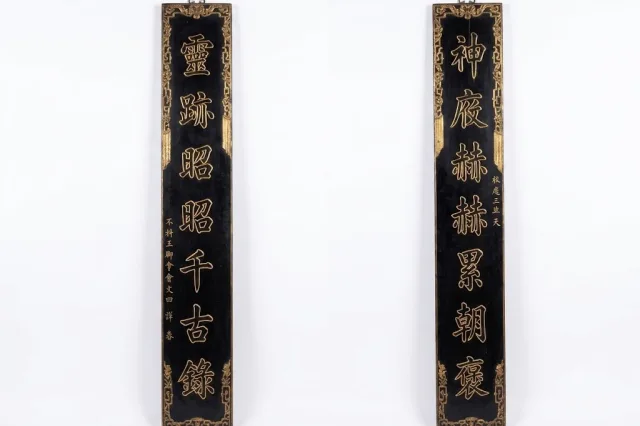
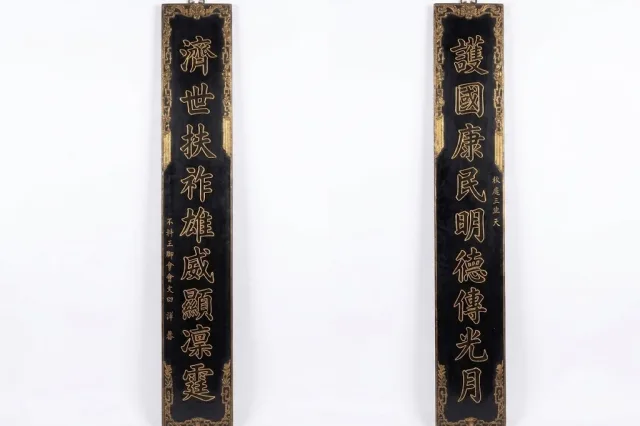
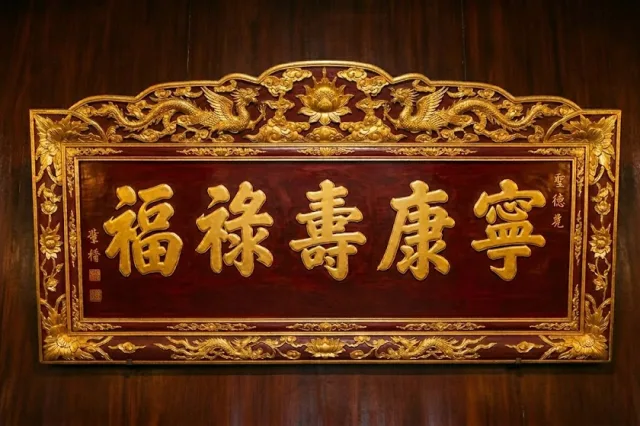
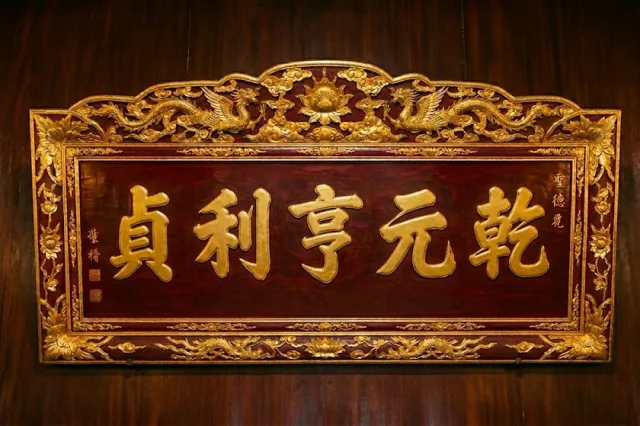
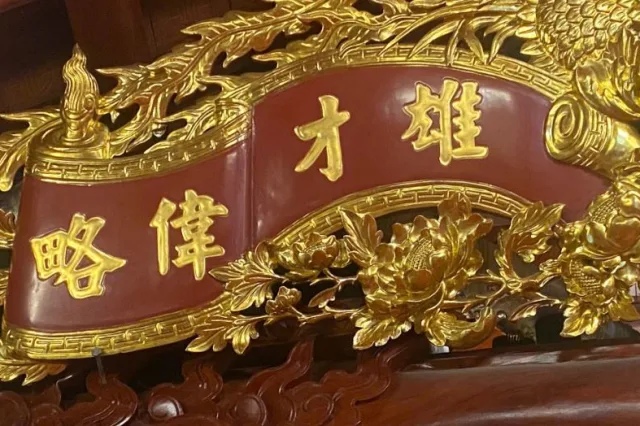
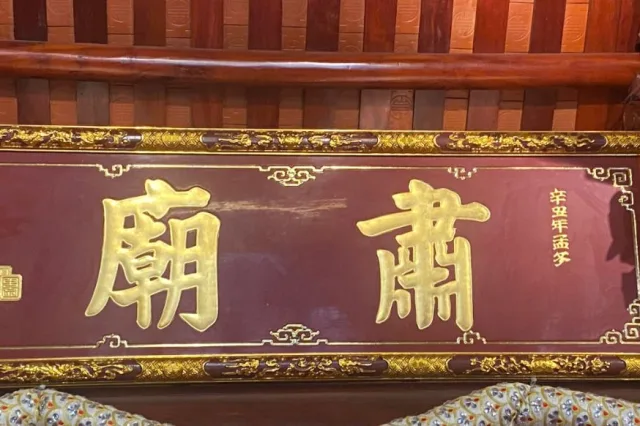
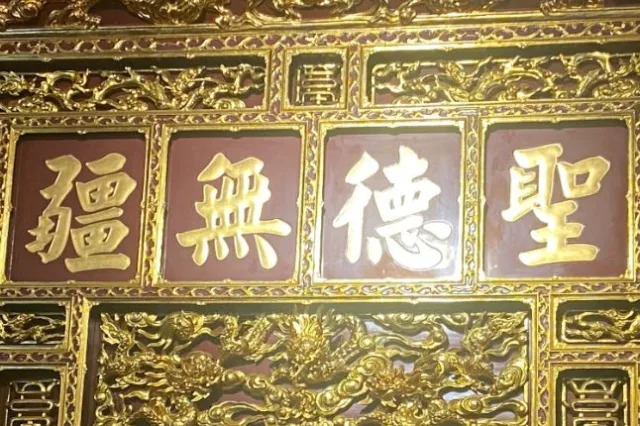
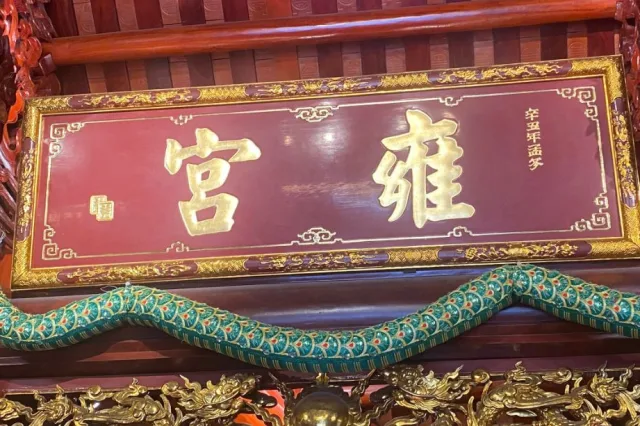
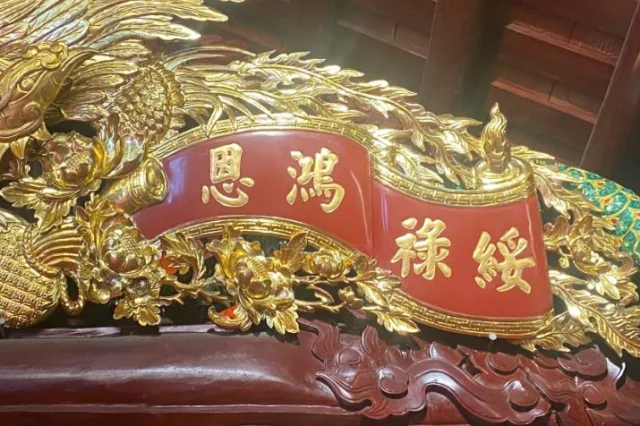
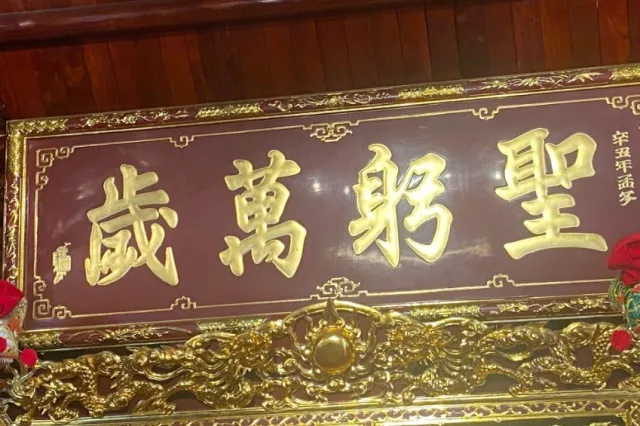
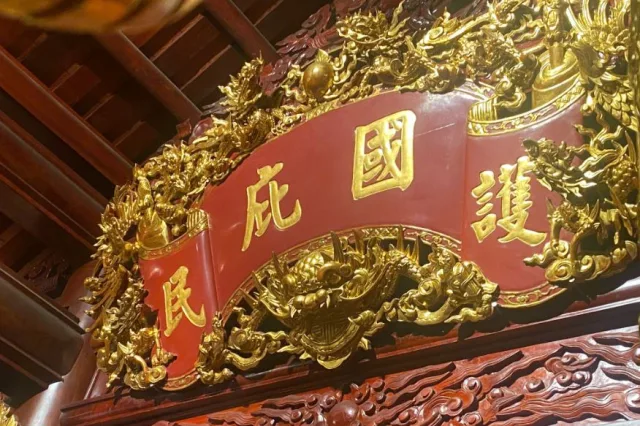
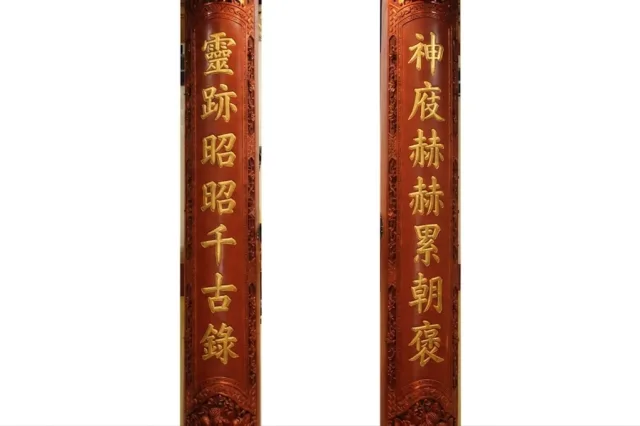
Đình Ngô Xá hiện vẫn lưu giữ được nhiều hiện vật cổ vật có giá trị, phục vụ cho việc nghiên cứu lịch sử, văn hóa và kiến trúc truyền thống. Trong đó có các hiện vật tiêu biểu như ngai thờ, bài vị, bộ bát biểu, cây nến gỗ và các tấm ván khắc chữ Hán Nôm. Những hiện vật này gắn trực tiếp với hoạt động thờ tự và phản ánh đời sống tín ngưỡng của cộng đồng qua nhiều thời kỳ.
Đáng chú ý, đình còn bảo lưu một đạo sắc phong có niên hiệu Minh Mệnh thứ 2 (1821), cùng 4 đạo sắc phong phục chế mang các niên hiệu Tự Đức thứ 3 (1850), Đồng Khánh thứ 2 (1887), Duy Tân thứ 3 (1909) và Khải Định thứ 9 (1924). Hệ thống sắc phong này là nguồn tư liệu quan trọng, cho thấy quá trình triều đình phong kiến ghi nhận và sắc phong cho các vị thần được thờ tại đình qua nhiều giai đoạn lịch sử.
Bên cạnh đó, một dấu tích có giá trị đặc biệt là hệ thống chân tảng đá kê cột còn lại từ ngôi đình cổ xưa. Những chân tảng này không chỉ có ý nghĩa về mặt kiến trúc mà còn là bằng chứng vật chất rõ ràng cho thấy niên đại và sự tồn tại lâu dài của di tích. Nhìn chung, các di vật hiện còn tại đình Ngô Xá góp phần làm rõ hơn lịch sử hình thành, phát triển cũng như đời sống văn hóa của địa phương qua các thời kỳ.
Lễ hội
Đình Ngô Xá cùng với Chùa Phúc Sơn (còn gọi là chùa Ngô Xá) tạo thành một quần thể di tích tín ngưỡng – tôn giáo gắn bó chặt chẽ với đời sống của người dân trong vùng. Sự tồn tại song song của đình và chùa trong cùng một không gian phản ánh rõ nét đặc trưng văn hóa truyền thống, nơi tín ngưỡng dân gian và Phật giáo cùng song hành, bổ sung cho nhau trong đời sống tinh thần của cộng đồng.
Hằng năm, lễ hội đình Ngô Xá được tổ chức vào ngày 15 đến 16 tháng Giêng âm lịch. Đây là dịp để người dân địa phương tưởng nhớ các vị Thành hoàng, đồng thời cầu mong một năm mới bình an, mùa màng thuận lợi. Lễ hội gồm hai phần chính: phần lễ và phần hội. Phần lễ diễn ra trang nghiêm với các nghi thức dâng hương, tế lễ theo truyền thống; phần hội diễn ra sôi nổi với nhiều hoạt động mang tính cộng đồng.
Khi tham gia lễ hội, người dân và du khách có thể hòa mình vào các trò chơi dân gian như kéo co, vật, chọi gà… Đây đều là những hoạt động quen thuộc trong sinh hoạt văn hóa làng quê, góp phần tạo không khí vui tươi, gắn kết cộng đồng. Bên cạnh đó, lễ hội còn có các hình thức diễn xướng dân gian như hát ví, hát ống với làn điệu mộc mạc, gần gũi, thể hiện rõ bản sắc văn hóa của vùng quê Kinh Bắc. Nhờ vậy, lễ hội không chỉ là hoạt động tín ngưỡng mà còn là dịp gìn giữ và truyền lại những giá trị văn hóa truyền thống cho các thế hệ sau.
Xếp hạng
Năm 2009, đình Ngô Xá được UBND tỉnh Bắc Giang ra Quyết định xếp hạng là Di tích lịch sử-văn hóa (Quyết định số 2487/QĐ-UBND, ngày 31 tháng 12 năm 2009).
Tài liệu tham khảo
- Việt Hà, 2025, Cao Thượng – Ngô Xá: Tình huynh đệ, nghĩa thâm giao, báo Bắc Ninh, truy cập tại: https://baobacninhtv.vn/bg/dulichbg/phong-tuc/308529/cao-thuong-ngo-xa-tinh-huynh-de-nghia-tham-giao.html
- Kim Anh, Phương Thảo, 2025, Lễ hội truyền thống đình Ngô Xá 2025, Cổng thông tin điện tử huyện Tân Yên, https://tanyen.bacninh.gov.vn/news/-/details/139381/le-hoi-truyen-thong-inh-ngo-xa-2025-31066470
Ngôn ngữ khác
Tiếng Anh
Ngo Xa Communal House (Cao Thuong, Bac Ninh)
Name and Geographical Location
Ngo Xa Communal House is located in Cao Xa commune, Tan Yen district, Bac Giang province, now administratively part of Cao Thuong commune, Bac Ninh province. Cao Thuong lies approximately 17 km northwest of Bac Ninh city center.
History and Historical Figures
Based on the current condition of the site and surviving documents, Ngo Xa Communal House was originally built during the Le dynasty, in the first year of the Chinh Hoa era (1680). Over time, due to weathering and historical upheavals, the structure gradually deteriorated. In 1990, local residents contributed funds and labor to restore the communal house, allowing it to be rebuilt in a more spacious and stable condition to meet the community’s spiritual needs.
The communal house is dedicated to Cao Son and Quy Minh Dai Vuong, who are revered as the village tutelary deities. According to legend, they were generals under King Hung Due Vuong and played a role in resisting the Shu invasion around the 3rd century BCE, helping to protect the country and bring peace to the people.
Beyond its religious significance, the communal house is also associated with important historical events. According to records in Bac Giang Gazetteer Dictionary (published in 2002 by the Bac Giang Department of Culture and Information in collaboration with UNESCO), during the early phase of the Yen The uprising, Ngo Xa Communal House served as a meeting place for Hoang Hoa Tham (De Tham) and his generals, including Hoang Dien An, Duong Van Hung, Duong Van Chieu, Nguyen Van An, and Giap Van Phuc, where they discussed strategies for force development.
During the resistance war against the French, the communal house continued to serve revolutionary purposes. It functioned as the first headquarters of the Military-Political School of Interzone I and as a workplace for the Bac Giang Provincial Resistance Administrative Committee during the period 1948–1954. These milestones demonstrate that Ngo Xa Communal House was not only a center of cultural and religious life but also played a significant role in the local struggle for independence.
Architecture and Landscape
At present, Ngo Xa Communal House follows a traditional “Nhi” (二)-shaped layout, consisting of two main structures: the front hall (tien dinh) and the rear sanctuary (hau cung). This arrangement is common in traditional Vietnamese communal house architecture, ensuring both communal space and the solemnity of the worship area.
The front hall is designed in a three-bay, two-wing structure, with a wide roof and gracefully curved corners, creating a sense of elegance and stability. This space is open and airy, serving as the venue for community activities such as meetings and ceremonies. It is directly connected to the rear sanctuary, forming a unified architectural axis.
The rear sanctuary consists of three compartments with a wooden frame supported by four sets of trusses. The roof structure uses the traditional “keo kim” system, enhancing the durability of the building. Overall, the architectural and decorative details are not overly elaborate but clearly reflect influences from two artistic periods: the Later Le Restoration (18th century) and the Nguyen dynasty (19th century), creating a distinctive character for the site.
A notable feature is a carved dragon motif preserved on a column in the front compartment of the rear sanctuary. The dragon is depicted with a softly curving body and clear lines, characteristic of Later Le artistic style. This detail is valuable in reflecting both craftsmanship and historical aesthetics.
Artifacts
Ngo Xa Communal House preserves a number of valuable artifacts that support research on history, culture, and traditional architecture. These include the worship throne, spirit tablets, ceremonial objects, wooden candle stands, and engraved wooden boards with Han-Nom inscriptions. These items are closely tied to ritual practices and reflect the spiritual life of the community over time.
Notably, the communal house retains one original royal decree dating to the 2nd year of the Minh Mang reign (1821), along with four restored decrees from the reigns of Tu Duc (3rd year, 1850), Dong Khanh (2nd year, 1887), Duy Tan (3rd year, 1909), and Khai Dinh (9th year, 1924). This system of royal decrees is an important source of documentation, demonstrating how successive feudal courts recognized and conferred titles upon the deities worshiped at the communal house.
Additionally, a significant remnant is the system of stone column bases from the original ancient structure. These bases not only hold architectural value but also serve as tangible evidence of the site’s age and long-standing existence. Overall, the surviving artifacts at Ngo Xa Communal House contribute to a clearer understanding of its formation, development, and the cultural life of the locality across different historical periods.
Festival
Ngo Xa Communal House, together with Phuc Son Pagoda (also known as Ngo Xa Pagoda), forms a closely connected complex of religious and cultural sites deeply embedded in local life. Their coexistence reflects a traditional cultural pattern in which folk beliefs and Buddhism complement each other within the spiritual life of the community.
Each year, the Ngo Xa Communal House festival is held on the 15th and 16th days of the first lunar month. This is an occasion for local people to commemorate the tutelary deities and pray for peace and prosperity in the new year. The festival consists of two main parts: the ceremonial rituals and the festive activities. The ritual section is conducted solemnly with incense offerings and traditional rites, while the festive section features lively communal activities.
Participants can engage in traditional folk games such as tug of war, wrestling, and cockfighting, all of which are familiar elements of rural cultural life and help foster a joyful and cohesive atmosphere. In addition, the festival includes folk performances such as vi singing and ong singing, with simple, rustic melodies that reflect the cultural identity of the Kinh Bac region. Thus, the festival serves not only as a religious event but also as a means of preserving and transmitting traditional cultural values to future generations.
Classification
In 2009, Ngo Xa Communal House was officially recognized by the Bac Giang Provincial People’s Committee as a provincial-level historical and cultural relic (Decision No. 2487/QD-UBND, dated December 31, 2009).
References
- Việt Hà, 2025, Cao Thượng – Ngô Xá: Tình huynh đệ, nghĩa thâm giao, báo Bắc Ninh, truy cập tại: https://baobacninhtv.vn/bg/dulichbg/phong-tuc/308529/cao-thuong-ngo-xa-tinh-huynh-de-nghia-tham-giao.html
- Kim Anh, Phương Thảo, 2025, Lễ hội truyền thống đình Ngô Xá 2025, Cổng thông tin điện tử huyện Tân Yên, https://tanyen.bacninh.gov.vn/news/-/details/139381/le-hoi-truyen-thong-inh-ngo-xa-2025-31066470
Tiếng Pháp
Maison communale Ngo Xa (Cao Thuong, Bac Ninh)
Nom et situation géographique
La maison communale Ngo Xa est située à l’origine dans la commune de Cao Xa, district de Tan Yen, province de Bac Giang, et appartient aujourd’hui à la commune de Cao Thuong, province de Bac Ninh. Cao Thuong se trouve à environ 17 km au nord-ouest du centre-ville de Bac Ninh.
Histoire et personnages
D’après l’état actuel du monument et les documents conservés, la maison communale Ngo Xa a été construite sous la dynastie des Le, au début de l’ère Chinh Hoa (1680). Au fil du temps, sous l’effet des conditions climatiques et des bouleversements historiques, l’édifice s’est progressivement dégradé. En 1990, les habitants de la commune ont contribué financièrement et matériellement à sa restauration, permettant ainsi de redonner à l’édifice une apparence plus digne et adaptée aux besoins cultuels de la communauté.
La maison communale est dédiée aux divinités Cao Son et Quy Minh Dai Vuong, considérées comme les génies tutélaires du village. Selon la tradition, il s’agirait de généraux ayant servi sous le règne du roi Hung Due Vuong et ayant participé à la lutte contre les armées de Thuc vers le IIIe siècle avant notre ère, contribuant à la défense du territoire et à la stabilité de la population.
Au-delà de sa fonction religieuse, la maison communale est également liée à des événements historiques importants. Selon l’ouvrage Dia chi Bac Giang tu dien (publié en 2002 par le Service de la Culture et de l’Information de Bac Giang et le Centre UNESCO), au début du mouvement insurrectionnel de Yen The, elle servit de lieu de réunion pour Hoang Hoa Tham (De Tham) et ses généraux tels que Hoang Dien An, Duong Van Hung, Duong Van Chieu, Nguyen Van An, Giap Van Phuc, entre autres, afin de planifier le développement des forces.
Durant la guerre de résistance contre la France, elle continua de jouer un rôle révolutionnaire. Elle fut le premier siège de l’École politico-militaire de la Zone interrégionale I, ainsi qu’un lieu de travail du Comité de résistance administrative de la province de Bac Giang entre 1948 et 1954. Ces faits témoignent de l’importance de la maison communale non seulement comme centre cultuel, mais aussi comme site historique majeur.
Architecture et paysage
Actuellement, la maison communale Ngo Xa présente un plan architectural en forme de caractère « Nhi » (二), comprenant deux bâtiments principaux : le pavillon antérieur (tien dinh) à l’avant et le sanctuaire (hau cung) à l’arrière. Cette disposition, courante dans l’architecture traditionnelle vietnamienne, permet de concilier espace communautaire et lieu de culte.
Le pavillon antérieur est construit selon un plan de trois travées et deux annexes latérales, avec une large toiture dont les quatre angles sont relevés en courbes élégantes. Cet espace, ouvert et aéré, est destiné aux activités collectives telles que les réunions et les cérémonies. Il est relié directement au sanctuaire arrière, formant un ensemble architectural cohérent.
Le sanctuaire comprend trois travées, avec une charpente en bois reposant sur quatre fermes (vi keo). Les éléments sont assemblés selon la technique traditionnelle dite « keo kim », assurant la solidité de l’ensemble. D’un point de vue stylistique, les éléments décoratifs, bien que relativement sobres, reflètent l’influence de deux périodes artistiques majeures : l’époque des Le restaurés (XVIIIe siècle) et celle des Nguyen (XIXe siècle).
Un détail remarquable est la présence d’une sculpture de dragon sur une colonne du sanctuaire. Le dragon, aux lignes souples et sinueuses, est caractéristique du style artistique de l’époque des Le restaurés. Cette œuvre constitue un témoignage précieux du savoir-faire artisanal et de l’esthétique traditionnelle.
Objets et vestiges
La maison communale conserve encore de nombreux objets anciens de valeur, utiles à l’étude de l’histoire, de la culture et de l’architecture traditionnelle. Parmi eux figurent des trônes cultuels, des tablettes votives, un ensemble de bannières rituelles, des chandeliers en bois et des panneaux gravés en caractères sino-nôm.
Un élément particulièrement important est un édit royal (sac phong) datant de la 2e année de l’ère Minh Menh (1821), ainsi que quatre copies d’édits portant les ères Tu Duc (1850), Dong Khanh (1887), Duy Tan (1909) et Khai Dinh (1924). Cet ensemble constitue une source documentaire essentielle sur la reconnaissance officielle des divinités par les dynasties vietnamiennes.
Par ailleurs, les bases de colonnes en pierre provenant de l’ancienne structure subsistent encore aujourd’hui. Elles représentent des témoins matériels importants attestant de l’ancienneté et de la continuité du site.
Fête traditionnelle
La maison communale Ngo Xa, en association avec la pagode Phuc Son (également appelée pagode Ngo Xa), forme un ensemble cultuel étroitement lié à la vie des habitants. Cette coexistence reflète la complémentarité entre croyances populaires et bouddhisme dans la culture traditionnelle vietnamienne.
Chaque année, la fête de la maison communale se tient du 15 au 16 du premier mois lunaire. Elle constitue une occasion pour les habitants d’honorer les génies tutélaires et de prier pour la paix et de bonnes récoltes.
La fête comprend deux parties : les rites (phan le), organisés de manière solennelle avec offrandes et cérémonies traditionnelles, et les festivités (phan hoi), animées par diverses activités communautaires. Les participants peuvent prendre part à des jeux populaires tels que le tir à la corde, la lutte ou les combats de coqs. Des formes de chant traditionnel comme le hat vi ou le hat ong sont également présentées, illustrant l’identité culturelle de la région de Kinh Bac.
Ainsi, la fête ne se limite pas à un événement religieux, mais joue aussi un rôle essentiel dans la préservation et la transmission des valeurs culturelles traditionnelles.
Classement
En 2009, la maison communale Ngo Xa a été classée monument historique et culturel par le Comité populaire de la province de Bac Giang (Décision n° 2487/QĐ-UBND du 31 décembre 2009).
Références
- Việt Hà, 2025, Cao Thượng – Ngô Xá: Tình huynh đệ, nghĩa thâm giao, báo Bắc Ninh, truy cập tại: https://baobacninhtv.vn/bg/dulichbg/phong-tuc/308529/cao-thuong-ngo-xa-tinh-huynh-de-nghia-tham-giao.html
- Kim Anh, Phương Thảo, 2025, Lễ hội truyền thống đình Ngô Xá 2025, Cổng thông tin điện tử huyện Tân Yên, https://tanyen.bacninh.gov.vn/news/-/details/139381/le-hoi-truyen-thong-inh-ngo-xa-2025-31066470
Tiếng Trung
吴舍亭(高上,北宁)
名称与地理位置
吴舍亭原属北江省新安县高社乡,今隶属北宁省高上社。高上距北宁市中心约17公里,位于西北方向。
历史与人物
根据现存遗迹及相关文献记载,吴舍亭始建于后黎时期,约为正和元年(1680年)。历经岁月侵蚀与历史变迁,建筑曾一度破损。至1990年,当地居民共同出资出力进行修缮,使其得以恢复,并继续满足社区的信仰与文化活动需求。
吴舍亭供奉高山神与贵明大王,两位被尊为村之城隍。据传,他们为雄王睿王时期的将领,在公元前三世纪抗击蜀军的战争中立有功勋,保卫国家并为百姓带来安定生活。
除宗教意义外,吴舍亭还与多项重要历史事件密切相关。据《北江地志词典》(北江省文化信息厅与联合国教科文组织中心,2002年出版)记载,在安世起义初期,这里曾是黄花探(提探)与黄田印、杨文雄、杨文昭、阮文安、甲文福等将领商议发展武装力量的重要地点。
在抗法战争时期,该亭继续被用于革命活动,曾是联区一区军事政治学校最早的驻地之一,同时也是1948年至1954年间北江省抗战行政委员会的办公场所。这些历史节点表明,吴舍亭不仅是信仰中心,也是地方革命历史的重要见证。
建筑与景观
现存吴舍亭整体平面呈“二”字形,由前殿(前亭)与后宫两部分组成。这种布局在传统乡村亭建筑中较为常见,既满足公共活动需求,又保持祭祀空间的庄重性。
前亭为三间两厢结构,屋顶宽阔,四角飞檐上翘,线条优美而稳重。此处为空间开敞的公共区域,用于集会与祭礼活动,并与后宫形成统一的建筑轴线。
后宫为三间木构建筑,设有四组梁架,采用传统“kèo kìm”结构增强稳定性。整体装饰虽不繁复,但仍清晰体现出后黎中兴时期(18世纪)与阮朝(19世纪)两大艺术风格的融合。
值得注意的是,后宫前间柱上仍保存有龙形雕刻,其造型线条流畅,风格典型,具有后黎中兴时期的艺术特征,是反映当时雕刻工艺与审美观念的重要实例。
文物
吴舍亭现存多种具有历史与文化价值的文物,包括神座、神位、八表仪仗、木制烛台以及刻有汉喃文字的木板。这些文物直接服务于祭祀活动,反映了不同时期的信仰实践。
其中尤为重要的是一份明命二年(1821年)的原始敕封,以及四份复刻敕封,分别对应嗣德三年(1850年)、同庆二年(1887年)、维新三年(1909年)和启定九年(1924年)。这些敕封文书为研究封建王朝对地方神祇的册封制度提供了重要史料。
此外,遗址中仍保留有古亭原有的石质柱础,这些构件不仅具有建筑意义,也是证明遗迹历史年代的重要物证。
节庆
吴舍亭与福山寺(亦称吴舍寺)共同构成一处紧密联系的宗教信仰综合体,体现了越南传统文化中民间信仰与佛教并存互补的特点。
每年农历正月十五至十六,吴舍亭举行传统节会。届时,民众祭祀城隍,祈求新年平安与丰收。节会分为“礼”与“会”两部分:礼仪部分庄严肃穆,包括上香与祭祀仪式;娱乐部分则热闹非凡。
活动内容包括拔河、摔跤、斗鸡等民间游戏,以及“唱维”“唱筒”等民间歌唱形式,旋律质朴,富有地方特色。这些活动不仅营造欢乐氛围,也有助于增强社区凝聚力,并传承京北地区的传统文化。
等级评定
2009年,吴舍亭被北江省人民委员会列为省级历史文化遗产(第2487/QĐ-UBND号决定,2009年12月31日)。
参考资料
- Việt Hà, 2025, Cao Thượng – Ngô Xá: Tình huynh đệ, nghĩa thâm giao, báo Bắc Ninh, truy cập tại: https://baobacninhtv.vn/bg/dulichbg/phong-tuc/308529/cao-thuong-ngo-xa-tinh-huynh-de-nghia-tham-giao.html
- Kim Anh, Phương Thảo, 2025, Lễ hội truyền thống đình Ngô Xá 2025, Cổng thông tin điện tử huyện Tân Yên, https://tanyen.bacninh.gov.vn/news/-/details/139381/le-hoi-truyen-thong-inh-ngo-xa-2025-31066470