Thời gian tổ chức
Lễ hội miếu Bà Chúa Xứ (còn gọi là lễ Vía Bà) được tổ chức hằng năm từ ngày 23 đến ngày 27 tháng Tư âm lịch, trong đó ngày 25 tháng Tư là ngày chánh lễ.
Lễ hội kéo dài nhiều ngày với các nghi thức truyền thống như lễ tắm tượng Bà, lễ rước bài vị từ lăng Thoại Ngọc Hầu, lễ Túc yết và lễ chính tế. Đến chiều ngày 27 tháng Tư, sau khi làm lễ hồi sắc đưa các bài vị trở lại lăng Thoại Ngọc Hầu, lễ hội chính thức kết thúc.
Địa điểm
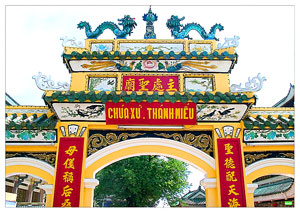
Lễ hội diễn ra tại Miếu Bà Chúa Xứ Núi Sam, thuộc phường Núi Sam, thành phố Châu Đốc, tỉnh An Giang.
Miếu nằm trong khu vực Núi Sam, cách trung tâm thành phố Châu Đốc khoảng 5 km. Núi Sam cao khoảng 237 m, chu vi khoảng 5.200 m, được xem là ngọn núi tiền tiêu của dãy Thất Sơn.
Khu vực này có quần thể di tích và danh thắng nổi tiếng như Chùa Tây An, Chùa Hang, Lăng Thoại Ngọc Hầu, cùng nhiều cảnh quan tự nhiên khác.
Lịch sử
Đối tượng được thờ phụng trong lễ hội là Bà Chúa Xứ, một vị thần được nhân dân Nam Bộ tôn kính. Tuy nhiên, cho đến nay vẫn chưa có tài liệu nào xác định rõ nguồn gốc và niên đại của pho tượng Bà cũng như thời điểm xây dựng miếu.
Theo lời kể của người dân địa phương, ngôi miếu đầu tiên được dựng bằng cây lá vào khoảng những năm 1820–1825.
Xung quanh nguồn gốc của tượng Bà Chúa Xứ có nhiều truyền thuyết khác nhau:
Một truyền thuyết kể rằng người dân vào núi đốn củi đã phát hiện một pho tượng đá nằm giữa rừng. Sau đó họ báo cho dân làng và cùng nhau đưa tượng về chân núi để lập miếu thờ.
Một truyền thuyết khác cho rằng Bà Chúa Xứ đã báo mộng cho dân làng, yêu cầu chọn chín cô gái đồng trinh lên đỉnh núi Sam để đưa tượng xuống. Khi những cô gái này lên núi, họ tìm thấy pho tượng đá trong tư thế ngồi, mặt nhìn thẳng về phía trước. Sau khi khiêng xuống, dân làng tắm rửa sạch sẽ và lập miếu thờ.
Cũng có truyền thuyết gắn việc xây dựng miếu với Thoại Ngọc Hầu, vị quan trấn thủ vùng biên giới Tây Nam dưới triều Minh Mạng. Tương truyền mỗi lần ông xuất quân đánh giặc, phu nhân thường đến miếu cầu khấn Bà phù hộ. Sau khi những lời khấn được cho là linh ứng, gia đình ông đã cho xây dựng lại ngôi miếu khang trang hơn và tổ chức lễ khánh thành trong các ngày 24, 25 và 26 tháng Tư âm lịch. Về sau, những ngày này trở thành lễ Vía Bà hằng năm.
Ngoài ra, cũng có ý kiến cho rằng lễ hội ban đầu là một lễ cầu mùa của cư dân nông nghiệp địa phương, diễn ra vào thời điểm bà con bắt đầu xuống giống. Theo thời gian, lễ cầu mùa này dần phát triển thành lễ hội Vía Bà thu hút đông đảo khách thập phương.
Về pho tượng Bà Chúa Xứ, hiện vẫn chưa xác định rõ xuất xứ. Tượng được tạc bằng loại đá xanh tốt, không giống đá ở vùng núi Sam. Theo nhận định của một số nhà khảo cổ học, dựa vào phong cách tạo hình, pho tượng có thể thuộc nghệ thuật trung cổ Ấn Độ. Đặc biệt, hình dáng ban đầu của tượng mang đặc điểm của một nam thần, cánh tay phải bị gãy và đã được phục chế lại bằng loại đá khác.
Phần lễ
Các nghi thức chính của lễ Vía Bà diễn ra liên tục từ ngày 23 đến 27 tháng Tư âm lịch.
Mở đầu là lễ Mộc dục (lễ tắm Bà) được cử hành vào nửa đêm 23 rạng ngày 24 tháng Tư. Đây là nghi thức thu hút đông đảo người tham dự nhất. Trong lễ này, tượng Bà được lau rửa bằng nước thơm pha hoa lài, quế và nước hoa. Sau khi tắm tượng, người ta thay bộ xiêm y mới cho Bà. Trước đây, y phục cũ của Bà thường được cắt nhỏ phát cho khách hành hương như một vật may mắn.
Tiếp theo là lễ rước bài vị từ lăng Thoại Ngọc Hầu về miếu Bà. Các bài vị được rước gồm bài vị của Thoại Ngọc Hầu, hai phu nhân của ông và một bài vị chung của các quan quân từng phục vụ dưới quyền ông. Đoàn rước có múa lân, cờ phướn và kiệu long đình sơn son thếp vàng.
Nghi thức quan trọng nhất là lễ Túc yết, diễn ra vào nửa đêm 25 rạng ngày 26 tháng Tư. Lễ vật dâng cúng gồm heo trắng, mâm trái cây, trầu cau, gạo muối cùng nhiều lễ phẩm khác. Nghi lễ được tiến hành theo trình tự: dâng hương, dâng rượu, dâng trà, đọc văn tế, sau đó hóa văn và giấy vàng bạc.
Ngay sau lễ Túc yết là lễ Xây chầu tại nhà võ ca. Sau phần cầu nguyện cho quốc thái dân an, mưa thuận gió hòa, chương trình hát bội được mở màn.
Đến 4 giờ sáng ngày 26 tháng Tư, lễ chính tế được cử hành với nghi thức tương tự lễ Túc yết.
Cuối cùng, vào chiều ngày 27 tháng Tư, ban quản trị làm lễ Hồi sắc, đưa các bài vị từ miếu trở lại Lăng Thoại Ngọc Hầu, kết thúc lễ hội.
Phần hội
Trong những ngày diễn ra lễ Vía Bà, khu vực từ thành phố Châu Đốc đến núi Sam luôn đông nghịt người. Hàng nghìn phương tiện nối đuôi nhau trên con đường dài khoảng 7 km dẫn đến núi Sam.
Khách hành hương đến từ nhiều nơi trong vùng đồng bằng sông Cửu Long, các tỉnh miền Đông Nam Bộ và cả miền Trung. Nhiều người đến để chiêm bái, cầu tài, cầu lộc và mong nhận được sự phù hộ linh thiêng của Bà Chúa Xứ.
Bên cạnh các nghi thức tín ngưỡng, lễ hội còn có nhiều hoạt động vui chơi giải trí như hát bội, biểu diễn nghệ thuật, ảo thuật, xiếc, trò chơi dân gian, cùng nhiều dịch vụ buôn bán, ăn uống phục vụ khách hành hương.
Trong những ngày hội, dọc theo con đường dẫn lên núi Sam xuất hiện hàng trăm cửa hàng, quán ăn và nơi lưu trú. Không khí lễ hội nhộn nhịp với cảnh người xe tấp nập, tạo nên một trong những lễ hội đông đúc nhất của Nam Bộ.
Giá trị
Miếu Bà Chúa Xứ Núi Sam là một trong những trung tâm tín ngưỡng lớn của Nam Bộ, thu hút hàng triệu lượt khách hành hương mỗi năm.
Lễ Vía Bà Chúa Xứ được xem là một trong những lễ hội lớn nhất ở khu vực Nam Bộ, có ảnh hưởng rộng rãi trong đời sống văn hóa và tín ngưỡng của người dân vùng đồng bằng sông Cửu Long.
Xếp hạng
Lễ Vía Bà Chúa Xứ núi Sam được UNESCO ghi danh là Di sản văn hóa phi vật thể nhân loại vào ngày 4/12/2024 tại Paraguay.
Tài liệu tham khảo
- Mai Thanh Hải (2004), Địa chí tôn giáo – lễ hội Việt Nam, Nxb Văn hóa thông tin.
- Thạch Phương – Lê Trung Vũ (2015), 60 Lễ hội truyền thống Việt Nam, Nxb Tổng hợp Thành phố Hồ Chí Minh.
- Vương Tuyền (Sưu tầm – tuyển chọn), 2009, Lễ hội dân gian Việt Nam, Nxb Văn hóa dân tộc.
Ngôn ngữ khác
Tiếng Anh
Time of Organization
The Ba Chua Xu Temple Festival (also known as the Lady’s Festival) is held annually from the 23rd to the 27th day of the fourth lunar month, with the main ceremony taking place on the 25th day.
The festival lasts several days and includes traditional rituals such as the statue bathing ceremony, the procession of tablets from Thoai Ngoc Hau’s mausoleum, the Tuc Yet ceremony, and the main ritual. On the afternoon of the 27th day, after the ritual of returning the tablets to Thoai Ngoc Hau’s mausoleum, the festival officially concludes.
Location
The festival takes place at Ba Chua Xu Temple on Sam Mountain, located in Nui Sam Ward, Chau Doc City, An Giang Province.
The temple lies within the Sam Mountain area, about 5 km from the center of Chau Doc City. Sam Mountain rises approximately 237 meters high, with a circumference of about 5,200 meters, and is considered a frontier mountain of the That Son range.
This area is home to a complex of historical sites and scenic attractions such as Tay An Pagoda, Hang Pagoda, Thoai Ngoc Hau Mausoleum, along with many natural landscapes.
History
The deity worshipped in this festival is Ba Chua Xu, a sacred figure deeply revered by the people of Southern Vietnam. However, there is still no definitive documentation identifying the origin or date of the statue, nor the exact time when the temple was first built.
According to local accounts, the earliest shrine was constructed from simple materials such as wood and leaves around 1820–1825.
There are several legends surrounding the origin of the statue:
One story tells that villagers discovered a stone statue deep in the forest while gathering firewood. They later brought it down to the foot of the mountain and built a shrine to worship it.
Another legend says that Ba Chua Xu appeared in a dream, instructing villagers to select nine virgin girls to carry the statue down from the top of Sam Mountain. When they arrived, they found the statue seated upright, facing forward. After bringing it down, the villagers bathed the statue and established a shrine.
A different account links the temple’s construction to Thoai Ngoc Hau, a mandarin who governed the southwestern frontier during the reign of Emperor Minh Mang. It is said that before going into battle, his wife would come to pray at the shrine for protection. After their prayers were believed to be answered, his family funded the reconstruction of the temple and organized an inauguration ceremony on the 24th, 25th, and 26th days of the fourth lunar month. These dates later became the annual festival period.
Another perspective suggests that the festival originally began as an agricultural ritual to pray for good harvests, held at the start of the planting season. Over time, it evolved into a large pilgrimage festival.
As for the statue itself, its origin remains unclear. It is carved from a type of green stone not native to Sam Mountain. Based on stylistic analysis, some archaeologists believe it may belong to medieval Indian art. Notably, the statue originally bore features of a male deity, with the right arm broken and later restored using a different type of stone.
Rituals (Ceremonial Section)
The main rituals of the festival take place continuously from the 23rd to the 27th day of the fourth lunar month.
The opening ritual is the Moc Duc (statue bathing ceremony), held at midnight between the 23rd and 24th. This is one of the most attended ceremonies. The statue is cleansed with perfumed water mixed with jasmine, cinnamon, and fragrance. Afterward, the statue is dressed in new garments. In the past, the old garments were cut into small pieces and distributed to pilgrims as lucky charms.
Next is the procession of tablets from Thoai Ngoc Hau’s mausoleum to the temple. These include the tablets of Thoai Ngoc Hau, his two wives, and a collective tablet for his officials and soldiers. The procession features lion dances, banners, and elaborately decorated palanquins.
The most important ritual is the Tuc Yet ceremony, held at midnight between the 25th and 26th. Offerings include a white pig, fruit trays, betel and areca, rice, salt, and other items. The ritual follows a sequence: incense offering, wine offering, tea offering, reading of the ceremonial text, and finally the burning of votive papers.
Immediately after is the Xay Chau ceremony at the traditional theater stage, followed by classical opera (hat boi) performances after prayers for peace, prosperity, and favorable weather.
At 4 a.m. on the 26th, the main ceremony is conducted with procedures similar to the Tuc Yet ritual.
Finally, on the afternoon of the 27th, the Hoi Sac ritual is performed to return the tablets to Thoai Ngoc Hau’s mausoleum, marking the end of the festival.
Festival Activities (Festive Section)
During the festival days, the route from Chau Doc City to Sam Mountain becomes extremely crowded, with thousands of vehicles lining the approximately 7-kilometer road.
Pilgrims come from across the Mekong Delta, the Southeast region, and even Central Vietnam. Many visit to worship, pray for wealth and prosperity, and seek blessings from Ba Chua Xu.
Alongside religious rituals, the festival also features various entertainment activities such as traditional opera (hat boi), artistic performances, magic shows, circus acts, folk games, and numerous food and commercial services catering to visitors.
During the festival, hundreds of shops, eateries, and accommodations appear along the road to Sam Mountain. The lively atmosphere, filled with crowds and traffic, makes it one of the busiest festivals in Southern Vietnam.
Value
Ba Chua Xu Temple on Sam Mountain is one of the largest spiritual centers in Southern Vietnam, attracting millions of pilgrims each year.
The festival is considered one of the most significant in the Mekong Delta, playing an important role in the cultural and spiritual life of local communities.
Recognition
The Ba Chua Xu Festival at Sam Mountain has been inscribed by UNESCO as an Intangible Cultural Heritage of Humanity.
References
- Mai Thanh Hải (2004), Địa chí tôn giáo – lễ hội Việt Nam, Nxb Văn hóa thông tin.
- Thạch Phương – Lê Trung Vũ (2015), 60 Lễ hội truyền thống Việt Nam, Nxb Tổng hợp Thành phố Hồ Chí Minh.
- Vương Tuyền (Sưu tầm – tuyển chọn), 2009, Lễ hội dân gian Việt Nam, Nxb Văn hóa dân tộc.
Tiếng Trung
举办时间
巴主处女神庙会(又称“巴圣诞祭”)每年在农历四月二十三日至二十七日举行,其中四月二十五日为正祭日。
整个节庆持续多日,包含多项传统仪式,如为神像沐浴的“沐浴礼”、从阮玉侯陵迎请牌位的迎神仪式、“宿夜祭”和“正祭”。至四月二十七日下午,在完成“回銮送位”仪式,将牌位送回阮玉侯陵后,节庆正式结束。
地点
节庆在巴主处女神庙(位于三山山麓)举行,隶属于安江省周督市三山坊。
该庙坐落在三山区域,距离周督市中心约5公里。三山海拔约237米,周长约5200米,被视为七山山脉的前哨山峰。
此地拥有众多著名遗迹与景观,如西安寺、洞寺、阮玉侯陵等,以及丰富的自然风貌。
历史
该节庆供奉的是巴主处女神,是越南南部人民广泛崇敬的一位神祇。然而至今尚无确切史料能够确定神像的来源及建庙年代。
据当地传说,最初的庙宇建于1820—1825年间,为一座简易的草木结构建筑。
关于神像来源,有多种不同说法:
一种说法认为,当地居民在山中砍柴时发现一尊石像,随后将其搬至山脚建庙供奉。
另一种说法称,女神曾托梦给村民,要求选取九位未婚少女登上三山山顶迎请神像下山。她们在山上发现一尊端坐、面向前方的石像,随后将其抬下山并建庙供奉。
还有一种传说将建庙与阮朝官员阮玉侯联系起来。据说其夫人在丈夫出征时常到庙中祈愿,后因“显灵应验”,阮玉侯家族出资重建庙宇,并在农历四月二十四至二十六日举行落成典礼,这也逐渐演变为今日的庙会。
此外,也有观点认为该节庆源于当地农业社会的祈年仪式,后逐渐发展为吸引各地民众参与的大型宗教节日。
关于神像本身,其材质为优质青石,并非当地石材。一些考古学者根据造型风格推测,该雕像可能属于印度中世纪艺术。值得注意的是,神像最初形象似为男性神祇,右臂曾断裂,后以其他石材修复。
仪式部分
节庆仪式从农历四月二十三日至二十七日连续进行。
首先是“沐浴礼”,于四月二十三日深夜至二十四日凌晨举行。该仪式吸引大量信众参与。神像以掺有茉莉、桂皮和香水的香水清洗,随后更换新衣。过去,旧衣常被剪成小块分发给香客,作为护身吉物。
接着是从阮玉侯陵迎请牌位至庙中的仪式。所迎牌位包括阮玉侯本人、其两位夫人及一块代表其部属的合祀牌位。队伍中有舞狮、旗幡与彩饰华丽的神轿。
最重要的仪式是“宿夜祭”,于四月二十五日深夜至二十六日凌晨举行。供品包括白猪、水果、槟榔、米盐等。仪式流程为上香、献酒、献茶、诵祭文,随后焚化祭文与纸钱。
紧接着举行“开场礼”,在戏台祈愿国泰民安、风调雨顺后,传统戏曲演出正式开始。
四月二十六日清晨四时举行“正祭”,仪式内容与宿夜祭相似。
最后,于四月二十七日下午举行“回銮送位”,将牌位送回阮玉侯陵,标志着节庆结束。
娱乐活动部分
节庆期间,从周督市至三山一带人潮涌动,通往山脚约7公里的道路上车辆络绎不绝。
来自九龙江三角洲、东南部及中部各地的信众纷纷前来参拜,祈求财运、福气与平安。
除宗教仪式外,节庆还包含多种娱乐活动,如传统戏曲表演、杂技、魔术及民间游戏,同时还有大量餐饮与商业服务。
节日期间,道路两旁布满商铺、餐馆与住宿点,形成热闹非凡的节庆氛围,是南部地区最为盛大的庙会之一。
价值
三山巴主处女神庙是越南南部重要的信仰中心之一,每年吸引数百万朝圣者。
巴圣诞祭被视为南部规模最大、影响最广的传统节庆之一,对当地文化与信仰生活具有重要意义。
级别
三山巴主处女神庙会已被联合国教科文组织列入人类非物质文化遗产名录。
参考资料
- Mai Thanh Hải (2004), Địa chí tôn giáo – lễ hội Việt Nam, Nxb Văn hóa thông tin.
- Thạch Phương – Lê Trung Vũ (2015), 60 Lễ hội truyền thống Việt Nam, Nxb Tổng hợp Thành phố Hồ Chí Minh.
- Vương Tuyền (Sưu tầm – tuyển chọn), 2009, Lễ hội dân gian Việt Nam, Nxb Văn hóa dân tộc.
Tiếng Pháp
Période d’organisation
La fete du sanctuaire de la Dame du Royaume (egalement appelee fete de la Via de la Dame) est organisee chaque annee du 23 au 27 du quatrieme mois lunaire, le 25 etant le jour principal.
La fete dure plusieurs jours avec de nombreux rituels traditionnels tels que la ceremonie du bain de la statue, la procession des tablettes depuis le mausolee de Thoai Ngoc Hau, la ceremonie de Tuc yet et la ceremonie principale. Dans l’apres-midi du 27, apres le rituel de retour des tablettes au mausolee de Thoai Ngoc Hau, la fete prend officiellement fin.
Lieu
La fete se deroule au sanctuaire de la Dame du Royaume du mont Sam, situe dans le quartier Nui Sam, ville de Chau Doc, province d’An Giang.
Le sanctuaire se trouve dans la zone du mont Sam, a environ 5 km du centre de Chau Doc. Le mont Sam, haut d’environ 237 metres et d’une circonference de 5 200 metres, est considere comme une montagne avancee de la chaine des That Son.
La region abrite egalement un ensemble de sites historiques et paysagers celebres tels que la pagode Tay An, la pagode Hang, le mausolee de Thoai Ngoc Hau, ainsi que de nombreux paysages naturels remarquables.
Histoire
La divinite veneree lors de cette fete est la Dame du Royaume, une figure sacree profondement respectee par les habitants du Sud du Vietnam. Toutefois, aucune source ne permet de determiner avec certitude l’origine ni la datation de la statue, ni la date exacte de construction du sanctuaire.
Selon les habitants, le premier sanctuaire, construit en materiaux vegetaux, remonterait aux annees 1820–1825.
Plusieurs legendes entourent l’origine de la statue :
L’une raconte que des habitants, partis couper du bois dans la montagne, decouvrirent une statue de pierre au cœur de la foret, puis la rapporterent au pied de la montagne pour y construire un sanctuaire.
Une autre legende affirme que la Dame apparut en reve aux villageois, leur demandant de choisir neuf jeunes filles vierges pour monter au sommet du mont Sam et descendre la statue. Elles trouverent la statue assise, regardant droit devant, puis la descendirent et les habitants lui eleverent un sanctuaire.
Une autre tradition associe la construction du sanctuaire a Thoai Ngoc Hau, gouverneur sous le regne de Minh Mang. On raconte que son epouse venait prier avant chaque campagne militaire. Apres des victoires attribuees a cette protection, la famille fit reconstruire le sanctuaire et organisa une inauguration les 24, 25 et 26 du quatrieme mois lunaire, devenues ensuite les dates de la fete annuelle.
Certains pensent aussi que la fete etait a l’origine une ceremonie agraire liee aux semailles, devenue progressivement une grande fete religieuse attirant de nombreux pelerins.
Quant a la statue, son origine reste incertaine. Sculptee dans une pierre verte de qualite, differente de celle du mont Sam, elle pourrait appartenir a l’art indien medieval. A l’origine, elle aurait represente une divinite masculine, avec un bras droit casse puis restaure avec une autre pierre.
Rituels
Les principaux rituels se deroulent du 23 au 27 du quatrieme mois lunaire.
La ceremonie d’ouverture est le bain de la statue (Moc duc), celebre a minuit dans la nuit du 23 au 24. La statue est lavee avec de l’eau parfumee au jasmin et a la cannelle, puis revetue de nouveaux vetements. Autrefois, les anciens vetements etaient distribues aux pelerins comme porte-bonheur.
Ensuite a lieu la procession des tablettes depuis le mausolee de Thoai Ngoc Hau jusqu’au sanctuaire, accompagnee de danses du lion, de bannieres et de palanquins richement ornes.
La ceremonie la plus importante est le Tuc yet, dans la nuit du 25 au 26. Les offrandes comprennent porc, fruits, betel, riz, sel et autres objets rituels. Le rituel suit un ordre precis : encens, vin, the, lecture de l’oraison puis combustion des papiers votifs.
Apres cela se tient la ceremonie Xay chau, marquant le debut des spectacles de theatre traditionnel.
A 4 heures du matin le 26, a lieu la ceremonie principale.
Enfin, dans l’apres-midi du 27, le rituel de retour des tablettes (Hoi sac) marque la fin de la fete.
Festivites
Pendant la fete, la zone entre la ville de Chau Doc et le mont Sam est tres animee. Des milliers de personnes et de vehicules convergent vers le site.
Les pelerins viennent de tout le delta du Mekong, du Sud-Est et meme du Centre du Vietnam pour prier la prosperite, la chance et la protection.
Outre les rituels religieux, la fete propose theatre traditionnel, spectacles, magie, cirque, jeux populaires ainsi que de nombreuses activites commerciales.
Des centaines de boutiques et de restaurants apparaissent le long de la route, creant une ambiance tres vivante et faisant de cette fete l’une des plus importantes du Sud du Vietnam.
Valeur
Le sanctuaire de la Dame du Royaume du mont Sam est l’un des plus grands centres de croyance populaire du Sud du Vietnam, attirant chaque annee des millions de pelerins.
La fete est l’une des plus importantes de la region, avec une forte influence sur la vie culturelle et spirituelle du delta du Mekong.
Classement
La fete de la Dame du Royaume du mont Sam a ete inscrite par l’UNESCO sur la liste du patrimoine culturel immateriel de l’humanite.
References
- Mai Thanh Hải (2004), Địa chí tôn giáo – lễ hội Việt Nam, Nxb Văn hóa thông tin.
- Thạch Phương – Lê Trung Vũ (2015), 60 Lễ hội truyền thống Việt Nam, Nxb Tổng hợp Thành phố Hồ Chí Minh.
- Vương Tuyền (Sưu tầm – tuyển chọn), 2009, Lễ hội dân gian Việt Nam, Nxb Văn hóa dân tộc.