

Chùa Phật Học tại Cần Thơ không chỉ là một điểm đến tâm linh quan trọng mà còn là biểu tượng của sự kết hợp giữa lịch sử lâu dài và sự phát triển đương đại trong đạo Phật. Được thành lập từ năm 1951, chùa đã trải qua nhiều giai đoạn biến động và phát triển, chứng kiến sự hiện diện của nhiều học giả và trụ trì xuất sắc.
Lược sử
Ban đầu, chùa được xây dựng với 3 tầng vào năm 1951, nhưng chính sự quan tâm và đóng góp của hòa thượng Thích Thiện Phước, người giữ chức trụ trì từ năm 1965, đã giúp chùa Phật Học trở thành một trung tâm tu tập và linh thiêng. Sau sự ra đi của hòa thượng Thích Thiện Phước, Đại đức Thích Minh Thông đã tiếp tục truyền thống lâu dài này, giữ vai trò trụ trì và đồng thời đưa chùa qua những giai đoạn phát triển mới.
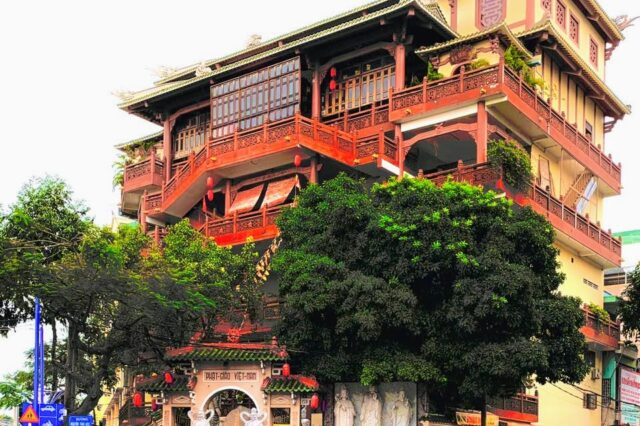
Giai đoạn từ 2012 đến 2014 là một chuỗi các cải tạo quan trọng của chùa, trong đó kiến trúc được nâng cấp thành 5 tầng với sự độc đáo và uy nghi, tạo nên một diện mạo mới mẻ và trang nghiêm cho ngôi chùa. Điều này không chỉ làm tăng giá trị nghệ thuật của công trình mà còn thể hiện sự cam kết vững bền với truyền thống Phật giáo.
Kiến trúc
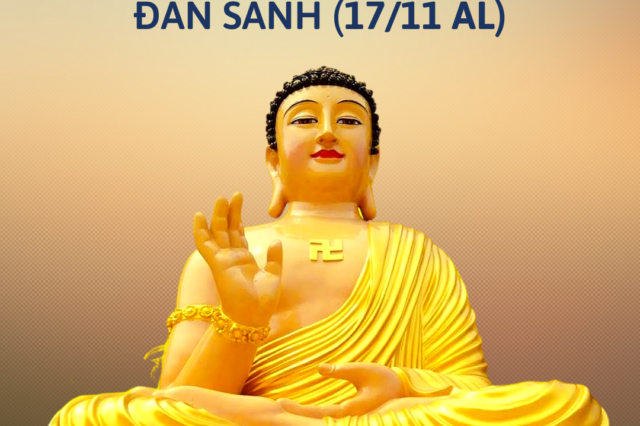
Kiến trúc của Chùa Phật Học Cần Thơ là một sự hòa quyện giữa vẻ đẹp truyền thống và sự hiện đại. Cổng tam quan với kiến trúc ấn tượng, tượng Phật và Bồ Tát, cây cổ thụ cổ kính – tất cả tạo nên một không gian linh thiêng. Khuôn viên xanh mát, với cây cổ thụ và tượng Phật A Di Đà, tạo ra không gian thư giãn và tĩnh lặng cho những người tìm kiếm sự yên bình.
Ngoài việc là nơi thực hành tâm linh, Chùa Phật Học Cần Thơ còn là trung tâm của nhiều hoạt động văn hóa và từ thiện. Các lễ hội Phật giáo như lễ Phật Đản, lễ Vu Lan luôn được tổ chức một cách trang trọng và thu hút đông đảo đạo hữu và du khách. Những chương trình từ thiện như tiệc chay, phát cơm chay miễn phí, và việc hỗ trợ cộng đồng địa phương cũng là những nhiệt huyết của ngôi chùa này.
Giá trị
Chùa Phật Học Cần Thơ không chỉ là nơi tôn giáo mà còn là một phần quan trọng của cộng đồng, nơi những giá trị văn hóa và tâm linh được nuôi dưỡng và truyền đạt từ thế hệ này sang thế hệ khác.
_________________________________
Các ngôn ngữ khác
Tiếng Anh (English)
Phat Hoc Pagoda in Can Tho is not only a significant spiritual destination but also a symbol of the combination of long-standing history and contemporary development in Buddhism. Established in 1951, the pagoda has gone through various periods of changes and development, witnessing the presence of many scholars and abbots.
Initially built with three floors in 1951, the attention and contributions of Venerable Thich Thien Phuoc, who held the abbot position from 1965, helped Phat Hoc Pagoda become a center for meditation and spirituality. After the passing of Venerable Thich Thien Phuoc, Venerable Thich Minh Thong continued this long tradition, serving as the abbot and leading the pagoda through new phases of development.
The period from 2012 to 2014 marked a series of significant renovations for the pagoda, with the architecture being upgraded to five floors, showcasing uniqueness and grandeur, giving the pagoda a fresh and solemn appearance. This not only increased the artistic value of the structure but also demonstrated a steadfast commitment to Buddhist traditions.
The architecture of Can Tho’s Phat Hoc Pagoda blends traditional beauty with modernity. The impressive triple gate, statues of Buddhas and Bodhisattvas, and venerable ancient trees collectively create a sacred space. The lush courtyard, adorned with ancient trees and a statue of Buddha Amitabha, provides a relaxing and tranquil environment for those seeking peace.
In addition to being a place for spiritual practice, Phat Hoc Pagoda in Can Tho is also a hub for various cultural and charitable activities. Buddhist festivals such as Vesak, Ullambana are celebrated with grandeur, attracting a large number of believers and tourists. Charitable programs, including vegetarian feasts, free vegetarian meals distribution, and support for the local community, are also integral aspects of the pagoda.
Phat Hoc Pagoda in Can Tho is not just a religious site but also an integral part of the community, where cultural and spiritual values are nurtured and passed down from generation to generation.
Tiếng Trung (Chinese)
梴宗法庙在芹苴市不仅是一个重要的灵性目的地,也是佛教悠久历史与当代发展结合的象征。成立于1951年,庙宇经历了各种时期的变革和发展,见证了许多学者和住持的存在。
最初于1951年以三层建筑,由于1965年起担任住持的Thich Thien Phuoc尊者的关注和贡献,Phat Hoc Pagoda成为冥想和灵性的中心。在Thich Thien Phuoc尊者去世后,Thich Minh Thong尊者继续了这一悠久的传统,担任住持一职,并领导庙宇度过了新的发展时期。
2012年至2014年间标志着庙宇的一系列重要翻新,建筑升级为五层,展示了独特和宏伟,使庙宇焕发新颜。这不仅增加了结构的艺术价值,还展示了对佛教传统的坚定承诺。
芹苴市梴宗法庙的建筑将传统美学与现代融为一体。令人印象深刻的三层大门,佛陀和菩萨的雕像,以及庄严的古老树木共同营造出一片神圣的空间。郁郁葱葱的庭院,点缀着古老的树木和阿弥陀佛的雕像,为寻求宁静的人们提供了一个轻松宁静的环境。
芹苴市梴宗法庙不仅是一个灵性实践的场所,还是各种文化和慈善活动的中心。佛教节庆如卫塞节和盂兰盆节都会隆重庆祝,吸引了大量信徒和游客。慈善项目,包括素食宴会、免费素食餐发放以及对当地社区的支持,也是庙宇的重要方面。
芹苴市梴宗法庙不仅是一个宗教场所,也是社区的不可或缺的一部分,培育并传承文化和精神价值从一代传递到下一代。
Tiếng Pháp (French)
Le pagode Phat Hoc à Can Tho n’est pas seulement une destination spirituelle significative, mais aussi le symbole de la combinaison entre une histoire longue et un développement contemporain dans le bouddhisme. Fondée en 1951, la pagode a traversé différentes périodes de changements et de développement, témoignant de la présence de nombreux érudits et abbés.
Initialement construite avec trois étages en 1951, l’attention et les contributions du vénérable Thich Thien Phuoc, qui a occupé le poste d’abbé à partir de 1965, ont contribué à faire de la pagode Phat Hoc un centre de méditation et de spiritualité. Après le départ du vénérable Thich Thien Phuoc, le vénérable Thich Minh Thong a continué cette longue tradition, servant en tant qu’abbé et guidant la pagode à travers de nouvelles phases de développement.
La période de 2012 à 2014 a marqué une série de rénovations significatives pour la pagode, avec une mise à niveau de l’architecture à cinq étages, montrant de l’unicité et de la grandeur, donnant à la pagode une apparence fraîche et solennelle. Cela a non seulement augmenté la valeur artistique de la structure mais a également démontré un engagement ferme envers les traditions bouddhistes.
L’architecture de la pagode Phat Hoc à Can Tho mélange la beauté traditionnelle avec la modernité. La triple porte impressionnante, les statues de Bouddhas et de Bodhisattvas, et les vénérables arbres anciens créent collectivement un espace sacré. La cour luxuriante, ornée d’arbres anciens et d’une statue du Bouddha Amitabha, offre un environnement relaxant et tranquille pour ceux qui recherchent la paix.
En plus d’être un lieu de pratique spirituelle, la pagode Phat Hoc à Can Tho est également un centre pour diverses activités culturelles et caritatives. Les festivals bouddhistes tels que Vesak et Ullambana sont célébrés avec faste, attirant un grand nombre de croyants et de touristes. Les programmes caritatifs, y compris les banquets végétariens, la distribution gratuite de repas végétariens et le soutien à la communauté locale, font également partie intégrante de la pagode.
La pagode Phat Hoc à Can Tho n’est pas seulement un site religieux mais aussi une partie intégrante de la communauté, où les valeurs culturelles et spirituelles sont cultivées et transmises de génération en génération.