

Tên gọi và vị trí địa lý
Lăng Xương Thọ (昌壽陵) hay lăng Từ Dụ là lăng mộ của Nghi Thiên Chương Hoàng hậu Phạm Thị Hằng (1810 – 1901), hay còn gọi là Từ Dụ thái hậu, vợ của vua Thiệu Trị, thân mẫu vua Tự Đức. Lăng nằm trong quần thể lăng Thiệu Trị, thuộc địa bàn thôn Cư Chánh, phường Thủy Bằng, quận Thuận Hóa, thành phố Huế.
Lịch sử và nhân vật
Lịch sử
Ngày mùng 5 tháng 4 năm Tân Sửu (tức ngày 22 tháng 5 năm 1901), Thái Thái Hoàng thái hậu Từ Dụ băng hà, hưởng thọ 91 tuổi. Đây là một đại tang của triều Nguyễn, bởi bà là bậc mẫu nghi cao nhất trong hoàng tộc, có vị trí đặc biệt trong lịch sử triều đình Huế.
Ngay ngày hôm sau, triều đình cho đặt án cúng tại cung Gia Thọ, mỗi ngày cử hành tế điện ba lần theo nghi lễ hoàng gia. Buổi tế sáng, vua Thành Thái thân hành đến làm lễ, sau đó giao cho các tôn tước luân phiên đảm trách việc tế tự. Đến ngày 27 cùng tháng, triều đình chính thức khởi sự công việc xây dựng sơn lăng.
Thực tế, từ trước đó, dưới triều vua Tự Đức, triều đình đã cho xây sẵn thạch thất huyền cung và tường thành gạch ba mặt tại khu đất Vạn Niên Đại Cát Cục, nằm bên trái Xương Lăng (lăng vua Thiệu Trị), thuộc sơn phận xã Cư Chánh, huyện Hương Trà. Các hạng mục này đã hoàn tất từ lâu, đến khi Thái Thái Hoàng thái hậu Từ Dụ qua đời mới được đưa vào sử dụng. Vua Thành Thái sai Thống chưởng Nhất vệ kinh binh Nguyễn Phúc Hồng Đơn trực tiếp chỉ huy việc chỉnh lý lại nền đá, giường đá và tường thành, toàn bộ công trình được tuân theo quy thức của lăng Hiếu Đông.
Tháng 5 năm ấy, triều đình ban bố rộng rãi ngày ninh lăng để trong ngoài cùng biết. Ngày 10 tháng 5 âm lịch, triều đình cử hành lễ dâng tôn thụy, tôn phong Thái Thái Hoàng thái hậu với thụy hiệu đầy đủ là: Nghi Thiên Tán Thánh Từ Dụ Bác Huệ Trai Túc Tuệ Đạt Thọ Đức Nhân Công Chương Hoàng hậu.
Ngày 22 tháng 5 âm lịch (tức ngày 7 tháng 7 năm 1901), đại lễ Ninh lăng được cử hành long trọng. Trước đó, ngày 19, triều đình làm lễ đề thần vị tại Thái điện tôn cung và khải cáo trước án cúng. Sang ngày hôm sau, hữu ty cho bắn bảy tiếng pháo làm hiệu, quan tài Hoàng thái hậu được cung thỉnh ra khỏi cung Gia Thọ. Vua Thành Thái cùng Hoàng thái hậu thân hành đến tiễn biệt. Linh cữu sau đó được đưa đến an táng tại huyền cung bên trái Xương Lăng (lăng vua Thiệu Trị). Lăng được đặt tên là Xương Thọ.
Sau lễ an táng, bài vị của Hoàng thái hậu Từ Dụ được an trí tại điện Lương Khiêm trong Khiêm Lăng (lăng vua Tự Đức). Khi nghi lễ hoàn tất, bài vị tiếp tục được thờ tại Biểu Đức điện trong khu Xương Lăng, đồng thời phối thờ tại Thế Miếu trong Hoàng thành Huế, thể hiện địa vị đặc biệt của bà trong hệ thống thờ tự hoàng gia triều Nguyễn.
Hiện nay, lăng Hoàng thái hậu Từ Dụ tọa lạc tại chân núi Thuận Đạo, thuộc làng Cư Chánh, phường Thủy Bằng, quận Thuận Hóa, thành phố Huế, cách Kinh thành Huế khoảng 8 km về phía tây nam.
Trong quá trình tồn tại, lăng mộ từng trải qua một biến cố nghiêm trọng. Năm 1983, lăng bị sáu đối tượng đào phá, lấy đi 18 (hoặc 19) báu vật tùy theo các nguồn ghi chép khác nhau. Sau đó, các đối tượng trộm mộ bị bắt giữ và số báu vật được thu hồi. Tuy nhiên, theo quyết định của tòa án ban hành ngày 26 tháng 12 năm 1988, toàn bộ số hiện vật này được đưa đi “hóa nghiệm” và sung vào công quỹ nhà nước.
Bước sang thế kỷ XXI, công tác bảo tồn di tích được quan tâm trở lại. Năm 2023, thông qua Quỹ Bảo tồn Di sản Huế, hậu duệ của Hoàng thái hậu Từ Dụ đã tài trợ hơn 6,9 tỷ đồng để trùng tu, tôn tạo lăng mộ. Công trình trùng tu hoàn thành vào năm 2024, góp phần khôi phục diện mạo và giá trị lịch sử – văn hóa của lăng Xương Thọ trong tổng thể quần thể di tích cố đô Huế.
Nhân vật thờ tự
Lăng Xương thọ thờ Thái hoàng Thái hậu Từ Dụ. Bà sinh ngày 20/6/1810 và mất ngày 22/5/1901 có tên húy là Phạm Thị Hằng. Bà là trưởng nữ của Lễ bộ Thượng thư Phạm Đăng Hưng.
Theo Đại Nam liệt truyện, năm 14 tuổi, bà được Thuận Thiên Cao Hoàng hậu (vợ vua Gia Long) tuyển làm phủ thiếp cho cháu trai trưởng là Hoàng tử Nguyễn Phúc Miên Tông (sau này là vua Thiệu Trị).
Sau khi Thiệu Trị lên ngôi, bà được vua hết mực yêu mến vì sự thông minh, chuẩn mực và ân cần. Vì vua Thiệu Trị không lập hậu nên đã ban kim sách (sách vàng) và tuyên phong bà làm Nhất giai Quý phi (đứng đầu hậu cung) vào năm 1846.
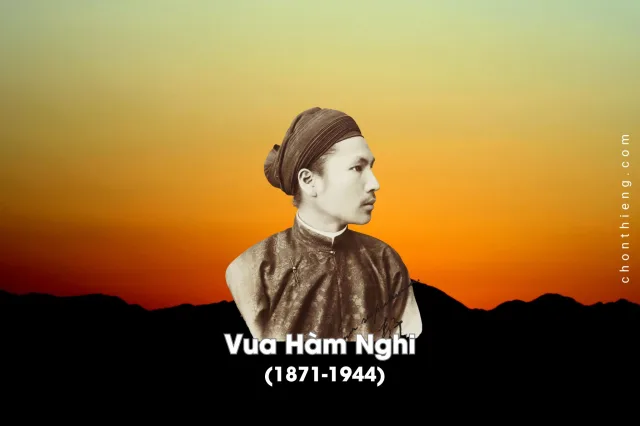
Bà cũng là chứng nhân lịch sử khi sống qua 8 đời vua triều Nguyễn gồm: Thiệu Trị, Tự Đức, Dục Đức, Hiệp Hòa, Kiến Phúc, Hàm Nghi, Đồng Khánh và Thành Thái. Năm 1901, Từ Dụ hoàng thái hậu qua đời dưới thời vua Thành Thái, thọ 91 tuổi.
Kiến trúc cảnh quan
Lăng Hoàng thái hậu Từ Dụ được kiến tạo với quy mô vừa phải, bố cục giản dị, trang nghiêm, phù hợp với thân phận mẫu nghi thiên hạ nhưng vẫn giữ sự tiết chế đặc trưng của kiến trúc lăng tẩm dành cho Hoàng thái hậu triều Nguyễn.
Tổng thể không gian lăng được tổ chức theo trục dọc truyền thống. Phía trước là hồ bán nguyệt, đóng vai trò yếu tố minh đường, vừa tạo khoảng thoáng mở cho cảnh quan, vừa góp phần cân bằng phong thủy cho toàn bộ khu lăng. Tiếp đến là ba tầng sân tế xếp lớp dần lên cao, dùng làm không gian cử hành các nghi lễ tế tự theo quy định của triều đình.
Khu vực trung tâm là Bửu thành, được xây dựng theo kết cấu hai lớp tường hình chữ nhật lồng vào nhau. Lớp tường ngoài cao khoảng 3,6 m, chu vi 89,4 m; lớp tường trong cao 2,65 m, chu vi 60,5 m. Cả hai lớp tường đều được xây kiên cố, tạo thành không gian bảo vệ khép kín cho phần mộ. Trước và sau Bửu thành đều đặt bình phong che chắn theo đúng quy thức lăng tẩm hoàng gia, vừa mang ý nghĩa nghi lễ, vừa giữ yếu tố phong thủy. Cửa ra vào Bửu thành được chế tác bằng đồng, thể hiện tính trang trọng và bền vững của công trình.
Bên trong Bửu thành là Bửu phong, được xây theo kiểu thạch thất, có hình thức và kết cấu tương tự Bửu phong tại lăng Gia Long. Cách kiến tạo này cho thấy sự kế thừa trực tiếp mô thức kiến trúc lăng tẩm truyền thống của triều Nguyễn trong giai đoạn đầu, đề cao tính bền vững và vẻ trang nghiêm hơn là sự cầu kỳ trang trí.
Theo quy định của triều đình, vào các dịp tế lễ hằng năm như lễ Phủ thổ, tiết Thanh Minh và lễ Yết cáo tại các tôn lăng, khu vực phía trước Bửu thành sẽ được dựng tạm huỳnh ốc để phục vụ nghi lễ. Nền móng của công trình tạm này đã được chuẩn bị sẵn với hệ thống chân tảng cố định, cho phép nhanh chóng thiết lập không gian tế tự mà vẫn bảo đảm sự thống nhất với tổng thể kiến trúc lăng.
Nhìn chung, kiến trúc lăng Hoàng thái hậu Từ Dụ không thiên về sự đồ sộ hay trang trí cầu kỳ, mà nhấn mạnh vào bố cục chuẩn mực, nghiêm cẩn và hài hòa với cảnh quan tự nhiên, phản ánh đúng vị thế, đức độ và phong cách sống tiết kiệm, mẫu mực của Hoàng thái hậu trong lịch sử triều Nguyễn.
Xếp hạng
Lăng Xương Thọ nằm trong Lăng Thiệu Trị (Xương Lăng) là một di tích trong Quần thể di tích cố đô Huế được UNESCO công nhận là di sản văn hóa thế giới ngày 11 tháng 12 năm 1993.
Tài liệu tham khảo
- Quốc sử quán triều Nguyễn (2005), Đại Nam liệt truyện, Tập 3, Nxb Thuận Hóa.
- Trần Thủy, “Hoàng Thái Hậu Từ Dụ – Từ người con gái đất Gò Công đến bậc mẫu nghi thiên hạ”, Thư viện tỉnh Đồng Nai, Ngày 25/02/2022.
- Võ Thạnh, “Lăng mộ hoàng thái hậu Từ Dụ sau trùng tu”, https://vnexpress.net/lang-mo-hoang-thai-hau-tu-du-sau-trung-tu-4759676.html, Ngày 20/6/2024.
Ngôn ngữ khác
Tiếng Anh (English)
Name and Geographical Location
Xuong Tho Mausoleum (昌壽陵), also known as the Tu Du Mausoleum, is the tomb of Nghi Thien Chuong Hoang Hau Pham Thi Hang (1810–1901), better known as Empress Dowager Tu Du—the consort of Emperor Thieu Tri and the mother of Emperor Tu Duc. The mausoleum is situated within the Thieu Tri mausoleum complex, in the area of Cu Chanh hamlet, Thuy Bang Ward, Thuan Hoa District, Hue City.
History and Historical Figures
Historical Background
On the 5th day of the 4th lunar month in the year Tan Suu (i.e., May 22, 1901), the Grand Empress Dowager Tu Du passed away at the age of 91. This was a major imperial mourning event of the Nguyen Dynasty, as she was the highest-ranking matriarch of the imperial clan and held a special place in the court history of Hue.
On the following day, the court set up an offering altar at Gia Tho Palace and conducted three daily rites in accordance with royal ceremonial protocol. At the morning rite, Emperor Thanh Thai personally officiated, then delegated subsequent observances to rotating members of the nobility. On the 27th of the same month, the court formally began the work of constructing the mountain tomb (son lang).
In fact, earlier—under Emperor Tu Duc—the court had already built a stone burial chamber (thach that huyen cung) and three-sided brick walls at a site known as Van Nien Dai Cat Cuc, located to the left of Xuong Lang (the mausoleum of Emperor Thieu Tri), within the mountain domain of Cu Chanh commune, Huong Tra district. These components had long been completed and were only put into use upon Tu Du’s death. Emperor Thanh Thai ordered Nguyen Phuc Hong Don, Commander of the First Guard of the capital troops, to directly supervise the re-leveling and adjustment of the stone foundation, stone bed, and surrounding walls, with the entire work carried out in accordance with the specifications of Hieu Dong Mausoleum.
In the fifth lunar month of that year, the court publicly announced the date of interment so that all could be informed. On the 10th day of the 5th lunar month, the court held the ceremony to confer the posthumous honorific title, granting the Grand Empress Dowager the full thuy hieu: Nghi Thien Tan Thanh Tu Du Bac Hue Trai Tuc Tue Dat Tho Duc Nhan Cong Chuong Hoang Hau.
On the 22nd day of the 5th lunar month (i.e., July 7, 1901), the grand interment ceremony (Ninh Lang) was solemnly conducted. Prior to this, on the 19th, the court performed the rite of establishing the spirit tablet at the ancestral hall (Thai dien ton cung) and made a formal announcement before the offering altar. The next day, the responsible office fired seven cannon shots as a signal, and the coffin of the Empress Dowager was respectfully escorted out of Gia Tho Palace. Emperor Thanh Thai and the Empress Dowager personally attended the farewell. The funeral procession then proceeded to inter the remains in the underground chamber to the left of Xuong Lang (Emperor Thieu Tri’s mausoleum). The tomb was named Xuong Tho.
After the burial, Tu Du’s spirit tablet was temporarily installed at Luong Khiem Hall within Khiem Lang (Emperor Tu Duc’s mausoleum). Once the rites were completed, it continued to be worshipped at Bieu Duc Hall in the Xuong Lang precinct, and was also jointly venerated at The Mieu in the Imperial City of Hue—an arrangement reflecting her exceptional status within the Nguyen imperial cult.
Today, the mausoleum of Empress Dowager Tu Du stands at the foot of Thuan Dao Mountain, in Cu Chanh village, Thuy Bang Ward, Thuan Hoa District, Hue City, about 8 km southwest of the Hue Imperial Citadel.
Over its history, the tomb experienced a serious incident. In 1983, six individuals broke into the mausoleum and stole 18 (or 19) treasures, depending on different sources. The grave robbers were later arrested and the artifacts recovered. However, under a court decision dated December 26, 1988, the entire collection was sent for “hoa nghiem” procedures and confiscated into the state treasury.
In the 21st century, conservation efforts regained attention. In 2023, through the Hue Heritage Conservation Fund, descendants of Empress Dowager Tu Du donated more than 6.9 billion VND to restore and enhance the mausoleum. The restoration was completed in 2024, contributing to the recovery of the historical and cultural value and the appearance of Xuong Tho Mausoleum within the overall Complex of Hue Monuments.
Worshipped Figure
Xuong Tho Mausoleum is dedicated to the Grand Empress Dowager Tu Du. She was born on June 20, 1810 and died on May 22, 1901; her personal name was Pham Thi Hang. She was the eldest daughter of Pham Dang Hung, Minister of Rites (Le bo Thuong thu).
According to Dai Nam liet truyen, at the age of 14 she was selected by Thuan Thien Cao Hoang Hau (consort of Emperor Gia Long) to become a secondary wife (phu thiep) of her eldest grandson, Prince Nguyen Phuc Mien Tong (later Emperor Thieu Tri).
After Thieu Tri ascended the throne, she was greatly favored for her intelligence, propriety, and attentiveness. Because Emperor Thieu Tri did not establish an empress, he issued a golden book (kim sach) and elevated her in 1846 to Nhat giai Quy phi (First-Rank Noble Consort), the highest position in the inner palace.
She was also a living witness to eight Nguyen reigns: Thieu Tri, Tu Duc, Duc Duc, Hiep Hoa, Kien Phuc, Ham Nghi, Dong Khanh, and Thanh Thai. In 1901, Empress Dowager Tu Du died during the reign of Thanh Thai at the age of 91.
Architectural Landscape
The mausoleum of Empress Dowager Tu Du was built on a moderate scale, with a simple and solemn layout befitting the “mother of the realm,” while maintaining the restraint characteristic of Nguyen-dynasty mausoleum architecture for an empress dowager.
The overall space is organized along a traditional longitudinal axis. At the front is a semicircular pond serving as the “bright hall” element—opening up the landscape, balancing the composition, and contributing to the site’s geomantic equilibrium. Next are three ascending ritual courtyards arranged in tiers, used for ceremonial offerings in accordance with court regulations.
The central area is the Buu Thanh (burial enclosure), constructed as two nested rectangular walls. The outer wall is about 3.6 m high with a circumference of 89.4 m; the inner wall is 2.65 m high with a circumference of 60.5 m. Both walls are solidly built, forming a closed protective space for the tomb. Screen walls (binh phong) are placed in front of and behind the Buu Thanh in accordance with royal funerary protocol, serving both ritual functions and feng shui requirements. The entrance gate to the Buu Thanh is made of bronze, underscoring the monument’s dignity and durability.
Inside the Buu Thanh is the Buu Phong, built in the form of a stone chamber, with a structure and appearance similar to the Buu Phong at Gia Long’s mausoleum. This approach demonstrates a direct inheritance of early Nguyen traditional mausoleum models, emphasizing permanence and solemnity rather than ornate decoration.
According to court regulations, for annual rites such as Phu Tho, the Qingming season (Tiet Thanh Minh), and the YeT Cao ceremonies at the imperial tombs, a temporary ceremonial structure (huynh oc) would be erected in front of the Buu Thanh to serve the rites. The foundation for this temporary building was pre-prepared with fixed stone bases, enabling rapid setup while maintaining coherence with the overall architectural ensemble.
Overall, the architecture of Empress Dowager Tu Du’s mausoleum does not pursue monumental scale or lavish ornamentation; instead, it emphasizes a correct and restrained composition, solemn order, and harmony with the natural setting—reflecting her status, virtue, and frugal, exemplary life as recorded in Nguyen dynasty history.
Classification
Xuong Tho Mausoleum, located within Thieu Tri Mausoleum (Xuong Lang), is a component of the Complex of Hue Monuments, which UNESCO inscribed as a World Cultural Heritage Site on December 11, 1993.
References
- Quốc sử quán triều Nguyễn (2005), Đại Nam liệt truyện, Tập 3, Nxb Thuận Hóa.
- Trần Thủy, “Hoàng Thái Hậu Từ Dụ – Từ người con gái đất Gò Công đến bậc mẫu nghi thiên hạ”, Thư viện tỉnh Đồng Nai, Ngày 25/02/2022.
- Võ Thạnh, “Lăng mộ hoàng thái hậu Từ Dụ sau trùng tu”, https://vnexpress.net/lang-mo-hoang-thai-hau-tu-du-sau-trung-tu-4759676.html, Ngày 20/6/2024.
Tiếng Pháp (Français’)
Nom et situation geographique
Le mausolee Xuong Tho (昌壽陵), egalement appele mausolee de Tu Du, est le tombeau de l’imperatrice Nghi Thien Chuong Hoang hau Pham Thi Hang (1810–1901), plus connue sous le nom de Tu Du Thai hau, epouse de l’empereur Thieu Tri et mere de l’empereur Tu Duc. Le mausolee se situe dans l’ensemble du mausolee de Thieu Tri, sur le territoire du hameau de Cu Chanh, quartier de Thuy Bang, arrondissement de Thuan Hoa, ville de Hue.
Histoire et personnages
Histoire
Le 5e jour du 4e mois de l’annee Tan Suu (soit le 22 mai 1901), la Thai Thai Hoang thai hau Tu Du deceda, a l’age de 91 ans. Il s’agissait d’un deuil majeur pour la cour des Nguyen, car elle etait la plus haute figure maternelle de la famille imperiale et occupait une place particuliere dans l’histoire de la cour de Hue.
Des le lendemain, la cour ordonna l’installation d’un autel d’offrandes au palais Gia Tho ; trois offices rituels etaient celebres chaque jour selon le protocole royal. Lors de l’office matinal, l’empereur Thanh Thai se rendait personnellement a la ceremonie, puis confiait aux princes et dignitaires la charge des rites par roulement. Le 27 du meme mois, la cour engagea officiellement les travaux de construction du mausolee de montagne (son lang).
En realite, sous le regne de Tu Duc, la cour avait deja fait edifier a l’avance une chambre funer aire souterraine en pierre (thach that huyen cung) ainsi qu’une enceinte de briques sur trois cotes, sur un terrain dit Van Nien Dai Cat Cuc, situe a gauche de Xuong Lang (mausolee de l’empereur Thieu Tri), dans la zone montagneuse de la commune de Cu Chanh, district de Huong Tra. Ces ouvrages etaient acheves depuis longtemps et ne furent utilises qu’au deces de Tu Du. L’empereur Thanh Thai chargea Nguyen Phuc Hong Don, commandant en chef de la Premiere garde de l’armee de la capitale, de diriger la remise en etat du dallage de pierre, du lit de pierre et des murailles ; l’ensemble fut execute selon le modele rituel du mausolee Hieu Dong.
Au mois de mai de la meme annee, la cour proclama publiquement la date de la ceremonie de mise au tombeau (ninh lang) afin que tous, a l’interieur comme a l’exterieur, en soient informes. Le 10e jour du 5e mois lunaire, la cour celebra le rite de conferer le titre posthume, attribuant a la Thai Thai Hoang thai hau le titre complet : Nghi Thien Tan Thanh Tu Du Bac Hue Trai Tuc Tue Dat Tho Duc Nhan Cong Chuong Hoang hau.
Le 22e jour du 5e mois lunaire (soit le 7 juillet 1901), la grande ceremonie de ninh lang fut celebree solennellement. Auparavant, le 19, la cour accomplit le rite de depot de la tablette spirituelle (than vi) au Thai dien ton cung et fit les declarations rituelles devant l’autel. Le lendemain, les services competents firent tirer sept coups de petards comme signal, puis le cercueil de l’imperatrice douairiere fut porte hors du palais Gia Tho. L’empereur Thanh Thai et l’Hoang thai hau se deplacerent personnellement pour les adieux. Le convoi funebre fut ensuite conduit a la chambre funer aire situee a gauche de Xuong Lang (mausolee de Thieu Tri). Le tombeau recut le nom de Xuong Tho.
Apres l’inhumation, la tablette de Tu Du fut d’abord installee au palais Luong Khiem du Khiem Lang (mausolee de Tu Duc). Une fois les rites acheves, elle fut ensuite veneree au Bieu Duc dien dans l’enceinte de Xuong Lang, et egalement associee au culte au The Mieu de la Cite Imperiale de Hue, attestant son statut exceptionnel dans le systeme cultuel royal des Nguyen.
Aujourd’hui, le mausolee de Tu Du se trouve au pied du mont Thuan Dao, dans le village de Cu Chanh, quartier de Thuy Bang, arrondissement de Thuan Hoa, ville de Hue, a environ 8 km au sud-ouest de la Citadelle de Hue.
Au cours de son existence, le tombeau a connu un incident grave : en 1983, six individus le profanerent et deroberent 18 (ou 19) objets precieux selon les sources. Les pilleurs furent arretes et les objets recuperes. Toutefois, selon une decision de justice datee du 26 decembre 1988, l’ensemble des pieces fut envoye pour « expertise » (hoa nghiem) et verse au tresor public.
Au XXIe siecle, la conservation du site fut de nouveau prise en compte. En 2023, via le Fonds de conservation du Patrimoine de Hue, des descendants de Tu Du financerent plus de 6,9 milliards de VND pour la restauration et la remise en valeur du mausolee. Les travaux s’acheverent en 2024, contribuant a restaurer l’apparence, ainsi que la valeur historique et culturelle du mausolee Xuong Tho au sein de l’ensemble des monuments de l’ancienne capitale de Hue.
Personnage honore
Le mausolee Xuong Tho est dedie a la Thai hoang Thai hau Tu Du. Nee le 20 juin 1810 et decedee le 22 mai 1901, elle portait le nom personnel Pham Thi Hang. Elle etait la fille ainee de Pham Dang Hung, ministre des Rites (Le bo Thuong thu).
Selon le Dai Nam liet truyen, a l’age de 14 ans, elle fut choisie par Thuan Thien Cao Hoang hau (epouse de Gia Long) comme concubine du palais (phu thiep) pour le petit-fils aine, le prince Nguyen Phuc Mien Tong (futur empereur Thieu Tri).
Apres l’accession de Thieu Tri, elle fut grandement appreciee pour son intelligence, sa rectitude et sa bienveillance. Comme Thieu Tri ne proclama pas d’imperatrice, il lui accorda un kim sach (livre d’or) et la nomma Nhat giai Quy phi (premier rang des concubines) en 1846.
Elle fut aussi un temoin historique ayant vecu sous huit regnes des Nguyen : Thieu Tri, Tu Duc, Duc Duc, Hiep Hoa, Kien Phuc, Ham Nghi, Dong Khanh et Thanh Thai. En 1901, elle s’eteignit sous le regne de Thanh Thai, a l’age de 91 ans.
Architecture et paysage
Le mausolee de Tu Du est concu a une echelle moderee, avec un plan simple et solennel, conforme a son statut de mere du royaume, tout en conservant la sobriete caracteristique des mausolees destines aux imperatrices douairieres sous les Nguyen.
L’espace est organise selon un axe longitudinal traditionnel. A l’avant se trouve un bassin en demi-lune jouant le role de « cour lumineuse » (minh duong) : il ouvre la perspective, equilibre le paysage et renforce la configuration geomantique. Viennent ensuite trois niveaux de cours rituelles s’elevant progressivement, destinees aux ceremonies de culte selon les regles de la cour.
Le noyau central est le Buu thanh, construit selon un systeme de deux enceintes rectangulaires emboitees. Le mur exterieur atteint environ 3,6 m de hauteur pour une perimetre de 89,4 m ; le mur interieur, haut de 2,65 m, a un perimetre de 60,5 m. Les deux enceintes, massives et soigneusement edifiees, forment une protection fermee autour de la sepulture. Devant et derriere le Buu thanh sont disposes des ecrans (binh phong) conformes au protocole des mausolees royaux, a la fois elements rituels et dispositifs feng shui. La porte d’acces du Buu thanh est en bronze, soulignant la solennite et la durabilite de l’ouvrage.
A l’interieur du Buu thanh se trouve le Buu phong, construit sous forme de chambre funeraire en pierre (thach that), dont la forme et la structure rappellent le Buu phong du mausolee de Gia Long. Ce choix atteste une filiation directe avec les modeles architecturaux des premiers mausolees Nguyen, privileg iant la solidite et la gravite plutot que l’ornementation.
Selon les prescriptions de la cour, lors des ceremonies annuelles telles que Phu tho, la fete de Thanh Minh, ou les rites de Yet cao dans les mausolees imperiaux, un pavillon provisoire (huynh oc) etait installe devant le Buu thanh pour servir aux rites. Les fondations de cette structure temporaire avaient ete preparees a l’avance, avec un systeme de bases de colonnes fixes (chan tang), permettant de mettre rapidement en place l’espace ceremonial tout en conservant l’unite avec l’ensemble architectural.
Dans l’ensemble, l’architecture du mausolee de Tu Du ne recherche ni la monumentalite ni un decor excessif ; elle met l’accent sur un plan regulier, une tenue ceremonielle stricte et une harmonie avec le cadre naturel, refle tant la position, la vertu et le mode de vie sobre et exemplaire de l’imperatrice douairiere dans l’histoire des Nguyen.
Classement
Le mausolee Xuong Tho, integre au mausolee de Thieu Tri (Xuong Lang), appartient a l’ensemble des monuments de l’ancienne capitale de Hue, inscrit au Patrimoine mondial de l’UNESCO le 11 decembre 1993.
References
- Quốc sử quán triều Nguyễn (2005), Đại Nam liệt truyện, Tập 3, Nxb Thuận Hóa.
- Trần Thủy, “Hoàng Thái Hậu Từ Dụ – Từ người con gái đất Gò Công đến bậc mẫu nghi thiên hạ”, Thư viện tỉnh Đồng Nai, Ngày 25/02/2022.
- Võ Thạnh, “Lăng mộ hoàng thái hậu Từ Dụ sau trùng tu”, https://vnexpress.net/lang-mo-hoang-thai-hau-tu-du-sau-trung-tu-4759676.html, Ngày 20/6/2024.
Tiếng Trung (中文)
名稱與地理位置
昌壽陵(昌壽陵)又稱慈裕陵,是懿天章皇后范氏恆(1810-1901)(亦稱慈裕太后,紹治帝之妻、嗣德帝之生母)之陵墓。陵址位於紹治陵園(昌陵)建築群之內,屬居正村地界,今隸順化市順化郡水榜坊。
歷史與人物
歷史
辛丑年四月初五(即1901年5月22日),太太皇太后慈裕崩逝,享壽九十一歲。此為阮朝之大喪,蓋其為皇族中位階最高之母儀,於順化朝廷史中具有特殊地位。
翌日,朝廷即於嘉壽宮設供案,每日依皇家禮制行殿祭三次。晨祭由成泰帝親臨行禮,旋即交由宗室諸爵輪番承辦祭祀。至同月二十七日,朝廷正式啟工營建山陵。
實則在此前嗣德朝時,朝廷已於萬年大吉局之地預先建成石室玄宮及三面磚城牆。該地位於昌陵(紹治帝陵)左側,屬居正社、香茶縣之山界。諸項工程早已竣工,至太太皇太后慈裕去世方啟用。成泰帝命統掌一衛京兵阮福洪丹直接指揮整飭石基、石榻與城牆,全部工程遵照孝東陵之規式。
是年五月,朝廷廣布寧陵日期,使內外咸知。陰曆五月初十,朝廷舉行上尊諡之禮,尊封太太皇太后之全諡為:懿天贊聖慈裕博惠齋肅慧達壽德仁功章皇后。
陰曆五月二十二(即1901年7月7日),隆重舉行寧陵大禮。此前十九日,朝廷於太殿尊宮行題神位之禮,並就供案啟告。翌日,有司鳴放七聲炮為號,奉迎皇太后梓宮出嘉壽宮。成泰帝與皇太后親臨送別。靈柩旋送至昌陵左側玄宮安葬。陵名曰昌壽。
安葬禮畢,慈裕皇太后神主先安置於謙陵(嗣德帝陵)之良謙殿。禮成後,神主續奉於昌陵區內之表德殿,同時配享於順化皇城之世廟,以示其在阮朝皇家祭祀體系中的特殊地位。
今慈裕皇太后陵位於順道山麓,屬居正村,今隸順化市順化郡水榜坊,距順化京城約八公里,位於西南方。
陵墓沿革中曾遭一重大變故。1983年,陵被六名歹徒盜掘,取走十八(或十九)件寶物,諸來源記載略有不同。其後盜墓者被捕,寶物亦被追回。然依1988年12月26日法院之裁定,該批文物全數被送往「化驗」,並充公入國庫。
進入二十一世紀後,遺產保護工作再度受到重視。2023年,經由順化遺產保護基金,慈裕皇太后後裔資助逾六十九億越盾,用於修復、整飾陵墓。修復工程於2024年完成,助於恢復昌壽陵在順化故都遺跡群整體中的面貌與歷史文化價值。
祭祀人物
昌壽陵奉祀太皇太后慈裕。其生於1810年6月20日,卒於1901年5月22日,諱范氏恆,為禮部尚書范登興之長女。
據《大南列傳》,其十四歲時,由順天高皇后(嘉隆帝之妻)選入,為皇長孫阮福綿宗(後為紹治帝)之府妾。
紹治帝即位後,因其聰慧端方、恩勤周至,深受寵愛。紹治帝未立皇后,遂於1846年頒金冊,冊封其為一階貴妃(後宮之首)。
其亦為歷史見證者,生平歷經阮朝八帝:紹治、嗣德、育德、協和、建福、咸宜、同慶、成泰。1901年,慈裕皇太后於成泰帝朝崩逝,享壽九十一歲。
建築景觀
慈裕皇太后陵規模適中,布局簡樸而莊嚴,契合母儀天下之身分,並保留阮朝皇太后陵寢建築特有之節制。
陵區整體空間沿傳統縱向中軸組織。前方為半月形水池,為明堂要素,既開闊景觀,又平衡全陵風水。其後為三層祭庭逐級升高,用作依朝廷規制舉行祭祀之空間。
核心區為寶城,採兩重長方形牆體相套之結構。外牆高約三點六米,周長八十九點四米;內牆高二點六五米,周長六十點五米。兩重牆體皆堅固砌築,形成封閉護衛墓域之空間。寶城之前後皆設屏風遮護,遵循皇家陵寢規式,兼具禮制意涵與風水功能。寶城出入口之門以銅製作,彰顯工程之莊重與耐久。
寶城之內為寶封,按石室式建造,其形制與結構近似嘉隆陵之寶封。此種作法顯示阮朝早期傳統陵制之直接承襲,著重堅固與莊嚴,而非繁縟裝飾。
依朝廷規定,每逢歲時祭禮,如府土禮、清明節及諸尊陵謁告之禮,寶城前方將臨時搭建黃屋以供儀式使用。該臨時建築之地基已預先備妥,設有固定柱礎,便於迅速設置祭祀空間,並確保與陵區整體建築之一致性。
總體而言,慈裕皇太后陵之建築不以宏偉或繁飾見長,而著重於規範布局、嚴謹氣度與自然景觀之和諧,恰如其在阮朝歷史中的地位、德行,以及節儉端範之生活風格。
等級認定
昌壽陵位於紹治陵(昌陵)之內,屬順化故都遺跡群之一部分;該遺跡群已於1993年12月11日獲聯合國教科文組織(UNESCO)認定為世界文化遺產。
參考資料
- Quốc sử quán triều Nguyễn (2005), Đại Nam liệt truyện, Tập 3, Nxb Thuận Hóa.
- Trần Thủy, “Hoàng Thái Hậu Từ Dụ – Từ người con gái đất Gò Công đến bậc mẫu nghi thiên hạ”, Thư viện tỉnh Đồng Nai, Ngày 25/02/2022.
- Võ Thạnh, “Lăng mộ hoàng thái hậu Từ Dụ sau trùng tu”, https://vnexpress.net/lang-mo-hoang-thai-hau-tu-du-sau-trung-tu-4759676.html, Ngày 20/6/2024.