

Tên gọi và vị trí địa lý
Điện Hòn Chén, còn gọi là Huệ Nam Điện, tọa lạc trên Núi Ngọc Trản, thuộc địa phận phường Kim Long, thành phố Huế, nhìn xuống dưới là dòng Sông Hương.
Ngọn núi này trước kia có tên là Hương Uyển Sơn, về sau đổi thành Ngọc Trản, nghĩa là “chén ngọc”. Trong dân gian, địa danh này thường được gọi là Hòn Chén, gắn với giai thoại kể rằng Minh Mạng từng đánh rơi một chiếc chén ngọc tại đây, từ đó hình thành nên tên gọi quen thuộc của ngôi điện.
Lịch sử và nhân vật
Giai thoại
Tương truyền, ngôi điện xưa từng được gọi là Hoàn Chén, mang ý nghĩa “trả lại chén ngọc”. Câu chuyện kể rằng trong một lần ngự thuyền lên vùng Núi Ngọc Trản bên bờ Sông Hương, Minh Mạng đã vô tình làm rơi một chiếc chén ngọc xuống sông. Khi mọi người tưởng rằng không thể tìm lại được, thì bỗng một con rùa lớn nổi lên từ mặt nước, ngậm chiếc chén ngọc trao trả cho nhà vua. Từ sự việc kỳ lạ ấy, dân gian gọi nơi này là Hoàn Chén, tức nơi chiếc chén ngọc được hoàn lại.
Tuy vậy, trong các văn bản và sắc phong chính thức của triều Nhà Nguyễn, ngôi điện lại được ghi với tên Ngọc Trản Sơn Từ, nghĩa là đền thờ trên núi Ngọc Trản. Đến thời Đồng Khánh (1886 – 1888), công trình được đổi tên thành Huệ Nam Điện, mang ý nghĩa ban ân huệ cho nước Nam. Trải qua thời gian dài gắn với nhiều truyền thuyết và giai thoại, trong dân gian ngôi điện vẫn quen được gọi là Điện Hòn Chén hay Điện Hoàn Chén, cả hai tên gọi đều phản ánh những lớp ký ức văn hóa gắn với địa danh này.
Lịch sử
Điện Hòn Chén vốn có nguồn gốc từ một đền thờ nữ thần của người Chăm trên Núi Ngọc Trản, bên bờ Sông Hương. Theo truyền thống tín ngưỡng Chăm Pa, nơi đây từng thờ Po Nagar, vị Nữ thần Mẹ xứ sở có vai trò đặc biệt trong đời sống tâm linh của người Chăm.
Theo truyền thuyết của người Chăm, Po Nagar là con gái của Ngọc Hoàng Thượng đế, được sai xuống trần gian để tạo dựng thế giới và dạy con người sinh sống. Bà được xem là người tạo ra đất đai, cây cối, lúa gạo, đồng thời ban cho con người những sản vật quý như trầm hương và kỳ nam, vốn được xem là biểu tượng cho sự linh thiêng của nữ thần. Hình tượng Po Nagar vì vậy gắn liền với vai trò mẹ sáng thế và mẹ bảo trợ cho cuộc sống cư dân bản địa.
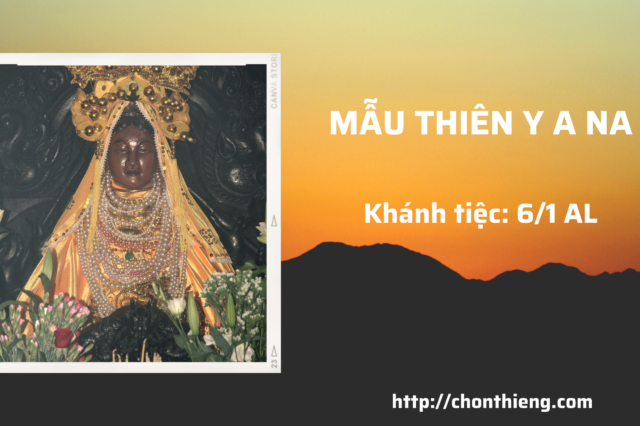
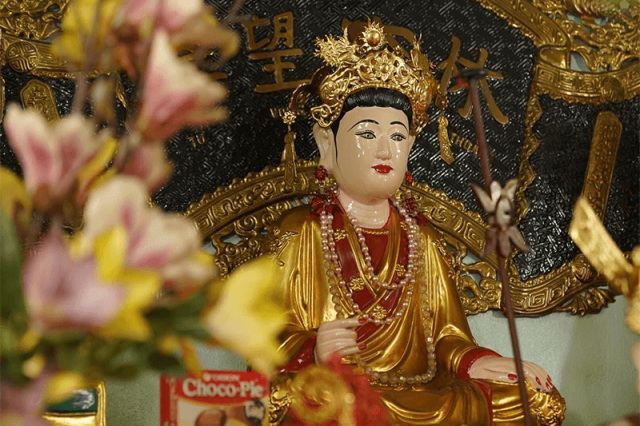
Sau khi người Việt tiến vào vùng đất Thuận Hóa – Phú Xuân, di tích tín ngưỡng này được tiếp nhận và hòa nhập vào hệ thống tín ngưỡng của người Việt. Quá trình này thể hiện rõ sự dung hợp tôn giáo và bản địa hóa tín ngưỡng. Nữ thần Po Nagar được người Việt thờ phụng dưới danh hiệu Thiên Y A Na, còn gọi là Thánh Mẫu Thiên Y A Na, một vị Mẫu thần bảo hộ xứ sở trong tín ngưỡng dân gian miền Trung. Để phiên âm tên Po Nagar trong văn tự Hán, các nho sĩ xưa đã sử dụng bốn chữ “Thiên Y A Na”, vừa gần với âm gốc vừa mang ý nghĩa tôn kính. Cùng với các trung tâm thờ tự khác như Tháp Bà Ponagar, điện Hòn Chén trở thành một địa điểm tiêu biểu của tín ngưỡng thờ Mẫu xứ sở.
Bên cạnh việc thờ Thiên Y A Na, điện Hòn Chén dần trở thành một không gian tín ngưỡng đa thần, tại đây còn thờ Mẫu Liễu Hạnh (còn gọi là Vân Hương Thánh Mẫu), được đưa vào thờ từ khoảng năm 1954. Ngoài ra, trong điện còn có các ban thờ Phật, Quan Vũ và hơn 100 vị thần linh khác, tạo nên một hệ thống thờ tự phong phú phản ánh sự giao thoa giữa Phật giáo, Đạo giáo và tín ngưỡng dân gian.
Trong lịch sử triều Nhà Nguyễn, điện Hòn Chén từng nhiều lần được tu sửa. Vào tháng 3 năm 1832, Minh Mạng đã cho tu bổ và mở rộng ngôi đền, và hai năm sau tiếp tục tiến hành trùng tu. Tuy nhiên, bước ngoặt lớn trong lịch sử của ngôi điện lại gắn liền với Đồng Khánh.
Trong giai đoạn 1883 – 1885, khi triều Nguyễn rơi vào hoàn cảnh chính trị phức tạp sau khi Tự Đức qua đời, Đồng Khánh lúc đó vẫn chưa được lên ngôi dù là con nuôi của Tự Đức. Tương truyền ông đã nhờ mẹ là Kiên Thái Vương phi đến đền Ngọc Trản cầu đảo và xin lời chỉ dẫn của Thánh Mẫu Thiên Y A Na, Thánh Mẫu đã báo rằng ông sẽ đạt được ngôi vị hoàng đế.
Sau khi lên ngôi, vào năm 1886, để tỏ lòng biết ơn, vua Đồng Khánh cho xây dựng lại ngôi đền một cách khang trang, đồng thời chế tác thêm nhiều đồ tự khí thờ cúng. Ông cũng đổi tên đền thành Huệ Nam Điện, mang ý nghĩa ban ân huệ cho nước Nam và vua Nam. Đặc biệt, nhà vua còn đưa lễ tế tại đây vào hàng quốc lễ, điều hiếm thấy đối với một cơ sở thờ tự mang màu sắc tín ngưỡng dân gian.
Đồng Khánh tự nhận mình là đệ tử của Thánh Mẫu Thiên Y A Na, thậm chí chỉ xưng “em” khi nói về vị nữ thần này. Trong quan niệm truyền thống, hoàng đế thường được xem là người đứng trên các thần linh trong quốc gia, nhưng tại điện Hòn Chén, Đồng Khánh lại thể hiện sự tôn kính đặc biệt đối với Thánh Mẫu. Hiện nay trong điện vẫn còn những bức tranh chân dung của vua Đồng Khánh được treo thờ, phản ánh mối liên hệ đặc biệt giữa vị vua này với ngôi điện.
Trải qua nhiều thế kỷ với những lớp tín ngưỡng chồng lớp lên nhau, điện Hòn Chén ngày nay không chỉ là một di tích tôn giáo quan trọng của Huế, mà còn là minh chứng sinh động cho quá trình giao thoa văn hóa giữa người Chăm và người Việt, cũng như sự hòa hợp giữa các truyền thống tín ngưỡng trong lịch sử vùng đất cố đô.
Kiến trúc cảnh quan
Điện Hòn Chén là một trong những di tích có sự kết hợp hài hòa giữa không gian tín ngưỡng và cảnh quan thiên nhiên đặc trưng của vùng Huế. Giá trị nổi bật của ngôi điện ở cách người xưa khéo léo lựa chọn địa thế và bố trí kiến trúc để hòa nhập với môi trường núi sông xung quanh, tạo nên một tổng thể phong cảnh giàu chất thơ.
Ngôi điện được dựng trên sườn đông nam của Núi Ngọc Trản, một ngọn núi nhỏ nằm bên bờ Sông Hương. Ngọn núi này thuộc nhánh núi thấp kéo dài từ Dãy Trường Sơn về phía đồng bằng Huế. Khi dòng sông Hương chặn ngang đầu dãy núi ở tả ngạn, địa thế nơi đây trở nên biệt lập, tạo thành một mỏm núi nhô ra bên bờ sông, cây cối xanh tốt, thế núi cao dốc và nhìn xuống đoạn sông sâu nhất của dòng Hương. Chính vị trí đặc biệt ấy đã được người xưa chọn làm nơi xây dựng đền thờ.
Tên gọi Ngọc Trản bắt nguồn từ việc tại đây có một hõm đất nhỏ, xung quanh được bao bọc bởi những phiến đá dựng đứng như thành giếng. Khi trời mưa, nước đọng lại trong lòng hõm, nhìn từ xa giống như một chiếc chén chứa đầy nước trong. Vì vậy, ngọn núi được gọi là Ngọc Trản (nghĩa là “chén ngọc”), còn trong dân gian thường gọi giản dị là Hòn Chén.
Theo một đạo sắc ban năm 1886, vua Đồng Khánh từng hình dung toàn bộ địa thế của khu vực này giống như một con sư tử đang nằm bên bờ sông, cúi đầu uống nước, một cách ví von nhằm nhấn mạnh vẻ linh thiêng và hùng vĩ của cảnh quan nơi đây.
Quần thể điện Hòn Chén gồm khoảng mười công trình kiến trúc nhỏ, phân bố dọc theo sườn núi thoai thoải, ẩn dưới những tán cây cổ thụ rậm rạp. Từ các công trình trên cao, những bậc cấp đá dẫn xuống bến nước bên sông. Mặt nước sông Hương ở đoạn này thường phẳng lặng, phản chiếu hình ảnh núi rừng và các kiến trúc của ngôi điện, tạo nên một khung cảnh yên tĩnh và thanh thoát. Khi thuyền cập bến và nhìn lên sườn núi, toàn bộ công trình hiện ra giữa màu xanh của rừng cây, gợi cảm giác như bước vào một không gian linh thiêng tách biệt với đời sống thường nhật.
Trong bố cục tổng thể, Minh Kính Đài là công trình trung tâm của quần thể, quay mặt ra sông. Bên phải của điện chính có Nhà Quan Cư, Trinh Cát Viện và Chùa Thánh; phía bên trái là Dinh Ngũ Vị Thánh Bà, bàn thờ Các Quan, động thờ ông Hạ Ban (ông Hổ) cùng Am Ngoại Cảnh. Ở gần bờ sông còn có Am Thủy Phủ, trong khi một số am nhỏ khác như Am Cô Ngọc Lan hay Am Trung Thiên được đặt rải rác trong khuôn viên, tạo thành một hệ thống thờ tự nhiều tầng bậc.
- Minh Kính Đài được xây dựng vào năm 1886 dưới triều vua Đồng Khánh, có mặt bằng khoảng 15 × 17 m. Công trình được chia thành ba lớp điện nối tiếp nhau theo trục từ sau ra trước.
- Phần phía sau là Minh Kính Cao Đài Đệ Nhất Cung (Thượng Điện), gồm hai tầng. Tầng trên là nơi thờ chính các vị thần linh quan trọng như Thiên Y A Na và Liễu Hạnh, cùng với ảnh thờ vua Đồng Khánh. Tầng dưới được dùng làm nơi sinh hoạt của người trông coi điện và tiếp khách.
- Tiếp theo là Minh Kính Trung Đài Đệ Nhị Cung (Cung Hội Đồng), nơi đặt một bệ thờ lớn thờ nhiều tượng thần linh khác nhau, trong đó có cả tượng Phật. Đây cũng là nơi lưu giữ các nghi trượng dùng trong những dịp lễ hội lớn của điện như võng Cung Nghinh Mẫu, Phụng Liễn và Long Đình.
- Phần phía trước là Minh Kính Tiểu Đài Đệ Tam Cung (Tiền Điện), không gian dùng để tiến hành nghi lễ. Tại đây đặt hương án lớn, hai bên có chuông và trống. Phía trước còn có mái hiên và khoảng sân nhỏ dành cho khách hành hương đứng dâng lễ.
Về trang trí kiến trúc, các công trình trong điện sử dụng khá nhiều hình tượng chim phượng trên bờ nóc và các chi tiết trang trí. Trong quan niệm truyền thống, phượng là loài chim tượng trưng cho nữ giới và vương quyền nữ thần, vì vậy mô-típ này đặc biệt phù hợp với một không gian thờ các Mẫu thần. Hình ảnh phượng cũng xuất hiện trên nhiều đồ tự khí và vật phẩm thờ cúng trong điện.
Phần lớn đồ thờ và các vật trang trí tại Minh Kính Đài đều có niên đại thời vua Đồng Khánh, phản ánh giai đoạn tu sửa lớn của ngôi điện vào cuối thế kỷ XIX. Nội thất được bày trí dày đặc với nhiều vật phẩm và biểu tượng tín ngưỡng khác nhau, tạo nên một không gian thờ tự vừa trang nghiêm vừa mang đậm sắc thái của tín ngưỡng dân gian xứ Huế.
Sự kiện và lễ hội
Lễ hội tại điện Hòn Chén gắn với việc thờ phụng Thiên Y A Na, vị Thánh Mẫu có từ khoảng thế kỷ XVI, mỗi năm lễ hội được tổ chức hai lần vào tháng ba và tháng bảy âm lịch.
Trước ngày chính lễ, dân làng tiến hành nghi thức nghinh thần, rước các vị thần trong làng về đình để tham dự tế lễ. Trong toàn bộ lễ hội, nghi thức rước Thiên Y A Na Thánh Mẫu từ điện Huệ Nam về đình làng Hải Cát là sự kiện trang trọng và thu hút đông đảo người tham dự nhất.
Lễ hội diễn ra như một không gian lễ hội dân gian lớn trên sông Hương. Hàng chục chiếc “bằng”, loại thuyền ghép đôi dùng trong nghi lễ được trang trí rực rỡ với cờ phướn, hương án và đồ thờ, nối nhau hành trình về điện Hòn Chén. Trong khu vực điện và làng Hải Cát diễn ra nhiều nghi lễ quan trọng như Thánh Mẫu tuần du, lễ tế làng Hải Cát, lễ cung nghinh Thánh Mẫu hồi loan về điện, cùng các nghi thức phóng sinh và thả hoa đăng trên sông.
Đám rước Thánh Mẫu được tổ chức trên những chiếc bằng lớn. Trên mỗi thuyền đặt bàn thờ và long kiệu rước sắc phong của Thánh Mẫu. Tiếp theo là thuyền rước các vị thần khác như Thượng Ngàn và Thủy Cung Thánh Mẫu. Sau đó là đoàn thuyền chở nghi trượng, tàn lọng, cờ quạt và các đồ lễ. Long kiệu của Thánh Mẫu thường do các thiếu nữ mặc lễ phục rực rỡ khiêng, đi cùng đoàn người mang hương án, bình trà, trầu cau, cờ biển, quạt và nhiều vật phẩm nghi lễ khác. Khi thuyền cập bến, đoàn rước chuyển từ đường thủy sang đường bộ, tiến về đình làng Hải Cát trong tiếng nhạc của phường bát âm.
Trong suốt hành trình, nhiều nghi thức hầu đồng được thực hiện trên thuyền và tại các điểm dừng. Khi đoàn rước hoàn tất nghi thức nghinh thần, dân làng tiến hành lễ Túc Yết theo nghi thức truyền thống để bày tỏ lòng tôn kính đối với các vị thần.
Các hoạt động lễ hội thường kéo dài suốt đêm. Trên mặt sông Hương và trước đình làng Hải Cát diễn ra các cuộc hát thờ, hầu bóng và trình diễn nghi lễ tín ngưỡng. Đến rạng sáng hôm sau, lễ chánh tế được cử hành trong khung giờ từ khoảng 2 đến 5 giờ sáng. Sau đó là lễ tống thần, kết thúc chuỗi nghi thức chính của lễ hội. Lúc này, mặt sông Hương trở nên nhộn nhịp với tiếng nhạc, pháo nổ và hàng trăm thuyền bè tham dự.
Trải qua nhiều biến động lịch sử, lễ hội điện Hòn Chén đã có thời gian bị gián đoạn. Tuy nhiên, trong những năm gần đây, lễ hội đã được khôi phục theo các nghi thức truyền thống, mang đậm bản sắc văn hóa dân gian địa phương. Người dân thường gọi lễ hội này là Lễ Vía Mẹ, bởi đây không chỉ là ngày lễ của những người theo Thiên Tiên Thánh Giáo hay tín ngưỡng thờ Mẫu, mà còn là dịp thể hiện đạo hiếu và lòng tôn kính đối với đấng Mẫu nghi trong quan niệm truyền thống.
Ngày nay, lễ hội điện Hòn Chén không chỉ mang ý nghĩa tâm linh mà còn trở thành một sự kiện văn hóa lớn của Huế, thu hút đông đảo du khách và người hành hương. Vào dịp lễ hội, du khách xuôi thuyền trên sông Hương đến núi Hòn Chén sẽ có cơ hội hòa mình vào không khí lễ nghi trang trọng và rực rỡ sắc màu. Qua đó có thể thấy rằng sức hấp dẫn của Huế không chỉ nằm ở hệ thống cung điện, lăng tẩm cổ kính, mà còn ở những lễ hội tín ngưỡng đặc sắc gắn liền với đời sống văn hóa của vùng đất cố đô.
Xếp hạng
Điện Hòn Chén đã được công nhận là di tích cấp Quốc gia theo Quyết định số 2009/1998 QĐ/BVHTT, ngày 26/9/1998 của Bộ Văn hóa Thông tin.
Tài liệu tham khảo
-
Phạm Đức Thành Dũng, “Điện Hòn Chén”, https://hueworldheritage.org.vn/Di-san/Chi-tiet/pid/487/cid/87?tid=Dien-Hon-Chen.html
- Điện Hòn Chén – Trang thông tin điện tử phường Vỹ Dạ.
- Điện Hòn Chén – Trung tâm Bảo tồn Di tích Cố đô Huế.
- Điện Hòn Chén và Lễ hội Hòn Chén ở Huế – ASEAN News
Ngôn ngữ khác
Tiếng Anh (English)
Name and Geographic Location
Dien Hon Chen, also known as Hue Nam Dien, is located on Mount Ngoc Tran within the territory of Kim Long Ward, Hue City, overlooking the Huong River.
This mountain was formerly called Huong Uyen Son and was later renamed Ngoc Tran, meaning “jade cup.” In folk tradition, the place is commonly referred to as Hon Chen, associated with a legend that Emperor Minh Mang once dropped a jade cup here, from which the familiar name of the shrine originated.
History and Figures
Legend
According to legend, the shrine was once called Hoan Chen, meaning “returning the jade cup.” The story recounts that during a royal boat trip to the area of Mount Ngoc Tran along the Huong River, Emperor Minh Mang accidentally dropped a jade cup into the river. When everyone believed it could not be recovered, a large turtle suddenly emerged from the water carrying the jade cup and returned it to the emperor. From this extraordinary event, the place came to be called Hoan Chen, meaning the place where the jade cup was returned.
However, in official documents and royal edicts of the Nguyen Dynasty, the shrine was recorded as Ngoc Tran Son Tu, meaning the temple on Mount Ngoc Tran. During the reign of Emperor Dong Khanh (1886–1888), the site was renamed Hue Nam Dien, meaning “bestowing grace upon the South.” Over time, despite official naming, in popular usage the shrine has continued to be known as Dien Hon Chen or Dien Hoan Chen, both names reflecting layers of cultural memory associated with this place.
History
Dien Hon Chen originated from a shrine dedicated to a female deity of the Cham people on Mount Ngoc Tran along the Huong River. According to Cham religious tradition, the site was once devoted to Po Nagar, the Mother Goddess of the land who held a particularly important role in the spiritual life of the Cham people.
In Cham mythology, Po Nagar was the daughter of the Jade Emperor who was sent to earth to create the world and teach humans how to live. She was believed to have created land, trees, and rice, and to have granted precious products such as agarwood and eaglewood, both regarded as sacred symbols of the goddess. Thus, Po Nagar became closely associated with the role of the primordial mother and protector of the local inhabitants.
After the Vietnamese expanded into the Thuan Hoa – Phu Xuan region, this religious site was adopted and integrated into Vietnamese belief systems. This process clearly reflects religious syncretism and the localization of beliefs. The goddess Po Nagar came to be worshipped by the Vietnamese under the title Thien Y A Na, also known as Thanh Mau Thien Y A Na, a protective Mother Goddess in Central Vietnamese folk religion. To transcribe the name Po Nagar into Sino-Vietnamese writing, scholars used the four characters “Thien Y A Na,” which both approximated the original sound and conveyed reverence. Together with other centers of worship such as the Ponagar Tower, Dien Hon Chen became one of the representative sites of the Mother Goddess worship tradition.
In addition to the worship of Thien Y A Na, Dien Hon Chen gradually developed into a multi-deity religious space. It also houses the worship of Mau Lieu Hanh (also known as Van Huong Thanh Mau), who was introduced into the shrine around 1954. Furthermore, the shrine contains altars dedicated to the Buddha, Quan Vu, and more than one hundred other deities, forming a diverse worship system reflecting the interaction between Buddhism, Taoism, and folk beliefs.
During the Nguyen Dynasty, Dien Hon Chen was renovated several times. In March 1832, Emperor Minh Mang ordered repairs and expansions of the temple, and two years later another restoration was conducted. However, the most significant turning point in the shrine’s history was associated with Emperor Dong Khanh.
Between 1883 and 1885, when the Nguyen court was facing complex political circumstances following the death of Emperor Tu Duc, Dong Khanh had not yet ascended the throne although he was Tu Duc’s adopted son. According to legend, he asked his mother, Kien Thai Vuong Phi, to go to the Ngoc Tran temple to pray and seek guidance from Thanh Mau Thien Y A Na. The goddess foretold that he would become emperor.
After ascending the throne, in 1886 Emperor Dong Khanh rebuilt the temple on a more magnificent scale as an act of gratitude and commissioned many additional ritual objects for worship. He also renamed the shrine Hue Nam Dien, meaning bestowing grace upon the land of the South and its ruler. Notably, he elevated the temple’s ceremonies to the status of national rites, which was rare for a religious site associated primarily with folk beliefs.
Dong Khanh considered himself a disciple of Thanh Mau Thien Y A Na and even referred to himself as her “younger brother.” In traditional concepts, the emperor was usually regarded as standing above the deities of the realm; however, at Dien Hon Chen he demonstrated exceptional reverence for the Mother Goddess. Portraits of Emperor Dong Khanh are still preserved and worshipped within the shrine today, reflecting the special connection between this emperor and the temple.
After centuries of layered religious traditions, Dien Hon Chen today is not only an important religious monument of Hue but also a vivid testament to the cultural interaction between the Cham and Vietnamese peoples, as well as the harmonious coexistence of multiple belief traditions in the history of the former imperial capital.
Architectural Landscape
Dien Hon Chen is one of the monuments that harmoniously combines sacred space with the natural landscape characteristic of the Hue region. The outstanding value of the shrine lies in how earlier builders skillfully selected the site and arranged the architecture to blend with the surrounding mountains and river, creating a poetic scenic ensemble.
The shrine stands on the southeastern slope of Mount Ngoc Tran, a small mountain located along the Huong River. This mountain belongs to a low ridge extending from the Truong Son Range toward the Hue plain. Where the Huong River cuts across the mountain ridge on its left bank, the terrain becomes isolated, forming a promontory projecting toward the riverbank, covered with lush vegetation, steep slopes, and overlooking the deepest section of the Huong River. This distinctive location was chosen by earlier inhabitants as the site for the temple.
The name Ngoc Tran originated from a small hollow in the ground surrounded by upright stone slabs resembling the walls of a well. When it rains, water collects in the hollow, appearing from afar like a cup filled with clear water. Therefore, the mountain came to be called Ngoc Tran (“jade cup”), while in folk usage it is simply called Hon Chen.
According to a royal decree issued in 1886, Emperor Dong Khanh imagined the entire landscape as resembling a lion lying beside the river with its head lowered to drink water, a metaphor emphasizing the sacred and majestic character of the scenery.
The complex of Dien Hon Chen includes about ten small architectural structures arranged along the gentle slope of the mountain and shaded beneath dense ancient trees. From the higher structures, stone stairways descend to the river landing. The surface of the Huong River in this section is usually calm, reflecting the surrounding forested hills and the shrine’s buildings, creating a tranquil and elegant atmosphere. When boats arrive at the landing and visitors look up the mountainside, the entire complex appears amid the greenery of the forest, evoking the feeling of entering a sacred space separated from everyday life.
In the overall layout, Minh Kinh Dai serves as the central structure of the complex, facing the river. To the right of the main shrine are Nha Quan Cu, Trinh Cat Vien, and Chua Thanh; to the left are Dinh Ngu Vi Thanh Ba, the altar of the Mandarins, the shrine of Ong Ha Ban (the Tiger deity), and Am Ngoai Canh. Near the riverbank stands Am Thuy Phu, while other smaller shrines such as Am Co Ngoc Lan and Am Trung Thien are scattered throughout the grounds, forming a multi-layered worship system.
Minh Kinh Dai was built in 1886 during the reign of Emperor Dong Khanh and has a ground plan measuring approximately 15 by 17 meters. The structure is divided into three successive sections along a front–rear axis.
The rear section is Minh Kinh Cao Dai De Nhat Cung (Upper Palace), consisting of two levels. The upper level serves as the principal sanctuary for major deities such as Thien Y A Na and Lieu Hanh, along with a portrait of Emperor Dong Khanh. The lower level functions as living quarters for the shrine caretakers and as a reception space for visitors.
Next is Minh Kinh Trung Dai De Nhi Cung (Council Hall), where a large altar houses numerous statues of different deities, including Buddha. This area also preserves ceremonial objects used during major festivals of the shrine, such as the palanquin for welcoming the Mother Goddess, the Phung Lien palanquin, and the Long Dinh ceremonial carriage.
The front section is Minh Kinh Tieu Dai De Tam Cung (Front Hall), which serves as the space for ritual ceremonies. A large incense altar is placed here, with a bell and drum on either side. In front of the hall is a veranda and a small courtyard where pilgrims stand to present offerings.
Architecturally, the buildings of the shrine feature many phoenix motifs along roof ridges and decorative elements. In traditional symbolism, the phoenix represents femininity and the authority of female deities, making this motif particularly appropriate for a shrine dedicated to Mother Goddesses. Phoenix imagery also appears on many ritual objects and sacred items within the shrine.
Most of the worship objects and decorative items in Minh Kinh Dai date back to the reign of Emperor Dong Khanh, reflecting the major renovation of the shrine in the late nineteenth century. The interior is densely arranged with various ritual objects and religious symbols, creating a sacred atmosphere imbued with the distinctive character of Hue folk religion.
Events and Festivals
The festival at Dien Hon Chen is associated with the worship of Thien Y A Na, a Mother Goddess venerated since around the sixteenth century. The festival is held twice each year, in the third and seventh lunar months.
Before the main festival day, villagers conduct the ritual of welcoming the deities, bringing local gods to the communal house to participate in the ceremonies. Throughout the festival, the procession carrying Thanh Mau Thien Y A Na from Hue Nam Temple to Hai Cat communal house is the most solemn and widely attended event.
The festival unfolds as a large folk celebration on the Huong River. Dozens of paired ceremonial boats known as “bang” are elaborately decorated with banners, altars, and ritual objects as they travel together toward Dien Hon Chen. Around the shrine and Hai Cat village, important rituals take place such as the Mother Goddess’s ceremonial tour, the offering ceremony of Hai Cat village, the ritual welcoming of the goddess back to the temple, as well as rites of releasing animals and floating lanterns on the river.
The procession of the Mother Goddess is carried out on large ceremonial boats. Each boat carries an altar and a palanquin bearing the royal decree of the goddess. Following it are boats carrying other deities such as Thuong Ngan and Thuy Cung Thanh Mau. Behind them come boats transporting ritual paraphernalia, ceremonial umbrellas, flags, and offerings. The palanquin of the Mother Goddess is usually carried by young women wearing colorful ceremonial costumes, accompanied by participants carrying incense tables, tea vessels, betel offerings, flags, fans, and many other ritual items. When the boats reach the landing, the procession continues on land toward Hai Cat communal house accompanied by the music of the traditional bat am ensemble.
Throughout the journey, numerous spirit mediumship rituals are performed both on the boats and at stopping points. Once the procession of welcoming the deities is completed, villagers perform the Tuc Yet ceremony according to traditional rites to express their reverence for the gods.
Festival activities often continue throughout the night. On the Huong River and in front of Hai Cat communal house, ritual singing, spirit mediumship performances, and other religious ceremonies take place. At dawn the following day, the main sacrificial rite is held between approximately 2 a.m. and 5 a.m., followed by the ritual of sending off the deities, which concludes the principal ceremonies of the festival. At that time the Huong River becomes lively with music, firecrackers, and hundreds of participating boats.
Despite historical interruptions, the festival of Dien Hon Chen has been revived in recent years according to traditional rituals, preserving the distinctive cultural identity of local folk religion. Local people commonly call this celebration Le Via Me (“Mother’s Anniversary Festival”), because it is not only a religious occasion for followers of Thien Tien Thanh Giao or the Mother Goddess tradition, but also a day expressing filial devotion and reverence toward the divine Mother figure in traditional belief.
Today, the festival of Dien Hon Chen carries not only spiritual significance but also serves as a major cultural event of Hue, attracting many pilgrims and visitors. During the festival, travelers sailing along the Huong River to Hon Chen Mountain can immerse themselves in the solemn yet colorful atmosphere of the ceremonies. This demonstrates that the attraction of Hue lies not only in its ancient palaces and imperial tombs but also in its distinctive religious festivals closely connected to the cultural life of the former imperial capital.
Classification
Dien Hon Chen was recognized as a National Monument under Decision No. 2009/1998 QD/BVHTT issued on September 26, 1998 by the Ministry of Culture and Information.
References
-
Phạm Đức Thành Dũng, “Điện Hòn Chén”, https://hueworldheritage.org.vn/Di-san/Chi-tiet/pid/487/cid/87?tid=Dien-Hon-Chen.html
- Điện Hòn Chén – Trang thông tin điện tử phường Vỹ Dạ.
- Điện Hòn Chén – Trung tâm Bảo tồn Di tích Cố đô Huế.
- Điện Hòn Chén và Lễ hội Hòn Chén ở Huế – ASEAN News
Tiếng Pháp (Français)
Nom et situation géographique
Le Dien Hon Chen, également appelé Hue Nam Dien, est situé sur le mont Ngoc Tran, dans le quartier Kim Long de la ville de Hue, dominant le cours de la rivière Huong.
Cette montagne portait autrefois le nom de Huong Uyen Son, puis fut renommée Ngoc Tran, signifiant « coupe de jade ». Dans la tradition populaire, ce lieu est souvent appelé Hon Chen, nom lié à une légende selon laquelle l’empereur Minh Mang y aurait laissé tomber une coupe de jade, donnant ainsi naissance à l’appellation familière du sanctuaire.
Histoire et personnages
Légende
Selon la tradition, le sanctuaire était autrefois appelé Hoan Chen, signifiant « rendre la coupe de jade ». L’histoire raconte que lors d’une excursion en bateau impérial vers la région du mont Ngoc Tran, au bord de la rivière Huong, l’empereur Minh Mang fit accidentellement tomber une coupe de jade dans le fleuve. Alors que tous pensaient qu’elle était perdue à jamais, une grande tortue surgit soudain de l’eau, tenant la coupe dans sa gueule et la rapporta à l’empereur. À la suite de cet événement extraordinaire, le peuple appela cet endroit Hoan Chen, c’est-à-dire le lieu où la coupe de jade fut restituée.
Cependant, dans les documents officiels et les édits de la dynastie Nguyen, le sanctuaire est mentionné sous le nom de Ngoc Tran Son Tu, signifiant « temple situé sur le mont Ngoc Tran ». Sous le règne de l’empereur Dong Khanh (1886-1888), l’édifice fut renommé Hue Nam Dien, ce qui signifie « accorder des bienfaits au pays du Nam ». Au fil du temps, malgré les différents noms officiels, la population continue de l’appeler Dien Hon Chen ou Dien Hoan Chen, deux appellations qui reflètent les différentes couches de mémoire culturelle associées à ce lieu.
Histoire
Le Dien Hon Chen trouve son origine dans un ancien temple dédié à une déesse cham situé sur le mont Ngoc Tran, au bord de la rivière Huong. Selon la tradition religieuse du Champa, cet endroit était consacré au culte de Po Nagar, la déesse-mère du pays, occupant une place centrale dans la vie spirituelle du peuple cham.
D’après la légende cham, Po Nagar était la fille de l’Empereur céleste Ngoc Hoang Thuong De, envoyée sur terre pour créer le monde et enseigner aux humains comment vivre. Elle est considérée comme la créatrice des terres, des arbres et du riz, et comme celle qui offrit aux hommes des produits précieux tels que le bois d’aloès parfumé et le ky nam, symboles sacrés associés à la déesse. L’image de Po Nagar est ainsi liée au rôle de mère créatrice et protectrice de la vie des habitants autochtones.
Lorsque les Vietnamiens s’installèrent dans la région Thuan Hoa – Phu Xuan, ce lieu de culte fut intégré au système religieux vietnamien. Ce processus reflète une fusion religieuse et une localisation culturelle des croyances. La déesse Po Nagar fut alors vénérée sous le nom de Thien Y A Na, également appelée Thanh Mau Thien Y A Na, une déesse-mère protectrice dans la religion populaire du centre du Vietnam. Pour transcrire le nom Po Nagar dans l’écriture sino-vietnamienne, les lettrés utilisèrent les quatre caractères Thien Y A Na, qui reproduisaient approximativement la prononciation originale tout en exprimant un sens respectueux. Avec d’autres centres cultuels tels que la tour Ponagar, le Dien Hon Chen devint un lieu emblématique du culte de la Déesse-Mère du pays.
Outre le culte de Thien Y A Na, le sanctuaire devint progressivement un espace religieux polythéiste. On y vénère également Mau Lieu Hanh (aussi appelée Van Huong Thanh Mau), introduite dans le temple vers 1954. En outre, le sanctuaire abrite des autels consacrés au Bouddha, à Quan Vu, ainsi qu’à plus de cent autres divinités, formant un système cultuel riche qui reflète l’interaction entre le bouddhisme, le taoïsme et les croyances populaires.
Sous la dynastie Nguyen, le Dien Hon Chen fut restauré à plusieurs reprises. En mars 1832, l’empereur Minh Mang ordonna la restauration et l’agrandissement du temple, puis entreprit une nouvelle rénovation deux ans plus tard. Toutefois, le tournant majeur dans l’histoire du sanctuaire est lié à l’empereur Dong Khanh.
Entre 1883 et 1885, après la mort de l’empereur Tu Duc, la cour Nguyen traversait une période politique complexe. Dong Khanh, bien qu’adopté par Tu Duc, n’était pas encore monté sur le trône. Selon la tradition, il demanda à sa mère, la Kien Thai Vuong Phi, de se rendre au temple du mont Ngoc Tran pour prier et solliciter l’oracle de Thanh Mau Thien Y A Na. La déesse aurait prédit qu’il deviendrait empereur.
Après son accession au trône, en 1886, pour exprimer sa gratitude, Dong Khanh fit reconstruire le temple de manière plus majestueuse et fit fabriquer de nombreux objets rituels destinés au culte. Il rebaptisa également le temple Hue Nam Dien, signifiant « accorder des bienfaits au pays du Nam et à son souverain ». Fait remarquable, il éleva les cérémonies organisées ici au rang de rites nationaux, ce qui était rare pour un lieu de culte à caractère populaire.
Dong Khanh se considérait comme un disciple de Thanh Mau Thien Y A Na et se désignait même comme « le cadet » lorsqu’il parlait de la déesse. Dans la conception traditionnelle, l’empereur était généralement considéré comme supérieur aux divinités du royaume, mais à Dien Hon Chen, Dong Khanh manifesta un respect particulier envers la Déesse-Mère. Aujourd’hui encore, des portraits de l’empereur Dong Khanh sont exposés dans le sanctuaire, témoignant du lien étroit entre ce souverain et ce lieu sacré.
Après plusieurs siècles marqués par la superposition de différentes couches religieuses, le Dien Hon Chen est aujourd’hui non seulement un monument religieux important de Hue, mais aussi un témoignage vivant du processus d’échanges culturels entre les peuples cham et vietnamien, ainsi que de l’harmonie entre diverses traditions spirituelles dans l’histoire de l’ancienne capitale.
Architecture et paysage
Le Dien Hon Chen est l’un des monuments où l’espace religieux s’harmonise particulièrement bien avec le paysage naturel caractéristique de Hue. La valeur remarquable du site réside dans la manière dont les anciens ont choisi le terrain et organisé l’architecture afin de l’intégrer au relief montagneux et au paysage fluvial environnant, créant ainsi un ensemble d’une grande poésie.
Le sanctuaire est construit sur le versant sud-est du mont Ngoc Tran, une petite montagne située au bord de la rivière Huong. Cette montagne appartient à une chaîne de collines basses descendant de la chaîne Truong Son vers la plaine de Hue. Lorsque la rivière Huong coupe l’extrémité de cette chaîne sur la rive gauche, la topographie devient isolée, formant un promontoire montagneux dominant le fleuve, couvert d’une végétation luxuriante, avec des pentes abruptes surplombant la partie la plus profonde du cours d’eau. C’est cette position particulière que les anciens ont choisie pour y établir le sanctuaire.
Le nom Ngoc Tran provient d’une petite dépression du terrain entourée de rochers dressés comme les parois d’un puits. Lorsqu’il pleut, l’eau s’accumule dans cette cavité et, vue de loin, elle ressemble à une coupe remplie d’eau limpide. Ainsi la montagne fut appelée Ngoc Tran (« coupe de jade »), tandis que la population l’appelle simplement Hon Chen.
Selon un édit royal promulgué en 1886, l’empereur Dong Khanh comparait la configuration de ce paysage à celle d’un lion couché au bord du fleuve, inclinant la tête pour boire l’eau, métaphore destinée à souligner la majesté et le caractère sacré du lieu.
L’ensemble du Dien Hon Chen comprend environ dix petits bâtiments répartis le long du versant en pente douce, dissimulés sous la canopée dense d’arbres anciens. Depuis les édifices situés en hauteur, des escaliers de pierre descendent vers l’embarcadère sur la rivière. À cet endroit, la surface de la rivière Huong est souvent calme et reflète les montagnes et les bâtiments du sanctuaire, créant une atmosphère paisible et élégante. Lorsque les bateaux accostent et que l’on regarde vers la montagne, l’ensemble architectural apparaît au milieu de la verdure, donnant l’impression d’entrer dans un espace sacré séparé de la vie quotidienne.
Dans la composition générale, Minh Kinh Dai constitue l’édifice central du complexe, orienté vers la rivière. À droite du sanctuaire principal se trouvent Nha Quan Cu, Trinh Cat Vien et Chua Thanh. À gauche se situent Dinh Ngu Vi Thanh Ba, l’autel des Quan, la grotte dédiée à Ong Ha Ban (Ong Ho) ainsi que Am Ngoai Canh. Près de la rive se trouve également Am Thuy Phu, tandis que d’autres petits sanctuaires, comme Am Co Ngoc Lan ou Am Trung Thien, sont dispersés dans l’enceinte du site, formant un système cultuel à plusieurs niveaux.
Minh Kinh Dai, construit en 1886 sous le règne de Dong Khanh, possède un plan d’environ 15 × 17 mètres. L’édifice se compose de trois espaces successifs disposés selon un axe allant de l’arrière vers l’avant.
La partie arrière est Minh Kinh Cao Dai De Nhat Cung (sanctuaire supérieur), composée de deux niveaux. L’étage supérieur est consacré aux divinités principales telles que Thien Y A Na et Lieu Hanh, ainsi qu’au portrait de l’empereur Dong Khanh. L’étage inférieur sert d’espace de vie pour les gardiens du temple et d’accueil pour les visiteurs.
La section suivante est Minh Kinh Trung Dai De Nhi Cung (pavillon du conseil), où se trouve un grand autel portant de nombreuses statues de divinités, y compris des statues du Bouddha. C’est également ici que sont conservés les objets rituels utilisés lors des grandes fêtes du sanctuaire, tels que le palanquin Cung Nghinh Mau, le Phung Lien et le Long Dinh.
La partie avant est Minh Kinh Tieu Dai De Tam Cung (sanctuaire antérieur), espace destiné aux cérémonies. On y trouve une grande table d’encens, avec une cloche et un tambour de chaque côté. Un auvent et une petite cour à l’avant permettent aux pèlerins de se tenir pour présenter leurs offrandes.
En matière de décoration architecturale, les bâtiments du sanctuaire utilisent fréquemment le motif du phénix, notamment sur les faîtes de toit et les ornements décoratifs. Dans la conception traditionnelle, le phénix symbolise le féminin et l’autorité des déesses, ce qui convient particulièrement à un espace consacré au culte des Déesses-Mères. Cette image apparaît également sur de nombreux objets rituels et offrandes du sanctuaire.
La majorité des objets cultuels et des décorations de Minh Kinh Dai datent du règne de Dong Khanh, témoignant de la grande restauration du sanctuaire à la fin du XIXᵉ siècle. L’intérieur est richement orné de nombreux objets et symboles religieux, créant un espace sacré à la fois solennel et profondément marqué par la tradition populaire de Hue.
Événements et fêtes
Les fêtes du Dien Hon Chen sont liées au culte de Thien Y A Na, Déesse-Mère vénérée depuis environ le XVIᵉ siècle. Chaque année, la fête est célébrée deux fois, au troisième et au septième mois du calendrier lunaire.
Avant la cérémonie principale, les habitants du village procèdent au rituel d’accueil des divinités, en transportant les statues des dieux du village vers la maison communale afin de participer aux rites. Parmi tous les événements de la fête, la procession transportant Thanh Mau Thien Y A Na du Hue Nam Dien vers la maison communale du village Hai Cat est la cérémonie la plus solennelle et la plus fréquentée.
La fête se déroule comme un vaste festival populaire sur la rivière Huong. Des dizaines de bateaux rituels appelés bang, constitués de deux embarcations assemblées, sont décorés de manière éclatante avec des drapeaux, des autels et des objets cultuels, et naviguent en procession vers Dien Hon Chen.
Dans la zone du sanctuaire et du village Hai Cat, plusieurs rites importants sont organisés, tels que la procession de Thanh Mau, la cérémonie sacrificielle du village Hai Cat, la procession de retour de la déesse vers le temple, ainsi que les rituels de libération d’animaux et de lâchers de lanternes flottantes sur la rivière.
La procession de la Déesse-Mère se déroule sur de grands bateaux. Sur chaque embarcation est installé un autel ainsi qu’un palanquin portant les édits impériaux consacrés à la déesse. Suivent ensuite les bateaux transportant d’autres divinités, comme Thuong Ngan et Thuy Cung Thanh Mau. Viennent ensuite les embarcations transportant les insignes rituels, les parasols cérémoniels, les drapeaux et les offrandes. Le palanquin de la Déesse-Mère est généralement porté par de jeunes femmes vêtues de costumes rituels éclatants, accompagnées d’une procession de participants portant encensoirs, thé, bétel, drapeaux, éventails et divers objets rituels. Lorsque les bateaux accostent, la procession passe de la voie fluviale à la voie terrestre et se dirige vers la maison communale de Hai Cat, au son de la musique traditionnelle bat am.
Tout au long du parcours, de nombreuses cérémonies de hau dong (transe médiumnique) sont exécutées sur les bateaux et dans les lieux d’arrêt. Une fois la procession terminée, les habitants procèdent au rite traditionnel Tuc Yet, exprimant leur respect envers les divinités.
Les activités festives se prolongent souvent toute la nuit. Sur la rivière Huong et devant la maison communale de Hai Cat, se déroulent des chants rituels, des cérémonies médiumniques et diverses performances religieuses. À l’aube du lendemain, la cérémonie principale a lieu entre environ deux et cinq heures du matin, suivie du rite d’adieu aux divinités, qui marque la fin de la séquence rituelle principale. À ce moment-là, la rivière Huong devient très animée avec musique, pétards et centaines de bateaux participants.
Après plusieurs périodes d’interruption dues aux bouleversements historiques, la fête du Dien Hon Chen a été récemment restaurée selon les rituels traditionnels, conservant fortement l’identité culturelle populaire locale. Les habitants appellent souvent cette fête Le Via Me (« fête de la Mère »), car elle n’est pas seulement une célébration pour les fidèles du Thien Tien Thanh Giao ou du culte des Déesses-Mères, mais aussi une occasion d’exprimer la piété filiale et le respect envers la figure maternelle dans la tradition vietnamienne.
Aujourd’hui, la fête du Dien Hon Chen n’a pas seulement une signification spirituelle, mais constitue également un grand événement culturel de Hue, attirant de nombreux pèlerins et touristes. Pendant la fête, les visiteurs qui remontent la rivière Huong en bateau vers le mont Hon Chen peuvent s’immerger dans une atmosphère rituelle solennelle et riche en couleurs. Cela montre que l’attrait de Hue ne réside pas seulement dans ses palais et mausolées anciens, mais aussi dans ses festivals religieux uniques liés à la vie culturelle de l’ancienne capitale.
Classement patrimonial
Le Dien Hon Chen a été reconnu monument national par la décision n° 2009/1998 QĐ/BVHTT, datée du 26 septembre 1998, du ministère de la Culture et de l’Information du Vietnam.
Références
-
Phạm Đức Thành Dũng, “Điện Hòn Chén”, https://hueworldheritage.org.vn/Di-san/Chi-tiet/pid/487/cid/87?tid=Dien-Hon-Chen.html
- Điện Hòn Chén – Trang thông tin điện tử phường Vỹ Dạ.
- Điện Hòn Chén – Trung tâm Bảo tồn Di tích Cố đô Huế.
- Điện Hòn Chén và Lễ hội Hòn Chén ở Huế – ASEAN News
Tiếng Trung (中文)
名称与地理位置
电 Hon Chen,又称惠南殿(Hue Nam Dien),坐落于玉盏山(Nui Ngoc Tran)上,隶属于顺化市金龙坊(phuong Kim Long),俯瞰香江(Song Huong)。
此山昔名香苑山(Huong Uyen Son),后来改称玉盏山,意为“玉杯”。在民间,这一地名通常被称为“Hon Chen”,并与一个传说相联系:据说明命皇帝(Minh Mang)曾在此遗失一只玉杯,因此形成了这座殿宇广为人知的名称。
历史与人物
传说
相传,这座古殿曾被称为“Hoan Chen”,意为“归还玉杯”。传说中有一次,明命皇帝乘御船游至香江岸边的玉盏山时,不慎将一只玉杯落入江中。当众人以为已无法寻回时,一只巨大的乌龟忽然从水面浮出,口衔玉杯归还给皇帝。由于这一奇异事件,民间便把此地称为“Hoan Chen”,即玉杯被归还之地。
然而,在阮朝(Nha Nguyen)官方文献与敕封文书中,此殿却被记载为“玉盏山祠”(Ngoc Tran Son Tu),意为玉盏山上的祭祀庙宇。至同庆年间(Dong Khanh,1886—1888),该建筑被改名为“惠南殿”(Hue Nam Dien),意为赐恩于南国。尽管历经岁月并伴随着众多传说与故事,在民间这座殿宇仍习惯被称为“电 Hon Chen”或“电 Hoan Chen”,两种名称都反映了这一地名所承载的文化记忆。
历史
电 Hon Chen 的起源可追溯至占族(Cham)在玉盏山、香江岸边所建立的一座女神神庙。根据占婆(Cham Pa)的信仰传统,这里曾供奉 Po Nagar,她是占族精神生活中具有重要地位的母神。
根据占族传说,Po Nagar 是玉皇上帝之女,被派往人间创造世界并教导人类生活。她被认为创造了土地、树木与稻米,同时赐予人类沉香(tram huong)与奇楠(ky nam)等珍贵产物,这些都被视为女神神圣力量的象征。因此,Po Nagar 的形象与创世母亲以及守护当地居民生活的母神角色密切相关。
当越族(Viet)进入顺化—富春(Thuan Hoa – Phu Xuan)地区后,这一信仰遗迹被接纳并逐渐融入越族的宗教体系。这一过程清楚体现了宗教融合与本土化的特点。Po Nagar 女神被越族尊奉为“天依阿那”(Thien Y A Na),又称“圣母天依阿那”(Thanh Mau Thien Y A Na),成为中部民间信仰中守护地方的母神之一。为了在汉字文献中音译 Po Nagar,古代儒士使用“天依阿那”四字,既接近原音,又体现出尊敬之意。与婆那加塔(Thap Ba Ponagar)等其他祭祀中心一样,电 Hon Chen 成为地方母神信仰的重要代表地点之一。
除了供奉天依阿那之外,电 Hon Chen 逐渐发展成为一个多神信仰空间。这里还供奉柳杏圣母(Mau Lieu Hanh,又称云香圣母 Van Huong Thanh Mau),大约于1954年被纳入供奉。此外,殿中还设有佛像、关羽(Quan Vu)以及一百多位神灵的祭坛,形成了一个丰富的祭祀体系,反映出佛教、道教与民间信仰之间的交融。
在阮朝历史上,电 Hon Chen 曾多次得到修缮。1832年3月,明命皇帝下令修复并扩建这座庙宇,两年后再次进行重修。然而,该殿历史上的重要转折却与同庆皇帝密切相关。
1883—1885年间,在嗣德皇帝(Tu Duc)去世后,阮朝陷入复杂的政治局势。当时的同庆虽为嗣德的养子,但尚未登基。相传他曾请其母坚泰王妃(Kien Thai Vuong Phi)前往玉盏山神庙祈祷,并向圣母天依阿那请求指引。圣母预示他将成为皇帝。
1886年登基后,为表达感恩之情,同庆皇帝下令重新修建庙宇,使其更加宏伟,并制作了许多新的祭祀器物。他还将庙名改为“惠南殿”,意为赐福于南国及南方之君。尤为特别的是,他还将此地的祭礼列入国家祭典之列,这在带有民间信仰色彩的祭祀场所中是极为少见的。
同庆皇帝自称是圣母天依阿那的弟子,甚至在谈及这位女神时只自称“弟”。在传统观念中,皇帝通常被视为国家神灵之上的存在,但在电 Hon Chen 中,同庆却表现出对圣母的特殊敬仰。如今殿中仍悬挂着同庆皇帝的肖像画供奉,反映出他与这座殿宇之间的特殊联系。
历经数个世纪、多层信仰不断叠加的发展,电 Hon Chen 今日不仅是顺化的重要宗教遗迹,也是占族与越族文化交融以及多种宗教传统和谐共存的生动见证。
建筑与景观
电 Hon Chen 是顺化地区信仰空间与自然景观相结合的典型遗迹之一。其突出价值在于古人巧妙选择地势并安排建筑,使其与周围山水环境融为一体,形成富有诗意的整体景观。
该殿建于玉盏山东南坡上,这是一座位于香江岸边的小山。此山属于长山山脉(Day Truong Son)向顺化平原延伸的一支低山。当香江在山脉左岸横切而过时,此地地势显得较为独立,形成一处向江边突出的山岬。这里林木葱郁,山势高陡,并俯瞰香江最深的一段水域。正是这种特殊地势,使古人选择此处建造神庙。
“玉盏”之名源于山中一处小凹地,四周被竖立的岩石包围,如同井壁。雨天时雨水积于其中,从远处望去犹如一只盛满清水的杯子,因此得名“玉盏山”,民间则简称“Hon Chen”。
根据1886年的一道敕书,同庆皇帝曾将这一地区的整体地形比喻为一只卧于江边、俯首饮水的狮子,以此强调此地景观的灵异与壮丽。
电 Hon Chen 建筑群由约十座小型建筑组成,沿着缓坡分布,隐藏在茂密的古树之下。从山上的建筑有石阶通往江边码头。此处香江水面通常平静,倒映着山林与殿宇建筑,形成宁静而清雅的景象。当船只靠岸、抬头望向山坡时,整座建筑群在绿树之间显现,令人仿佛进入一个远离尘世的神圣空间。
在整体布局中,明镜台(Minh Kinh Dai)是建筑群的中心,面向香江。主殿右侧有官居屋(Nha Quan Cu)、贞吉院(Trinh Cat Vien)与圣寺(Chua Thanh);左侧则为五位圣婆殿(Dinh Ngu Vi Thanh Ba)、诸官祭坛、下班公洞(Dong tho ong Ha Ban,供奉虎神)及外景庵(Am Ngoai Canh)。靠近江边还有水府庵(Am Thuy Phu),而玉兰姑庵(Am Co Ngoc Lan)、中天庵(Am Trung Thien)等小庵则散布于院内,形成层次丰富的祭祀体系。
明镜台建于1886年同庆年间,占地约15×17米。建筑沿轴线由后至前分为三重殿宇。
后部为“明镜高台第一宫”(Minh Kinh Cao Dai De Nhat Cung,上殿),为两层建筑。上层为主要神殿,供奉天依阿那、柳杏等重要神灵,同时供奉同庆皇帝的画像;下层则作为管理人员生活与接待来客之处。
其前为“明镜中台第二宫”(Minh Kinh Trung Dai De Nhi Cung,会议殿)。这里设有大型祭坛,供奉多尊神像,其中包括佛像。殿中还保存着节庆仪式所用的仪仗,如迎母轿(Vong Cung Nghinh Mau)、凤辇(Phung Lien)与龙亭(Long Dinh)。
最前方为“明镜小台第三宫”(Minh Kinh Tieu Dai De Tam Cung,前殿),是举行仪式的空间。这里设有大香案,两侧悬钟置鼓。殿前还有廊檐和小庭院,供香客停留献礼。
在建筑装饰方面,殿宇屋脊及装饰细节中大量使用凤凰图案。在传统观念中,凤凰象征女性与女神的王权,因此这一装饰非常适合供奉母神的空间。凤凰形象也出现在许多祭祀器物与供品上。
明镜台中的大部分祭器与装饰物都可追溯至同庆时期,反映出十九世纪末这次大规模修缮。殿内陈设密集,充满各种信仰象征,使整个祭祀空间既庄严肃穆,又富有顺化民间信仰的独特色彩。
活动与节庆
电 Hon Chen 的祭礼与供奉天依阿那圣母的传统有关,其历史可追溯至约十六世纪。每年农历三月与七月举行两次节会。
在正祭日前,村民会举行迎神仪式,将村中的诸神迎至村亭参加祭礼。在整个节庆中,从惠南殿迎请天依阿那圣母至海葛村亭(Hai Cat)的仪式最为庄重,也吸引最多参与者。
节庆期间,香江上形成盛大的水上民俗节日景象。数十艘称为“bang”的双体礼船装饰华丽,悬挂旗帜、摆放香案与供品,一同驶向电 Hon Chen。殿区及海葛村举行多项重要仪式,如圣母巡游、海葛村祭礼、迎请圣母回殿,以及放生与水灯仪式。
圣母巡游队伍由大型礼船组成。每艘船上设有祭坛与供奉圣母敕封的龙轿。随后是迎请其他神灵的船只,如上山圣母(Thuong Ngan)与水宫圣母(Thuy Cung Thanh Mau)。之后则是载有仪仗、华盖、旗帜与供品的船队。圣母龙轿通常由身着华丽礼服的少女抬着,随行者携带香案、茶具、槟榔、旗帜、扇子及其他祭礼用品。当船只靠岸后,队伍从水路转为陆路,在八音乐队的伴奏下前往海葛村亭。
在整个行程中,许多“候同”(hau dong)仪式会在船上或停靠地点举行。当迎神仪式完成后,村民会按照传统礼制举行“宿谒”(Tuc Yet)祭礼,以表达对神灵的敬意。
节庆活动通常持续整夜。香江水面与海葛村亭前会举行祭歌、神舞与宗教仪式表演。次日凌晨约2点至5点之间举行正祭仪式,随后进行送神仪式,标志着主要祭礼结束。此时香江上鼓乐齐鸣、鞭炮不断,数百艘船只聚集,场面热闹非凡。
在历史变迁中,电 Hon Chen 的节庆曾一度中断。但近年来已按照传统仪式恢复举行,体现出浓厚的地方民俗文化特色。当地民众常把这一节日称为“母祭日”(Le Via Me),因为这不仅是天仙圣教(Thien Tien Thanh Giao)与母神信仰信徒的节日,也象征着对母性与孝道的尊崇。
如今,电 Hon Chen 节庆不仅具有宗教意义,也成为顺化的重要文化活动之一,吸引众多游客与朝圣者。节日期间,游客乘船沿香江前往 Hon Chen 山,可以沉浸在庄重而绚丽的祭礼氛围之中。由此可见,顺化的魅力不仅在于古老的宫殿与陵墓,也体现在这些与故都文化生活密切相关的独特信仰节庆之中。
等级认定
电 Hon Chen 已于1998年9月26日根据文化信息部第 2009/1998 QD/BVHTT 号决定,被认定为 国家级历史文化遗迹。
参考资料
-
Phạm Đức Thành Dũng, “Điện Hòn Chén”, https://hueworldheritage.org.vn/Di-san/Chi-tiet/pid/487/cid/87?tid=Dien-Hon-Chen.html
- Điện Hòn Chén – Trang thông tin điện tử phường Vỹ Dạ.
- Điện Hòn Chén – Trung tâm Bảo tồn Di tích Cố đô Huế.
- Điện Hòn Chén và Lễ hội Hòn Chén ở Huế – ASEAN News