Thời gian
Hội chùa Tiên Lục mở vào ngày 18, 19, 20 tháng Ba Âm lịch
Địa điểm
Tiên Lục xưa thuộc vùng văn hoá có tên Nôm là “Luộc”, thuộc tổng Đào Quán, huyện Bảo Lộc, phủ Lạng Giang. Đây là vùng đất cổ của cư dân nông nghiệp cần mẫn, chịu thương chịu khó với những phong tục hay, nếp sống đẹp được lưu truyền qua các thế hệ, tạo nên nét văn hóa rất đặc trưng. Thời phong kiến, Tiên Lục đã được phong tặng 4 chữ “mỹ tục thuần phong”. Trải qua những biến thiên của thời gian và sự phát triển về kinh tế, người dân nơi đây vẫn lưu giữ được những di sản văn hóa vật thể và phi vật thể đặc sắc, thể hiện bản sắc rất đặc trưng của vùng đất nông nghiệp này. Cụm di tích Tiên Lục là quần thể di tích gồm cây dã hương ngàn năm tuổi, đình Viễn Sơn, chùa Phúc Quang, đền Thánh Cả (đền Tiên Lục), đình Thuận Hoà. Cụm di tích đã được công nhận là di tích quốc gia theo Quyết định số 100-VH/QĐ ngày 21/1/1989 của Bộ Văn hóa (nay là Bộ Văn hóa, Thể thao và Du lịch).
Nhân vật thờ tự
Đình Viễn Sơn thuộc thôn Giữa, xã Tiên Lục, nằm trên sườn đồi thấp, kề sát cây dã hương cổ thụ. Đình được xây dựng vào thế kỷ XVIII, thờ 2 vị Thành hoàng làng là Cao Sơn và Quý Minh truyền lại là – hai vị tướng có công giúp vua Hùng dẹp loạn cho đất nước thái bình, nhân dân ấm no, hạnh phúc. Đình được xây dựng theo lối kiến trúc hình chữ Công, chia làm 3 phần chính, gồm: tiền tế nối với hậu cung bằng một dải ống muống; hai bên có 5 gian tả vu và hữu vu. Kết cấu các vì kèo theo lối tiền kẻ, hậu bẩy, chồng rường, kê đấu. Toà tiền tế gồm 5 gian, hai chái, dải ống muống 5 gian và hậu cung 3 gian; kết cấu khung mái kiểu tiền kẻ, hậu bẩy, chồng rường, trụ giá chiêng; kết cấu khung cột hai hàng chân gỗ lim lớn.
Chùa Quang Phúc và đền Thánh Cả (đền Thông) toạ lạc trên đỉnh đồi thông và nằm ở trung tâm của xã Tiên Lục. Chùa Quang Phúc được xây dựng từ thế kỷ thứ XVIII, có kết cấu kiến trúc nội công ngoại quốc, gồm 35 gian. Phần tiền đường, hai dãy hành lang, gác chuông nối lại thành hình chữ quốc, phần còn lại là toà “nhà cầu” nối với thượng điện thành hình chữ công. Hiện nay, trong chùa còn lưu giữ được nhiều pho tượng cổ quý giá, với 90 pho tượng được bài trí hợp lý và hoàn chỉnh, sắp xếp theo thứ tự từ thượng điện đến 2 dãy hành lang và bên dưới gác chuông, tạo cho chùa thêm phần linh thiêng, cổ kính.
Đền Thánh Cả (đền Tiên Lục) cách chùa Quang Phúc khoảng 30m, là nơi thờ 2 vị thần Cao Sơn và Quý Minh, được triều đình phong sắc (thời Cảnh Hưng).
Đình Thuận Hoà (nhân dân trong vùng quen gọi là đình Cây Bàng do kế sát ngay đình là cây bàng cổ thụ) cách đồi thông chừng hơn 100m. Đình được xây dựng vào khoảng thế kỷ thứ XVIII, thờ 2 vị Thành hoàng làng là Cao Sơn và Quý Minh. Đình có lối kiến trúc hình chữ đinh gồm 5 gian đại đình và 3 gian hậu cung. Cũng giống như đình Viễn Sơn, toàn bộ hệ khung của đình Thuận Hoà được làm bằng gỗ lim chắc khoẻ, các đề tài chạm khắc được bàn tay của các nghệ nhân thể hiện một cách hết sức tài tình, khéo léo. Hiện nay, trong đình còn lưu giữ được nhiều đồ thờ có giá trị gồm 06 sắc phong thời Nguyễn, 03 ngai thờ, 01 bát hương thời Nguyễn…
Nằm trong cụm di tích Tiên Lục, cây dã hương ngàn năm tuổi được xem là một trong hai cây dã hương lớn nhất thế giới. Chu vi thân cây chỗ to lớn là 17,4 m, chiều cao khoảng 36m, tán thân cây che phủ gần 2 sào đất. Lớp vỏ cây dày trung bình khoảng 15cm. Cho đến nay chưa có tài liệu xác định chính xác tuổi của đại thụ này. Tuy nhiên, theo thần phả của làng thì cây dã hương đã nhận được sắc phong ban tặng: “quốc chúa đô mộc dã đại vương” (cây dã lớn nhất nước Nam) từ thời Cảnh Hưng (1740 – 1786).
Lễ hội
Nằm trong không gian văn hóa truyền thống, hội Tiên Lục là lễ hội lâu đời có tiếng trong vùng, thu hút đông đảo khách thập phương tham dự. Hội chùa Tiên Lục mở vào ngày 18, 19, 20 tháng Ba Âm lịch.
Chiều ngày 18, quan hội hai đình tập trung lên chùa, làm lễ rước nước từ giếng làng về chùa đóng oản cúng Phật, dẫn lục cúng và tiến hương, tiến hoa. Buổi tối vào thi bảng ở chùa, tức là lệ kể về sự tích nhà Phật. Sáng ngày 19 tiếp tục cúng Phật, làm lễ dẫn nhị thập tứ nguyện, cầu cho dân xã bình an.
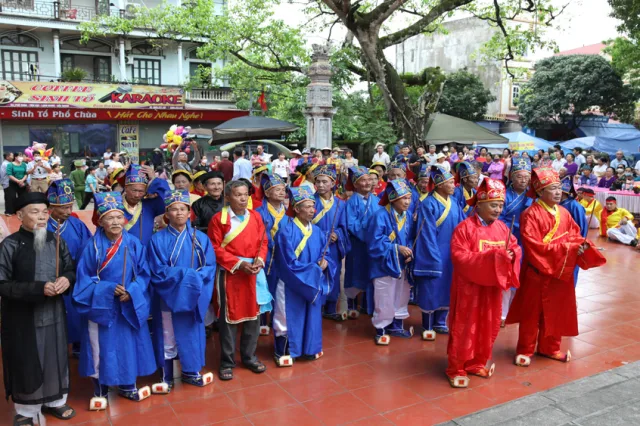
Phần tế lễ gồm: lễ rước và lễ tế. Lễ rước ở Tiên Lục rất độc đáo, thường tổ chức rước kiệu, lễ rước và đồ rước khá đầy đủ và đẹp mắt, gồm: cờ lọng, chiêng, trống, kiệu, hương án, bằng sắc… Người tham gia đám rước tập trung đông đủ rồi tiến hành nghi thức rước theo quy cách của làng, gồm: đoàn rước, đoàn trống rồng, đoàn khiêng kiệu, đoàn múa tuồng… Mở đầu là đoàn của đình Viễn Sơn rước quanh làng rồi rước về tới cửa đền Thánh Cả làm lễ tế. Nội dung tế kể về công lao của Thánh và mời Thánh về dự hội, phù hộ cho dân làng năm mới làm ăn thịnh vượng, mùa màng bội thu. Sau khi ban tế làm lễ xong, đoàn rước kiệu của đình Viễn Sơn rước ra Thảo Xá hội hợp với đoàn rước từ đình Thuận Hoà ở trước cửa Thảo Xá, rồi vào đại tế. Sau đó, các tư gia có đồ tế riêng cùng khách dự hội mới tiến hành vào lễ.
Hội Tiên Lục cũng như các hội khác ở đình, đền, miếu, ngoài lễ dâng hương rước Thánh, thì tế Thần là nghi thức không thể thiếu. Thành phần tham gia tế gồm: Quan viên 10 vị, Chủ tế 1 vị, Bồi tế 4 vị, Trống đại 2 vị, chiêng 2 vị. Một cuộc tế Thần có thể kéo dài nhiều giờ đồng hồ. Trong buổi lễ, nhạc, trống, chiêng nổi lên hùng tráng và long trọng.
Sau khi ban tế làm lễ tế xong, các gia đình vào lễ, thì đồng thời các trò diễn, như: kéo chữ, cướp cầu, cờ tướng cũng được diễn ra.
Sáng ngày 19, trai hai làng đi lễ yết đền, sau khi rước kiệu về làm lễ tế thì tổ chức lễ kéo chữ và cướp cầu. Những người được cử kéo chữ với dòng chữ “thiên hạ thái bình”.
Tục kéo chữ của dân làng Tiên Lục là một trò hội lâu đời đã duy trì đến ngày nay. Đây là trò diễn dân gian nho nhã với ước nguyện cầu mong sự an khang thịnh vượng, an bình đến với muôn nhà, với mỗi dòng họ, gia đình. Để tổ chức trò kéo chữ, người tham gia phải được tập luyện trước đó hàng tháng vì trò này đòi hỏi sự công phu và trình độ kỹ thuật cao. Người tham gia trò này là những trai đinh trong đội chấp kích, siêu đao, cờ của đoàn rước dưới sự chỉ huy của một viên tổng cờ giỏi chữ Hán. Đội kéo chữ xếp hàng, đi đứng, tiến lui theo hiệu cờ lệnh của thủ cờ, nhịp nhàng theo tiếng chiêng, tiếng trống. Cách kéo chữ ở đây cũng tuân thủ theo cách viết chữ Hán: Trái trước, phải sau, trên trước, dưới sau, ngang trước, sổ sau, trong trước ngoài sau. Các chữ “thiên”, “hạ”, “thái”, “bình” lần lượt hiện ra đoan trang, đẹp đẽ là ước nguyện của toàn thể dân làng.
Tục cướp cầu được tổ chức ngay sau khi trò diễn kéo chữ kết thúc và được tiến hành như sau: Quan hội là người được làm lễ tế cầu ở thảo xá và là người được tung cầu. Ông là người của hàng giáp chọn ra, nhận cấy ruộng hàng giáp theo lệ “thôn lần xã lượt”. Ông cũng được gọi là ông lềnh trưởng, do có hai đình nên làng phải bầu hai ông.
Về cách thức cướp cầu: Sân cầu ở trước cửa chùa, bên đền và thảo xá. Đây là bãi đất rộng tương đối bằng phẳng. Người chơi chia làm hai phe gồm những trai làng khoẻ mạnh, thuộc xóm đình Thuận Hoà (xóm Trong) và đình Cây Dã (xóm Giữa). Cả hai phe đều đóng khố, cởi trần thắt lưng bỏ múi cạnh sườn và cùng chơi hai hiệp. Ông quan hội (lềnh trưởng) mặc áo tế, đội mũ, đi hia, đứng ở bậc tam cấp trước cửa chùa tung cầuTrước khi tung cầu quan hội đọc bài chú cầu rằng: “Năm nay tổ chức gieo cầu đầu năm, để phụng thờ thánh, cầu cho quốc thái dân an, cho thiên hạ thái bình, cho nhân khang vật thịnh, cho được mùa khoai, cho sải mùa đỗ, cho lúa đầy bổ, cho dân làng bình an, thượng vượng” Rồi lại hô lần thứ nhất: Niêm minh năm mới, đánh cầu cho đinh tài thịnh vượng.
Cũng trong ngày 19 tháng Ba, dân đình Thuận Hoà rước kiệu từ đình làng mình sang đình Viễn Sơn để tế. Dân đình Thuận Hòa được người anh em dân đình Viễn Sơn đón tiếp nồng nhiệt, cởi mở và mời thết cỗ. Ngày hôm sau (ngày 20 tháng Ba), dân đình Viễn Sơn lại rước kiệu sang đình Thuận Hoà và cũng được thết cỗ. Tục lệ này cho thấy tình đoàn kết, nhất trí của người dân Tiên Lục, không có sự phân chia vai vế, coi nhau như anh em trong mối quan hệ gắn bó.
Tài liệu tham khảo
- Nguyễn Thị Lan Hương, 2016, Di tích và lễ hội Tiên Lục, Tạp chí Di sản Số 4 (57) – 2016.
- Ngọc Ánh, 2022, Hai lễ hội của Bắc Giang được công nhận di sản văn hóa phi vật thể quốc gia, truy cập tại: https://bandanvan.bacgiang.gov.vn/chi-tiet-tin-tuc/-/asset_publisher/SUvaAKdUf4CG/content/hai-le-hoi-cua-bac-giang-uoc-cong-nhan-di-san-van-hoa-phi-vat-the-quoc-gia/pop_up?_101_INSTANCE_SUvaAKdUf4CG_viewMode=print&_101_INSTANCE_SUvaAKdUf4CG_languageId=vi_VN
- Quốc Phương, 2025, Bắc Giang: Đón nhận Bằng xếp hạng di tích quốc gia đặc biệt đối với quần thể di tích đình, đền, chùa Tiên Lục, truy cập tại: https://vietnamtourism.gov.vn/post/62368
Ngôn ngữ khác
Tiếng Anh
Tien Luc Pagoda Festival (Lang Giang, Bac Ninh)
Time
The Tien Luc Pagoda Festival is held on the 18th, 19th, and 20th days of the Third Lunar Month.
Location
In the past, Tien Luc belonged to a cultural region popularly known by the Nom name “Luoc,” under Dao Quan canton, Bao Loc district, Lang Giang prefecture. This is an ancient land of diligent agricultural inhabitants, known for their endurance and industriousness, with fine customs and beautiful ways of life passed down through generations, creating a highly distinctive cultural identity. During the feudal period, Tien Luc was awarded the four characters “my tuc thuan phong” (fine customs and pure traditions). Despite historical changes and economic development, local people have preserved many outstanding tangible and intangible cultural heritages, reflecting the unique identity of this agricultural region.
The Tien Luc relic complex consists of the thousand-year-old da huong tree, Vien Son Communal House, Quang Phuc Pagoda, Thanh Ca Temple (Tien Luc Temple), and Thuan Hoa Communal House. The complex was recognized as a National Historical Relic under Decision No. 100-VH/QD dated January 21, 1989, issued by the Ministry of Culture (now the Ministry of Culture, Sports and Tourism).
Worshipped Figures
Vien Son Communal House belongs to Giua hamlet, Tien Luc commune, situated on the slope of a low hill beside the ancient da huong tree. Built in the 18th century, it worships the two tutelary deities of the village, Cao Son and Quy Minh, who are remembered as generals who assisted the Hung Kings in suppressing rebellions and bringing peace, prosperity, and happiness to the people.
The communal house follows the architectural style in the shape of the Chinese character “Cong” (工), divided into three main sections: the front ceremonial hall connected to the rear sanctuary by a narrow connecting hall; on both sides are five-compartment left and right auxiliary buildings. The structural framework employs traditional “tien ke, hau bay” and “chong ruong, ke dau” techniques. The front hall has five compartments and two side wings, the connecting hall has five compartments, and the rear sanctuary has three compartments. The roof frame structure follows the “tien ke, hau bay” style with layered beams and supporting pillars, while the columns are made from large ironwood timbers.
Quang Phuc Pagoda and Thanh Ca Temple (Thong Temple) are located atop a pine hill in the center of Tien Luc commune. Quang Phuc Pagoda was built in the 18th century with an “noi cong ngoai quoc” architectural structure, comprising 35 compartments. The front hall, two corridors, and bell tower together form the shape of the Chinese character “Quoc” (國), while the remaining section, including the connecting hall and upper sanctuary, forms the shape of the character “Cong” (工).
Today, the pagoda preserves many valuable ancient statues. Ninety statues are harmoniously arranged from the upper sanctuary to the side corridors and beneath the bell tower, contributing to the sacred and ancient atmosphere of the pagoda.
Thanh Ca Temple (Tien Luc Temple), located about 30 meters from Quang Phuc Pagoda, worships the two deities Cao Son and Quy Minh, who were granted royal ordinations during the Canh Hung reign period.
Thuan Hoa Communal House (commonly called Cay Bang Communal House because of the ancient tropical almond tree beside it) is located approximately 100 meters from the pine hill. Constructed around the 18th century, it also worships the tutelary deities Cao Son and Quy Minh. The communal house has a “chu Dinh” (丁) architectural layout with five compartments in the main hall and three in the rear sanctuary. Similar to Vien Son Communal House, its entire frame is made of sturdy ironwood, while the carved decorative motifs demonstrate the exceptional craftsmanship and skill of traditional artisans. The communal house still preserves many valuable ritual objects, including six Nguyen Dynasty royal ordinations, three worship thrones, and one Nguyen Dynasty incense burner.
Within the Tien Luc relic complex stands the thousand-year-old da huong tree, considered one of the two largest da huong trees in the world. The trunk circumference at its widest point measures 17.4 meters, the height is approximately 36 meters, and its canopy covers nearly two sao of land. The bark averages about 15 centimeters thick. To date, no document has accurately determined the age of this giant tree. However, according to the village genealogy, the tree received the royal title “quoc chua do moc da dai vuong” (the greatest wild cinnamon tree in the Southern Kingdom) during the Canh Hung reign period (1740–1786).
Festival
Situated within a traditional cultural space, the Tien Luc Festival is a long-standing and famous festival in the region, attracting numerous visitors from different places. The Tien Luc Pagoda Festival is held annually on the 18th, 19th, and 20th days of the Third Lunar Month.
On the afternoon of the 18th day, officials from the two communal houses gather at the pagoda to conduct the water procession ritual, bringing water from the village well to the pagoda to prepare offerings for the Buddha, perform the “luc cung” ritual, and present incense and flowers. In the evening, a storytelling ritual is held at the pagoda recounting Buddhist legends. On the morning of the 19th day, further Buddhist worship ceremonies are conducted, including the ritual of the Twenty-Four Vows, praying for peace and safety for the villagers.
The ceremonial section includes processions and sacrificial rites. The processions in Tien Luc are highly distinctive, usually featuring palanquins and elaborately decorated ritual objects such as flags, parasols, gongs, drums, incense tables, and royal ordination documents. Participants gather in full formation before carrying out the procession according to village regulations, including the procession group, dragon drum troupe, palanquin carriers, and traditional theatrical performers.
The procession of Vien Son Communal House first travels around the village before arriving at Thanh Ca Temple for sacrificial rites. The rites recount the merits of the deities and invite them to attend the festival, bless the villagers with prosperity, and ensure abundant harvests in the new year. After the rites are completed, the palanquin procession from Vien Son proceeds to Thao Xa to join the procession from Thuan Hoa Communal House before conducting the grand ceremony. Afterwards, families with their own ritual offerings and festival attendees enter to perform worship ceremonies.
Like festivals at other communal houses, temples, and shrines, the Tien Luc Festival includes not only incense offerings and saint processions but also deity worship rituals. Participants in the sacrificial ceremony include ten officials, one chief officiant, four assistant officiants, two large-drum players, and two gong players. A deity worship ceremony may last for several hours, accompanied by majestic and solemn music, drums, and gongs.
After the ceremonial rites conclude and families begin their worship, folk performances and games such as “keo chu” (character formation), “cuop cau” (ball contest), and Chinese chess competitions take place simultaneously.
On the morning of the 19th day, young men from the two villages conduct worship ceremonies at the temple. After returning with the palanquins and performing the sacrificial rites, the “keo chu” and “cuop cau” activities begin. Participants selected for the “keo chu” performance form the phrase “thien ha thai binh” (peace throughout the world).
The “keo chu” custom of Tien Luc villagers is an ancient festival game that has survived to the present day. This elegant folk performance expresses wishes for peace, prosperity, and well-being for every household and lineage. Participants must practice for months beforehand because the activity requires great sophistication and technical skill. The performers are strong village men from the ceremonial guard and flag-bearing teams under the command of a leader proficient in Chinese characters. The performers move in coordinated formations according to flag signals and the rhythms of drums and gongs. The formation process follows the traditional order of writing Chinese characters: left before right, top before bottom, horizontal before vertical, inside before outside. The characters “thien,” “ha,” “thai,” and “binh” gradually appear in graceful formations, symbolizing the aspirations of the entire village.
The “cuop cau” ritual begins immediately after the “keo chu” performance. The festival official responsible for the ball ritual at Thao Xa is also the one who throws the ceremonial ball. He is selected by the village guilds according to customary rotation rules and is also called the “lenh truong.” Since the village has two communal houses, two such officials are elected.
The ball contest takes place on the open ground in front of the pagoda, temple, and Thao Xa. The players are divided into two teams consisting of strong young men from Thuan Hoa hamlet (Inner Hamlet) and Cay Da hamlet (Middle Hamlet). Both teams wear traditional loincloths and compete in two rounds. The festival official, dressed in ceremonial robes, hat, and boots, stands on the stone steps before the pagoda and throws the ball. Before doing so, he recites a prayer asking for national peace, prosperity, healthy people, abundant crops, and safety for the villagers, before proclaiming: “In the new year, play the ball game for prosperity in people and wealth.”
Also on the 19th day of the Third Lunar Month, the people of Thuan Hoa Communal House carry a palanquin procession to Vien Son Communal House for worship ceremonies. They are warmly welcomed and invited to a communal feast. On the following day (the 20th day), the people of Vien Son reciprocate by carrying their procession to Thuan Hoa Communal House, where they are similarly hosted with a feast. This custom demonstrates the solidarity and unity of the people of Tien Luc, who regard one another as brothers without distinctions of status.
References
- Nguyễn Thị Lan Hương, 2016, Di tích và lễ hội Tiên Lục, Tạp chí Di sản Số 4 (57) – 2016.
- Ngọc Ánh, 2022, Hai lễ hội của Bắc Giang được công nhận di sản văn hóa phi vật thể quốc gia, truy cập tại: https://bandanvan.bacgiang.gov.vn/chi-tiet-tin-tuc/-/asset_publisher/SUvaAKdUf4CG/content/hai-le-hoi-cua-bac-giang-uoc-cong-nhan-di-san-van-hoa-phi-vat-the-quoc-gia/pop_up?_101_INSTANCE_SUvaAKdUf4CG_viewMode=print&_101_INSTANCE_SUvaAKdUf4CG_languageId=vi_VN
- Quốc Phương, 2025, Bắc Giang: Đón nhận Bằng xếp hạng di tích quốc gia đặc biệt đối với quần thể di tích đình, đền, chùa Tiên Lục, truy cập tại: https://vietnamtourism.gov.vn/post/62368 Top of Form
Tiếng Pháp
Festival de la pagode Tien Luc (Lang Giang, Bac Ninh)
Temps
Le festival de la pagode Tien Luc se déroule les 18, 19 et 20 du troisième mois lunaire.
Lieu
Autrefois, Tien Luc appartenait à une région culturelle portant le nom populaire de « Luoc », relevant du canton de Dao Quan, district de Bao Loc, préfecture de Lang Giang. Il s’agit d’une terre ancienne habitée par une population agricole laborieuse, courageuse et persévérante, conservant de belles coutumes et un mode de vie harmonieux transmis de génération en génération, créant ainsi une identité culturelle très caractéristique. Sous le régime féodal, Tien Luc reçut l’éloge de « my tuc thuan phong » (« belles coutumes et bonnes mœurs »). Malgré les transformations du temps et le développement économique, les habitants ont préservé un patrimoine culturel matériel et immatériel remarquable, exprimant l’identité propre de cette région agricole.
Le complexe monumental de Tien Luc comprend l’arbre de da huong millénaire, la maison communale Vien Son, la pagode Quang Phuc, le temple Thanh Ca (temple Tien Luc) et la maison communale Thuan Hoa. Ce complexe a été classé monument national selon la Décision n°100-VH/QD du 21 janvier 1989 du ministère de la Culture (aujourd’hui ministère de la Culture, des Sports et du Tourisme).
Personnages vénérés
La maison communale Vien Son, située dans le hameau Giua de la commune de Tien Luc, se trouve sur le flanc d’une basse colline, à côté de l’ancien arbre de da huong. Construite au XVIIIe siècle, elle est consacrée aux deux génies tutélaires du village, Cao Son et Quy Minh, deux généraux ayant aidé les rois Hung à réprimer les révoltes afin d’assurer la paix du royaume et la prospérité du peuple.
L’édifice adopte un plan architectural en forme de caractère « Cong », divisé en trois parties principales : le pavillon de culte antérieur relié au sanctuaire postérieur par une galerie couverte ; de chaque côté se trouvent cinq travées latérales. La charpente suit le style traditionnel « tien ke, hau bay », avec superposition de poutres et consoles.
La pagode Quang Phuc et le temple Thanh Ca (temple Thong) sont situés au sommet de la colline des pins, au centre de la commune de Tien Luc. La pagode Quang Phuc, édifiée au XVIIIe siècle, possède une architecture de type « noi cong ngoai quoc » comprenant trente-cinq travées. Le bâtiment principal, les deux galeries et le clocher forment le caractère « Quoc », tandis que le reste compose une structure en forme de « Cong ». La pagode conserve encore aujourd’hui de nombreuses statues anciennes précieuses : quatre-vingt-dix statues harmonieusement disposées depuis le sanctuaire principal jusqu’aux galeries et sous le clocher, renforçant le caractère sacré et antique du lieu.
Le temple Thanh Ca (temple Tien Luc), situé à environ trente mètres de la pagode Quang Phuc, est consacré aux divinités Cao Son et Quy Minh, officiellement reconnues par des édits royaux sous le règne Canh Hung.
La maison communale Thuan Hoa — appelée communément « dinh Cay Bang » en raison du grand badamier ancien voisin — se trouve à plus de cent mètres de la colline des pins. Construite au XVIIIe siècle, elle est également dédiée à Cao Son et Quy Minh. Son architecture en forme de caractère « Dinh » comprend cinq travées principales et trois travées du sanctuaire postérieur. Comme la maison communale Vien Son, toute sa structure est réalisée en bois de lim très solide. Les sculptures décoratives témoignent du grand talent et de l’habileté des artisans. L’édifice conserve encore aujourd’hui plusieurs objets cultuels précieux, dont six édits royaux de la dynastie Nguyen, trois trônes d’autel et un brûle-parfum datant également de l’époque Nguyen.
Au sein du complexe monumental de Tien Luc se trouve l’arbre de da huong millénaire, considéré comme l’un des deux plus grands arbres de cette espèce au monde. Son tronc atteint une circonférence de 17,4 mètres et une hauteur d’environ 36 mètres ; sa cime couvre presque deux sao de terrain. Son écorce possède une épaisseur moyenne d’environ 15 centimètres. Aucun document n’a encore permis de déterminer précisément son âge. Toutefois, selon les généalogies sacrées du village, cet arbre reçut sous l’ère Canh Hung (1740-1786) le titre honorifique de « quoc chua do moc da dai vuong » (« le plus grand arbre de da du royaume du Nam »).
Le festival
Inscrit dans l’espace de la culture traditionnelle, le festival de Tien Luc est une fête ancienne et renommée de la région, attirant de nombreux visiteurs venus de partout. Il se déroule les 18, 19 et 20 du troisième mois lunaire.
Dans l’après-midi du 18, les dignitaires des deux maisons communales se rendent à la pagode pour accomplir la cérémonie de procession de l’eau, transportée depuis le puits du village jusqu’à la pagode afin de préparer les offrandes destinées au Bouddha. Ils procèdent ensuite aux rites d’offrande d’encens et de fleurs. Le soir, une cérémonie de récitation des récits bouddhiques a lieu dans la pagode. Le matin du 19, les habitants poursuivent les rites bouddhiques et accomplissent la cérémonie des vingt-quatre vœux, priant pour la paix et la prospérité du village.
La partie rituelle comprend les processions et les sacrifices cérémoniels. Les processions de Tien Luc sont particulièrement remarquables : palanquins, bannières, parasols, gongs, tambours, autels portatifs et édits royaux composent un cortège riche et spectaculaire. Les participants se rassemblent puis défilent selon les règles traditionnelles du village : cortège principal, troupe des tambours-dragon, porteurs de palanquins, troupe de théâtre rituel, etc.
Le cortège de la maison communale Vien Son ouvre la procession, parcourt le village puis rejoint le temple Thanh Ca pour les rites sacrificiels. Les prières rappellent les mérites des saints tutélaires et les invitent à bénir le village afin d’assurer prospérité et abondance des récoltes. Après les rites, la procession de Vien Son rejoint celle de Thuan Hoa à Thao Xa avant la grande cérémonie commune.
Comme dans d’autres fêtes des maisons communales et temples, le sacrifice aux divinités constitue un rite essentiel du festival de Tien Luc. Les cérémonies rassemblent dix dignitaires, un officiant principal, quatre assistants, deux joueurs de grand tambour et deux joueurs de gong. Une cérémonie peut durer plusieurs heures, accompagnée de musiques, de tambours et de gongs majestueux et solennels.
Après les rites commencent les jeux festifs traditionnels : formation de caractères, lutte pour la balle rituelle et jeu d’échecs chinois.
Le matin du 19, les jeunes hommes des deux villages se rendent au temple pour les rites d’hommage, puis organisent les jeux de formation de caractères et de lutte pour la balle. Les participants forment les caractères « thien ha thai binh » (« paix dans tout le pays »).
Cette tradition de formation de caractères est un ancien jeu festif maintenu jusqu’à aujourd’hui. Il exprime le souhait de paix, de prospérité et de bonheur pour toutes les familles et lignages. Les participants doivent s’entraîner pendant plusieurs mois, car ce jeu exige une grande discipline et une technique élevée. Les mouvements suivent strictement l’ordre traditionnel de l’écriture chinoise : gauche avant droite, haut avant bas, horizontal avant vertical, intérieur avant extérieur. Les caractères « thien », « ha », « thai », « binh » apparaissent progressivement avec élégance, symbolisant les aspirations de toute la communauté villageoise.
Le jeu de lutte pour la balle commence immédiatement après. Le maître de cérémonie, appelé « lenh truong », lance la balle rituelle. Le terrain se situe devant la pagode, près du temple et du pavillon Thao Xa. Deux équipes de jeunes hommes robustes représentant les quartiers de Thuan Hoa et de Cay Da s’affrontent torses nus et vêtus seulement d’un pagne traditionnel.
Avant de lancer la balle, le maître de cérémonie récite une invocation priant pour la paix du royaume, la prospérité du peuple, l’abondance des récoltes et la stabilité du village. Il proclame ensuite : « Que la nouvelle année apporte prospérité et fortune au village. »
Le 19 du troisième mois lunaire, les habitants de la maison communale Thuan Hoa portent également leur palanquin jusqu’à la maison communale Vien Son pour accomplir les rites. Ils y sont chaleureusement accueillis et conviés à un banquet. Le lendemain, les habitants de Vien Son rendent la visite à Thuan Hoa. Cette coutume illustre l’esprit de solidarité et de fraternité des habitants de Tien Luc, qui se considèrent comme membres d’une même famille unie.
Références documentaires
- Nguyễn Thị Lan Hương, 2016, Di tích và lễ hội Tiên Lục, Tạp chí Di sản Số 4 (57) – 2016.
- Ngọc Ánh, 2022, Hai lễ hội của Bắc Giang được công nhận di sản văn hóa phi vật thể quốc gia, truy cập tại: https://bandanvan.bacgiang.gov.vn/chi-tiet-tin-tuc/-/asset_publisher/SUvaAKdUf4CG/content/hai-le-hoi-cua-bac-giang-uoc-cong-nhan-di-san-van-hoa-phi-vat-the-quoc-gia/pop_up?_101_INSTANCE_SUvaAKdUf4CG_viewMode=print&_101_INSTANCE_SUvaAKdUf4CG_languageId=vi_VN
- Quốc Phương, 2025, Bắc Giang: Đón nhận Bằng xếp hạng di tích quốc gia đặc biệt đối với quần thể di tích đình, đền, chùa Tiên Lục, truy cập tại: https://vietnamtourism.gov.vn/post/62368
Tiếng Trung
仙陆寺会(谅江、北宁)
时间
仙陆寺会于农历三月十八、十九、二十日举行。
地点
昔日的仙陆属于一片俗名为“禄”(Luoc)的文化区域,隶属桃馆总、保禄县、谅江府。这里是古老的农业居民聚居地,居民勤劳朴实、坚忍耐劳,许多优良风俗与美好生活传统代代相传,形成了极具特色的地方文化。封建时期,仙陆曾获赐“美俗淳风”四字。历经时代变迁与经济发展,当地人民至今仍保存着丰富而独特的物质与非物质文化遗产,展现出浓厚的农业文明特色。
仙陆遗迹群包括:千年野香树、远山亭、光福寺、圣祠殿(仙陆殿)、顺和亭等建筑群。该遗迹群已依据文化部(今文化体育与旅游部)1989年1月21日第100-VH/QĐ号决定,被列为国家级历史文化遗迹。
祭祀人物
远山亭位于仙陆社中村,坐落于低矮山丘之上,毗邻古老野香树。亭建于十八世纪,供奉两位村城隍——高山神与贵明神。相传二神曾辅佐雄王平定叛乱,使国家太平、百姓安乐。
该亭采用“工”字形建筑结构,分为三部分:前祭殿通过“筒廊”与后宫相连,两侧设有五间左庑与右庑。梁架结构采用“前架后撑”“重梁叠架”“斗栱承托”等传统建筑技法。前祭殿五间两厦,筒廊五间,后宫三间;屋架为“前架后撑、重梁、柱架锣架”结构,两排大型铁木柱支撑整体建筑。
光福寺与圣祠殿(通殿)位于松丘之顶,处于仙陆社中心。光福寺建于十八世纪,采用“内工外国”式建筑布局,共三十五间。前堂、两侧回廊与钟楼相连形成“国”字形,其余部分则由“桥屋”连接上殿形成“工”字形。
寺内现仍保存大量珍贵古佛像,共九十尊,依次排列于上殿、回廊及钟楼下方,使寺院更显庄严古朴、灵气悠远。
圣祠殿(仙陆殿)距光福寺约三十米,供奉高山神与贵明神,并曾获朝廷于景兴年间敕封。
顺和亭(当地百姓因亭旁有古榕树,又称“榕树亭”)距离松丘约百余米,建于十八世纪,同样供奉高山神与贵明神。建筑呈“丁”字形,由五间大亭与三间后宫组成。与远山亭相似,顺和亭整体框架皆以坚固铁木建成,雕刻题材由工匠巧手精雕细琢,技艺高超。
如今亭内仍保存大量珍贵祭器,包括阮朝时期六道敕封、三座神龛以及一只阮朝香炉等。
位于仙陆遗迹群中的千年野香树,被视为世界上最大的两株野香树之一。树干最大周长达17.4米,高约36米,树冠覆盖近两亩土地,树皮平均厚约15厘米。至今尚无文献能够准确考证其树龄。然而根据村中神谱记载,此树早在景兴年间(1740-1786)便获赐封号“国主都木野大王”,意为“南国最大之野香树”。
节庆活动
仙陆会处于传统文化空间之中,是当地历史悠久、远近闻名的重要庙会,吸引大量四方游客参加。仙陆寺会于农历三月十八日至二十日举行。
三月十八日下午,两座亭的会官齐聚寺院,从村井迎水至寺中,以制供佛供品,并举行诵经、献香、献花仪式。夜间于寺中举行“试榜”仪式,即讲述佛教故事。
十九日清晨继续供佛,并举行“引二十四愿”仪式,祈求百姓平安。
祭礼部分包括迎神仪式与祭祀仪式。仙陆的迎神队伍极具特色,常见彩旗、华盖、锣鼓、神轿、香案、敕封牌等盛大仪仗。参与者齐集后,依照村中礼制展开游行,包括迎神队、龙鼓队、抬轿队、戏曲舞队等。
首先由远山亭队伍绕村巡行,随后至圣祠殿前举行祭礼。祭文颂扬神灵功德,并恭请神灵赴会,保佑村民新年兴旺丰收。
祭礼结束后,远山亭迎神队前往草舍,与顺和亭队伍会合,再共同举行大祭。之后,各家祭户与来宾方可入内行礼。
仙陆会与其他亭、殿、庙宇节会相同,除焚香迎圣外,“祭神”仪式亦不可或缺。参与祭礼者包括:官员十人、主祭一人、陪祭四人、大鼓手两人、锣手两人。一场祭神仪式往往持续数小时,期间鼓乐、锣声齐鸣,庄严雄壮。
祭礼结束后,各家入庙行礼,同时还举行“拉字”“抢球”“象棋”等民间活动。
十九日清晨,两村青年先赴神殿谒拜,迎轿归来后举行祭礼,并开展“拉字”与“抢球”活动。参与“拉字”者排列组成“天下太平”四字。
仙陆村“拉字”习俗是一项延续至今的古老民俗表演,寓意祈求国泰民安、家族兴旺。参与者需提前数月训练,因为此活动技术要求极高。参加者多为迎神队中的壮丁,由精通汉字的总旗官指挥。队伍依旗令、锣鼓节奏整齐进退,并遵循汉字书写顺序:先左后右、先上后下、先横后竖、先内后外。最终,“天下太平”四字庄重呈现,寄托全村共同愿望。
“抢球”仪式则于“拉字”结束后举行。负责抛球者为主持祭礼的“会官”,由村甲轮流推选,也称“令长”。因村中有两座亭,故需推举两位。
比赛场地位于寺前、殿旁与草舍前的空地。参赛者分为两队,分别来自顺和亭村(内村)与野香亭村(中村),皆为健壮青年。双方赤膊束腰,仅着短裤,共比赛两局。
会官身着祭服、头戴礼帽、足穿朝靴,站于寺前台阶之上抛球。抛球前,会官诵念祝词:
“今年岁首举行抛球仪式,以奉圣神,祈求国泰民安、天下太平、人丁兴旺、五谷丰登、百姓安宁、村社昌盛。”
随后高呼:
“新岁光明,击球以求人财两旺。”
同样在三月十九日,顺和亭村民抬轿前往远山亭祭祀,受到远山亭村民热情接待并设宴款待。次日(三月二十日),远山亭村民则回访顺和亭,同样受到盛情招待。
这一传统体现了仙陆人民团结和睦、亲如兄弟的深厚情谊,并无等级高下之分。
参考资料
- Nguyễn Thị Lan Hương, 2016, Di tích và lễ hội Tiên Lục, Tạp chí Di sản Số 4 (57) – 2016.
- Ngọc Ánh, 2022, Hai lễ hội của Bắc Giang được công nhận di sản văn hóa phi vật thể quốc gia, truy cập tại: https://bandanvan.bacgiang.gov.vn/chi-tiet-tin-tuc/-/asset_publisher/SUvaAKdUf4CG/content/hai-le-hoi-cua-bac-giang-uoc-cong-nhan-di-san-van-hoa-phi-vat-the-quoc-gia/pop_up?_101_INSTANCE_SUvaAKdUf4CG_viewMode=print&_101_INSTANCE_SUvaAKdUf4CG_languageId=vi_VN
- Quốc Phương, 2025, Bắc Giang: Đón nhận Bằng xếp hạng di tích quốc gia đặc biệt đối với quần thể di tích đình, đền, chùa Tiên Lục, truy cập tại: https://vietnamtourism.gov.vn/post/62368