

Thời gian
Lễ hội Chùa Bắc Nga diễn ra vào ngày 15 tháng Giêng.
Địa điểm
Chùa Bắc Nga xã Gia Cát, huyện Cao Lộc tỉnh Lạng Sơn
Lịch sử di vật
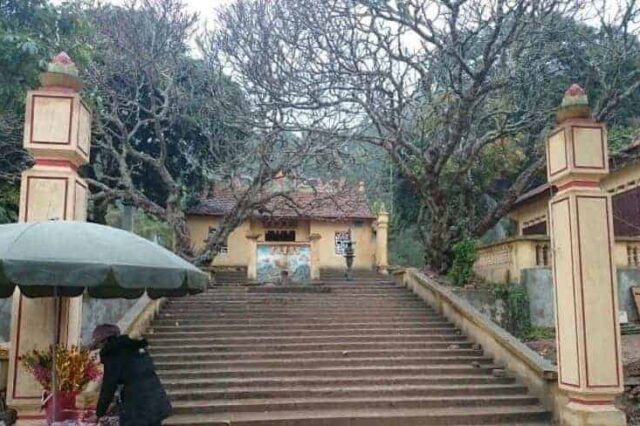
Chùa Bắc Nga có tên chữ “Tiên nga phật tự” hay còn gọi là Chùa Tiên Nga (Tiên Nga Tự), thuộc địa phận thôn Bắc Nga, xã Gia Cát, huyện Cao Lộc, tỉnh Lạng Sơn. Chùa được xây dựng trên một sườn đồi, mặt hướng ra quốc lộ 4B và dòng sông Kỳ Cùng trong xanh uốn lượn tạo nên thế “rồng chầu hổ phục”
Dựa trên việc khảo cứu các tư liệu lịch sử và hệ thống văn bản Hán Nôm hiện còn lưu giữ tại chùa, có thể xác định rằng chùa hiện bảo tồn được 4 bia đá, 21 bản khắc kinh Phật bằng gỗ cùng nhiều tư liệu liên quan khác.
Trong số đó, bia chùa Tiên Nga (bia số 1) ghi nhận việc trùng tu chùa vào năm Đinh Dậu, niên hiệu Minh Mệnh thứ 18 (1837). Theo nội dung bia, ban đầu chùa chỉ là một công trình đơn sơ lợp lá, sau đó mới được lợp ngói. Khoảng 60 năm sau, vào tháng 2 năm Thành Thái thứ 13 (1901), chùa tiếp tục được các quan chức và nhân dân địa phương công đức tu sửa, tôn tạo lại.
Bia chùa Tiên Nga (bia số 2) phản ánh hoạt động trùng tu phần nội thất, chủ yếu liên quan đến việc bài trí tượng thờ và các đồ thờ tự trong chùa.
Bia thứ 3 của chùa Tiên Nga, được dựng vào tháng 11 năm Bảo Đại thứ 2 (1927), khắc tiêu đề “Tiên Nga tự bi”, ghi lại việc Lũng Thị Đao cùng mẹ và các em đã hiến cúng ruộng đất cho bản chùa.
Bia thứ 4 ghi chép việc tân tạo chùa do một bà lão phát tâm thực hiện. Theo nội dung bia, do mộng thấy Thần, bà đã đứng ra xây dựng một miếu thờ Thần và đào một giếng nước bên đường. Bia được dựng vào ngày tốt tháng 5 năm Nhâm Tuất (1562).
Từ việc đối chiếu và phân tích nội dung của 4 bia đá hiện còn, có thể khẳng định chùa Bắc Nga được khởi dựng vào năm 1562, dưới thời nhà Mạc. Ban đầu, công trình chỉ là một ngôi miếu nhỏ, sau đó phát triển thành đền và dần hoàn thiện thành chùa như hiện nay.
Chùa Bắc Nga là một di sản kiến trúc – nghệ thuật tiêu biểu do cha ông để lại, vừa đáp ứng nhu cầu sinh hoạt tôn giáo, tín ngưỡng của cộng đồng địa phương, vừa là điểm đến của du khách và đối tượng nghiên cứu khoa học. Đồng thời, chùa phản ánh rõ nét truyền thống tín ngưỡng dân gian của người Việt, với sự dung hòa trong việc thờ Thần, Thánh và Phật.
Trải qua nhiều biến động lịch sử, đặc biệt trong các giai đoạn chiến tranh và chống ngoại xâm, chùa đã bị xuống cấp và hư hỏng. Vì vậy, công trình đã được tu sửa và tôn tạo qua nhiều lần. Lần trùng tu gần đây nhất diễn ra vào năm 1995, tập trung vào phần mái chùa. Đến năm 1998, tường bao được xây dựng lại; năm 2008 tiếp tục thay mái, đảo lại ngói và xây dựng sân chùa nhằm đáp ứng tốt hơn nhu cầu sinh hoạt tín ngưỡng của nhân dân.
Năm 2002, chùa Bắc Nga được Chủ tịch UBND tỉnh xếp hạng di tích cấp tỉnh, thành phố. Tới ngày 14/ 2/ 2023, lễ hội truyền thống chùa Bắc Nga, xã Gia Cát, huyện Cao Lộc, tỉnh Lạng Sơn đã được công nhận là Di sản văn hóa phi vật thể cấp quốc gia theo Quyết định số 231/QD-BVHTTDL của Bộ Văn hóa, Thể thao và Du Lịch.
Lễ hội chùa Bắc Nga
Lễ hội Chùa Bắc Nga được tổ chức thường niên vào ngày 15 tháng Giêng âm lịch, là một trong những lễ hội truyền thống tiêu biểu và có quy mô lớn của huyện Cao Lộc. Lễ hội không chỉ đáp ứng nhu cầu tín ngưỡng, tâm linh của nhân dân địa phương mà còn là dịp sinh hoạt văn hóa cộng đồng quan trọng, thu hút đông đảo du khách thập phương đến tham quan, vãn cảnh, vui chơi giải trí và thưởng thức ẩm thực đặc trưng của vùng.
Về cơ cấu tổ chức, lễ hội được chia thành hai phần chính: phần Lễ và phần Hội, diễn ra liên tục, đan xen hài hòa giữa yếu tố tín ngưỡng và sinh hoạt văn hóa dân gian.
Phần Lễ
Phần Lễ được tổ chức trang nghiêm, chu đáo, thể hiện lòng thành kính của cộng đồng dân cư đối với các bậc Thánh, Tiên được thờ phụng tại chùa. Công tác chuẩn bị lễ vật được tiến hành cẩn thận, bao gồm các mâm lễ truyền thống như mâm xôi, gà luộc, lợn quay, mâm ngũ quả cùng hương hoa, đèn nến. Nghi lễ dâng hương được thực hiện theo đúng phong tục địa phương, với các nghi thức trình Thánh, trình Tiên và xin âm dương.
Thông qua các nghi lễ này, người dân bày tỏ ước nguyện cầu cho quốc thái dân an, mưa thuận gió hòa, mùa màng tươi tốt, gia đình bình an, con cháu khỏe mạnh, làm ăn thuận lợi. Đồng thời, nghi thức xin phép mở hội cũng được tiến hành nhằm cầu mong cho các hoạt động lễ hội diễn ra suôn sẻ, vui tươi và an toàn. Phần Lễ mang đậm giá trị tâm linh, góp phần duy trì và củng cố niềm tin tín ngưỡng truyền thống trong đời sống cộng đồng.
Phần Hội
Sau phần Lễ trang nghiêm là phần Hội sôi nổi, phong phú, phản ánh rõ nét đời sống văn hóa tinh thần của cư dân địa phương. Nhiều trò chơi và hoạt động dân gian đặc sắc được tổ chức, thu hút sự tham gia và cổ vũ nhiệt tình của người dân và du khách. Tiêu biểu có các hoạt động như múa sư tử, biểu diễn võ thuật dân tộc, tung còn, nhảy bao bố, kéo co, cùng các tiết mục giao lưu văn nghệ quần chúng.
Bên cạnh đó, các làn điệu dân ca truyền thống như hát Sli, hát Lượn, hát Then được trình diễn trong không gian lễ hội, góp phần bảo tồn và lan tỏa các giá trị văn hóa phi vật thể của đồng bào các dân tộc Tày, Nùng, Dao. Lễ hội cũng là dịp để người dân khoác lên mình những bộ trang phục truyền thống rực rỡ, với hoa văn tinh xảo do chính bàn tay khéo léo của họ tạo nên, tạo nên bức tranh văn hóa đa sắc màu.
Các hoạt động trong phần Hội mang tính cộng đồng cao, tăng cường sự gắn kết giữa các thôn bản, thể hiện tinh thần tương thân tương ái, đoàn kết và sẻ chia. Qua đó, lễ hội trở thành không gian giao lưu, gặp gỡ, củng cố tình làng nghĩa xóm và nuôi dưỡng niềm tin, sự lạc quan vào cuộc sống.
Ý nghĩa và giá trị
Trong những năm gần đây, Lễ hội Chùa Bắc Nga luôn được tổ chức trong không khí trang trọng, vui tươi, lành mạnh, bảo đảm an toàn và tiết kiệm, phù hợp với quy định của Nhà nước cũng như phong tục, tập quán và tín ngưỡng của địa phương. Lễ hội góp phần quan trọng trong việc gìn giữ và phát huy bản sắc văn hóa dân tộc, thực hiện hiệu quả tinh thần của Nghị quyết Trung ương 5 (khóa VIII) về xây dựng và phát triển nền văn hóa Việt Nam tiên tiến, đậm đà bản sắc dân tộc.
Đồng thời, lễ hội còn có ý nghĩa tích cực trong việc thúc đẩy phát triển kinh tế – xã hội, tăng cường khối đại đoàn kết toàn dân, củng cố quốc phòng – an ninh trên địa bàn xã Gia Cát nói riêng và huyện Cao Lộc nói chung, ngày càng thu hút đông đảo nhân dân và du khách tham gia.
Tài liệu tham khảo
- Mã Thế Vinh, 2012, Lạng Sơn vùng đất của Chi Lăng – Đồng Đăng – Kỳ Lừa, Nxb Trẻ.
- Hoàng Giáp và Hoàng Páo, 2013, Văn hóa Lạng Sơn, Nxb Văn hóa Thông tin
- Phạm Anh tuấn, 2023, Lễ Hội chùa Bắc Nga – Nét đặc sắc của người dân Xứ Lạng, Trường chính trị Hoàng Văn Thụ, truy cập tại: http://truongchinhtrils.vn/node/1024
Ngôn ngữ khác
Tiếng Anh
Bac Nga Pagoda Festival
Time
The Bac Nga Pagoda Festival takes place on the 15th day of the first lunar month.
Location
Bac Nga Pagoda is located in Gia Cat commune, Cao Loc district, Lang Son province.
History and Relics
Bac Nga Pagoda has the Sino-Vietnamese name Tien Nga Phat Tu, also known as Tien Nga Pagoda (Tien Nga Tu). It is situated in Bac Nga hamlet, Gia Cat commune, Cao Loc district, Lang Son province. The pagoda was built on a hillside, facing National Highway 4B and the clear, winding Ky Cung River, forming a geomantic setting described as “the dragon paying homage and the tiger lying in repose.”
Based on research into historical materials and the system of Han–Nom documents currently preserved at the pagoda, it can be identified that the site still retains four stone steles, 21 woodblocks carved with Buddhist scriptures, and many other related materials.
Among these, the Tien Nga Pagoda stele (Stele No. 1) records the restoration of the pagoda in the year Dinh Dau, the 18th year of the Minh Menh reign (1837). According to the inscription, the pagoda was initially a simple structure roofed with leaves, later replaced by tiled roofing. About 60 years later, in the second lunar month of the 13th year of the Thanh Thai reign (1901), the pagoda continued to receive merit donations from local officials and residents for further repairs and renovation.
The Tien Nga Pagoda stele (Stele No. 2) reflects renovation activities focused mainly on the interior, particularly the arrangement of worship statues and ritual objects inside the pagoda.
Stele No. 3 of Tien Nga Pagoda, erected in the 11th lunar month of the 2nd year of the Bao Dai reign (1927), bears the title “Tien Nga Tu Bi” and records that Lung Thi Dao, together with her mother and siblings, donated farmland to the pagoda.
Stele No. 4 documents the reconstruction of the pagoda carried out by an elderly woman who made a vow of devotion. According to the inscription, after dreaming of a deity, she undertook the construction of a shrine to worship the deity and dug a well by the roadside. This stele was erected on an auspicious day in the fifth lunar month of the year Nham Tuat (1562).
Through comparison and analysis of the contents of the four extant stone steles, it can be affirmed that Bac Nga Pagoda was originally established in 1562, during the Mac dynasty. Initially, it was only a small shrine, later developing into a temple and gradually becoming the pagoda as it appears today.
Bac Nga Pagoda is a typical architectural and artistic heritage left by earlier generations. It not only meets the religious and spiritual needs of the local community but also serves as a destination for visitors and an object of scholarly research. At the same time, the pagoda clearly reflects Vietnamese folk belief traditions, characterized by the harmonious coexistence of the worship of deities, saints, and Buddha.
Throughout many historical upheavals, especially during periods of war and resistance against foreign invasions, the pagoda deteriorated and suffered damage. Consequently, it has undergone multiple restorations and renovations. The most recent major restoration took place in 1995, focusing on the roof. In 1998, the surrounding walls were rebuilt; in 2008, the roof was replaced again, tiles were rearranged, and the pagoda courtyard was constructed to better meet the religious needs of the local people.
In 2002, Bac Nga Pagoda was ranked as a provincial-level historical monument by the Chairman of the Provincial People’s Committee. On February 14, 2023, the traditional Bac Nga Pagoda Festival of Gia Cat commune, Cao Loc district, Lang Son province was officially recognized as a National Intangible Cultural Heritage under Decision No. 231/QD-BVHTTDL issued by the Ministry of Culture, Sports and Tourism.
Bac Nga Pagoda Festival
The Bac Nga Pagoda Festival is held annually on the 15th day of the first lunar month and is one of the most representative traditional festivals with a large scale in Cao Loc district. The festival not only fulfills the religious and spiritual needs of local residents but also serves as an important occasion for community cultural activities, attracting numerous visitors from all regions to visit, enjoy the scenery, participate in recreational activities, and experience local cuisine.
In terms of organization, the festival is divided into two main parts: the Ritual section and the Festive section, which take place continuously and harmoniously intertwine elements of belief and folk cultural life.
Ritual Section
The Ritual section is conducted solemnly and carefully, expressing the sincere reverence of the community toward the Saints and Immortals worshipped at the pagoda. Preparations of offerings are carried out meticulously, including traditional offering trays such as sticky rice, boiled chicken, roasted pork, five-fruit trays, along with incense, flowers, lamps, and candles. The incense-offering rituals are performed in accordance with local customs, including ceremonies to present offerings to the Saints, the Immortals, and to seek yin–yang divination.
Through these rituals, people express their wishes for national peace and prosperity, favorable weather, abundant harvests, family peace, healthy descendants, and successful livelihoods. At the same time, the ceremony seeking permission to open the festival is conducted to pray for the smooth, joyful, and safe conduct of all festival activities. The Ritual section is rich in spiritual value, contributing to the maintenance and reinforcement of traditional belief systems in community life.
Festive Section
Following the solemn rituals is the lively and diverse Festive section, which vividly reflects the spiritual and cultural life of local residents. Many distinctive folk games and activities are organized, attracting enthusiastic participation and encouragement from both residents and visitors. Typical activities include lion dancing, performances of traditional martial arts, tung con (throwing cloth balls), sack jumping, tug of war, and mass cultural performances.
In addition, traditional folk singing genres such as Sli, Luon, and Then are performed within the festival space, contributing to the preservation and dissemination of the intangible cultural values of the Tay, Nung, and Dao ethnic communities. The festival is also an occasion for people to wear brightly colored traditional costumes with intricate patterns crafted by their own skilled hands, creating a vibrant and multicolored cultural panorama.
Activities in the Festive section emphasize strong community participation, strengthening bonds among villages and hamlets, and demonstrating the spirit of mutual support, solidarity, and sharing. As a result, the festival becomes a space for interaction and reunion, reinforcing neighborhood ties and nurturing faith and optimism in life.
Significance and Values
In recent years, the Bac Nga Pagoda Festival has consistently been organized in a dignified, joyful, wholesome, safe, and economical manner, in line with State regulations as well as local customs and belief practices. The festival plays an important role in preserving and promoting national cultural identity and effectively implementing the spirit of the Resolution of the 5th Central Committee (8th tenure) on building and developing an advanced Vietnamese culture rich in national identity.
At the same time, the festival has positive significance in promoting socio-economic development, strengthening the great national unity bloc, and consolidating national defense and security in Gia Cat commune in particular and Cao Loc district in general, while increasingly attracting large numbers of residents and visitors.
References
- Mã Thế Vinh, 2012, Lạng Sơn vùng đất của Chi Lăng – Đồng Đăng – Kỳ Lừa, Nxb Trẻ.
- Hoàng Giáp và Hoàng Páo, 2013, Văn hóa Lạng Sơn, Nxb Văn hóa Thông tin
- Phạm Anh tuấn, 2023, Lễ Hội chùa Bắc Nga – Nét đặc sắc của người dân Xứ Lạng, Trường chính trị Hoàng Văn Thụ, truy cập tại: http://truongchinhtrils.vn/node/1024
Tiếng Pháp
Fete de la pagode Chua Bac Nga
Periode
La fete de la pagode Chua Bac Nga a lieu le 15e jour du premier mois lunaire.
Lieu
La pagode Chua Bac Nga est situee dans la commune de Gia Cat, district de Cao Loc, province de Lang Son.
Histoire et vestiges
La pagode Chua Bac Nga porte le nom chinois Tien Nga Phat Tu, egalement appelee pagode Tien Nga (Tien Nga Tu). Elle se trouve sur le territoire du hameau de Bac Nga, commune de Gia Cat, district de Cao Loc, province de Lang Son. La pagode est construite sur le flanc d’une colline, orientee vers la route nationale 4B et la riviere Ky Cung aux eaux limpides et sinueuses, formant une configuration paysagere dite de « dragon en adoration, tigre en soumission ».
Sur la base de l’etude des sources historiques et de l’ensemble des documents Han Nom conserves dans la pagode, il est possible d’identifier la presence de quatre steles en pierre, de vingt et une planches de gravure de sutras bouddhiques en bois, ainsi que de nombreux autres documents connexes.
Parmi ces vestiges, la stele de la pagode Tien Nga (stele no 1) mentionne une restauration effectuee l’annee Dinh Dau, la 18e annee du regne de Minh Menh (1837). Selon son contenu, la pagode n’etait a l’origine qu’un edifice sommaire couvert de chaume, avant d’etre ensuite recouvert de tuiles. Environ soixante ans plus tard, en fevrier de la 13e annee du regne de Thanh Thai (1901), la pagode fut de nouveau restauree grace aux contributions des autorites et des habitants locaux.
La stele de la pagode Tien Nga (stele no 2) reflete les travaux de restauration de l’espace interieur, principalement lies a la disposition des statues de culte et des objets rituels.
La troisieme stele de la pagode Tien Nga, erigee en novembre de la 2e annee du regne de Bao Dai (1927), porte le titre « Tien Nga Tu Bi » et rapporte que Lung Thi Dao, avec sa mere et ses freres et soeurs, a fait don de terres agricoles a la pagode.
La quatrieme stele relate la renovation de la pagode a l’initiative d’une vieille femme animee de foi. Selon le texte, apres avoir reve d’une Divinite, elle prit l’initiative de construire un sanctuaire dedie a cette Divinite et de creuser un puits au bord du chemin. La stele fut erigee un jour faste du cinquieme mois de l’annee Nham Tuat (1562).
La confrontation et l’analyse du contenu des quatre steles permettent d’affirmer que la pagode Bac Nga fut fondee en 1562, sous la dynastie Mac. A l’origine, il ne s’agissait que d’un petit sanctuaire, qui evolua ensuite en temple, puis fut progressivement complete pour devenir la pagode actuelle.
La pagode Bac Nga constitue un heritage architectural et artistique representatif legue par les ancetres. Elle repond a la fois aux besoins religieux et spirituels de la communaute locale, constitue un lieu de visite pour les voyageurs et un objet d’etude scientifique. Elle reflete egalement de maniere eloquente les traditions de croyances populaires vietnamiennes, caracterisees par une harmonisation du culte des Divinites, des Saints et du Bouddha.
Au fil des nombreuses vicissitudes historiques, notamment durant les periodes de guerre et de resistance contre les envahisseurs, la pagode s’est degradee et a subi d’importants dommages, ce qui a necessite plusieurs campagnes de restauration. La plus recente a eu lieu en 1995 et a porte principalement sur la toiture. En 1998, l’enceinte fut reconstruite ; en 2008, la toiture fut a nouveau remplacee, les tuiles reamenagees et la cour de la pagode amenagee afin de mieux repondre aux besoins religieux de la population.
En 2002, la pagode Bac Nga a ete classee monument historique de niveau provincial par le president du Comite populaire provincial. Le 14 fevrier 2023, la fete traditionnelle de la pagode Bac Nga, commune de Gia Cat, district de Cao Loc, province de Lang Son, a ete reconnue comme patrimoine culturel immateriel national, conformement a la Decision no 231/QD-BVHTTDL du Ministere de la Culture, des Sports et du Tourisme.
Fete de la pagode Chua Bac Nga
La fete de la pagode Chua Bac Nga est organisee chaque annee le 15e jour du premier mois lunaire. Elle constitue l’une des fetes traditionnelles les plus represent atives et de grande ampleur du district de Cao Loc. Elle repond non seulement aux besoins spirituels et religieux de la population locale, mais represente egalement une importante occasion de vie culturelle communautaire, attirant de nombreux visiteurs venus de differentes regions pour visiter, se detendre, se divertir et deguster les specialites culinaires locales.
Sur le plan organisationnel, la fete est divisee en deux parties principales : la partie rituelle et la partie festive, qui se deroulent de maniere continue et harmonieuse, associant elements de croyance et activites culturelles populaires.
La partie rituelle
La partie rituelle se deroule de facon solennelle et soigneuse, exprimant la devotion de la communaute envers les Saints et les Immortels veneres dans la pagode. La preparation des offrandes est effectuee avec rigueur et comprend des plateaux traditionnels tels que riz gluant, poulet bouilli, porc roti, plateau de cinq fruits, ainsi que encens, fleurs, lampes et bougies. Le rituel d’offrande d’encens est accompli conformement aux coutumes locales, avec les ceremonies de presentation aux Saints, de presentation aux Immortels et de consultation du yin et du yang.
A travers ces rites, la population exprime ses voeux pour la paix du pays et le bien-etre du peuple, des pluies favorables et des vents clements, des recoltes abondantes, des familles en securite, des enfants en bonne sante et des activites economiques prosperes. Le rituel d’ouverture officielle de la fete est egalement pratique afin d’implorer le bon deroulement, la joie et la securite des activites festives. La partie rituelle revet une forte valeur spirituelle, contribuant a maintenir et a renforcer la foi traditionnelle dans la vie communautaire.
La partie festive
Apres la solennite des rites, la partie festive se deroule dans une atmosphere animee et diversifiee, refletant clairement la vie culturelle et spirituelle des habitants locaux. De nombreux jeux et activites folkloriques sont organises, suscitant une large participation et un vif enthousiasme de la population et des visiteurs. Parmi les activites notables figurent la danse du lion, les demonstrations d’arts martiaux traditionnels, le lancer de balle con, les courses en sac, le tir a la corde, ainsi que des spectacles artistiques communautaires.
Par ailleurs, des chants populaires traditionnels tels que le chant Sli, le chant Luon et le chant Then sont interpretes dans l’espace de la fete, contribuant a la preservation et a la diffusion des valeurs du patrimoine culturel immateriel des ethnies Tay, Nung et Dao. La fete est egalement l’occasion pour les habitants de revetir des costumes traditionnels eclatants, ornes de motifs raffines realises par leur propre savoir-faire, composant ainsi un tableau culturel riche en couleurs.
Les activites de la partie festive presentent un fort caractere communautaire, renforcent la cohesion entre les villages et traduisent l’esprit de solidarite, d’unite et de partage. De ce fait, la fete devient un espace d’echange et de rencontre, consolidant les liens de voisinage et nourrissant la confiance et l’optimisme face a la vie.
Signification et valeurs
Ces dernieres annees, la fete de la pagode Chua Bac Nga est toujours organisee dans une atmosphere solennelle, joyeuse, saine, sure et economique, en conformite avec les reglementations de l’Etat ainsi qu’avec les coutumes et croyances locales. Elle joue un role important dans la preservation et la valorisation de l’identite culturelle nationale, mettant en oeuvre l’esprit de la Resolution du Comite central no 5 (VIIIe mandat) sur la construction et le developpement d’une culture vietnamienne avancee et impregnee d’une forte identite nationale.
En outre, la fete revet une signification positive dans la promotion du developpement socio-economique, le renforcement de la grande union nationale, la consolidation de la defense et de la securite dans la commune de Gia Cat en particulier et dans le district de Cao Loc en general, attirant un nombre croissant de participants et de visiteurs.
Références
- Mã Thế Vinh, 2012, Lạng Sơn vùng đất của Chi Lăng – Đồng Đăng – Kỳ Lừa, Nxb Trẻ.
- Hoàng Giáp và Hoàng Páo, 2013, Văn hóa Lạng Sơn, Nxb Văn hóa Thông tin
- Phạm Anh tuấn, 2023, Lễ Hội chùa Bắc Nga – Nét đặc sắc của người dân Xứ Lạng, Trường chính trị Hoàng Văn Thụ, truy cập tại: http://truongchinhtrils.vn/node/1024
Tiếng Trung
北俄寺会(Hoi chua Bac Nga)
时间
北俄寺节会于农历正月十五日举行。
地点
北俄寺(Chua Bac Nga)位于谭葛社(Gia Cat)、高禄县(Cao Loc)、谅山省(Lang Son)。
遗物历史
北俄寺的汉名为“仙俄佛寺”,又称“仙俄寺(Tien Nga Tu)”,隶属北俄村(Bac Nga)、谭葛社(Gia Cat)、高禄县(Cao Loc)、谅山省(Lang Son)。寺庙依山而建,坐落于一处山坡之上,面向4B国道和清澈蜿蜒的奇穷河(Song Ky Cung),形成“龙朝虎伏”的风水格局。
根据对历史文献及寺内现存汉喃文献的系统考察,可以确认寺中目前保存有4通石碑、21块木刻佛经版以及多种相关史料。
其中,仙俄寺碑(第一号碑)记载了丁酉年、明命十八年(1837)的修缮情况。碑文显示,寺庙最初仅为一座覆以茅草的简易建筑,后改为瓦顶。约60年后,即成泰十三年(1901)二月,当地官员与民众再次集资功德,对寺庙进行修葺与重建。
第二号仙俄寺碑反映了寺庙内部的修缮活动,主要涉及佛像安置及各类供奉器物的陈设。
第三号碑立于保大二年(1927)十一月,题为《仙俄寺碑》,记载了陇氏刀(Lung Thi Dao)与其母亲及诸位兄弟姐妹向寺庙捐献田地的善举。
第四号碑记述了一位老妇发心重建寺庙的事迹。碑文称,该老妇因梦见神灵,遂出资修建神祠,并在路旁开凿水井。此碑立于壬戌年(1562)五月吉日。
通过对现存四通石碑内容的比对与分析,可以确认北俄寺始建于1562年,时值莫朝时期(nha Mac)。最初仅为一座小型神祠,随后发展为祠庙,并逐步完善为今日所见之佛寺形态。
北俄寺是一处由先人遗留下来的典型建筑—艺术遗产,既满足当地社区宗教信仰活动的需求,又是游客参观与学术研究的重要对象。同时,寺庙鲜明反映了越南民间信仰传统中对神、圣与佛并祀并存的文化特征。
历经多次历史变迁,尤其是在战争与抵御外侮时期,寺庙曾出现严重损毁与老化,因此多次得到修缮与重建。最近一次大规模修缮于1995年进行,重点修复屋顶;1998年重建围墙;2008年再次更换屋顶、重铺瓦面并修建寺院庭院,以更好地满足民众信仰活动的需要。
2002年,北俄寺被省人民委员会主席列为省级历史文化遗迹。至2023年2月14日,谭葛社(Gia Cat)、高禄县(Cao Loc)、谅山省(Lang Son)的北俄寺传统节会被文化、体育与旅游部依据第231/QD-BVHTTDL号决定,认定为国家级非物质文化遗产。
北俄寺节会(Le hoi chua Bac Nga)
北俄寺节会每年农历正月十五举行,是高禄县规模较大、具有代表性的传统节庆之一。节会不仅满足当地居民的宗教信仰与精神需求,也是重要的社区文化活动,吸引众多四方游客前来参观游览、休闲娱乐并品尝地方特色美食。
在组织结构上,节会分为礼仪部分与娱乐部分两大板块,二者相互交织,和谐融合信仰仪式与民间文化生活。
礼仪部分
礼仪部分庄严肃穆,准备周密,充分体现社区对寺中所奉祀圣、仙的虔诚信仰。供品准备细致周全,包括糯米饭、白切鸡、烤猪、五果盘,以及香、花、灯、烛等传统祭品。上香仪式依照地方习俗进行,涵盖呈圣、呈仙与掷阴阳等程序。
通过这些仪式,民众祈愿国泰民安、风调雨顺、五谷丰登、家宅平安、子孙康健、事业顺遂。同时,还举行开会请示仪式,祈求节会各项活动顺利、安全、喜庆进行。礼仪部分具有浓厚的灵性价值,有助于维护与巩固社区生活中的传统信仰。
娱乐部分
庄重的礼仪之后,是热闹多彩的娱乐活动,生动反映了当地居民的精神文化生活。多种富有特色的民间游戏与活动相继展开,吸引民众与游客踊跃参与与喝彩,如舞狮、民族武术表演、抛绣球、袋跳、拔河以及群众文艺交流节目等。
同时,斯里歌(Hat Sli)、伦歌(Hat Luon)、天歌(Hat Then)等传统民歌在节会空间中轮番上演,有力促进了岱族(Tay)、侬族(Nung)、瑶族(Dao)非物质文化遗产的保护与传播。节会期间,人们身着由自己巧手制作、纹样精美、色彩绚丽的民族传统服饰,共同绘就一幅多姿多彩的文化画卷。
娱乐活动具有高度的社区性,增强了村寨之间的联系,体现了互助友爱、团结共享的精神,使节会成为交流往来、增进邻里情谊、培育生活信心与乐观态度的重要平台。
意义与价值
近年来,北俄寺节会始终在庄重、欢乐、健康、安全、节约的氛围中举行,符合国家相关规定以及地方风俗、习惯与信仰传统。节会在保护与弘扬民族文化认同方面发挥着重要作用,有效落实了中央五中全会(第八届)关于建设与发展先进而富有民族特色的越南文化的精神。
同时,节会对推动经济—社会发展、增强全民大团结、巩固国防—安全具有积极意义,不仅对谭葛社(Gia Cat)产生深远影响,也对整个高禄县(Cao Loc)具有重要价值,吸引着越来越多的民众与游客参与其中。
参考文献
- Mã Thế Vinh, 2012, Lạng Sơn vùng đất của Chi Lăng – Đồng Đăng – Kỳ Lừa, Nxb Trẻ.
- Hoàng Giáp và Hoàng Páo, 2013, Văn hóa Lạng Sơn, Nxb Văn hóa Thông tin
- Phạm Anh tuấn, 2023, Lễ Hội chùa Bắc Nga – Nét đặc sắc của người dân Xứ Lạng, Trường chính trị Hoàng Văn Thụ, truy cập tại: http://truongchinhtrils.vn/node/1024