

Thời gian
Lễ hội Chùa Tiên – Giếng Tiên được tổ chức vào ngày 18 tháng Giêng hằng năm.
Địa điểm
Chùa Tiên, phường Chi Lăng, thành phố Lạng Sơn, cách trung tâm thành phố Lạng Sơn khoảng 1 km.
Lịch sử và di vật
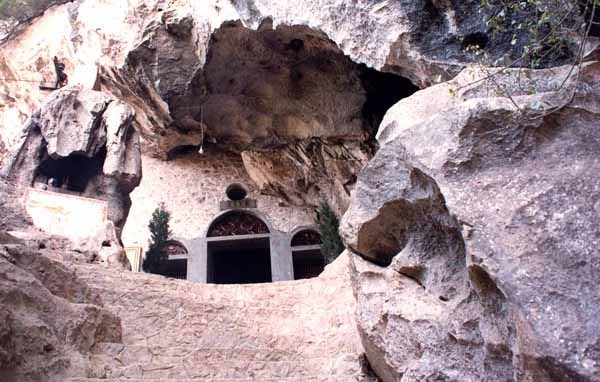
Chùa Tiên tọa lạc trong lòng núi Đại Tượng, thuộc phường Chi Lăng, thành phố Lạng Sơn, cách trung tâm thành phố khoảng 1 km. Đây là một quần thể di tích danh thắng có giá trị nổi bật về lịch sử, văn hóa và tín ngưỡng của địa phương.
Ngoài tên gọi Chùa Tiên, di tích còn được biết đến với tên Song Tiên. Động chùa nằm ở vị trí trung tâm của núi Đại Tượng, có quy mô lớn với vòm cao và không gian rộng. Bên trong động là hệ thống nhũ đá phong phú, hình thành qua hàng nghìn năm, tạo nên nhiều hình thù đa dạng, mang vẻ đẹp kỳ ảo, gợi liên tưởng đến không gian huyền thoại của chốn thần tiên.
Theo các nguồn sử liệu, trong đó có Đại Nam nhất thống chí của Quốc Sử Quán triều Nguyễn, Chùa Tiên được khởi dựng vào thời Lê Hồng Đức (khoảng 1460–1497). Ban đầu, chùa là một công trình nhỏ nằm cạnh Giếng Tiên trên sườn núi Đèo Giang – Văn Vỉ, cách cửa sau của động chùa Tiên khoảng 200 m. Đến nửa cuối thế kỷ XVIII, do công trình xuống cấp và hư hại, chùa được dời vào bên trong động Song Tiên như hiện nay.
Một trong những giá trị nổi bật của di tích là hệ thống 13 bia Ma Nhai được khắc trực tiếp trên vách đá trong động. Đây là nguồn tư liệu quý, phản ánh lịch sử hình thành, trùng tu di tích cũng như giá trị văn học – nghệ thuật qua các sáng tác của nhiều văn nhân, thi sĩ và quan lại dưới các triều đại phong kiến Việt Nam. Nội dung các văn bia chủ yếu ca ngợi cảnh sắc núi Đại Tượng và ghi chép những lần tu sửa chùa trong lịch sử. Đặc biệt, Chùa Tiên là một trong tám thắng cảnh được danh nhân Ngô Thì Sĩ ca ngợi trong bài thơ Trấn doanh bát cảnh, bài thơ hiện còn được khắc trên bia đá tại động.
Giếng Tiên, một thành tố quan trọng của quần thể di tích, là mạch nước ngầm chảy ra từ lòng núi. Miệng giếng nhỏ, chỉ khoảng bằng một chiếc bát lớn, nhưng nước luôn trong mát và không bao giờ cạn. Giếng gắn liền với truyền thuyết dân gian về Tiên ông ban dòng nước quý cho người dân làng Phja Luông để báo đáp lòng tốt của những đứa trẻ chăn trâu đã chia sẻ phần cơm ít ỏi của mình. Theo truyền thuyết, miệng giếng chính là dấu chân Tiên ông in xuống phiến đá.
Trải qua nhiều biến động lịch sử, đến nay cụm di tích Chùa Tiên – Giếng Tiên vẫn bảo tồn được nhiều hiện vật có giá trị cao về niên đại và nghệ thuật, như hệ thống tượng thờ, hoành phi, câu đối và các bia khắc đá của giới trí thức, quan lại phong kiến. Trong đó, tấm bia khắc bài thơ Trấn doanh bát cảnh của Ngô Thì Sĩ là hiện vật tiêu biểu, góp phần khẳng định vị trí của Chùa Tiên trong không gian văn hóa xứ Lạng.
Không chỉ có giá trị về lịch sử – văn hóa, Chùa Tiên còn là trung tâm sinh hoạt tín ngưỡng quan trọng của nhân dân địa phương. Nơi đây thờ Tiên, thờ Phật, Thánh Mẫu và các vị anh hùng dân tộc. Hệ thống thờ tự trong chùa khá hoàn chỉnh, bao gồm cung Tam Bảo, cung thờ Mẫu và không gian thờ vọng đức Thánh Trần.
Ngày nay, Chùa Tiên – Giếng Tiên là điểm đến tâm linh và du lịch hấp dẫn của tỉnh Lạng Sơn, thu hút đông đảo du khách thập phương đến tham quan và lễ bái. Theo thống kê của bộ phận quản lý di tích, mỗi năm nơi đây đón trên 2 triệu lượt khách, góp phần quan trọng vào việc bảo tồn, phát huy giá trị di sản và phát triển du lịch văn hóa của địa phương.
Lễ hội chùa Tiên
Lễ hội Chùa Tiên – Giếng Tiên được tổ chức vào ngày 18 tháng Giêng âm lịch hằng năm, là một lễ hội văn hóa truyền thống tiêu biểu của tỉnh Lạng Sơn. Lễ hội không chỉ đáp ứng nhu cầu sinh hoạt tín ngưỡng của cộng đồng cư dân địa phương mà còn là dịp để du khách thập phương tham quan, chiêm bái, tìm hiểu giá trị văn hóa – lịch sử gắn với vùng đất Xứ Lạng.
Về nguồn gốc, lễ hội bắt nguồn từ tín ngưỡng thờ đá và thờ nguồn nước – những yếu tố gắn bó mật thiết với đời sống sản xuất nông nghiệp truyền thống. Theo truyền thuyết dân gian, trong một năm hạn hán khắc nghiệt, nguồn nước cạn kiệt, đời sống người dân rơi vào cảnh khó khăn. Từ lòng nhân hậu và sự sẻ chia của con người, một mạch nước ngọt đã xuất lộ từ tảng đá, giúp dân làng vượt qua thiên tai. Nguồn nước ấy được gọi là Giếng Tiên và trở thành không gian linh thiêng, nơi người dân lập miếu thờ, về sau hình thành chùa và gắn với lễ hội truyền thống kéo dài cho đến ngày nay.
Phần lễ của lễ hội được tổ chức trang nghiêm, thể hiện đạo lý “uống nước nhớ nguồn” và niềm tri ân đối với các bậc tiền nhân đã che chở, phù hộ cho cộng đồng. Nghi lễ quan trọng nhất là lễ rước nước từ Giếng Tiên, mang ý nghĩa cầu cho mưa thuận gió hòa, cuộc sống no đủ, bình an. Bên cạnh đó là các nghi thức dâng hương, tế lễ được tiến hành theo trình tự chặt chẽ, bảo đảm tính truyền thống và tôn nghiêm, phản ánh đậm nét tín ngưỡng dân gian của cư dân địa phương.
Phần hội diễn ra sôi nổi, là không gian giao lưu văn hóa cộng đồng của đồng bào các dân tộc trong tỉnh. Nhiều trò chơi dân gian truyền thống được tổ chức như ô ăn quan, bịt mắt đập niêu, đẩy gậy, múa sạp…, tạo không khí vui tươi, gắn kết các thế hệ. Bên cạnh đó là các hoạt động diễn xướng dân gian và văn nghệ quần chúng như hát sli, lượn, hát then, đàn tính, múa chầu, góp phần bảo tồn và lan tỏa bản sắc văn hóa truyền thống Xứ Lạng. Đặc biệt, một số chương trình nghệ thuật còn tái hiện lại truyền thuyết Giếng Tiên, giúp người tham dự hiểu rõ hơn ý nghĩa lịch sử và giá trị tinh thần của lễ hội.
Những năm gần đây, lễ hội Chùa Tiên được quan tâm đầu tư, tu bổ không gian di tích và nâng cao chất lượng tổ chức, trở thành điểm nhấn văn hóa – du lịch quan trọng của thành phố Lạng Sơn. Việc kết hợp hài hòa giữa nghi lễ truyền thống và các hoạt động văn hóa – giải trí dân gian đã góp phần làm cho lễ hội vừa giữ được chiều sâu tâm linh, vừa đáp ứng nhu cầu tham quan, trải nghiệm của du khách, qua đó khẳng định giá trị bền vững của lễ hội trong đời sống đương đại.
Ý nghĩa lịch sử
Lễ hội Chùa Tiên – Giếng Tiên mang ý nghĩa lịch sử sâu sắc, phản ánh quá trình hình thành và phát triển đời sống tinh thần của cư dân vùng Xứ Lạng trong điều kiện tự nhiên và xã hội truyền thống. Trước hết, lễ hội là dấu ấn của tín ngưỡng nông nghiệp cổ truyền, gắn với việc thờ đá và thờ nguồn nước – những yếu tố có vai trò sống còn đối với sản xuất và sinh hoạt của cộng đồng cư dân miền núi. Qua đó cho thấy nhận thức sớm của con người về tầm quan trọng của thiên nhiên và nhu cầu điều hòa mối quan hệ giữa con người với môi trường sống.
Bên cạnh đó, truyền thuyết về Giếng Tiên được lưu truyền qua nhiều thế hệ đã góp phần bảo lưu ký ức lịch sử – văn hóa dân gian, thể hiện niềm tin vào sự che chở của các lực lượng siêu nhiên và đề cao những giá trị đạo đức như lòng nhân ái, tinh thần sẻ chia, đoàn kết cộng đồng trong hoàn cảnh khó khăn. Những giá trị này trở thành nền tảng tinh thần quan trọng, định hướng hành vi và lối sống của cư dân địa phương trong suốt tiến trình lịch sử.
Lễ hội còn là minh chứng cho sự tiếp nối và thích ứng của các thiết chế văn hóa – tín ngưỡng qua thời gian. Từ không gian thờ tự dân gian ban đầu bên Giếng Tiên, việc hình thành chùa và duy trì lễ hội hằng năm cho thấy quá trình lịch sử hóa tín ngưỡng, phản ánh sự giao thoa giữa tín ngưỡng bản địa với Phật giáo, đồng thời khẳng định vai trò của chùa Tiên như một trung tâm sinh hoạt văn hóa – tâm linh của cộng đồng.
Trong bối cảnh hiện nay, lễ hội Chùa Tiên – Giếng Tiên còn mang ý nghĩa lịch sử ở phương diện bảo tồn di sản văn hóa và khẳng định bản sắc địa phương. Việc phục dựng nghi lễ, duy trì các hoạt động truyền thống và truyền dạy cho các thế hệ trẻ góp phần gìn giữ ký ức lịch sử, tăng cường ý thức trân trọng di sản, đồng thời quảng bá hình ảnh vùng đất Xứ Lạng trong tiến trình phát triển văn hóa – du lịch đương đại.
Tài liệu tham khảo
- Mã Thế Vinh, 2012, Lạng Sơn vùng đất của Chi Lăng – Đồng Đăng – Kỳ Lừa, Nxb Trẻ.
- Hoàng Giáp và Hoàng Páo, 2013, Văn hóa Lạng Sơn, Nxb Văn hóa Thông tin
- Hoàng Hiếu, 2024, Lễ hội Chùa Tiên – Giếng Tiên: Nét văn hóa phi vật thể độc đáo của Xứ Lạng, Báo điện tử Lạng Sơn, truy cập tại: https://baolangson.vn/le-hoi-chua-tien-gieng-tien-net-van-hoa-phi-vat-the-doc-dao-cua-xu-lang-1646778.html
Ngôn ngữ khác
Tiếng Anh
Tien Pagoda Festival
Time
The Tien Pagoda – Tien Well Festival is held annually on the 18th day of the first lunar month.
Location
Tien Pagoda is located in Chi Lang ward, Lang Son city, approximately 1 km from the center of Lang Son city.
History and Relics
Tien Pagoda is situated inside Dai Tuong Mountain, in Chi Lang ward, Lang Son city, about 1 km from the city center. It is a scenic relic complex of outstanding historical, cultural, and religious value for the locality.
In addition to the name Tien Pagoda, the site is also known as Song Tien. The pagoda cave lies at the central position of Dai Tuong Mountain and is large in scale, with a high vault and spacious interior. Inside the cave is a rich system of stalactites and stalagmites formed over thousands of years, creating a wide variety of shapes with a mysterious and magical beauty, evoking images of a legendary fairy realm.
According to historical sources, including Dai Nam Nhat Thong Chi compiled by the Nguyen Dynasty National History Office, Tien Pagoda was originally established during the Le Hong Duc period (approximately 1460–1497). Initially, the pagoda was a small structure located next to Tien Well on the slope of Deo Giang – Van Vi Mountain, about 200 meters from the rear entrance of the Tien Pagoda cave. In the latter half of the 18th century, due to deterioration and damage, the pagoda was relocated into the Song Tien cave, where it remains today.
One of the most outstanding values of the site is the system of 13 Ma Nhai steles carved directly into the rock walls inside the cave. These inscriptions constitute a valuable source of documentation reflecting the formation history, restoration activities, and literary–artistic values of the site through the works of many scholars, poets, and officials under Vietnam’s feudal dynasties. The stele texts mainly praise the scenery of Dai Tuong Mountain and record historical renovations of the pagoda. Notably, Tien Pagoda is one of the eight scenic sites extolled by the scholar Ngo Thi Si in his poem Tran Doanh Bat Canh, which is still engraved on a stone stele inside the cave.
Tien Well, an important component of the relic complex, is an underground water source flowing out from within the mountain. The mouth of the well is small, only about the size of a large bowl, yet the water is always clear, cool, and never runs dry. The well is associated with a folk legend about a fairy who bestowed a precious water source upon the villagers of Phja Luong in gratitude for the kindness of buffalo-herding children who shared their modest meals. According to legend, the well mouth is the footprint left by the fairy on the stone slab.
Despite many historical upheavals, the Tien Pagoda – Tien Well complex has preserved numerous artifacts of high chronological and artistic value, such as worship statues, horizontal lacquered boards, parallel sentences, and stone inscriptions by scholars and feudal officials. Among them, the stele engraved with Ngo Thi Si’s poem Tran Doanh Bat Canh is a particularly significant artifact, affirming the position of Tien Pagoda within the cultural landscape of Xu Lang.
Beyond its historical and cultural value, Tien Pagoda is also an important center of religious life for local residents. The site worships Fairies, Buddha, the Holy Mothers, and national heroes. The worship system is relatively complete, including the Tam Bao sanctuary, the Mother Goddess sanctuary, and a space dedicated to the veneration of Saint Tran.
Today, the Tien Pagoda – Tien Well complex is an attractive spiritual and tourism destination of Lang Son province, drawing large numbers of visitors from across the country for sightseeing and worship. According to statistics from the site management authority, the complex welcomes more than two million visitors annually, making an important contribution to heritage preservation and the development of local cultural tourism.
Tien Pagoda Festival
The Tien Pagoda – Tien Well Festival is held every year on the 18th day of the first lunar month and is a representative traditional cultural festival of Lang Son province. The festival not only meets the religious needs of the local community but also provides an opportunity for visitors from all regions to visit, pay homage, and explore the cultural and historical values associated with the land of Xu Lang.
In terms of origin, the festival derives from beliefs in stone worship and water-source worship—elements closely connected to traditional agricultural production. According to folk legend, during a year of severe drought when water sources dried up and people’s lives fell into hardship, a fresh water spring emerged from a rock thanks to human kindness and compassion. This water source helped villagers overcome natural disasters. It was called Tien Well and became a sacred place where people built a shrine, later forming a pagoda and giving rise to a traditional festival that has continued to the present day.
The ritual section of the festival is conducted solemnly, embodying the moral principle of “remembering the source of water when drinking” and expressing gratitude toward ancestors and spiritual beings who are believed to protect and bless the community. The most important ritual is the water procession from Tien Well, symbolizing prayers for favorable weather, abundance, and peaceful life. In addition, incense-offering and sacrificial rites are carried out in a strict sequence, ensuring traditional and sacred character and clearly reflecting the folk beliefs of local residents.
The festive section takes place in a lively atmosphere and serves as a space for community cultural exchange among ethnic groups in the province. Many traditional folk games are organized, such as o an quan, blindfolded pot breaking, stick pushing, and bamboo dancing, creating a joyful atmosphere and strengthening intergenerational bonds. Alongside these are folk performances and mass cultural activities such as sli and luon singing, then singing, dan tinh performances, and ritual dances, contributing to the preservation and dissemination of the traditional cultural identity of Xu Lang. Notably, some artistic programs reenact the legend of Tien Well, helping participants better understand the historical meaning and spiritual value of the festival.
In recent years, the Tien Pagoda Festival has received increased investment in site conservation and organizational quality, becoming an important cultural and tourism highlight of Lang Son city. The harmonious combination of traditional rituals and folk cultural and recreational activities has helped the festival maintain its spiritual depth while meeting visitors’ needs for exploration and experience, thereby affirming its enduring value in contemporary life.
Historical Significance
The Tien Pagoda – Tien Well Festival carries profound historical significance, reflecting the formation and development of the spiritual life of the inhabitants of the Xu Lang region under traditional natural and social conditions. First and foremost, the festival represents an imprint of ancient agricultural beliefs associated with stone worship and water-source worship—elements vital to production and daily life in mountainous communities. This demonstrates an early awareness of the importance of nature and the need to harmonize the relationship between humans and their environment.
Moreover, the legend of Tien Well, transmitted across generations, has helped preserve folk historical and cultural memory, expressing belief in supernatural protection and upholding moral values such as compassion, sharing, and community solidarity in times of hardship. These values became an important spiritual foundation guiding behavior and lifestyle among local residents throughout history.
The festival also serves as evidence of the continuity and adaptation of cultural and religious institutions over time. From an initial folk worship space beside Tien Well to the formation of a pagoda and the maintenance of an annual festival, this process reflects the historicization of belief and the interaction between indigenous beliefs and Buddhism, while affirming the role of Tien Pagoda as a cultural and spiritual center of the community.
In the contemporary context, the Tien Pagoda – Tien Well Festival also holds historical significance in terms of cultural heritage preservation and the affirmation of local identity. The restoration of rituals, maintenance of traditional activities, and transmission to younger generations contribute to safeguarding historical memory, enhancing awareness of heritage values, and promoting the image of Xu Lang within the ongoing development of cultural tourism.
References
- Mã Thế Vinh, 2012, Lạng Sơn vùng đất của Chi Lăng – Đồng Đăng – Kỳ Lừa, Nxb Trẻ.
- Hoàng Giáp và Hoàng Páo, 2013, Văn hóa Lạng Sơn, Nxb Văn hóa Thông tin
- Hoàng Hiếu, 2024, Lễ hội Chùa Tiên – Giếng Tiên: Nét văn hóa phi vật thể độc đáo của Xứ Lạng, Báo điện tử Lạng Sơn, truy cập tại: https://baolangson.vn/le-hoi-chua-tien-gieng-tien-net-van-hoa-phi-vat-the-doc-dao-cua-xu-lang-1646778.html
Tiếng Pháp
Fete de la pagode Tien
Temps
La fete de la pagode Tien – Gieng Tien est organisee chaque annee le 18 du premier mois lunaire.
Lieu
Pagode Tien, quartier Chi Lang, ville de Lang Son, a environ 1 km du centre-ville de Lang Son.
Histoire et vestiges
La pagode Tien est situee a l’interieur du mont Dai Tuong, dans le quartier Chi Lang, ville de Lang Son, a environ 1 km du centre-ville. Il s’agit d’un ensemble de sites paysagers et historiques d’une grande valeur sur les plans historique, culturel et cultuel pour la region.
Outre l’appellation de pagode Tien, le site est egalement connu sous le nom de Song Tien. La grotte de la pagode occupe une position centrale dans le mont Dai Tuong ; elle est de grande dimension, avec une voute elevee et un espace interieur vaste. A l’interieur se trouve un systeme de stalactites et stalagmites riche et ancien, forme au fil de milliers d’annees, creant des formes variees et une beaute feerique, evocatrice d’un univers mythique et paradisiaque.
Selon les sources historiques, dont le Dai Nam nhat thong chi de la Cour des historiographes de la dynastie Nguyen, la pagode Tien fut fondee sous le regne de Le Hong Duc (environ 1460–1497). A l’origine, il s’agissait d’un petit edifice situe pres du Gieng Tien, sur le flanc du mont Deo Giang – Van Vi, a environ 200 m de l’entree arriere de la grotte. Dans la seconde moitie du XVIIIe siecle, en raison de sa degradation, la pagode fut deplacee a l’interieur de la grotte Song Tien, ou elle se trouve encore aujourd’hui.
L’un des elements les plus remarquables du site est l’ensemble de 13 stèles Ma Nhai gravees directement sur les parois rocheuses de la grotte. Ces stèles constituent une source documentaire precieuse, reflétant l’histoire de la fondation et des restaurations du site, ainsi que sa valeur litteraire et artistique a travers les compositions de nombreux lettrés, poetes et mandarins des dynasties feodales vietnamiennes. Le contenu des inscriptions loue principalement la beaute du mont Dai Tuong et consigne les campagnes de renovation de la pagode. En particulier, la pagode Tien est l’un des huit paysages celebres elogiés par Ngo Thi Si dans son poeme Tran doanh bat canh, encore grave sur une stèle de pierre dans la grotte.
Le Gieng Tien, element essentiel de l’ensemble monumental, est une source d’eau souterraine jaillissant du cœur de la montagne. Son orifice est tres petit, a peine de la taille d’un grand bol, mais l’eau y est toujours claire, fraiche et inepuisable. Le puits est associe a une legende populaire selon laquelle un Immortel aurait offert cette eau precieuse aux habitants du village Phja Luong pour recompense de la generosite de jeunes bergers ayant partage leur maigre repas. Selon la tradition, l’ouverture du puits serait l’empreinte du pied de l’Immortel sur la roche.
Malgre les nombreuses vicissitudes de l’histoire, l’ensemble pagode Tien – Gieng Tien conserve aujourd’hui encore de nombreux objets d’une grande valeur historique et artistique, tels que des statues de culte, des panneaux horizontaux, des couplets paralleles et des stèles gravees par des lettrés et des mandarins feodaux. Parmi eux, la stèle portant le poeme Tran doanh bat canh de Ngo Thi Si constitue un objet emblematique, affirmant la place de la pagode Tien dans l’espace culturel de Xu Lang.
Au-dela de sa valeur historique et culturelle, la pagode Tien est un centre majeur de la vie religieuse locale. On y venere les Immortels, le Bouddha, la Sainte Mere et les heros nationaux. Le systeme cultuel y est relativement complet, comprenant le sanctuaire Tam Bao, le sanctuaire dedie a la Mere et un espace de culte en l’honneur de Duc Thanh Tran.
Aujourd’hui, la pagode Tien – Gieng Tien est une destination spirituelle et touristique attractive de la province de Lang Son, attirant un grand nombre de visiteurs venus de tout le pays pour la visite et le culte. Selon les statistiques de l’organisme de gestion du site, plus de deux millions de visiteurs y sont accueillis chaque annee, contribuant de maniere significative a la preservation et a la valorisation du patrimoine ainsi qu’au developpement du tourisme culturel local.
La fete de la pagode Tien
La fete de la pagode Tien – Gieng Tien, organisee chaque annee le 18 du premier mois lunaire, est l’une des fetes culturelles traditionnelles les plus representives de la province de Lang Son. Elle repond non seulement aux besoins spirituels de la communaute locale, mais constitue egalement une occasion pour les visiteurs de tout horizon de se recueillir, de visiter et de decouvrir les valeurs culturelles et historiques liees a la region de Xu Lang.
Quant a son origine, la fete trouve ses racines dans les croyances liees au culte de la pierre et de l’eau, etroitement associees a la vie agricole traditionnelle. Selon la legende, lors d’une annee marquee par une secheresse severe, les ressources en eau s’etaient epuisees, plongeant la population dans de grandes difficultés. Grace a la bonte et a l’entraide humaines, une source d’eau douce jaillit alors d’un rocher, permettant aux villageois de surmonter la catastrophe. Cette source fut nommee Gieng Tien et devint un espace sacre, ou un sanctuaire fut erige, donnant naissance plus tard a la pagode et a la fete traditionnelle qui se perpetue jusqu’a nos jours.
La partie rituelle de la fete se deroule de maniere solennelle, exprimant la morale du « se souvenir de la source lorsqu’on boit de l’eau » et la reconnaissance envers les ancetres protecteurs de la communaute. Le rite le plus important est la ceremonie de procession de l’eau depuis le Gieng Tien, symbolisant la priere pour des pluies favorables, une vie prospere et paisible. S’y ajoutent des rites d’offrandes d’encens et de sacrifices, accomplis selon un protocole rigoureux, garantissant le respect de la tradition et du caractere sacre, et refletant fortement les croyances populaires locales.
La partie festive est animee et constitue un espace d’echange culturel communautaire pour les differentes ethnies de la province. De nombreux jeux populaires traditionnels y sont organises, tels que le o an quan, le jeu de casseroles a l’aveugle, la poussee de baton, la danse sur bambous, creant une atmosphere joyeuse et favorisant le lien intergenerationnel. Par ailleurs, des representations folkloriques et artistiques populaires telles que les chants sli, luon, then, la musique du dan tinh et les danses rituelles contribuent a la preservation et a la diffusion de l’identite culturelle de Xu Lang. En particulier, certains programmes artistiques reconstituent la legende du Gieng Tien, aidant les participants a mieux comprendre la signification historique et la valeur spirituelle de la fete.
Ces dernieres annees, la fete de la pagode Tien a fait l’objet d’investissements accrus, tant pour la restauration de l’espace monumental que pour l’amelioration de la qualite de l’organisation, devenant ainsi un temps fort culturel et touristique de la ville de Lang Son. L’association harmonieuse des rites traditionnels et des activites culturelles et recreatives populaires permet a la fete de conserver sa profondeur spirituelle tout en repondant aux attentes des visiteurs, affirmant ainsi sa valeur durable dans la vie contemporaine.
Signification historique
La fete de la pagode Tien – Gieng Tien revet une profonde signification historique, reflétant le processus de formation et de developpement de la vie spirituelle des habitants de la region de Xu Lang dans un contexte naturel et social traditionnel. Avant tout, elle constitue un temoignage des croyances agricoles anciennes, liees au culte de la pierre et de l’eau, elements vitaux pour la production et la vie quotidienne des communautes montagnardes. Elle revele ainsi la conscience precoce de l’importance de la nature et la necessite de reguler la relation entre l’homme et son environnement.
Par ailleurs, la legende du Gieng Tien, transmise de generation en generation, a contribue a la preservation de la memoire historique et culturelle populaire, exprimant la foi dans la protection des forces surnaturelles et mettant en valeur des principes moraux tels que la bienveillance, le partage et la solidarite communautaire face aux difficultés. Ces valeurs sont devenues un fondement spirituel essentiel, orientant les comportements et les modes de vie des habitants tout au long de l’histoire.
La fete est egalement un temoignage de la continuite et de l’adaptation des institutions culturelles et cultuelles au fil du temps. Du premier espace de culte populaire pres du Gieng Tien a la formation de la pagode et au maintien de la fete annuelle, ce processus illustre l’historicisation des croyances, la rencontre entre les cultes autochtones et le bouddhisme, et affirme le role de la pagode Tien comme centre de la vie culturelle et spirituelle de la communaute.
Dans le contexte actuel, la fete de la pagode Tien – Gieng Tien revet egalement une signification historique en matiere de preservation du patrimoine culturel et d’affirmation de l’identite locale. La reconstitution des rites, le maintien des activites traditionnelles et leur transmission aux jeunes generations contribuent a la sauvegarde de la memoire historique, au renforcement de la conscience patrimoniale et a la promotion de l’image de la region de Xu Lang dans le processus de developpement culturel et touristique contemporain.
Références
- Mã Thế Vinh, 2012, Lạng Sơn vùng đất của Chi Lăng – Đồng Đăng – Kỳ Lừa, Nxb Trẻ.
- Hoàng Giáp và Hoàng Páo, 2013, Văn hóa Lạng Sơn, Nxb Văn hóa Thông tin
- Hoàng Hiếu, 2024, Lễ hội Chùa Tiên – Giếng Tiên: Nét văn hóa phi vật thể độc đáo của Xứ Lạng, Báo điện tử Lạng Sơn, truy cập tại: https://baolangson.vn/le-hoi-chua-tien-gieng-tien-net-van-hoa-phi-vat-the-doc-dao-cua-xu-lang-1646778.html
Tiếng Trung
仙寺节会(Le hoi chua Tien)
时间
仙寺—仙井节会每年农历正月十八日举行。
地点
仙寺(Chua Tien)位于谅山省(Lang Son)谅山市(Thanh pho Lang Son)支陵坊(Chi Lang),距谅山市中心约1公里。
历史与遗物
仙寺坐落于大象山(Nui Dai Tuong)腹地,隶属支陵坊(Chi Lang),谅山市(Lang Son),距离市中心约1公里。该处是一处集历史、文化与信仰价值于一体的重要名胜古迹群。
除“仙寺”之名外,该遗址亦被称为“双仙”(Song Tien)。寺洞位于大象山的中心位置,规模宏大,洞顶高阔、空间开敞。洞内钟乳石系统发育,历经数千年形成,形态多样、景象奇幻,营造出宛若仙境的神秘氛围。
据史籍记载,其中包括阮朝国史馆所编《大南一统志》,仙寺始建于黎圣宗洪德年间(约1460—1497)。最初,寺庙规模较小,建于仙井旁、江岭—文尾山坡(Deo Giang – Van Vi),距仙寺洞后门约200米。至18世纪下半叶,因建筑年久失修、损毁严重,寺庙迁入如今的双仙洞内。
该遗址最突出的价值之一,是洞内岩壁上直接镌刻的13方摩崖碑。这些摩崖碑是极为珍贵的历史文献资料,反映了遗址的形成与修缮历史,同时也展现了越南封建时期多位文人、诗人及官员的文学与艺术成就。碑文内容多赞颂大象山的自然景观,并记载仙寺历次修缮事宜。尤为值得一提的是,仙寺是名士吴时仕(Ngo Thi Si)在其诗作《镇营八景》中所咏赞的八大胜景之一,该诗至今仍镌刻于洞内石碑之上。
仙井是遗址群的重要组成部分,为一股自山体内部涌出的地下水源。井口极小,仅如一只大碗大小,但井水终年清冽甘凉、从不枯竭。仙井与当地民间传说密切相连:相传仙翁为报答芙良村(Phja Luong)牧童们分食仅有口粮的善举,赐下一股甘泉。传说中,井口正是仙翁踏足岩石时留下的足迹。
历经多次历史变迁,仙寺—仙井遗址群至今仍保存着大量具有重要年代与艺术价值的遗物,如神像系统、横匾、对联,以及历代士人、官员题刻的石碑。其中,镌刻《镇营八景》诗的石碑尤为典型,进一步确立了仙寺在谅山地域文化空间中的重要地位。
除历史—文化价值外,仙寺亦是当地民众重要的信仰活动中心。寺内供奉仙人、佛祖、圣母以及民族英雄,祭祀体系较为完整,包括三宝殿、母殿及遥奉圣陈(Duc Thanh Tran)的祭祀空间。
如今,仙寺—仙井已成为谅山省极具吸引力的灵修与旅游目的地。根据遗址管理部门统计,该处每年接待游客逾200万人次,在遗产保护、价值弘扬及地方文化旅游发展方面发挥着重要作用。
仙寺节会(Le hoi chua Tien)
仙寺—仙井节会每年农历正月十八日举行,是谅山省具有代表性的传统文化节会之一。节会既满足当地居民的信仰需求,也为四方游客提供了参观礼拜、了解谅山地区(Xu Lang)历史文化的重要契机。
就其渊源而言,节会起源于对岩石与水源的崇拜,这两种自然要素与传统农业生产密切相关。民间传说称,某年大旱,水源枯竭,百姓生活困顿;因人们的仁爱与互助,一股清泉从岩石中涌出,帮助村民渡过灾荒。该泉被称为“仙井”,并逐渐成为神圣空间,人们在此立祠建庙,最终形成延续至今的仙寺及其传统节会。
节会的礼仪部分庄严肃穆,体现“饮水思源”的伦理观念及对庇佑社区的先贤的感恩之情。最重要的仪式为从仙井取水的迎水礼,寓意祈求风调雨顺、生活富足与平安。此外,还有上香、祭祀等一系列依循严格程序进行的传统仪式,充分展现了当地居民浓厚的民间信仰色彩。
娱乐部分热闹活跃,是省内各民族群众交流互动的重要文化空间。节会期间举行多种传统民间游戏,如吃官棋、蒙眼击罐、推杆、竹竿舞等,营造出欢乐祥和、代际共融的氛围。同时,还开展斯里歌(Hat Sli)、伦歌(Hat Luon)、天歌(Hat Then)、弹丁琴、侍母舞等民间表演,有效促进了谅山传统非物质文化遗产的保护与传播。尤为特别的是,一些艺术节目通过舞台化形式再现“仙井传说”,帮助参与者更直观地理解节会的历史内涵与精神价值。
近年来,仙寺节会不断获得投入与完善,遗址空间得到修缮,组织水平持续提升,逐渐成为谅山市重要的文化—旅游亮点。传统礼仪与民间文娱活动的有机结合,使节会既保持了深厚的精神内涵,又满足了游客的参观体验需求,彰显了其在当代社会中的持久价值。
历史意义
仙寺—仙井节会具有深远的历史意义,生动反映了谅山地区居民在传统自然与社会环境中精神生活的形成与发展过程。首先,节会是古老农业信仰的体现,与对岩石与水源的崇拜密切相关,揭示了山区居民对自然环境重要性的早期认知,以及调和人与自然关系的实践智慧。
其次,关于仙井的传说代代相传,不仅保存了民间历史—文化记忆,也彰显了人们对超自然力量庇护的信念,并推崇仁爱、互助与社区团结等道德价值。这些精神内核在历史进程中持续影响并塑造着当地居民的行为规范与生活方式。
节会亦是文化—信仰制度延续与适应的明证:从最初的民间祭祀空间,到寺庙的形成与年度节会的延续,反映了信仰历史化的过程,以及本土信仰与佛教之间的交融,进一步确立了仙寺作为社区文化—精神中心的重要角色。
在当代语境下,仙寺—仙井节会还承载着文化遗产保护与地方认同建构的历史意义。通过复原礼仪、延续传统活动并向年轻一代传承,节会有助于保存历史记忆、增强遗产保护意识,并在文化—旅游发展进程中有效传播谅山地区的独特形象。
参考文献
- Mã Thế Vinh, 2012, Lạng Sơn vùng đất của Chi Lăng – Đồng Đăng – Kỳ Lừa, Nxb Trẻ.
- Hoàng Giáp và Hoàng Páo, 2013, Văn hóa Lạng Sơn, Nxb Văn hóa Thông tin
- Hoàng Hiếu, 2024, Lễ hội Chùa Tiên – Giếng Tiên: Nét văn hóa phi vật thể độc đáo của Xứ Lạng, Báo điện tử Lạng Sơn, truy cập tại: https://baolangson.vn/le-hoi-chua-tien-gieng-tien-net-van-hoa-phi-vat-the-doc-dao-cua-xu-lang-1646778.html