

Thời gian tổ chức
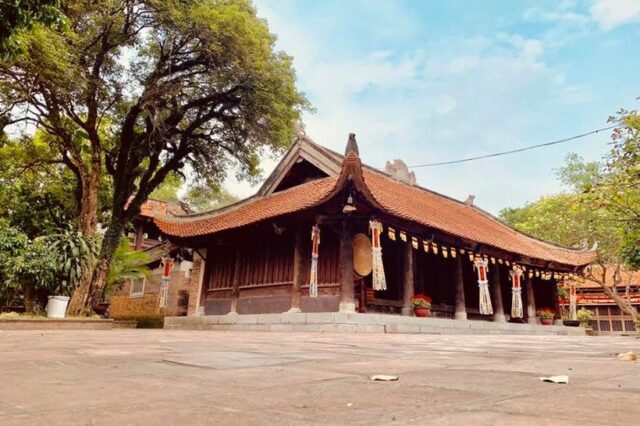
Trước đây, lễ hội được tổ chức vào ngày 01-11 Âm lịch hằng năm. Những năm gần đây, lễ hội chùa Vĩnh Nghiêm được tổ chức trong ba ngày từ ngày 12 đến ngày14 tháng 02.
Địa điểm
Phường Tân An, tỉnh Bắc Ninh.
Lễ hội chùa Vĩnh Nghiêm
Hội chùa Vĩnh Nghiêm được tổ chức quy mô và chặt chẽ, có sự tham gia của ba làng: La Thượng, La Trung và La Hạ. Cả ba làng đều cùng thờ ba vị Tổ Trúc Lâm Yên Tử và mỗi làng đảm nhận một phần lễ vật riêng, thể hiện nét đặc trưng truyền thống của mình.
Làng La Thượng chuẩn bị gạo nếp để thổi xôi, làm oản, hoa quả và hương đăng, đồng thời trang trí kiệu rước. Cỗ lễ của làng được sắp thành năm tầng hình tháp: tầng trên cùng là phẩm oản lớn, các tầng dưới lần lượt bày 4, 6, 8 và 10 phẩm oản.
Làng La Trung có truyền thống làm bánh dầy. Làng dành riêng một khu ruộng để Hội Người cao tuổi trồng lúa nếp “trục” – loại gạo trắng, thơm và dẻo. Hằng năm, từ loại nếp này, làng làm một chiếc bánh dầy lớn nặng khoảng 30–40kg, được trang trí đẹp mắt, đặt trong bóng kính và sắp lên kiệu rước.
Làng La Hạ chịu trách nhiệm chuẩn bị gạo nếp, đường đen để giã chè lam, nặn bánh và trang trí lên kiệu của làng mình.
Như vậy, lễ hội chùa La không chỉ là dịp tưởng nhớ các vị Tổ Trúc Lâm Yên Tử mà còn là nơi ba làng cùng góp lễ, thể hiện tinh thần đoàn kết và gìn giữ truyền thống văn hóa đặc sắc.
Chiều ngày 13, không khí lễ hội tại vùng Đức La trở nên rộn ràng và sôi nổi. Khắp ba làng La Thượng, La Trung, La Hạ đều treo đầy cờ, băng rôn, biểu ngữ trên các con đường, người dân và du khách từ khắp nơi nô nức kéo về chùa Vĩnh Nghiêm.
Đúng giờ quy định, các đoàn rước của ba làng lần lượt khởi hành từ trung tâm làng mình tiến về chùa. Dẫn đầu là đội múa lân sôi động, tiếp theo là đoàn rước của La Thượng, rồi La Trung và cuối cùng là La Hạ. Khi cả ba đoàn về đến trước cửa chùa, ban tổ chức hướng dẫn các đội ổn định đội hình để bắt đầu nghi lễ.
Theo truyền thống, ngày hội có ba nghi lễ chính:
- Lễ Phật tại Tam bảo do làng La Thượng phụ trách.
- Lễ Tam Tổ Thiền phái Trúc Lâm Yên Tử do làng La Trung đảm nhiệm.
- Lễ các Tổ kế tiếp của Thiền phái Trúc Lâm Yên Tử do làng La Hạ thực hiện.
Ba nghi lễ này thể hiện sự tôn kính đối với Phật và các vị Tổ của Thiền phái, đồng thời gắn kết tinh thần cộng đồng giữa ba làng La trong ngày hội truyền thống.
Trong ngày hội, đoàn rước của làng La Thượng được phép tiến vào khu vực Tiền đường. Khi đến cửa, cờ, lọng và chấp kích tản ra hai bên, kiệu đi thẳng vào Tam bảo. Tại đây, kiệu được quay đầu ra sân và hạ xuống. Mọi người trong đoàn đứng thành hai hàng hai bên, chắp tay niệm Phật. Lễ vật trên kiệu được các cụ trong làng đặt lên ban thờ Tam bảo để làm lễ Phật và dâng lễ dưới sự chủ trì của sư trụ trì.
Đoàn rước của La Trung được rước vào Nhà Tổ đệ nhất. Khi kiệu đến nơi, chiêng trống vang lên, cờ và chấp kích tản ra thành hàng dọc hai bên. Kiệu được hạ xuống trước sân Nhà Tổ, lễ vật là bánh dày được dâng cúng. Sau khi tế tổ xong, một nửa lễ vật để lại cho chùa, phần còn lại chia cho các cụ trong thôn làm lộc. Lễ tế tổ cũng do sư trụ trì điều hành.
Tiếp đó là đoàn rước của La Hạ, rước cỗ vào Nhà Tổ đệ nhị. Lễ vật do dân trong thôn đóng góp, mỗi hộ 2.000 đồng. Sau khi cúng tổ, một phần lễ vật để lại cho chùa, phần còn lại chia đều cho các gia đình trong thôn cùng hưởng lộc.
Buổi tối ngày 13 tháng 2 âm lịch, nhà chùa lập đàn giảng quy tại Tam bảo, tổ chức nhiều trò diễn dân gian mang nội dung Phật giáo như Quan Âm Thị Kính, Động Hương Tích, Thập điện Diêm Vương, Mục Kiền Liên cứu mẹ,… Đây là hoạt động tín ngưỡng mang tính giáo dục, thu hút đông đảo khách hành hương và dân trong vùng.
Vào sáng và tối trong ngày giỗ tổ, chùa thỉnh chuông, tụng kinh hoằng dương Phật pháp. Trong suốt hai ngày 13 và 14 tháng 2 âm lịch, con hương đệ tử, dân trong xã và khách thập phương nô nức về chùa Vĩnh Nghiêm dự lễ, dâng hương niệm Phật và cúng tổ tại hai Nhà Tổ.
Không khí lễ hội tràn ngập khắp ba làng La của xã Đức La xưa (nay là các thôn Nam Thành, Bắc Thành, Đức Thành, Thanh Long). Người dân cùng khách thập phương đều thành tâm hướng về chùa, tưởng nhớ ngày giỗ tổ và cầu Phật ban phúc lành.
Trò chơi trong lễ hội
Tiếp theo phần lễ là phần hội, kể cả xưa và nay gồm rất nhiều trò chơi có tính chất văn hóa, thể thao dân gian bổ ích, hấp dẫn, thể hiện tinh thần thượng võ như: Đánh đu, kéo co, vật dân tộc, đập niêu, bịt mắt bắt dê,… Trong khu vực nội tự các cụ bà tổ chức các trò nhà Phật.
Tài liệu tham khảo
- Nguyễn Xuân Cần (chủ biên, 2004), Chốn tổ Vĩnh Nghiêm, Bảo tàng Bắc Giang.
- Nguyễn Duy Hinh (2009), Lịch sử đạo Phật Việt Nam, Nxb. Tôn giáo & Nxb. Từ điển Bách khoa, Hà Nội.
- Nguyễn Lang (1979), Viêṭ Nam Phâṭ giáo sử luâṇ , Nxb. Văn học, Hà Nội.
- Kỷ yếu Hội thảo Khoa học (2011), Chùa Vĩnh Nghiêm, Bắc Giang và Thiền phái Trúc Lâm trong quá trình phát triển Phật giáo Việt Nam, Nxb. Thông tấn, Hà Nội.
- Kỷ yếu hội thảo Khoa học (2013), Bảo tồn, khai thác giá trị mộc bản chùa Vĩnh Nghiêm – Bắc Giang.
- Nguyễn Văn Phong (2005), Kho mộc thư chùa Vĩnh Nghiêm với những giá trị văn hóa, Hán Nôm, số 5.
- BQL Di tích lịch sử văn hóa huyện Yên Dũng, tỉnh Bắc Giang, 2019, Lễ hội chùa Vĩnh Nghiêm, truy cập tại: https://tayyentu.bacgiang.gov.vn/tin-net-dep-van-hoa/-/asset_publisher/78zb9JgoEdjl/content/le-hoi-chua-vinh-nghiem
Ngôn ngữ khác
Tiếng Anh
Vinh Nghiem Pagoda Festival (La Pagoda) – Tan An Ward, Bac Ninh Province
Festival Time
In the past, the festival was held annually on the 1st–11th days of the Lunar Calendar. In recent years, the Vinh Nghiem Pagoda Festival has been celebrated over three days, from the 12th to the 14th day of the second lunar month.
Location
Tan An Ward, Bac Ninh Province
Vinh Nghiem Pagoda Festival
Preparation
The Vinh Nghiem Pagoda Festival is organized on a large and orderly scale, with the participation of three villages: La Thuong, La Trung, and La Ha. All three villages worship the Three Patriarchs of the Truc Lam Yen Tu Zen School, and each village is responsible for preparing a specific offering that reflects its own traditional identity.
La Thuong Village prepares glutinous rice for steamed sticky rice (xoi), oan cakes, fruits, incense, and candles, and also decorates the palanquin used in the procession. The offering tray of the village is arranged in a five-tiered tower: the top tier holds the largest oan cake, while the lower tiers display 4, 6, 8, and 10 oan cakes respectively.
La Trung Village has a long-standing tradition of making banh day (round sticky rice cake). The village reserves a special field where the Elderly Association grows truc sticky rice—a fragrant, soft, white variety. Every year, using this rice, the villagers prepare a large banh day weighing about 30–40 kg, beautifully decorated, placed in a transparent cover, and set on a palanquin for the procession.
La Ha Village is responsible for preparing glutinous rice and black sugar to make che lam (a traditional glutinous rice sweet), molding the cakes, and decorating their village’s palanquin.
Thus, the La Pagoda Festival is not only an occasion to honor the Patriarchs of the Truc Lam Yen Tu Zen School but also an event where the three villages jointly present offerings, demonstrating unity and the preservation of their distinctive cultural traditions.
During the Festival
On the afternoon of the 13th day, the festive atmosphere in the Duc La region becomes lively and vibrant. Across the three villages—La Thuong, La Trung, and La Ha—flags, banners, and decorations line the streets, while locals and visitors from near and far gather at Vinh Nghiem Pagoda.
At the appointed time, the procession teams of the three villages depart from their village centers and head toward the pagoda. Leading the processions is a lively lion dance troupe, followed by La Thuong, La Trung, and finally La Ha. When all three processions arrive at the pagoda gate, the organizers guide them to form proper lines to begin the ceremonies.
According to tradition, the festival includes three main rituals:
-
Buddha Worship Ceremony at the Triple Gem Hall (Tam Bao) – performed by La Thuong Village
-
Ceremony Honoring the First Three Patriarchs of the Truc Lam Yen Tu Zen School – performed by La Trung Village
-
Ceremony Honoring the Successive Patriarchs of the Truc Lam Zen School – performed by La Ha Village
These three rituals express reverence for the Buddha and the Zen Patriarchs, while strengthening the communal bonds among the three La villages during the traditional festival.
During the ceremony, the La Thuong procession is permitted to enter the Forecourt Hall (Tien Duong). At the entrance, flags, parasols, and ceremonial weapons move aside, allowing the palanquin to proceed straight into the Triple Gem Hall. Inside, the palanquin is turned outward toward the courtyard and lowered. Members of the procession stand in two rows, their palms joined in prayer. The offering trays are placed on the altar under the guidance of the abbot for the Buddha worship ceremony.
The La Trung procession is guided to the First Patriarch Hall (Nha To De Nhat). As the palanquin arrives, drums and gongs sound, and ceremonial flags and staffs form two lines. The palanquin is lowered in front of the hall, and the banh day offering is presented. After the ancestral ceremony, half of the offering is left at the pagoda, while the remainder is distributed to the village elders as sacred blessings (loc). The ceremony is conducted by the abbot.
Next is the La Ha procession, which brings offerings to the Second Patriarch Hall (Nha To De Nhi). The offerings are contributed by the villagers, each household donating 2,000 VND. After the ancestral ceremony, part of the offering remains at the pagoda and the rest is shared equally among the households in the village.
On the evening of the 13th day of the second lunar month, the pagoda sets up a Dharma preaching platform in the Triple Gem Hall, presenting various folk performances with Buddhist themes such as Quan Am Thi Kinh, Dong Huong Tich, Ten Courts of Hell, and Muc Kien Lien Saving His Mother. These educational spiritual performances attract many pilgrims and local residents.
On the morning and evening of the ancestral commemoration day, the pagoda rings the bell and conducts sutra chanting sessions to propagate the Dharma. Throughout the two days of the 13th and 14th of the second lunar month, disciples, villagers, and visitors from all over flock to Vinh Nghiem Pagoda to participate in the ceremonies, offer incense, chant Buddha’s name, and pay homage to the Patriarchs in the two Patriarch Halls.
The festive atmosphere fills the three La villages of ancient Duc La (now the hamlets of Nam Thanh, Bac Thanh, Duc Thanh, and Thanh Long). Locals and visitors alike sincerely turn toward the pagoda to commemorate the Patriarchs and pray for the Buddha’s blessings.
Games and Activities
Following the ceremonies is the festive portion, which—both in the past and today—includes numerous traditional cultural and sporting folk games demonstrating strength and martial spirit, such as swinging, tug-of-war, traditional wrestling, pot smashing, and blindfolded goat-catching. Inside the temple precincts, elderly women organize Buddhist-themed games and activities.
References
- Nguyễn Xuân Cần (chủ biên, 2004), Chốn tổ Vĩnh Nghiêm, Bảo tàng Bắc Giang.
- Nguyễn Duy Hinh (2009), Lịch sử đạo Phật Việt Nam, Nxb. Tôn giáo & Nxb. Từ điển Bách khoa, Hà Nội.
- Nguyễn Lang (1979), Viêṭ Nam Phâṭ giáo sử luâṇ , Nxb. Văn học, Hà Nội.
- Kỷ yếu Hội thảo Khoa học (2011), Chùa Vĩnh Nghiêm, Bắc Giang và Thiền phái Trúc Lâm trong quá trình phát triển Phật giáo Việt Nam, Nxb. Thông tấn, Hà Nội.
- Kỷ yếu hội thảo Khoa học (2013), Bảo tồn, khai thác giá trị mộc bản chùa Vĩnh Nghiêm – Bắc Giang.
- Nguyễn Văn Phong (2005), Kho mộc thư chùa Vĩnh Nghiêm với những giá trị văn hóa, Hán Nôm, số 5.
- BQL Di tích lịch sử văn hóa huyện Yên Dũng, tỉnh Bắc Giang, 2019, Lễ hội chùa Vĩnh Nghiêm, truy cập tại: https://tayyentu.bacgiang.gov.vn/tin-net-dep-van-hoa/-/asset_publisher/78zb9JgoEdjl/content/le-hoi-chua-vinh-nghiem
Tiếng Pháp
Fête de la Pagode Vinh Nghiem (Pagode La) – quartier Tan An, province de Bac Ninh
Période de célébration
Autrefois, la fête avait lieu chaque année du 1ᵉʳ au 11ᵉ jour du calendrier lunaire. Ces dernières années, la Fête de la Pagode Vinh Nghiem se déroule sur trois jours, du 12 au 14 du deuxième mois lunaire.
Lieu
Quartier Tan An, province de Bac Ninh
Fête de la Pagode Vinh Nghiem
Préparatifs
La fête de la Pagode Vinh Nghiem est organisée à grande échelle et de manière rigoureuse, avec la participation de trois villages : La Thuong, La Trung et La Ha. Les trois villages vénèrent les Trois Patriarches de l’école zen Truc Lam Yen Tu, et chacun prépare un type d’offrande particulier reflétant son identité traditionnelle.
Le village de La Thuong prépare du riz gluant pour le xoi (riz gluant cuit à la vapeur), des gâteaux oan, des fruits, de l’encens et des chandelles, ainsi que la décoration du palanquin. Le plateau d’offrandes est arrangé en une tour de cinq niveaux : au sommet se trouve le plus grand gâteau oan, tandis que les niveaux inférieurs portent respectivement 4, 6, 8 et 10 gâteaux.
Le village de La Trung a une longue tradition de confection du banh day (gâteau rond de riz gluant). Le village réserve un champ particulier où l’Association des Personnes Âgées cultive le riz gluant truc — une variété blanche, parfumée et très collante. Chaque année, le village prépare, à partir de ce riz, un grand banh day de 30 à 40 kg, admirablement décoré, placé sous une cloche de verre et installé sur un palanquin.
Le village de La Ha est chargé de préparer le riz gluant et le sucre noir pour fabriquer le che lam (friandise traditionnelle de riz gluant), de façonner les gâteaux, et de décorer le palanquin du village.
→ Ainsi, la fête de la Pagode La n’est pas seulement une occasion d’honorer les Patriarches de l’école zen Truc Lam Yen Tu, mais aussi un événement où les trois villages contribuent ensemble aux offrandes, exprimant leur unité et préservant leurs traditions culturelles distinctives.
Déroulement de la fête
L’après-midi du 13ᵉ jour, l’atmosphère festive dans la région de Duc La devient animée et joyeuse. Dans les trois villages — La Thuong, La Trung et La Ha — des drapeaux, banderoles et panneaux décorent les rues, tandis que les habitants et les visiteurs affluent vers la Pagode Vinh Nghiem.
À l’heure prévue, les cortèges processionnels des trois villages quittent leur centre respectif pour se diriger vers la pagode. En tête défile une troupe de danse du lion, suivie du cortège de La Thuong, puis de La Trung, et enfin de La Ha. Lorsque les trois cortèges arrivent devant la pagode, le comité d’organisation les guide afin de former les rangs pour les rituels.
Selon la tradition, la fête comprend trois cérémonies principales :
-
Cérémonie d’offrande au Bouddha dans le hall du Triple Joyau (Tam Bao) – assurée par le village de La Thuong
-
Cérémonie dédiée aux Trois Patriarches de l’école zen Truc Lam Yen Tu – assurée par le village de La Trung
-
Cérémonie dédiée aux Patriarches ultérieurs de l’école Truc Lam – assurée par le village de La Ha
Ces cérémonies expriment la révérence envers le Bouddha et les Patriarches du zen Truc Lam, tout en renforçant les liens communautaires entre les trois villages La.
Pendant la cérémonie, le cortège de La Thuong est autorisé à entrer dans le hall antérieur (Tien Duong). À l’entrée, drapeaux, parasols et armes rituelles s’écartent pour laisser passer le palanquin, qui avance jusqu’au Tam Bao. Il y est tourné vers la cour puis abaissé. Les participants se tiennent en deux rangs, mains jointes, récitant le Bouddha. Les offrandes sont installées sur l’autel sous la direction de l’abbé pour la cérémonie d’offrande au Bouddha.
Le cortège de La Trung est conduit au Premier Hall des Patriarches (Nha To De Nhat). À son arrivée, tambours et gongs retentissent, et drapeaux et armes s’alignent de part et d’autre. Le palanquin est déposé devant le hall et le banh day est présenté. Après le rite ancestral, la moitié de l’offrande reste à la pagode et l’autre moitié est distribuée aux anciens du village en tant que bénédiction (loc). L’abbé dirige la cérémonie.
Ensuite vient le cortège de La Ha, qui apporte les offrandes au Second Hall des Patriarches (Nha To De Nhi). Les offrandes sont financées par les habitants, chaque foyer versant 2 000 VND. Après le rite, une partie reste à la pagode et le reste est distribué équitablement aux familles.
Le soir du 13ᵉ jour du deuxième mois lunaire, la pagode installe un autel de prédication au Tam Bao et organise diverses représentations populaires à thème bouddhique : Quan Am Thi Kinh, Dong Huong Tich, Les Dix Cours de l’Enfer, Muc Kien Lien sauvant sa mère, etc. Ces activités spirituelles à vocation éducative attirent de nombreux pèlerins et villageois.
Le matin et le soir du jour de commémoration des Patriarches, la pagode sonne la cloche et récite les sutras pour propager le Dharma. Durant les 13ᵉ et 14ᵉ jours du deuxième mois lunaire, disciples, villageois et visiteurs de toutes régions affluent à la Pagode Vinh Nghiem pour participer aux rites, offrir de l’encens, réciter le nom du Bouddha et rendre hommage aux Patriarches aux deux Halls ancestraux.
L’atmosphère festive se répand dans les trois villages La de l’ancienne commune de Duc La (désormais Nam Thanh, Bac Thanh, Duc Thanh et Thanh Long). Habitants et pèlerins se tournent avec sincérité vers la pagode pour se souvenir des Patriarches et prier pour les bénédictions du Bouddha.
Jeux et activités
Après la partie rituelle vient la partie festive, qui — autrefois comme aujourd’hui — comprend de nombreux jeux populaires traditionnels à caractère culturel ou sportif, manifestant l’esprit martial : balançoire, tir à la corde, lutte traditionnelle, jeu de la marmite en terre, attraper la chèvre les yeux bandés, etc. Dans l’enceinte de la pagode, les femmes âgées organisent divers jeux à thème bouddhique.
Références
- Nguyễn Xuân Cần (chủ biên, 2004), Chốn tổ Vĩnh Nghiêm, Bảo tàng Bắc Giang.
- Nguyễn Duy Hinh (2009), Lịch sử đạo Phật Việt Nam, Nxb. Tôn giáo & Nxb. Từ điển Bách khoa, Hà Nội.
- Nguyễn Lang (1979), Viêṭ Nam Phâṭ giáo sử luâṇ , Nxb. Văn học, Hà Nội.
- Kỷ yếu Hội thảo Khoa học (2011), Chùa Vĩnh Nghiêm, Bắc Giang và Thiền phái Trúc Lâm trong quá trình phát triển Phật giáo Việt Nam, Nxb. Thông tấn, Hà Nội.
- Kỷ yếu hội thảo Khoa học (2013), Bảo tồn, khai thác giá trị mộc bản chùa Vĩnh Nghiêm – Bắc Giang.
- Nguyễn Văn Phong (2005), Kho mộc thư chùa Vĩnh Nghiêm với những giá trị văn hóa, Hán Nôm, số 5.
- BQL Di tích lịch sử văn hóa huyện Yên Dũng, tỉnh Bắc Giang, 2019, Lễ hội chùa Vĩnh Nghiêm, truy cập tại: https://tayyentu.bacgiang.gov.vn/tin-net-dep-van-hoa/-/asset_publisher/78zb9JgoEdjl/content/le-hoi-chua-vinh-nghiem
Tiếng Trung
永严寺庙会(羅寺庙会)——北宁省新安坊
举行时间
过去,庙会每年于农历十一月初一至十一日举行。近些年,永严寺庙会改为在农历二月十二日至十四日为期三天举行。
地点
北宁省新安坊。
永严寺庙会
准备工作
永严寺庙会规模宏大、组织严密,由羅上、羅中、羅下三个村共同参与。三村共同奉祀竹林安子禅派三位祖师(Truc Lam Yen Tu),并各自负责不同的祭品,体现其独有的传统特色。
羅上村负责准备糯米蒸糯饭(xoi)、制作“oan”供品、鲜果、香烛,并负责装饰本村的祭轿。其供品按塔形分五层陈设:最上层为最大份的“oan”,其下四层分别陈放4、6、8、10份供品。
羅中村世代以制作“粘糕(banh day)”闻名。村中特设一块田,由老年人协会专门种植“truc”糯米——米色洁白、芳香、黏性高。每年以此糯米制成一枚重约30–40公斤的大粘糕,装饰精美,放入玻璃罩内,置于祭轿之上。
羅下村负责准备糯米与黑糖制作“茶蓝(che lam)”传统甜点,并负责捏制糕点、装饰祭轿。
→ 因此,羅寺庙会不仅是纪念竹林安子禅派诸祖的日子,亦是三村共同献礼、展现团结与守护优秀文化传统的重要场合。
庙会期间
农历十三日下午,德羅地区的节庆气氛变得格外热闹。羅上、羅中、羅下三村街道张挂彩旗与横幅,村民与四方来客纷纷涌向永严寺。
按照规定时间,三村的迎轿队伍从各自村中心出发前往寺院。最前为热闹的舞狮队,其后依次为羅上、羅中、羅下的迎轿队。三队抵达寺门后,由组委会引导队伍列阵以开始仪式。
传统上,庙会有三项主要祭礼:
-
三宝佛礼(由羅上村负责)
-
竹林安子禅派三祖礼(由羅中村负责)
-
竹林禅派历代诸祖礼(由羅下村负责)
三项祭礼表达对佛陀与禅派祖师的崇敬,也象征三羅村在传统节日中的共同联结。
祭典仪式
羅上村迎轿可进入前殿(Tien Duong)。至门口时,彩旗、华盖与仪仗左右分列,祭轿直入三宝殿(Tam Bao),然后旋转面向院落并下轿。随行人员分两列肃立,合掌念佛。长者将供品置于三宝殿供桌,由住持主持佛礼与奉献仪式。
羅中村迎轿进入第一祖师殿(Nha To De Nhat)。轿至,锣鼓齐鸣,仪仗分列两侧。祭轿停于殿前,粘糕供品呈献。祭祖礼成后,一半供品留寺,其余分给村中老人作为福禄(loc)。仪式由住持主持。
羅下村迎轿进入第二祖师殿(Nha To De Nhi)。供品由村民共同捐献,每户2,000越盾。祭祖后,一部分供品留寺,其余平均分给村民共享福禄。
晚间活动
农历二月十三日晚,寺院于三宝殿设法坛讲经,并演出多种具有佛教主题的民间剧目,如《观音氏敬》(Quan Am Thi Kinh)、《香积洞》(Dong Huong Tich)、《十殿阎王》、《目犍连救母》等。这些活动具宗教教育意义,吸引大量香客与当地居民。
诵经与礼祖
在祭祖日的早晚,寺院敲钟、诵经弘扬佛法。农历二月十三、十四两日,弟子、乡民及四方信众纷至沓来,礼佛、献香、念佛,并在两座祖师殿奉祭。
节庆气氛遍布古德羅社的三羅村(今南城、北城、德城、青龙四地)。村民与客众虔诚向寺院礼敬祖师、祈愿佛恩庇佑。
庙会游戏
祭礼结束后进入庙会娱乐部分,古今皆保留许多具有文化性与体育性的民俗游戏,富有娱乐性且体现尚武精神:荡秋千、拔河、传统摔跤、击破陶罐、蒙眼捉羊等。在寺院内庭,老妇人们组织与佛教相关的各类小游戏。
参考文献
- Nguyễn Xuân Cần (chủ biên, 2004), Chốn tổ Vĩnh Nghiêm, Bảo tàng Bắc Giang.
- Nguyễn Duy Hinh (2009), Lịch sử đạo Phật Việt Nam, Nxb. Tôn giáo & Nxb. Từ điển Bách khoa, Hà Nội.
- Nguyễn Lang (1979), Viêṭ Nam Phâṭ giáo sử luâṇ , Nxb. Văn học, Hà Nội.
- Kỷ yếu Hội thảo Khoa học (2011), Chùa Vĩnh Nghiêm, Bắc Giang và Thiền phái Trúc Lâm trong quá trình phát triển Phật giáo Việt Nam, Nxb. Thông tấn, Hà Nội.
- Kỷ yếu hội thảo Khoa học (2013), Bảo tồn, khai thác giá trị mộc bản chùa Vĩnh Nghiêm – Bắc Giang.
- Nguyễn Văn Phong (2005), Kho mộc thư chùa Vĩnh Nghiêm với những giá trị văn hóa, Hán Nôm, số 5.
- BQL Di tích lịch sử văn hóa huyện Yên Dũng, tỉnh Bắc Giang, 2019, Lễ hội chùa Vĩnh Nghiêm, truy cập tại: https://tayyentu.bacgiang.gov.vn/tin-net-dep-van-hoa/-/asset_publisher/78zb9JgoEdjl/content/le-hoi-chua-vinh-nghiem