

Vị trí di tích và bối cảnh lịch sử
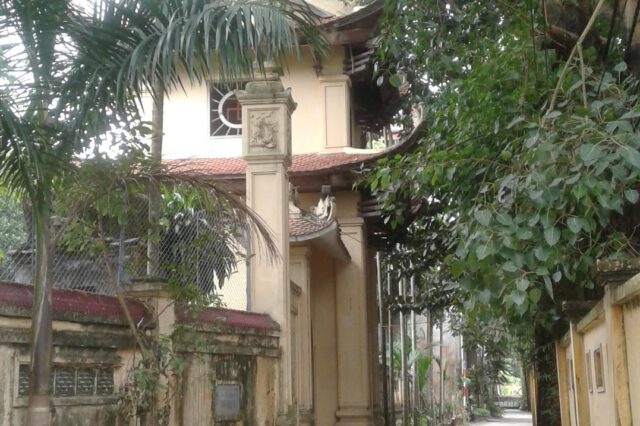
Tại thôn Viên, xã Cổ Nhuế, huyện Từ Liêm (nay thuộc quận Bắc Từ Liêm, Hà Nội) có hai di tích kiến trúc văn hóa nghệ thuật quan trọng là Chùa Anh Linh và Đền Chúa Cổ Nhuế. Hai di tích này gắn liền với sự kiện lịch sử thời Trần chống giặc Nguyên – Mông, đồng thời gắn với quá trình chiêu dân, lập ấp, hình thành làng Việt cổ ở vùng Cổ Nhuế.
Sự hình thành làng xã nơi đây gắn bó mật thiết với công lao của công chúa Túc Trinh, con gái vua Trần Thánh Tông. Sau chiến thắng quân Nguyên – Mông lần thứ nhất năm 1258, triều đình nhà Trần chủ trương phục hồi sản xuất, khai khẩn ruộng đất hoang hóa để ổn định đời sống nhân dân và củng cố quốc gia. Nhà vua đã ban chiếu cho các vương hầu, công chúa chiêu tập dân phiêu tán, mở rộng vùng ven kinh thành Thăng Long.
Theo chiếu chỉ ấy, công chúa Túc Trinh đã rời cung điện nguy nga, từ bỏ cuộc sống lầu son gác tía để ra vùng phía Tây Bắc kinh thành Thăng Long. Bà đem tiền bạc phát chẩn cho dân nghèo, cấp vốn dựng nhà, khai hoang, phục hóa ruộng đồng. Bà cùng nhân dân áo nâu chân đất, “đồng cam cộng khổ”, biến đồng hoang cỏ dại thành ruộng lúa xanh tươi, dựng xóm, lập làng Kẻ Noi (nay là xã Cổ Nhuế). Sau khi lập làng Cổ Nhuế Viên, bà tiếp tục đến làng An Nội (An Hội), xã Liên Mạc, huyện Từ Liêm để tiếp tục việc chiêu dân, khai hoang, hướng dẫn dân phát triển nông nghiệp.
Không chỉ lo việc sản xuất, bà còn cho xây dựng chùa Anh Linh, ngày đêm chăm lo Phật đạo, giáo hóa chúng sinh, hướng dân sống hiền thiện, chăm chỉ làm ăn. Bà mất ngày mùng 2 tháng 8 âm lịch. Để tưởng nhớ công đức to lớn ấy, nhân dân xã Cổ Nhuế tôn bà làm Hậu Phật tại chùa Anh Linh và chùa Thiên Phúc; các đền, miếu trong thôn thờ bà với tên gọi Tối Linh Từ và suy tôn bà là Thần Chủ. Lễ hội đền Chúa xã Cổ Nhuế chính là ngày giỗ của công chúa Túc Trinh, thể hiện đạo lý “uống nước nhớ nguồn” của cộng đồng.
Thời gian và quy mô lễ hội
Lễ hội được tổ chức hằng năm vào dịp đầu tháng 8 âm lịch, kéo dài trong ba ngày (30/7, 1/8 và 2/8 âm lịch), với sự tham gia của nhân dân hai làng Cổ Nhuế và An Hội.
Đêm 30 tháng 7 âm lịch: làm lễ mở cửa đền.
Giờ Tý ngày mồng 1 tháng 8 âm lịch: lễ mộc dục và cúng thức.
Ngày mồng 2 tháng 8 âm lịch: chính kỵ của Chúa Bà.
Ngày giỗ Chúa, toàn dân làm cỗ chay, ăn chay, tuyệt đối không rước tượng Chúa đi viễn du. Đây là một lệ làng được tuân thủ nghiêm ngặt qua nhiều đời.
Diễn trình lễ hội
Ngày 30 tháng 7 âm lịch – Chuẩn bị và mở hội
Buổi sáng, quân kiệu nam tiến hành bao sái kiệu và chuyển giá văn từ đình về đền. Đội tế lễ mang lễ lên mộ Chúa để làm lễ tế cáo. Buổi chiều, ban tế và đội dâng hương làng An Hội đến cúng tế. Đến đêm, các cụ trong đội tế làm lễ mở cửa đền, chính thức khởi đầu lễ hội.
Ngày 1 tháng 8 âm lịch – Nghi lễ trọng tâm
- Lễ mộc dục: Rạng sáng giờ Tý diễn ra lễ mộc dục (tắm tượng). Nghi lễ này do một vị bô lão trong làng đảm nhiệm. Vị bô lão mặc trang phục truyền thống chỉnh tề: đầu đội khăn xếp, quần chùng, áo dài, chân đi hài vân sảo, tất cả đều màu đỏ.
Người thực hiện lễ phải giữ mình thanh tịnh: ăn chay một tháng, không ngủ chung với phụ nữ và tuân thủ nghiêm các điều kiêng kỵ. Nước dùng trong lễ phải là nước mưa tinh khiết nấu với ngũ vị hương. Người nấu nước là phụ nữ và cũng phải giữ chay tịnh như vị bô lão.
Trước khi tiến hành nghi lễ, vị bô lão thực hiện quán tẩy (rửa tay) và tẩy uế (vẩy nước thơm lên người, xoa lên mặt, đầu và hai tay). Sau khi tắm tượng Chúa Bà, đồ mã cũ được đem đốt và dâng y phục mới.
Y phục cũ của Chúa Bà được người dân trân trọng xin lại đem về đặt trên bàn thờ tổ tiên hoặc giữ làm vật hộ mệnh. Người dân tin rằng đó là vật linh thiêng giúp gia đình bình an, làm ăn hưng thịnh; trẻ nhỏ không sợ ma quỷ; người già cầu mong khi qua đời được Chúa Bà dẫn về cảnh giới an lành.
- Lễ cúng thực và khai quang: Sau lễ mộc dục là lễ cúng thức. Chủ tế đọc chúc văn ca ngợi công đức của công chúa Túc Trinh, cầu mong quốc thái dân an.
Khoảng 8 giờ sáng, sau khóa lễ cúng Phật tại chùa Anh Linh, đội tế về đền Chúa làm lễ khai quang, yên vị và xin Chúa cúng giỗ. Ngày giỗ Chúa gọi là lễ “đối kỵ”, có dâng lục cúng gồm: hương, hoa, trà, quả, đăng, thực.
Lễ cúng thực gồm: cơm tẻ nấu bằng gạo lật, muối vừng, trám đen muối, giá luộc, tương, canh đậu xanh. Sau đó dâng chè kho, chè lam, kẹo lạc. Tất cả đều là cỗ chay, mang đậm nét văn hóa thanh đạm của cư dân nông nghiệp.
Các gia đình trong làng mang sản vật tự làm như mít, dừa, lựu, chuối, na, cam, mía, khoai luộc… đến dâng lễ. Những nhà ở dọc trục đường Cổ Nhuế – Chèm đều bày bàn nhỏ trước cửa, đặt hoa quả, hương đèn, oản phẩm để dâng Chúa Bà, cầu mong gia đình mạnh khỏe, làm ăn phát đạt.
Sau lễ khai quang, các đoàn từ làng xã lân cận và khách thập phương vào dâng hương đến tận xế chiều.
Ban đêm, tại đền tổ chức hát chèo, diễn tuồng, múa lân, múa rồng, đọc và bình thơ rất sôi nổi, tạo không khí lễ hội vừa trang nghiêm vừa vui tươi.
Ngày 2 tháng 8 âm lịch – Chính kỵ Chúa Bà
Ngày này là chính kỵ của công chúa Túc Trinh. Nhân dân hai làng tiếp tục dâng hương tưởng niệm, duy trì các nghi thức tế lễ theo truyền thống. Không khí trang nghiêm xen lẫn niềm tự hào về người đã có công khai phá, lập làng.
Giá trị văn hóa và ý nghĩa lễ hội
Lễ hội đền Chúa xã Cổ Nhuế không chỉ là một ngày giỗ đơn thuần mà còn là biểu tượng của tinh thần khai hoang lập ấp, của truyền thống cần cù lao động và lòng nhân ái. Qua lễ hội, hình ảnh công chúa Túc Trinh hiện lên như một vị nữ anh hùng văn hóa – người từ bỏ nhung lụa cung đình để sống giữa nhân dân, chia sẻ khó khăn và kiến tạo cuộc sống mới.
Những nghi thức như mộc dục, ăn chay toàn dân, không rước viễn du, hay việc giữ gìn y phục cũ làm vật hộ mệnh đều phản ánh tín ngưỡng dân gian sâu sắc, đồng thời cho thấy sự kết hợp hài hòa giữa yếu tố Phật giáo và tín ngưỡng thờ nhân thần.
Trải qua bao biến thiên của lịch sử và quá trình đô thị hóa, lễ hội đền Chúa vẫn được cộng đồng duy trì, trở thành một nét đẹp văn hóa đặc trưng của vùng đất Cổ Nhuế – Hà Nội. Đây không chỉ là dịp tưởng nhớ tiền nhân mà còn là cơ hội gắn kết cộng đồng, gìn giữ bản sắc văn hóa truyền thống cho các thế hệ mai sau.
Tài liệu tham khảo
- Nguyễn Thụy An (Biên soạn), 2015, Lễ hội Việt Nam, Nxb Thanh niên.
- Thạc Phương – Lê Trung Vũ (2015), 60 lễ hội truyền thống Việt Nam, Nxb Tổng hợp Thành phố Hồ Chí Minh.
Ngôn ngữ khác
Tiếng Anh
Location of monument and context history
At hamlet Vien, commune Co Nhue, district Tu Liem (now belong district Bac Tu Liem, Ha Noi) have two monument architecture culture art important are Pagoda Anh Linh and Temple Chua Co Nhue. Two monument this attach close with event history time Tran dynasty resist enemy Mongol invasions of Vietnam, same time attach with process gather people, establish hamlet, form village Viet ancient in region Co Nhue.
Formation village commune here attach close with merit of princess Tuc Trinh princess, daughter king Tran Thanh Tong. After victory army Nguyen – Mong time first year 1258, court Tran dynasty advocate restore production, reclaim field land abandon to stabilize life people and strengthen nation. King already issue decree for princes, princess gather people disperse, expand region ven capital Thang Long.
Follow decree that, princess Tuc Trinh already leave palace magnificent, abandon life luxury palace to go region phía Northwest capital Thang Long. She bring money distribute relief for people poor, provide capital build house, reclaim land, restore field. She with people clothes brown foot bare, “share hardship together”, transform field wild grass become rice field green, build hamlet, establish village Ke Noi (now is commune Co Nhue). After establish village Co Nhue Vien, she continue go village An Noi (An Hoi), commune Lien Mac, district Tu Liem to continue work gather people, reclaim land, guide people develop agriculture.
Not only care work production, she also let build Pagoda Anh Linh, day night care Buddhism, teach living beings, guide people live gentle good, diligent work. She die day 2 month 8 lunar. To remember merit great that, people commune Co Nhue honor she make Hau Phat at Pagoda Anh Linh and Pagoda Thien Phuc; temples, shrines in hamlet worship she with name Toi Linh Tu and honor she is Than Chu. Festival temple Chua commune Co Nhue exactly is death anniversary of princess Tuc Trinh, express morality “drink water remember source” of community.
Time and scale festival
Festival be organize every year at beginning month 8 lunar, last in three day (30/7, 1/8 and 2/8 lunar), with participation of people two village Co Nhue and An Hoi.
Night 30 month 7 lunar: perform ceremony open door temple.
Hour Ty day 1 month 8 lunar: ceremony moc duc and offering food.
Day 2 month 8 lunar: main death anniversary of Lady.
Day death anniversary Lady, whole people make tray vegetarian, eat vegetarian, absolute not procession statue Lady go travel far. This is rule village be obey strict through many generation.
Process festival
Day 30 month 7 lunar – Prepare and open festival
Morning, team palanquin male conduct clean palanquin and move throne document from communal house return temple. Team ritual bring offering go tomb Lady to perform ceremony report. Afternoon, board ritual and team offer incense village An Hoi come worship. Until night, elders in team ritual perform ceremony open door temple, official begin festival.
Day 1 month 8 lunar – Ritual central
Ceremony moc duc: Early dawn hour Ty take place ceremony moc duc (bathe statue). Ritual this by one elder in village undertake. Elder wear costume tradition proper: head wear khăn xếp, trousers loose, áo dài, foot wear shoes van sao, all color red.
Person perform ceremony must keep self pure: eat vegetarian one month, not sleep with woman and follow strict taboos. Water use in ceremony must rain water pure cook with five fragrance herb. Person cook water is woman and also must keep vegetarian pure like elder.
Before perform ritual, elder carry out wash hand and cleanse impurity (sprinkle water fragrance on body, rub on face, head and two hand). After bathe statue Lady, paper offering old be burn and offer clothing new.
Clothing old of Lady be people respectfully ask take back bring home place on altar ancestor or keep make object protect. People believe that is object sacred help family peace, work prosperous; children small not fear ghost; elderly pray when die be Lady lead return realm peaceful.
Ceremony offer food and khai quang: After ceremony moc duc is ceremony offer food. Chief ritual read prayer praise merit of princess Tuc Trinh, pray nation peace people safe.
About 8 hour morning, after ceremony worship Buddha at Pagoda Anh Linh, team ritual return temple Chua perform ceremony khai quang, settle position and ask Lady accept death anniversary offering. Day death anniversary Lady call ceremony “doi ky”, have offer six offering include: incense, flower, tea, fruit, lamp, food.
Offering food include: rice cook from brown rice, salt sesame, olive black salted, bean sprout boiled, soy sauce, soup green bean. After that offer sweet cake che kho, che lam, candy peanut. All are tray vegetarian, carry characteristic culture simple of resident agriculture.
Families in village bring product self make like jackfruit, coconut, pomegranate, banana, custard apple, orange, sugarcane, sweet potato boiled… come offer ritual. Houses along axis road Co Nhue – Chem all display small table before door, place fruit flower, incense lamp, cake offering to Lady, pray family healthy, work successful.
After ceremony khai quang, delegations from villages communes neighbor and visitors everywhere come offer incense until late afternoon.
Night, at temple organize hat cheo, perform tuong theatre, lion dance, dragon dance, read and comment poetry very lively, create atmosphere festival both solemn and joyful.
Day 2 month 8 lunar – Main death anniversary Lady
Day this is main death anniversary of princess Tuc Trinh. People two village continue offer incense commemorate, maintain rituals worship follow tradition. Atmosphere solemn mix with pride about person have merit reclaim land, establish village.
Value culture and meaning festival
Festival temple Chua commune Co Nhue not only is one day death anniversary simple but also is symbol of spirit reclaim land establish hamlet, of tradition diligent labor and compassion. Through festival, image princess Tuc Trinh appear like one female hero culture – person abandon silk palace to live among people, share hardship and create life new.
Rituals like moc duc, whole people eat vegetarian, not procession travel far, or keeping clothing old make object protect all reflect belief folk deep, same time show combination harmony between element Buddhism and belief worship human deity.
Through many change of history and process urbanization, festival temple Chua still be community maintain, become one beauty culture characteristic of land Co Nhue – Ha Noi. This not only is occasion remember ancestor but also is opportunity connect community, preserve identity culture tradition for generations future.
Reference documents.
- Nguyễn Thụy An (Biên soạn), 2015, Lễ hội Việt Nam, Nxb Thanh niên.
- Thạc Phương – Lê Trung Vũ (2015), 60 lễ hội truyền thống Việt Nam, Nxb Tổng hợp Thành phố Hồ Chí Minh.
Tiếng Trung
位置 遗迹 与 历史 背景
在 村 Vien,社 Co Nhue,县 Tu Liem(今 属 北 Tu Liem 郡,河内)有 两处 重要 建筑 文化 艺术 遗迹 即 寺 Anh Linh 与 庙 Chua Co Nhue。两处 遗迹 与 历史 事件 陈 朝 抗 元 – 蒙 敌 相 连,同时 也 与 过程 招 民、立 邑、形成 古 越 村 于 Co Nhue 地区 相 连。
形成 村 社 于 此地 与 功劳 公主 Tuc Trinh —— 女儿 王 Tran Thanh Tong —— 密切 相 连。在 胜利 抗 元 – 蒙 第一次 于 年 1258 之后,陈 朝廷 主张 恢复 生产,开垦 荒废 田地 以 稳定 人民 生活 与 巩固 国家。国王 已 颁 诏 给 诸 王侯、公主 招 集 流散 民众,扩展 地区 周边 京城 Thang Long。
按照 该 诏旨,公主 Tuc Trinh 已 离开 宫殿 壮丽,从弃 生活 楼台 锦绣 以 到 地区 西北 京城 Thang Long。她 带 钱财 赈济 给 贫 民,资助 建屋,开荒,复垦 田地。她 与 人民 衣褐 赤足,“同甘共苦”,把 荒地 野草 变 成 稻田 翠绿,建 居、立 村 Ke Noi(今 为 社 Co Nhue)。在 建立 村 Co Nhue Vien 后,她 继续 到 村 An Noi(An Hoi),社 Lien Mac,县 Tu Liem 以 继续 工作 招 民,开荒,引导 人民 发展 农业。
不仅 关心 生产,她 还 命 建立 寺 Anh Linh,日夜 照顾 佛道,教化 众生,引导 人民 生活 善良,勤劳 工作。她 逝 世 于 农历 八月 初二。为 纪念 其 巨大 功德,人民 社 Co Nhue 尊 她 为 后佛 于 寺 Anh Linh 与 寺 Thien Phuc;各 庙、祠 于 村 祭 她 以 名 Toi Linh Tu 并 尊 她 为 神主。庙 Chua 社 Co Nhue 节日 正 是 忌日 公主 Tuc Trinh,体现 道理 “饮水 记 源” 的 社群。
时间 与 规模 节日
节日 每年 举行 于 农历 八月 初 时期,持续 三天(农历 七月 三十,八月 初一 与 八月 初二),有 人民 两 村 Co Nhue 与 An Hoi 参与。
夜 农历 七月 三十:做 仪式 开 门 庙。
子 时 农历 八月 初一:仪式 沐浴 与 供 食。
日 农历 八月 初二:正 忌 Chua Ba。
日 忌 Chua,全部 人民 做 素席,吃 素,绝对 不 迎 像 Chua 出远 游。这 是 一 村 例 被 遵守 严格 经 多 世。
过程 节日
农历 七月 三十 日 – 准备 与 开会
早晨,队 轿 男 进行 清洗 轿 与 转 移 文 位 从 亭 到 庙。队 祭礼 带 供物 到 墓 Chua 以 做 仪式 奏告。下午,班 祭 与 队 献香 村 An Hoi 来 供祭。到 夜,诸 老 于 队 祭 做 仪式 开 门 庙,正式 开始 节日。
农历 八月 初一 日 – 仪式 重点
仪式 沐浴:清晨 子 时 进行 仪式 沐浴(洗 像)。仪式 由 一 位 老者 于 村 承担。该 老者 穿 传统 服装 整齐:头 戴 巾叠,裤 宽,长袍,脚 穿 鞋 云纹,全部 为 红色。
执行 仪式 人 必须 保持 身 清净:吃 素 一 月,不 睡 与 女人 共,并 遵守 严格 各 禁忌。水 用 于 仪式 必须 为 雨水 纯净 煮 与 五味 香。人 煮 水 为 女人 并 也 必须 保持 吃 素 如 老者。
在 进行 仪式 前,老者 执行 洗 手 与 净秽(洒 香水 于 身,擦 于 面、头 与 两 手)。在 洗 像 Chua Ba 后,纸衣 旧 被 带 去 焚烧 与 奉 新 衣。
旧 衣服 Chua Ba 被 人民 珍重 请求 取 回 带 回 家 放 于 祖先 祭台 或 保留 为 护命 物。人民 相信 那 是 神圣 物 帮助 家庭 平安,生意 兴盛;儿童 不 怕 鬼;老人 求 当 逝 世 被 Chua Ba 引 导 到 境界 安宁。
仪式 供 食 与 开光:在 仪式 沐浴 后 是 仪式 供 食。主 祭 读 祝文 赞扬 功德 公主 Tuc Trinh,祈求 国泰 民安。
约 8 点 早晨,在 仪式 供 佛 于 寺 Anh Linh 后,队 祭 回 到 庙 Chua 做 仪式 开光,安位 与 请 Chua 受 忌。日 忌 Chua 称 仪式 “对 忌”,有 奉 六 供 包括:香、花、茶、果、灯、食。
供 食 包括:米饭 煮 以 糙米,盐 芝麻,橄榄 黑 腌,豆芽 煮,酱,汤 绿豆。之后 奉 甜糕、糕 lam、糖 花生。全部 为 素席,带 有 明显 文化 清淡 的 农业 居民。
各 家庭 于 村 带 农产 自 做 如 菠萝蜜、椰子、石榴、香蕉、番荔枝、橙、甘蔗、煮 薯… 来 奉 礼。各 家 于 路轴 Co Nhue – Chem 都 摆 小 桌 于 门 前,放 水果、香灯、供品 以 奉 Chua Ba,祈求 家庭 健康,生意 发达。
在 仪式 开光 后,各 团 从 村 社 邻近 与 客 四方 入 来 献香 到 下午。
夜间,于 庙 组织 唱 Cheo,演 Tuong,舞 狮,舞 龙,读 与 评 诗 很 热闹,造 成 气氛 节日 既 庄严 又 欢乐。
农历 八月 初二 日 – 正 忌 Chua Ba
日 此 是 正 忌 公主 Tuc Trinh。人民 两 村 继续 献香 纪念,维持 各 仪式 祭礼 按 传统。气氛 庄严 夹 杂 自豪 关于 人 已 有 功 开荒,立 村。
文化 价值 与 意义 节日
节日 庙 Chua 社 Co Nhue 不 仅 是 一 日 忌 简单 而 还 是 象征 精神 开荒 立 邑,传统 勤劳 劳动 与 心 仁爱。通过 节日,形象 公主 Tuc Trinh 出现 如 一 位 女 英雄 文化 —— 人 从弃 锦绣 宫廷 以 生活 于 人民 中间,分享 困难 与 建立 生活 新。
那些 仪式 如 沐浴、全 民 吃 素、不 迎 出远 游,或 事情 保存 衣服 旧 为 护命 物 都 反映 信仰 民间 深刻,同时 显示 结合 和谐 之间 佛教 因素 与 信仰 祭 人神。
经历 多 变化 历史 与 过程 城市化,节日 庙 Chua 仍 被 社群 维持,成为 一 美 文化 特征 的 地区 Co Nhue – 河内。这 不 仅 是 机会 纪念 前人 而 还 是 机会 连接 社群,保存 文化 传统 给 各 世代 将来。
资料 参考
- Nguyễn Thụy An (Biên soạn), 2015, Lễ hội Việt Nam, Nxb Thanh niên.
- Thạc Phương – Lê Trung Vũ (2015), 60 lễ hội truyền thống Việt Nam, Nxb Tổng hợp Thành phố Hồ Chí Minh.
Tiếng Pháp
Position monument et contexte historique
A hameau Vien, commune Co Nhue, district Tu Liem (maintenant appartenir arrondissement Bac Tu Liem, Ha Noi) avoir deux monument architecture culture art important est pagode Anh Linh et temple Chua Co Nhue. Deux monument cela attacher avec evenement historique temps Tran contre ennemi Nguyen – Mong, en meme temps attacher avec processus appeler peuple, etablir hameau, former village Viet ancien a region Co Nhue.
Formation village societe endroit ici attacher etroitement avec merite princesse Tuc Trinh, fille roi Tran Thanh Tong. Apres victoire armee Nguyen – Mong fois premier annee 1258, cour royale maison Tran politique restaurer production, exploiter terre champ abandonner pour stabiliser vie peuple et renforcer pays. Roi publier decret pour princes seigneurs, princesse appeler peuple disperser, elargir region autour capitale Thang Long.
Selon decret cela, princesse Tuc Trinh quitter palais splendide, abandonner vie tour rouge pavillon violet pour aller region direction Nord-Ouest capitale Thang Long. Elle apporter argent distribuer secours pour peuple pauvre, donner capital construire maison, exploiter terre, restaurer champs. Elle avec peuple habit brun pied nu, “partager doux partager amer”, transformer champ sauvage herbe folle devenir riziere verte, construire hameau, etablir village Ke Noi (maintenant est commune Co Nhue). Apres etablir village Co Nhue Vien, elle continuer aller village An Noi (An Hoi), commune Lien Mac, district Tu Liem pour continuer travail appeler peuple, exploiter terre, guider peuple developper agriculture.
Pas seulement s occuper travail production, elle aussi faire construire pagode Anh Linh, jour nuit prendre soin voie Bouddha, enseigner peuple, guider peuple vivre bon, travailler diligent. Elle mourir jour 2 mois 8 calendrier lunaire. Pour souvenir merite grand cela, peuple commune Co Nhue honorer elle comme Hau Phat a pagode Anh Linh et pagode Thien Phuc; les temple, sanctuaire dans hameau venerer elle avec nom appeler Toi Linh Tu et honorer elle comme Than Chu. Fete temple Chua commune Co Nhue est justement jour anniversaire mort princesse Tuc Trinh, exprimer principe moral “boire eau souvenir source” de communaute.
Temps et echelle fete
Fete etre organiser chaque annee au debut mois 8 calendrier lunaire, durer pendant trois jour (30/7, 1/8 et 2/8 calendrier lunaire), avec participation peuple deux village Co Nhue et An Hoi.
Nuit 30 mois 7 calendrier lunaire: faire ceremonie ouvrir porte temple.
Heure Ty jour 1 mois 8 calendrier lunaire: ceremonie moc duc et offrande nourriture.
Jour 2 mois 8 calendrier lunaire: anniversaire principal de Chua Ba.
Jour anniversaire Chua, tout peuple faire repas vegetarien, manger vegetarien, absolument ne pas porter statue Chua aller voyage lointain. Ceci est coutume village respecter strictement a travers beaucoup generation.
Processus fete
Jour 30 mois 7 calendrier lunaire – Preparation et ouvrir fete
Matin, equipe port palanquin homme proceder nettoyer palanquin et transferer autel texte de maison communale vers temple. Equipe ceremonie porter offrande aller tombe Chua pour faire ceremonie annoncer. Apres-midi, groupe ceremonie et equipe offrir encens village An Hoi venir faire ceremonie. Nuit, les anciens dans equipe ceremonie faire ceremonie ouvrir porte temple, officiellement commencer fete.
Jour 1 mois 8 calendrier lunaire – Ceremonie centre
Ceremonie moc duc: Aube heure Ty avoir ceremonie moc duc (laver statue). Ceremonie cela par un ancien village executer. Ancien porter costume traditionnel correct: tete porter turban rond, pantalon large, tunique longue, pied porter chaussure nuage, tout couleur rouge.
Personne executer ceremonie devoir garder corps pur: manger vegetarien un mois, ne pas dormir avec femme et respecter strict regle interdiction. Eau utiliser dans ceremonie devoir etre eau pluie pure cuire avec cinq parfum. Personne cuire eau est femme et aussi devoir garder vegetarien pur comme ancien.
Avant proceder ceremonie, ancien executer lavage main et purification (asperger eau parfum sur corps, frotter sur visage, tete et deux main). Apres laver statue Chua Ba, objet papier ancien etre bruler et offrir vetement nouveau.
Vetement ancien de Chua Ba etre peuple respecter demander reprendre apporter maison placer sur autel ancetre ou garder comme objet protection. Peuple croire que cela objet sacre aider famille paix, travail prosperer; enfant petit ne pas peur fantome; personne vieux prier quand mourir etre Chua Ba guider vers monde paix.
Ceremonie offrir nourriture et ouvrir lumiere: Apres ceremonie moc duc est ceremonie offrir nourriture. Chef ceremonie lire texte louange merite princesse Tuc Trinh, prier pays paix peuple securite.
Vers 8 heure matin, apres ceremonie culte Bouddha a pagode Anh Linh, equipe ceremonie retourner temple Chua faire ceremonie khai quang, yen vi et demander Chua offrir anniversaire mort. Jour anniversaire Chua appeler ceremonie “doi ky”, avoir offrir six offrande inclure: encens, fleur, the, fruit, lampe, nourriture.
Ceremonie nourriture inclure: riz cuit avec riz brut, sel sesame, fruit tram noir sale, germe bouilli, sauce soja, soupe haricot vert. Apres cela offrir dessert che kho, che lam, bonbon arachide. Tout etre repas vegetarien, porter caractere culture simple de peuple agriculture.
Les famille dans village apporter produit fait maison comme jacquier, coco, grenade, banane, pomme sucree, orange, canne sucre, patate bouillie… venir offrir ceremonie. Les maison le long route Co Nhue – Chem tous placer petite table devant porte, poser fruit fleur, encens lampe, gateau offrande pour offrir Chua Ba, prier famille sante forte, travail prosperite.
Apres ceremonie khai quang, les delegation village voisin et visiteur partout venir offrir encens jusqu tard apres-midi.
Nuit, a temple organiser chant cheo, theatre tuong, danse lion, danse dragon, lire et commenter poesie tres anime, creer atmosphere fete a la fois solennel et joyeux.
Jour 2 mois 8 calendrier lunaire – Anniversaire principal Chua Ba
Jour cela est anniversaire principal princesse Tuc Trinh. Peuple deux village continuer offrir encens souvenir, maintenir ceremonie traditionnelle. Atmosphere solennel melanger avec fierte pour personne avoir merite exploiter terre, etablir village.
Valeur culture et signification fete
Fete temple Chua commune Co Nhue pas seulement un jour anniversaire simple mais aussi symbole esprit exploiter terre etablir hameau, tradition travail diligent et coeur compassion. Par fete, image princesse Tuc Trinh apparaitre comme une heroine culturelle – personne abandonner soie palais pour vivre entre peuple, partager difficulte et construire vie nouvelle.
Les ceremonie comme moc duc, manger vegetarien tout peuple, ne pas procession voyage lointain, ou garder vetement ancien comme objet protection tous refleter croyance populaire profond, en meme temps montrer combinaison harmonieuse entre element Bouddhisme et croyance culte heros humain.
Travers beaucoup changement histoire et processus urbanisation, fete temple Chua toujours etre maintenir par communaute, devenir une beaute culturelle caracteristique de region Co Nhue – Ha Noi. Ceci pas seulement occasion souvenir ancetre mais aussi opportunite unir communaute, conserver identite culturelle traditionnelle pour generations futur.
Documents reference
- Nguyễn Thụy An (Biên soạn), 2015, Lễ hội Việt Nam, Nxb Thanh niên.
- Thạc Phương – Lê Trung Vũ (2015), 60 lễ hội truyền thống Việt Nam, Nxb Tổng hợp Thành phố Hồ Chí Minh.