Thời gian tổ chức
Lễ hội đền Đô được tổ chức hàng năm từ ngày 15 đến ngày 19 tháng Ba âm lịch. Trong đó, ngày 16 tháng Ba là chính hội, cũng là ngày kỷ niệm Lý Thái Tổ lên ngôi.
Lễ hội được mở ra nhằm tưởng nhớ và tri ân công lao của tám vị vua triều Lý, những người đã có đóng góp lớn trong việc xây dựng và phát triển đất nước thời Đại Việt.
Địa điểm
Lễ hội được tổ chức tại Đền Đô, nằm ở làng Đình Bảng, nay thuộc phường Đình Bảng, thành phố Từ Sơn, tỉnh Bắc Ninh, cách Hà Nội khoảng 18 km.
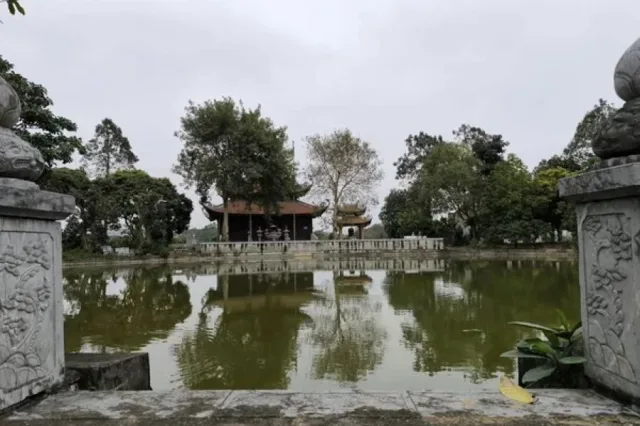
Đền Đô là một ngôi đền nổi tiếng của vùng Kinh Bắc, có kiến trúc đẹp và gắn liền với lịch sử triều Lý. Đây là nơi thờ tám vị vua nhà Lý, triều đại đã mở đầu thời kỳ phát triển hưng thịnh của đất nước Đại Việt.
Lịch sử
Đền Đô được xây dựng tại quê hương của các vua nhà Lý ở Đình Bảng, nơi lưu giữ nhiều dấu tích gắn với triều đại này. Ngôi đền là nơi nhân dân lập nên để thờ tám vị vua triều Lý, nhằm tưởng nhớ công lao của các vị vua đã góp phần xây dựng quốc gia Đại Việt vững mạnh.
Trải qua nhiều thế kỷ, đền Đô không chỉ là một di tích lịch sử quan trọng mà còn là trung tâm sinh hoạt văn hóa – tín ngưỡng của nhân dân địa phương. Hàng năm, lễ hội đền Đô được tổ chức long trọng để tưởng nhớ các vị vua nhà Lý, đồng thời thể hiện truyền thống tôn kính tiền nhân của người dân vùng Kinh Bắc.
Phần lễ
Phần lễ của hội đền Đô diễn ra trang trọng với nghi thức trình Thánh và rước kiệu. Đám rước được tổ chức rất quy mô, thu hút hàng vạn người tham gia, đi từ chùa Kim Đài đến đền Đô, quãng đường khoảng 3 km.
Đi đầu đoàn rước là đội tướng võ, gồm những người cởi trần, đóng khố, tay cầm chùy đồng, theo sau là hàng trăm quân sĩ. Tiếp đến là 100 người khiêng kiệu, mặc áo đỏ, đội mũ đen.
Đoàn rước tiếp tục với kiệu Thánh Mẫu, theo sau là 18 nữ tướng. Sau đó là kiệu Bát Đế, tượng trưng cho tám vị vua nhà Lý, mỗi kiệu có một con ngựa đi kèm và 16 nam tướng mặc áo đỏ hộ tống.
Kết thúc đoàn rước là các vị chức sắc trong làng, các bậc hương lão cùng đông đảo nhân dân và du khách tham gia lễ hội. Cờ lọng rợp cả cánh đồng, tiếng trống chiêng vang dội tạo nên không khí trang nghiêm và náo nhiệt.
Phần hội
Sau phần lễ là các hoạt động hội với nhiều trò vui dân gian đặc sắc của vùng Kinh Bắc như chọi gà, thả chim bồ câu, thi đấu vật và hát quan họ. Những hoạt động này thu hút đông đảo người dân và du khách tham gia, tạo nên không khí vui tươi, sôi nổi trong suốt những ngày hội.
Du khách về dự hội đền Đô không chỉ được dâng hương tưởng niệm tám vị vua nhà Lý mà còn có dịp tham quan, vãn cảnh vùng đất Kinh Bắc, nơi nổi tiếng với truyền thống văn hiến lâu đời.
Đám rước và các hoạt động trong lễ hội đền Đô mang ý nghĩa sâu sắc, vừa tưởng nhớ các nhân vật lịch sử, vừa khơi dậy niềm tự hào về cội nguồn dân tộc và sự phát triển của đất nước từ thời Đại Việt.
Xếp hạng
Năm 2014, khu Đền Đô cùng khu lăng mộ các vua triều Lý đã được Thủ tướng Chính phủ công nhận là Di tích quốc gia đặc biệt.
Hiện nay, công tác bảo tồn và phát huy giá trị di tích đang được chú trọng. Các hạng mục kiến trúc, lăng tẩm và khu thờ tự tiếp tục được trùng tu, tôn tạo nhằm gìn giữ giá trị lịch sử – văn hóa của triều Lý cho các thế hệ sau.
Tài liệu tham khảo
- Vũ Thụy An (Biên soạn), 2015, Lễ hội truyền thống Việt Nam, Nxb Thanh niên.
- Mai Thanh Hải (2004), Địa chí tôn giáo – lễ hội Việt Nam, Nxb Văn hóa thông tin.
- Vương Tuyền (Sưu tầm – tuyển chọn), 2009, Lễ hội dân gian Việt Nam, Nxb Văn hóa dân tộc.
- TTXVN, Bắc Ninh: Lễ hội Đền Đô – Âm vang hào khí Thăng Long, Cục du lịch quốc gia Việt Nam, ngày 12/04/2017.
Ngôn ngữ khác
Tiếng Anh
Time of Organization
The Den Do Festival is held annually from the 15th to the 19th day of the third lunar month. The main festival day falls on the 16th of the third lunar month, which also commemorates the enthronement of Ly Thai To.
The festival is organized to honor and express gratitude to the eight emperors of the Ly Dynasty, who made significant contributions to the establishment and development of Dai Viet.
Location
The festival takes place at Den Do, located in Dinh Bang Village, now part of Dinh Bang Ward, Tu Son City, Bac Ninh Province, about 18 km from Hanoi.
Den Do is a well-known temple in the Kinh Bac region, admired for its beautiful architecture and close association with the history of the Ly Dynasty. It is dedicated to the eight Ly emperors, the dynasty that ushered in a prosperous period for Dai Viet.
History
Den Do was built in the homeland of the Ly kings in Dinh Bang, an area that preserves many historical traces related to the dynasty. The temple was established by local people to worship the eight Ly emperors and to commemorate their contributions to building a strong and flourishing Dai Viet state.
Over many centuries, Den Do has not only been an important historical site but also a center for cultural and spiritual activities of the local community. Each year, the festival is held solemnly to honor the Ly kings and to reflect the tradition of reverence for ancestors among the people of Kinh Bac.
Rituals (Ceremonial Part)
The ceremonial part of the Den Do Festival is conducted with great solemnity, featuring rituals such as presenting offerings to the deities and grand processions.
The procession is particularly large-scale, attracting tens of thousands of participants. It starts from Kim Dai Pagoda and proceeds to Den Do, covering a distance of about 3 kilometers.
At the head of the procession is a group of warriors, bare-chested and wearing loincloths, holding bronze maces, followed by hundreds of soldiers. Next come 100 participants carrying palanquins, dressed in red garments and black hats.
The procession continues with the palanquin of the Holy Mother, followed by 18 female generals. Then comes the palanquin of the Eight Emperors, symbolizing the eight Ly kings. Each palanquin is accompanied by a horse and escorted by 16 male guards in red attire.
Bringing up the rear are village dignitaries, elders, and large numbers of local people and visitors. Colorful flags and parasols fill the fields, while the sound of drums and gongs creates an atmosphere that is both solemn and vibrant.
Festive Activities (Entertainment Part)
Following the ceremonial rites, the festival continues with various traditional folk activities typical of the Kinh Bac region, such as cockfighting, releasing pigeons, wrestling competitions, and quan ho folk singing.
These activities attract large numbers of participants and spectators, creating a joyful and lively atmosphere throughout the festival days.
Visitors attending the Den Do Festival not only have the opportunity to offer incense in remembrance of the eight Ly emperors but also to explore and enjoy the scenic beauty of the Kinh Bac region, known for its long-standing cultural traditions.
The procession and festival activities carry profound meaning, both in honoring historical figures and in inspiring pride in national origins and the development of the country since the time of Dai Viet.
Recognition
In 2014, the Den Do complex, together with the mausoleums of the Ly emperors, was recognized by the Prime Minister as a Special National Historical Site.
Today, efforts to preserve and promote the value of the site are being emphasized. Architectural structures, mausoleums, and worship spaces continue to be restored and maintained to safeguard the historical and cultural heritage of the Ly Dynasty for future generations.
References
- Vũ Thụy An (Biên soạn), 2015, Lễ hội truyền thống Việt Nam, Nxb Thanh niên.
- Mai Thanh Hải (2004), Địa chí tôn giáo – lễ hội Việt Nam, Nxb Văn hóa thông tin.
- Vương Tuyền (Sưu tầm – tuyển chọn), 2009, Lễ hội dân gian Việt Nam, Nxb Văn hóa dân tộc.
- TTXVN, Bắc Ninh: Lễ hội Đền Đô – Âm vang hào khí Thăng Long, Cục du lịch quốc gia Việt Nam, ngày 12/04/2017.
Tiếng Trung
举办时间
都庙会每年在农历三月十五日至十九日举行,其中三月十六日为正会日,同时也是纪念李太祖登基之日。
该节庆旨在缅怀与感念李朝八位皇帝的功绩,他们在大越国家的建立与发展过程中作出了重要贡献。
地点
节庆在都庙举行,位于亭榜村(今属北宁省慈山市亭榜坊),距离河内约18公里。
都庙是京北地区著名的古庙之一,建筑精美,与李朝历史密切相关。此处供奉李朝八位皇帝,是大越进入繁荣发展时期的重要象征。
历史
都庙建于李朝皇帝的故乡——亭榜,这里保存着许多与李朝相关的历史遗迹。庙宇由当地百姓修建,用以供奉李朝八位皇帝,纪念他们为国家强盛所作出的贡献。
历经数百年,都庙不仅是一处重要的历史遗迹,也成为当地居民文化与信仰生活的中心。每年举行的庙会既是对李朝诸帝的纪念,也是京北地区尊崇先贤传统的体现。
仪式部分
都庙会的仪式庄严隆重,突出表现为迎圣与抬轿巡游。迎神队伍规模宏大,参与人数达数万人,从金台寺出发前往都庙,全程约3公里。
队伍最前方是武将队,由赤膊、系腰布、手持铜锤的壮士组成,其后为数百名兵士。接着是由100人抬着的神轿,他们身穿红衣、头戴黑帽。
随后是圣母轿及18位女将。再后是“八帝轿”,象征李朝八位皇帝,每顶轿旁配有一匹马,并由16名身着红衣的男将护送。
队伍最后是村中长者、地方官员以及大量民众与游客。旗幡如云,锣鼓齐鸣,营造出既庄严又热烈的氛围。
娱乐活动部分
仪式之后是丰富多彩的民间娱乐活动,如斗鸡、放鸽、摔跤比赛以及官贺民歌演唱等,这些活动极具京北地方特色,吸引众多群众与游客参与。
前来参加庙会的游客不仅可以进香祭拜李朝八位皇帝,还能游览京北这片文化底蕴深厚的土地。
整个节庆中的巡游与活动具有深刻意义,不仅表达对历史人物的纪念,也唤起人们对民族根源与大越时期国家发展的自豪感。
级别
2014年,都庙及李朝皇帝陵墓群被越南政府总理认定为国家特别级历史遗迹。
目前,对遗迹的保护与价值发扬工作持续推进,各项建筑、陵寝与祭祀空间不断得到修缮与保护,以传承李朝的历史文化价值。
参考资料
- Vũ Thụy An (Biên soạn), 2015, Lễ hội truyền thống Việt Nam, Nxb Thanh niên.
- Mai Thanh Hải (2004), Địa chí tôn giáo – lễ hội Việt Nam, Nxb Văn hóa thông tin.
- Vương Tuyền (Sưu tầm – tuyển chọn), 2009, Lễ hội dân gian Việt Nam, Nxb Văn hóa dân tộc.
- TTXVN, Bắc Ninh: Lễ hội Đền Đô – Âm vang hào khí Thăng Long, Cục du lịch quốc gia Việt Nam, ngày 12/04/2017.
Tiếng Pháp
Periode d’organisation
La fete du temple Den Do est organisee chaque annee du 15 au 19 du troisieme mois lunaire. Le 16 mars lunaire constitue le jour principal de la fete, correspondant egalement a l’anniversaire de l’accession au trone de Ly Thai To.
Cette fete est organisee afin de commemorer et d’honorer les merites des huit rois de la dynastie Ly, qui ont largement contribue a la construction et au developpement du pays a l’epoque du Dai Viet.
Lieu
La fete se deroule au temple Den Do, situe dans le village de Dinh Bang, aujourd’hui relevant du quartier Dinh Bang, ville de Tu Son, province de Bac Ninh, a environ 18 km de Hanoi.
Den Do est un temple celebre de la region de Kinh Bac, remarquable par son architecture et etroitement lie a l’histoire de la dynastie Ly. Il est dedie au culte des huit rois de cette dynastie, qui marqua le debut d’une periode de prosperite pour le Dai Viet.
Histoire
Le temple Den Do a ete construit dans la region natale des rois de la dynastie Ly a Dinh Bang, lieu qui conserve de nombreuses traces historiques liees a cette dynastie. Il a ete erige par la population pour venerer les huit rois Ly et honorer leurs contributions a l’edification d’un Etat puissant.
Au fil des siecles, le temple est devenu non seulement un site historique important, mais aussi un centre majeur de la vie culturelle et religieuse locale. Chaque annee, la fete est organisee solennellement pour rendre hommage aux rois Ly et perpetuer la tradition de respect des ancetres propre aux habitants de Kinh Bac.
Partie ceremonielle
La partie ceremonielle de la fete se deroule dans une atmosphere solennelle, avec des rituels tels que la presentation aux divinites et la procession.
La procession est organisee a grande echelle et attire des dizaines de milliers de participants. Elle part de la pagode Kim Dai jusqu’au temple Den Do, sur une distance d’environ 3 km.
En tete du cortege se trouve une troupe de guerriers, torse nu et vetus de pagnes, tenant des masses en bronze, suivie de centaines de soldats. Viennent ensuite cent porteurs de palanquins, habilles de rouge et coiffes de bonnets noirs.
Le cortege continue avec le palanquin de la Sainte Mere, suivi de dix-huit femmes generales. Puis vient le palanquin des Huit Empereurs, symbolisant les huit rois Ly, chaque palanquin etant accompagne d’un cheval et escorte par seize hommes en tenue rouge.
Le cortege se termine par les notables du village, les anciens et une foule de fideles et de visiteurs. Les etendards couvrent les champs et le son des tambours et des gongs cree une atmosphere a la fois solennelle et animee.
Partie festive
Apres les ceremonies, la fete se poursuit avec de nombreuses activites traditionnelles typiques de la region de Kinh Bac, telles que les combats de coqs, le lacher de pigeons, les competitions de lutte et le chant quan ho.
Ces activites attirent un grand nombre de participants et creent une ambiance joyeuse et dynamique tout au long de la fete.
Les visiteurs ne viennent pas seulement pour rendre hommage aux rois Ly, mais aussi pour decouvrir les paysages et la culture de Kinh Bac, region reputee pour sa tradition culturelle ancienne.
Les processions et les activites de la fete ont une signification profonde : elles permettent a la fois de commemorer les personnages historiques et de raviver la fierte nationale ainsi que la conscience des origines du peuple vietnamien.
Classement
En 2014, le complexe du temple Den Do ainsi que les tombeaux des rois de la dynastie Ly ont ete classes site historique national special par le Premier ministre.
Aujourd’hui, les efforts de preservation et de valorisation du site sont renforces. Les elements architecturaux, les tombeaux et les espaces cultuels continuent d’etre restaures afin de conserver les valeurs historiques et culturelles de la dynastie Ly pour les generations futures.
References
- Vũ Thụy An (Biên soạn), 2015, Lễ hội truyền thống Việt Nam, Nxb Thanh niên.
- Mai Thanh Hải (2004), Địa chí tôn giáo – lễ hội Việt Nam, Nxb Văn hóa thông tin.
- Vương Tuyền (Sưu tầm – tuyển chọn), 2009, Lễ hội dân gian Việt Nam, Nxb Văn hóa dân tộc.
- TTXVN, Bắc Ninh: Lễ hội Đền Đô – Âm vang hào khí Thăng Long, Cục du lịch quốc gia Việt Nam, ngày 12/04/2017.