

Thời gian tổ chức
Hội đền Bà Tấm được tổ chức hằng năm từ ngày 19 đến ngày 22 tháng Hai âm lịch, trong đó ngày 19 tháng Hai là ngày chính hội, tương truyền là ngày sinh của Ỷ Lan.
Ngoài hội xuân, tại đền còn có lễ vào ngày 25 tháng Bảy âm lịch, được coi là ngày giỗ của bà. Bên cạnh đó, vào các dịp xuân thu và những ngày sóc vọng trong năm, dân địa phương vẫn đến đền làm lễ tưởng niệm.
Trước kia, hội đền Bà Tấm là một lễ hội quy mô lớn, không chỉ do hai làng Dương Xá và Thuận Quang đứng ra tổ chức mà còn có sự tham gia của toàn bộ tổng Dương Quang cũ. Phạm vi này bao gồm chín xã, trải dài từ Sủi (Phú Thị) đến tận Văn Lâm (Hưng Yên), cùng với các làng có ruộng hậu cấy cho đền. Hiện nay, trong đền vẫn còn lưu giữ tấm bia ghi chép cụ thể tên các làng và diện tích ruộng hậu tương ứng.
Do quy mô rộng lớn, việc tổ chức hội không thể tiến hành thường xuyên hằng năm mà thường theo chu kỳ khoảng năm năm một lần.
Địa điểm
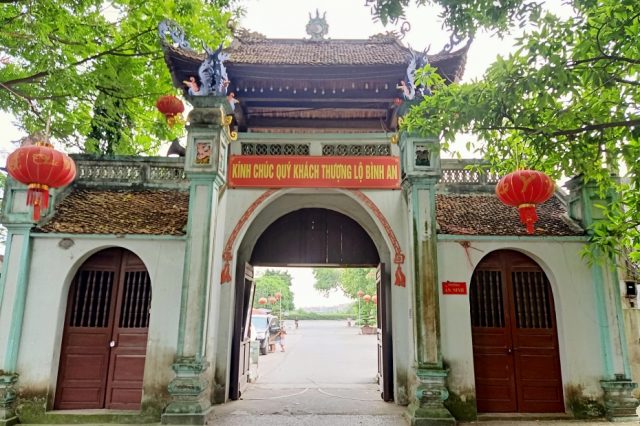
Hội được tổ chức tại Đền Bà Tấm, thuộc thôn Dương Đá, xã Dương Xá, huyện Gia Lâm, Hà Nội.
Đền Bà Tấm không chỉ là một ngôi đền riêng lẻ mà là một quần thể di tích, gồm đền, chùa cùng nhiều bia ký và hiện vật điêu khắc có giá trị.
Theo địa giới xưa, khu vực này thuộc trang Thổ Lỗi, huyện Siêu Loại, phủ Thuận An, trấn Bắc Ninh. Dương Xá gồm ba thôn: Dương Đình, Dương Đá và Dương Đanh, thường gọi chung là Tam Dương. Đền Bà Tấm nằm trên đất thôn Dương Đá.
Trong hậu cung của đền có tượng Nguyên phi Ỷ Lan cùng sáu pho tượng nữ gọi là Lục Bộ. Gian ngoài đặt nhiều đồ thờ và một chiếc ngai có bài vị ghi:
Lý triều đệ tam hoàng thái hậu
Ngoài ra trong đền còn lưu giữ nhiều bia ký cổ liên quan đến việc thờ phụng và lịch sử của di tích.
Lịch sử
Đền Bà Tấm được dựng để thờ Nguyên phi Ỷ Lan, một nhân vật nổi tiếng trong lịch sử thời Lý Thánh Tông và Lý Nhân Tông.
Theo truyền thống địa phương cũng như chính sử ghi chép, bà sinh ra tại vùng đất Thổ Lỗi (nay thuộc Dương Xá). Sau khi trở thành Hoàng hậu rồi Hoàng thái hậu, sau khi mất bà được nhân dân quê hương tôn kính và lập đền thờ.
Xưa kia hội đền Bà Tấm không chỉ do riêng làng Dương Xá tổ chức mà còn có sự tham gia của tổng Dương Quang, gồm nhiều xã trong vùng từ Phú Thị (Sủi) cho tới Văn Lâm (Hưng Yên) cùng các làng có ruộng hậu của đền.
Trong đền hiện còn tấm bia ghi rõ tên các làng cấy ruộng hậu của đền cùng số lượng ruộng đất. Chính vì phạm vi ảnh hưởng rộng như vậy nên hội đền Bà Tấm trở thành một trong những lễ hội lớn của vùng.
Phần lễ
Phần lễ của hội đền Bà Tấm bắt đầu từ trước ngày chính hội. Ngay từ những ngày đầu xuân, dân làng đã tụ hội tại đền để tế lễ, cầu mong bà Nguyên phi Ỷ Lan phù hộ cho dân làng một năm thuận lợi. Đồng thời người dân cũng tiến hành chuẩn bị cho lễ hội như chọn chủ tế, tổng cờ, ban tế và các chức việc khác.
Ngày 19 tháng Hai – ngày chính hội – mở đầu bằng đám rước nước rất long trọng. Đoàn rước xuất phát từ đền đi tới giếng nước gần chùa làng Sủi (Phú Thị), cách khoảng hai kilômét. Đi đầu đoàn rước là cờ ngũ hành, tiếp theo là tổng cờ, rồi đến chiêng, trống và bát bửu. Sau đó là long đình rước bài vị Nguyên phi Ỷ Lan cùng đoàn người phục dịch theo kiệu.
Theo sau kiệu bà là kiệu đựng chóe nước. Trước kia trong đền có một chiếc chóe sứ Nhật Bản rất lớn dùng trong nghi lễ này, nhưng hiện nay đã không còn. Ngoài ra còn có kiệu của các thôn thuộc Dương Xá và các làng có ruộng hậu của đền. Vì vậy đám rước thường rất dài, có khi kéo dài bốn đến năm giờ mới hoàn thành.
Trong khi đoàn rước nước diễn ra, các thôn trong vùng cũng rước lễ vật tới đền để chuẩn bị cho nghi lễ tế thần. Khi kiệu bà được rước về đền và yên vị, lễ tế chính thức bắt đầu.
Ban tế gồm các bô lão của các thôn kiểm tra lễ vật rất nghiêm ngặt. Lễ vật trong ngày hội hoàn toàn là lễ chay, gồm oản, quả, gạo nếp, chuối, trầu và rượu. Theo lệ xưa, nếu có thêm chỉ là bánh gai hoặc bánh mật.
Việc chuẩn bị lễ vật cũng rất công phu. Chẳng hạn, nước dùng để đồ xôi phải lấy từ giếng Quán Đôi ở đầu thôn Dương Đình, gánh về trước vài ngày để nước thật trong rồi mới dùng vo gạo và nấu xôi.
Trong tài liệu Lý triều đệ tam hoàng đế bản còn chép lại văn tế hoàng thái hậu được dùng trong lễ hội:
Rằng: Năm nay là… tháng… ngày
Tỉnh… phủ… huyện… tổng… xã…, toàn dân kính dâng lễ vật mong được chiếu cố. Triều Lý, hoàng đế thứ ba, hang trời tìm lẻ Ý Lan linh ứng, dung mạo thơm tho, đức hạnh đoan trang, trí hòa hiền hậu, trinh tiết phép lành, lừng danh nhân hậu… giúp nước đẩy phúc, nghĩa đẹp, một mực hiền hòa đôn hậu, dẹp hết nạn, yên nước, đoan trang điềm lành, cứu đời yên dân, giúp nước bảo vệ sự nghiệp, gây dựng cơ đồ, vun trồng nền ơn, ban phúc, phát của… đức lớn lừng danh, hành vi tao nhã, giữ nề nếp, yên dân giữ nước, lòng nhân đức mở rộng kéo dài không nghỉ.
Rất linh, hoàng thái hậu ngôi trên, rằng có lễ tế trong mùa xuân.
Kính mong hoàng thái hậu xét đến chỗ tối tăm. Đoan trang thuần túy công ơn ấy ghi lại ức năm muôn kỷ. Nay gặp thời lành, tế mùa xuân, lễ mọn tình thâm, kính cẩn. xin được chiếu cố, ban phúc, giúp nước thịnh vượng, giúp cứu vớt dân cư ấm no.
Xin tâu trình.
Sau lễ tế của ban tế là các lượt dâng lễ của dân làng và khách thập phương, diễn ra liên tục trong không khí trang nghiêm. Lễ vật sau khi tế xong được chia làm hai phần, trong đó thôn Dương Đá – nơi được coi là quê sinh của bà nhận một nửa, nửa còn lại chia cho các thôn khác.
Ngày 20 tháng Hai, các đoàn rước tiếp tục diễn ra. Kiệu của các thôn thuộc Dương Xá và Thuận Quang được rước vào trong đền, còn kiệu của các làng khác chỉ dừng bên ngoài cổng để làm lễ bái vọng.
Ngày 22 tháng Hai diễn ra lễ tế tạ, kết thúc hội.
Phần hội
Phần hội của lễ hội đền Bà Tấm rất phong phú với nhiều trò chơi và hoạt động văn hóa dân gian.
Một trong những tục lệ đặc sắc là tục phất cờ tổng. Theo quan niệm dân gian, việc múa cờ nhằm xua tan mây mù, cầu mong trời quang mây tạnh. Làng Thuận Quang được quyền chọn tổng cờ cho hội. Người được chọn phải là người khỏe mạnh, nhanh nhẹn, không có tang và có hình dáng đẹp. Tổng cờ cùng đội chiêng trống phải tập luyện từ trước để thực hiện các động tác múa cờ giống như hiệu cờ trong Hội Gióng.
Tại bãi đất rộng trong khuôn viên đền trước đây còn diễn ra đấu cờ người. Người đẹp nhất được chọn làm tướng cờ, mỗi quân cờ là một người thật ngồi trên ghế đẩu. Khi người chơi đi quân, người đóng vai quân cờ sẽ di chuyển theo thế cờ, tạo nên một ván cờ sinh động và hấp dẫn.
Ngoài ra, trong hội còn có nhiều trò vui khác như tổ tôm điếm, đấu vật, chọi gà, đốt pháo, cùng các hoạt động biểu diễn của các phường hát chèo, tuồng và hát ả đào. Các phường hát thường đăng ký hát giữ cửa đền suốt từ ngày 19 tháng Hai cho tới khi hội kết thúc.
Các cuộc thi như đấu vật và cờ người thường kéo dài suốt những ngày hội và chỉ đến ngày cuối cùng mới phân định thắng thua, trao giải cho người đạt giải nhất, nhì.
Hội đền Bà Tấm kéo dài đến hết ngày 21 tháng Hai, sang ngày 22 tháng Hai làm lễ tế tạ và tổng kết các cuộc thi.
Giá trị và ý nghĩa
Trong số các nơi thờ Nguyên phi Ỷ Lan, hội ở Dương Xá được coi là lễ hội lớn và tiêu biểu nhất. Hội không chỉ có quy mô rộng mà còn gắn với nhiều làng trong vùng như Dương Xá, Như Quỳnh và Phú Thị, những địa phương từng thuộc trang Thổ Lỗi xưa.
Các nghi thức và tục lệ trong lễ hội phản ánh khá đầy đủ truyền thuyết và cuộc đời của Nguyên phi Ỷ Lan: từ thời thiếu nữ hái dâu gặp vua, trở thành hoàng hậu, cho đến quãng đời sau chuyên tâm làm việc thiện và xây dựng chùa chiền.
Vì vậy lễ hội không chỉ là dịp tưởng nhớ công đức của một nhân vật lịch sử mà còn góp phần gắn kết các cộng đồng làng xã trong vùng, duy trì truyền thống đoàn kết và tương trợ vốn có của các làng quê Việt Nam.
Tài liệu tham khảo
- Vũ Thụy An (2015), Lễ hội Việt Nam, Nxb Thanh Niên.
- Mai Thanh Hải (2004), Địa chí tôn giáo – lễ hội Việt Nam, Nxb Văn hóa thông tin.
- Lê Trung Vũ (Chủ biên), 2001, Lễ hội Thăng Long, Nxb Hà Nội.
Ngôn ngữ khác
Tiếng Anh
General Information
The Ba Tam Temple Festival is held annually from the 19th to the 22nd day of the second lunar month. The 19th is the main festival day, traditionally believed to be the birth date of Y Lan.
In addition to the spring festival, the temple also holds a ceremony on the 25th day of the seventh lunar month, regarded as her death anniversary. Moreover, during seasonal rites and on new moon and full moon days throughout the year, local residents continue to visit the temple to perform commemorative rituals.
In the past, the Ba Tam Temple Festival was a large-scale event, organized not only by Duong Xa and Thuan Quang villages but also with the participation of the entire former Duong Quang canton. This area included nine communes, stretching from Sui (Phu Thi) to Van Lam (Hung Yen), along with villages that cultivated endowed ritual fields for the temple. A stele preserved at the temple still records the names of these villages and the corresponding land areas.
Due to its large scale, the festival was not held annually in full form but typically followed a cycle of about five years.
Location
The festival takes place at Ba Tam Temple (Den Ba Tam), located in Duong Da hamlet, Duong Xa commune, Gia Lam district, Ha Noi.
Ba Tam Temple is not a single structure but part of a larger complex, including a temple, a pagoda, numerous steles, and valuable sculptural artifacts.
Historically, this area belonged to Tho Loi estate, Sieu Loai district, Thuan An prefecture, Bac Ninh region. Duong Xa consists of three hamlets: Duong Dinh, Duong Da, and Duong Danh, collectively known as Tam Duong. The temple is situated in Duong Da hamlet.
In the inner sanctuary stands the statue of Empress Y Lan, accompanied by six female statues known as Luc Bo. The outer hall contains ritual objects and a throne bearing a tablet inscribed:
Ly trieu de tam hoang thai hau
The temple also preserves numerous ancient steles related to its history and worship practices.
History
Ba Tam Temple was established to worship Empress Y Lan, a prominent historical figure during the reigns of Ly Thanh Tong and Ly Nhan Tong.
According to local tradition and official historical records, she was born in Tho Loi (now Duong Xa). After becoming Empress and later Empress Dowager, she was venerated by the local people after her death, who built the temple in her honor.
In earlier times, the festival was not organized solely by Duong Xa village but also involved the broader Duong Quang canton, including many villages from Phu Thi (Sui) to Van Lam (Hung Yen), as well as those maintaining ritual fields for the temple.
A stele preserved in the temple clearly records these villages and their land contributions. Owing to this wide sphere of influence, the festival became one of the major festivals of the region.
Rituals
The ritual section begins prior to the main festival day. From the early days of spring, villagers gather at the temple to perform offerings, praying for the blessings of Empress Y Lan for a prosperous year. Preparations include selecting the chief officiant, flag leader, ritual committee, and other functionaries.
On the 19th day of the second lunar month, the main festival opens with a solemn water procession. The procession travels from the temple to a well near the pagoda of Sui village (Phu Thi), about two kilometers away. Leading the procession are the five-element flags, followed by the flag leader, gongs, drums, and the Eight Precious Objects. Then comes the palanquin carrying the spirit tablet of Empress Y Lan, accompanied by attendants.
Following her palanquin is another carrying a ceremonial water jar. In the past, a large Japanese porcelain jar was used, but it no longer exists. Palanquins from various hamlets of Duong Xa and affiliated villages also participate, making the procession very long, sometimes lasting four to five hours.
While the water procession is underway, villages also bring offerings to the temple. Once the palanquin returns and is installed, the main ritual begins.
The ritual committee, composed of village elders, strictly inspects the offerings. All offerings are vegetarian, including ceremonial cakes, fruits, glutinous rice, bananas, betel, and wine. Traditionally, only gai cakes or molasses cakes may be added.
Preparation is meticulous. For example, water used to cook glutinous rice must be taken from Quan Doi well in Duong Dinh hamlet several days in advance to ensure clarity.
A ritual text recorded in the document Ly trieu de tam hoang de ban is recited during the ceremony:
That: This year… month… day…
All people of province… prefecture… district… canton… commune respectfully present offerings, hoping for benevolence. Under the Ly dynasty, the third emperor, heavenly grace sought and found Y Lan, spiritually efficacious, graceful in appearance, virtuous, gentle, pure, renowned for benevolence… aiding the state, bringing blessings, upholding righteousness, pacifying calamities, stabilizing the country, saving the people, establishing foundations, bestowing grace and prosperity… great virtue widely acclaimed, refined conduct, maintaining order, protecting the nation, extending compassion endlessly.
Most sacred Empress Dowager above, to whom spring rites are offered.
We respectfully pray that the Empress Dowager considers our humble devotion. Her pure virtue and merit shall be remembered for countless generations. In this auspicious time, with sincere offerings, we respectfully ask for blessings, prosperity for the nation, and well-being for the people.
Respectfully submitted.
After the official ritual, villagers and pilgrims continue offering rites in a solemn atmosphere. Offerings are then divided into two portions: one for Duong Da hamlet, considered her birthplace, and the remainder shared among other hamlets.
On the 20th day, processions continue. Palanquins from Duong Xa and Thuan Quang enter the temple, while those from other villages remain outside to perform distant worship.
On the 22nd day, the thanksgiving ritual is held, marking the end of the festival.
Festival Activities
The festival section features diverse folk games and cultural activities.
A distinctive custom is the flag dance ritual. It is believed to dispel clouds and bring clear weather. Thuan Quang village selects the flag leader, who must be physically strong, agile, of good appearance, and not in mourning. The flag team rehearses in advance, performing movements similar to those in the Giong Festival.
In the temple courtyard, human chess was traditionally played. A selected individual acts as the general, while each chess piece is represented by a person. Moves are enacted physically, creating a vivid spectacle.
Other activities include card games, wrestling, cockfighting, firecrackers, and performances of cheo, tuong, and ca tru singing. Performing troupes often register to sing at the temple gate throughout the festival.
Competitions such as wrestling and human chess last throughout the festival and conclude on the final day with prize awards.
Value and Significance
Among the sites dedicated to Empress Y Lan, the festival at Duong Xa is considered the largest and most representative. It not only has a wide scale but also connects multiple communities such as Duong Xa, Nhu Quynh, and Phu Thi, all historically part of Tho Loi estate.
The rituals and customs reflect the life and legend of Empress Y Lan, from her youth as a mulberry picker meeting the king, to her role as Empress, and later her devotion to charitable works and temple building.
Thus, the festival serves not only as a commemoration of a historical figure but also as a means of strengthening communal bonds and preserving the traditional solidarity of Vietnamese rural society.
References
- Vũ Thụy An (2015), Lễ hội Việt Nam, Nxb Thanh Niên.
- Mai Thanh Hải (2004), Địa chí tôn giáo – lễ hội Việt Nam, Nxb Văn hóa thông tin.
- Lê Trung Vũ (Chủ biên), 2001, Lễ hội Thăng Long, Nxb Hà Nội.
Tiếng Trung
举办时间
婆㛹祠会每年于农历二月十九日至二十二日举行,其中二月十九日为正会日,相传为倚兰的诞辰。
除春会之外,庙中还在农历七月二十五日举行祭礼,被视为她的忌日。此外,在春秋二季以及每月朔望之日,当地民众仍会前往庙中祭祀纪念。
过去,婆㛹祠会规模宏大,不仅由杨舍、顺光两村主办,还吸引旧杨光总辖区内各村共同参与。该范围包括从苏(富市)一直延伸到文林(兴安)的九个社,以及那些为庙宇耕种后田的村落。至今庙内仍保存有石碑,详细记载各村名称及其后田面积。
由于规模广泛,庙会并非每年举行,而通常以约五年为一周期举办。
地点
庙会在婆㛹祠举行,位于河内市嘉林县杨舍乡杨石村。
婆㛹祠不仅是一座单体庙宇,而是一处综合性遗迹群,包括庙宇、佛寺以及多块碑刻与珍贵雕刻文物。
按古代行政区划,此地属土雷庄、超类县、顺安府、北宁镇。杨舍由杨亭、杨石、杨丁三村组成,合称“三杨”,婆㛹祠位于杨石村。
后宫中供奉倚兰元妃像及六尊称为“六部”的女性塑像。外殿陈列多种祭器,并设有一座御座,其上牌位题写:
“李朝第三皇太后”
此外,庙内还保存有多块与祭祀及历史相关的古碑。
历史
婆㛹祠为供奉倚兰元妃而建,她是李圣宗与李仁宗时期的重要历史人物。
据地方传统与正史记载,她出生于土雷地区(今属杨舍)。她成为皇后及皇太后后,去世后被乡民尊奉并建庙祭祀。
过去,婆㛹祠会不仅由杨舍村举办,还包括杨光总辖内多个村社的参与,从富市(苏)至文林(兴安)以及各拥有后田的村落。
庙中现存石碑明确记载各村所耕后田及其数量。正因影响范围广泛,婆㛹祠会成为本地区规模最大的节会之一。
礼仪部分
庙会礼仪在正会日前即已开始。自新春伊始,村民便齐聚庙中祭祀,祈求倚兰元妃庇佑来年顺遂,同时选定主祭、总旗、祭班等并筹备各项事务。
农历二月十九日正会日,以隆重的迎水仪式开场。队伍从庙出发,前往距约两公里的苏村(富市)寺旁水井取水。队伍前导为五行旗,其后依次为总旗、锣鼓及八宝器,随后是抬着倚兰牌位的龙亭以及随行队伍。
其后是盛水瓮的轿。过去庙中曾有一只大型日本瓷瓮用于此仪式,但现已不存。此外,还有杨舍各村及供奉后田村落的轿队,队伍往往绵延数小时方能完成。
迎水仪式同时,各村亦将供品送至庙中准备祭祀。待神轿回庙安位后,正式祭礼开始。
祭班由各村长老组成,对供品进行严格检查。供品皆为素食,包括糕、果、糯米、香蕉、槟榔与酒。依旧例,仅可增添艾叶糕或蜜糕。
供品准备极为讲究,如蒸糯米所用之水必须取自杨亭村头的观对井,提前数日汲取,使水澄清后方可使用。
《李朝第三皇帝本》亦记载了祭祀皇太后的祭文(略)。
祭班行礼后,村民与各地来客依次献礼,气氛庄严。祭品分为两部分:杨石村(被视为其出生地)得其一半,其余分配给其他村落。
二月二十日,各村继续举行迎神仪式。杨舍与顺光的轿进入庙内,其余村落则在庙门外行遥祭。
二月二十二日举行谢祭,庙会结束。
会娱部分
庙会的娱乐活动丰富多彩,包含多种民间游戏与文化表演。
其中一项特色习俗是“总旗舞”,民间认为舞旗可驱散阴霾、祈求晴朗。顺光村负责选出总旗者,须体健敏捷、无丧事且仪表端正,并与锣鼓队提前排练。
庙前空地上曾举行人棋对弈,选最美者为“将”,棋子由真人扮演,随棋局移动,极具观赏性。
此外,还有斗牌、摔跤、斗鸡、燃放鞭炮,以及唱筹、戏曲与歌娘表演等。各戏班通常自二月十九日起驻演至庙会结束。
摔跤与人棋比赛贯穿全会,至最后一日方决胜负并颁奖。
庙会持续至二月二十一日,二十二日行谢祭并总结赛事。
价值与意义
在所有供奉倚兰元妃的地点中,杨舍庙会规模最大、最具代表性。它不仅范围广泛,还联系着杨舍、如琼、富市等多个历史上属于土雷庄的村落。
庙会的仪式与习俗较完整地反映了倚兰的一生:从采桑少女邂逅君王,到成为皇后,再到晚年行善修寺。
因此,该庙会不仅是对历史人物的纪念,也加强了区域村落之间的联系,维系了越南乡村传统的团结与互助精神。
参考文献
- Vũ Thụy An (2015), Lễ hội Việt Nam, Nxb Thanh Niên.
- Mai Thanh Hải (2004), Địa chí tôn giáo – lễ hội Việt Nam, Nxb Văn hóa thông tin.
- Lê Trung Vũ (Chủ biên), 2001, Lễ hội Thăng Long, Nxb Hà Nội.
Tiếng Pháp
Periode d’organisation
La fete du temple Ba Tam se tient chaque annee du 19 au 22 du deuxieme mois lunaire. Le 19 est le jour principal de la fete, considere selon la tradition comme l’anniversaire de naissance de Y Lan.
Outre la fete de printemps, le temple organise egalement une ceremonie le 25 du septieme mois lunaire, consideree comme la date anniversaire de sa mort. Par ailleurs, lors des periodes saisonnieres du printemps et de l’automne, ainsi que les jours de nouvelle lune et de pleine lune, les habitants locaux viennent toujours au temple pour rendre hommage.
Autrefois, la fete du temple Ba Tam etait un evenement de grande envergure, non seulement organise par les deux villages de Duong Xa et Thuan Quang, mais aussi avec la participation de tout l’ancien canton de Duong Quang. Cette aire comprenait neuf communes, s’etendant de Sui (Phu Thi) jusqu’a Van Lam (Hung Yen), ainsi que les villages possedant des terres cultuelles destinees au temple. Aujourd’hui encore, une stele conservee dans le temple mentionne precisement les noms de ces villages et la superficie des terres correspondantes.
En raison de son ampleur, la fete ne pouvait pas etre organisee chaque annee de maniere complete, mais suivait generalement un cycle d’environ cinq ans.
Lieu
La fete se deroule au temple Ba Tam, situe dans le hameau de Duong Da, commune de Duong Xa, district de Gia Lam, a Hanoi.
Le temple Ba Tam n’est pas un edifice isole, mais un ensemble monumental comprenant un temple, une pagode, ainsi que de nombreuses steles et sculptures de valeur.
Selon les anciennes divisions administratives, cette region appartenait a la localite de Tho Loi, district de Sieu Loai, prefecture de Thuan An, province de Bac Ninh. Duong Xa comprend trois hameaux : Duong Dinh, Duong Da et Duong Danh, collectivement appeles « Tam Duong ». Le temple Ba Tam se situe sur le territoire de Duong Da.
Dans le sanctuaire interieur se trouvent la statue de la concubine imperiale Y Lan ainsi que six statues feminines appelees « Luc Bo ». Dans la salle exterieure sont disposes de nombreux objets de culte et un trone portant l’inscription :
« Imperatrice douairiere du troisieme empereur de la dynastie Ly »
Le temple conserve egalement de nombreuses steles anciennes liees au culte et a l’histoire du site.
Histoire
Le temple Ba Tam a ete construit pour honorer la concubine imperiale Y Lan, figure eminente de l’histoire sous les regnes de Ly Thanh Tong et Ly Nhan Tong.
Selon la tradition locale et les chroniques officielles, elle est nee dans la region de Tho Loi (aujourd’hui Duong Xa). Apres etre devenue imperatrice puis imperatrice douairiere, elle fut veneree apres sa mort par les habitants de sa terre natale, qui lui eleverent un temple.
Autrefois, la fete du temple ne se limitait pas au seul village de Duong Xa, mais impliquait egalement tout le canton de Duong Quang, comprenant plusieurs communes de la region allant de Phu Thi (Sui) a Van Lam (Hung Yen), ainsi que les villages disposant de terres cultuelles du temple.
Une stele conservee dans le temple mentionne encore aujourd’hui les noms des villages exploitant ces terres et leur superficie. Grace a cette large influence, la fete du temple Ba Tam est devenue l’une des plus importantes de la region.
Partie rituelle
La partie rituelle commence avant le jour principal. Des les premiers jours du printemps, les habitants se rassemblent au temple pour prier, demandant a la concubine imperiale Y Lan de benir le village pour une annee prospere. En meme temps, ils preparent la fete en designant le maitre de ceremonie, le porte-drapeau principal, le comite rituel et les autres responsables.
Le 19 du deuxieme mois lunaire, jour principal, debute par une procession de l’eau tres solennelle. Le cortege part du temple vers un puits situe pres de la pagode du village de Sui (Phu Thi), a environ deux kilometres. En tete se trouvent les drapeaux des cinq elements, suivis du porte-drapeau, puis des gongs, tambours et objets rituels. Vient ensuite le palanquin transportant la tablette de Y Lan, accompagne de ses serviteurs.
Derriere ce palanquin se trouve celui contenant la jarre d’eau. Autrefois, une grande jarre en porcelaine japonaise etait utilisee, mais elle a aujourd’hui disparu. S’ajoutent les palanquins des hameaux de Duong Xa et des villages lies au temple, rendant la procession tres longue, pouvant durer quatre a cinq heures.
Pendant la procession, les villages apportent egalement des offrandes pour le culte. Une fois le palanquin revenu et installe, la ceremonie principale commence.
Les anciens verifient rigoureusement les offrandes, exclusivement vegetariennes : gateaux rituels, fruits, riz gluant, bananes, betel et alcool. Selon la tradition, seuls des gateaux de type banh gai ou banh mat peuvent s’y ajouter.
La preparation est minutieuse : par exemple, l’eau utilisee pour cuire le riz doit etre puisee au puits de Quan Doi, puis laissee reposer plusieurs jours pour devenir limpide.
(Un long texte rituel est ensuite recite, exprimant la gratitude, les louanges et les prieres adressees a l’imperatrice douairiere.)
Apres la ceremonie officielle, les habitants et visiteurs presentent leurs offrandes dans une atmosphere solennelle. Les offrandes sont ensuite partagees : la moitie revient au hameau de Duong Da, considere comme son lieu de naissance, l’autre moitie aux autres villages.
Le 20, les processions continuent. Les palanquins de Duong Xa et Thuan Quang entrent dans le temple, tandis que ceux des autres villages restent a l’exterieur.
Le 22 a lieu la ceremonie de cloture.
Partie festive
La partie festive est tres riche, avec de nombreux jeux et activites traditionnelles.
Parmi les coutumes remarquables figure la danse du grand drapeau, destinee a chasser les nuages et a appeler un ciel degage. Le village de Thuan Quang choisit le porte-drapeau, qui doit etre en bonne sante, agile, sans deuil et d’apparence harmonieuse.
On organisait egalement des parties d’echecs vivants : chaque piece etait incarnee par une personne, rendant la partie vivante et spectaculaire.
D’autres activites incluent jeux de cartes traditionnels, lutte, combats de coqs, feux d’artifice et spectacles de cheo, tuong et chant a dao.
Les competitions durent plusieurs jours et se terminent lors du dernier jour par la remise des prix.
Valeur et signification
Parmi les lieux de culte dedies a Y Lan, celui de Duong Xa est considere comme le plus representatif.
La fete reflete fidelement la vie et la legende de Y Lan, depuis sa jeunesse jusqu’a son role d’imperatrice et ses oeuvres pieuses.
Ainsi, la fete ne sert pas seulement a honorer une figure historique, mais aussi a renforcer les liens communautaires et a preserver les traditions de solidarite des villages vietnamiens.
Bibliographie
- Vũ Thụy An (2015), Lễ hội Việt Nam, Nxb Thanh Niên.
- Mai Thanh Hải (2004), Địa chí tôn giáo – lễ hội Việt Nam, Nxb Văn hóa thông tin.
- Lê Trung Vũ (Chủ biên), 2001, Lễ hội Thăng Long, Nxb Hà Nội.