

Thân thế
Lý Nhật Quang (995 – 1057), húy Lý Hoảng, ông là con trai thứ tám của vua Lý Thái Tổ. Mẹ ông là Linh Hiển Hoàng hậu, họ Lê. Vì vậy, ông là em cùng mẹ với vua Lý Thái Tông.
Từ nhỏ, Lý Nhật Quang nổi tiếng là người thông minh, ham học và có tư chất hơn người, khi mới tám tuổi ông đã biết làm thơ, mười tuổi thông hiểu kinh sử. Được sinh trưởng trong hoàng tộc nhà Lý, ông được vua Lý Thái Tổ cùng các bậc tôn thất trực tiếp chăm lo giáo dưỡng, kỳ vọng sẽ trở thành một trong những trụ cột của triều đình.
Lý Nhật Quang lại được sử sách ghi nhận nhờ tài năng quản lý, đức độ và những đóng góp quan trọng đối với triều đình. Trong suốt cuộc đời làm quan, ông nhiều lần được giao đảm trách những trọng trách lớn, đặc biệt là việc trấn nhậm vùng Nghệ An. Với tài năng trị nước, sự gần gũi với nhân dân và những công lao trong việc phát triển kinh tế, ổn định xã hội, ông được nhân dân nhiều địa phương tôn kính như một vị phúc thần. Sau khi mất, hình tượng Lý Nhật Quang dần được huyền thoại hóa trong dân gian, trở thành một trong những nhân vật lịch sử được thờ phụng rộng rãi nhất ở vùng Nghệ An và Bắc Trung Bộ.
Sự nghiệp
Trấn giữ châu Nghệ An
Năm 1028, vua Lý Thái Tổ băng hà, hoàng tử Lý Phật Mã – anh cùng mẹ của Lý Nhật Quang lên nối ngôi, tức vua Lý Thái Tông. Dưới triều Lý Thái Tông, Lý Nhật Quang sớm được giao nhiều trọng trách, từng bước khẳng định năng lực về chính trị, quân sự và quản lý địa phương.
Năm Càn Phù Hữu Đạo thứ nhất (1039), ông được cử vào châu Nghệ An phụ trách việc thu thuế. Khi ấy Nghệ An là vùng biên viễn rộng lớn ở phía nam Đại Việt, việc quản lý còn nhiều khó khăn. Trên cương vị mới, Lý Nhật Quang thi hành công vụ nghiêm cẩn, thu đúng định ngạch, tuyệt nhiên không hà khắc hay lạm thu như một số quan lại tiền nhiệm. Nhờ đó, ông nhanh chóng tạo dựng được uy tín trong nhân dân và được triều đình đánh giá là vị quan thanh liêm, chính trực.
Nhận thấy tài năng và đức độ của ông, năm 1041, vua Lý Thái Tông bổ nhiệm Lý Nhật Quang làm Tri châu Nghệ An, đồng thời phong tước Uy Minh hầu. Đây là bước ngoặt quan trọng trong sự nghiệp của ông. Thời bấy giờ, Nghệ An không chỉ là vùng đất rộng lớn mà còn là tuyến phòng thủ chiến lược ở cực nam của Đại Việt, thường xuyên xảy ra các cuộc nổi dậy của các tù trưởng địa phương và chịu nhiều sức ép từ phía Chiêm Thành. Trên cương vị Tri châu, Lý Nhật Quang đã tiến hành củng cố bộ máy hành chính, lập sổ hộ tịch, thống kê nhân đinh, siết chặt việc quản lý dân cư và khôi phục kỷ cương phép nước. Những biện pháp này phù hợp với chính sách quản lý hộ tịch nghiêm ngặt của triều Lý mà Phan Huy Chú sau này đã ghi nhận trong Lịch triều hiến chương loại chí, nam giới đến mười tám tuổi được ghi vào sổ “Hoàng nam”, đến hai mươi tuổi gọi là “Đại Hoàng nam”. Việc quản lý chặt chẽ nhân khẩu đã góp phần củng cố nền hành chính và ổn định xã hội ở vùng biên.
Không chỉ trị pháp nghiêm minh, Lý Nhật Quang còn nổi tiếng với tư tưởng thân dân và phương thức cai trị khoan hòa. Ông chú trọng giáo hóa hơn trừng phạt, dùng đạo lý để cảm hóa nhân dân, nhờ vậy từng bước quy phục các lực lượng địa phương, đưa Nghệ An từ một vùng thường xuyên bất ổn trở thành địa phương ổn định, trật tự được lập lại, đời sống nhân dân dần yên ổn.
Bên cạnh việc củng cố bộ máy hành chính, Lý Nhật Quang đặc biệt quan tâm đến phát triển kinh tế và khai thác tiềm năng của vùng đất xứ Nghệ. Ông chủ trương chiêu mộ lưu dân, khai khẩn đất hoang, lập làng mới và mở rộng diện tích canh tác. Tương truyền tại nhiều địa phương như Khe Bố, Cự Đồn, Nam Hoa, Hoàng Mai, Công Trung, Vinh, Nghi Xuân, Kỳ Anh… đều gắn với công cuộc khai phá do ông khởi xướng hoặc chỉ đạo. Song song với đó, ông khuyến khích nhân dân phát triển nghề nông, trồng dâu nuôi tằm, dệt lụa, dệt vải và nhiều nghề thủ công khác, vì vậy trong dân gian ông còn được tôn là vị tổ của một số ngành nghề truyền thống ở Nghệ An.
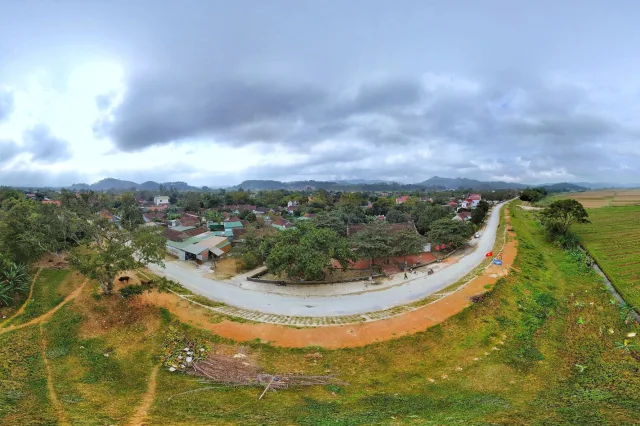
Với tầm nhìn chiến lược, Lý Nhật Quang lựa chọn vùng Bạch Đường (nay thuộc huyện Đô Lương, Nghệ An) làm trung tâm hành chính mới của châu. Đây là vị trí nằm giữa lưu vực sông Lam, thuận lợi cả về giao thông, kinh tế lẫn quân sự. Từ lỵ sở này, ông cho khai mở các tuyến đường thượng đạo nối Nghệ An với Thanh Hóa, Thăng Long và miền tây Nghệ An; đào vét các tuyến sông, kênh mương như sông Đa Cái, kênh Sắt, kênh Son, kênh Dâu; đồng thời khởi xướng việc đắp đê dọc sông Lam nhằm phòng chống lũ lụt và phục vụ sản xuất nông nghiệp. Những công trình này không chỉ cải thiện đời sống kinh tế mà còn tăng cường khả năng cơ động quân sự và củng cố vị thế của Nghệ An như một trung tâm chính trị – quân sự quan trọng ở phía nam Đại Việt.
Là người sùng kính Phật giáo, Lý Nhật Quang cũng đặc biệt quan tâm đến đời sống tinh thần của nhân dân. Ông cho tu sửa, xây dựng nhiều chùa chiền, tạo điều kiện để Phật giáo phát triển và trở thành một trong những nền tảng cố kết cộng đồng ở vùng đất mới khai phá. Trong bối cảnh triều Lý lấy Phật giáo làm quốc giáo, những hoạt động này vừa đáp ứng nhu cầu tín ngưỡng của nhân dân, vừa góp phần ổn định xã hội và củng cố ảnh hưởng của triều đình.
Tài quân sự
Trên phương diện quân sự, trước cuộc nam chinh đánh Chiêm Thành năm 1044, Lý Thái Tông giao cho Lý Nhật Quang xây dựng trại Bà Hòa dọc sông Bà Hòa (nay thuộc khu vực Nghi Sơn, Thanh Hóa). Đây là căn cứ hậu cần chiến lược, có nhiệm vụ tích trữ lương thực, bố trí đồn canh và bảo đảm tuyến tiếp vận cho quân đội. Nhờ sự chuẩn bị chu đáo này, quân Đại Việt có điều kiện thuận lợi để tiến hành chiến dịch. Sau khi đánh bại quân Chiêm và chém được vua Chiêm là Sạ Đẩu, vua Lý Thái Tông trên đường khải hoàn đã dừng chân tại hành dinh Nghệ An, triệu Lý Nhật Quang đến ban thưởng, trao tiết việt để tiếp tục trấn giữ vùng biên và gia phong từ tước Uy Minh hầu lên Uy Minh vương. Đại Việt sử ký toàn thư chép rằng nhà vua “ủy cho Uy Minh thu thuế châu Nghệ An, sai đặt trại Bà Hòa cho trấn được bền vững, lại đặt điếm canh ở các nơi, chứa lương thực”, qua đó cho thấy sự tín nhiệm đặc biệt của triều đình đối với ông.
Theo thần tích đền Quả Sơn, trong gần hai mươi năm trấn thủ Nghệ An, Lý Nhật Quang luôn thực hiện chính sách “trừng trị kẻ gian, khen thưởng người lành, khai khẩn đất hoang, chiêu mộ lưu dân”. Ông thường xuyên đi khắp các địa phương, trực tiếp hướng dẫn nhân dân sản xuất, giải quyết tranh chấp bằng đạo lý, lấy “liêm, sĩ, lễ, nghĩa” để giáo hóa dân chúng. Nhờ đó, nhân dân đều cảm phục, ít xảy ra kiện tụng và đời sống xã hội ngày càng ổn định. Chính vì công lao ấy, người dân xứ Nghệ tôn kính gọi ông là “Triệu Công”, xem ông như vị cha hiền của vùng đất Nghệ An.
Với những đóng góp nổi bật trên cả lĩnh vực chính trị, quân sự, kinh tế và văn hóa, Uy Minh vương Lý Nhật Quang được đánh giá là một trong những danh thần xuất sắc của triều Lý. Những chính sách an dân, khai khẩn đất đai, phát triển giao thông, thủy lợi và củng cố vùng biên do ông thực hiện đã đặt nền móng quan trọng cho sự phát triển của Nghệ An trong nhiều thế kỷ sau, đồng thời góp phần bảo vệ vững chắc cương vực phía nam của quốc gia Đại Việt.
Gia quyến
Cha: Vua Lý Thái Tổ
Mẹ: Linh Hiển Hoàng Hậu
Anh trai: Vua Lý Thái Tông
Qua đời và thờ phụng
Với những đóng góp to lớn trong công cuộc quản lý, khai phá và phát triển vùng Nghệ An dưới triều Lý, Uy Minh vương Lý Nhật Quang được nhân dân nhiều địa phương tôn thờ như một vị phúc thần. Trải qua gần một thiên niên kỷ, tín ngưỡng thờ Uy Minh vương đã hình thành và phát triển rộng khắp khu vực Bắc Trung Bộ, đặc biệt tập trung tại các tỉnh Nghệ An, Hà Tĩnh và Thanh Hóa. Theo thống kê, hiện nay có hơn năm mươi di tích thờ phụng Lý Nhật Quang, phản ánh vị trí đặc biệt của ông trong đời sống tín ngưỡng và ký ức lịch sử của cư dân xứ Nghệ.
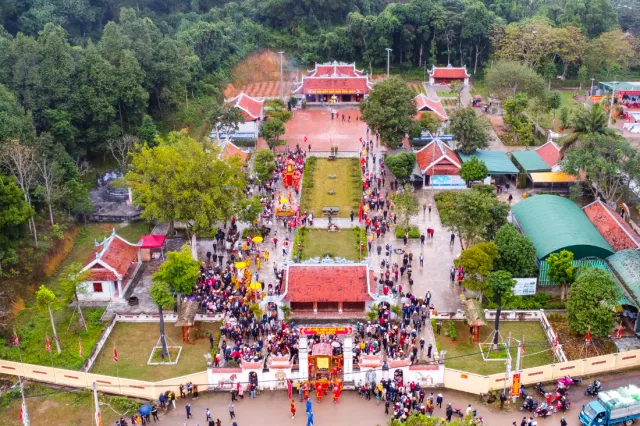
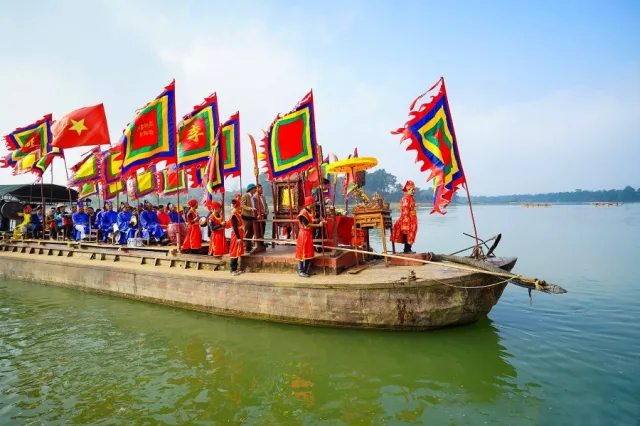
Uy Minh Vương mất vào năm Đinh Dậu (1057), để tưởng nhớ công lao to lớn của ông đối với vùng đất này, nhân dân xứ Nghệ đã an táng ông tại núi Quả và lập nên đền Quả Sơn để thờ phụng (thường gọi là đền Quả), thuộc xã Bồi Sơn, huyện Đô Lương, tỉnh Nghệ An. Đây là nơi gắn bó mật thiết với thời kỳ Lý Nhật Quang cai quản Nghệ An và cũng là nơi lưu giữ nhiều thần tích, sắc phong cùng các truyền thuyết về cuộc đời và sự nghiệp của ông. Hằng năm, từ ngày 19 đến 21 tháng Giêng âm lịch, đền Quả tổ chức lễ hội truyền thống, nổi bật với nghi lễ tạ ơn Bà Bụt, thu hút đông đảo nhân dân và du khách thập phương về dâng hương, tưởng niệm Uy Minh vương. Đầu thế kỷ XX, học giả người Pháp Le Breton trong tác phẩm An Tĩnh cổ lục đã xếp đền Quả vào hàng “một trong bốn ngôi đền đẹp nhất xứ An Nam”. Trong dân gian xứ Nghệ cũng lưu truyền câu ca nổi tiếng:
“Nhất Cờn, nhì Quả, tam Bạch Mã, tứ Chiêu Trưng.”
Câu nói này thể hiện vị thế đặc biệt của đền Quả trong hệ thống các di tích tín ngưỡng nổi tiếng của Nghệ An.
Bên cạnh đền Quả, nhiều ngôi đền khác cũng thờ Uy Minh vương Lý Nhật Quang. Tiêu biểu là đền Bạch Mã ở huyện Yên Thành (Nghệ An), tương truyền do chính Lý Nhật Quang cho dựng để thờ vọng vua cha Lý Thái Tổ, mẹ là Linh Hiển Hoàng hậu Lê Thị Phất Ngân, Thái hậu Dương thị và vua Lý Thái Tông. Trải qua nhiều biến thiên lịch sử, ngôi đền đã được trùng tu, tôn tạo, hiện vẫn là một trong những trung tâm tín ngưỡng quan trọng của vùng.
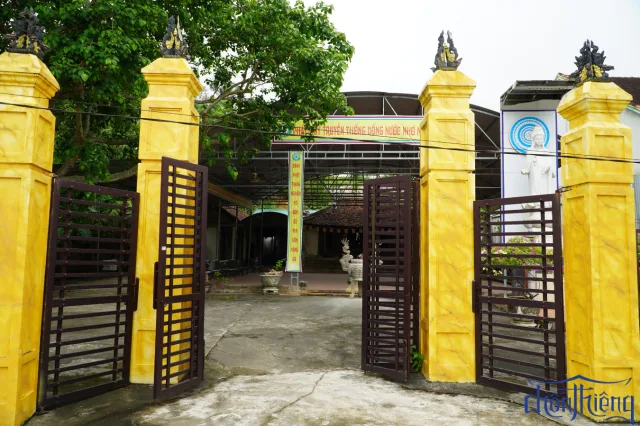
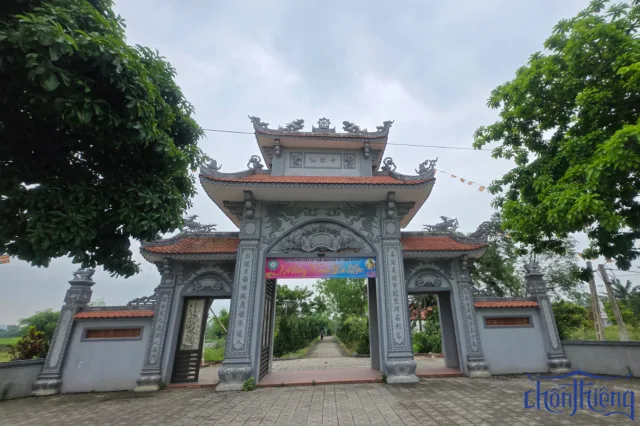
Tại Nghệ An còn có nhiều di tích thờ ông như đền Tam Tòa ở xã Nghi Công Bắc (Nghi Lộc), đã được xếp hạng Di tích lịch sử cấp tỉnh; đền Lý Nhật Quang tại xã Quỳnh Vinh (nay thuộc thị xã Hoàng Mai), được công nhận là Di tích lịch sử và kiến trúc nghệ thuật cấp quốc gia từ năm 1992; đền Cả ở huyện Yên Thành; đền Lý Nhật Quang tại huyện Anh Sơn; đền Nhạn Tháp ở Nam Đàn; cùng đền Tam Tòa tại huyện Con Cuông, hiện đã được phục dựng sau một thời gian hoang phế.
Ở tỉnh Hà Tĩnh, tín ngưỡng thờ Uy Minh vương cũng phát triển mạnh, đặc biệt tại huyện Nghi Xuân với nhiều ngôi đền cổ, tiêu biểu là đền Lý Đại vương (thường gọi là đền Huyện) và đền Tam vị Đại vương (hay đền Thượng) thuộc xã Xuân Giang. Ngoài việc thờ Lý Nhật Quang, đền Thượng còn phối thờ Đông Chinh vương và Dực Thánh vương. Tại xã Ích Hậu (huyện Lộc Hà), đền Cả hay đền Tam tòa Đại vương thờ ba vị danh thần triều Lý gồm Lý Nhật Quang, Lý Đạo Thành và Lý Thế Giai.
Ở Thanh Hóa, hiện còn đền thờ Uy Minh vương tại làng Nội Tý, xã Hoằng Đức, huyện Hoằng Hóa. Ngoài ra, tại tỉnh Bình Định cũng tồn tại một số cơ sở thờ tự gắn với Lý Nhật Quang. Trong tín ngưỡng dân gian vùng Nghệ Tĩnh và Bắc Trung Bộ, nhiều truyền thuyết còn đồng nhất hoặc xem Ông Hoàng Mười là sự hiển linh của Uy Minh vương Lý Nhật Quang. Tuy nhiên, đây là quan niệm thuộc hệ thống tín ngưỡng dân gian và Đạo Mẫu, chưa có căn cứ từ các nguồn chính sử.
Sự hiện diện của hàng chục đền thờ cùng hệ thống lễ hội và truyền thuyết liên quan cho thấy ảnh hưởng sâu rộng của Uy Minh vương Lý Nhật Quang trong đời sống văn hóa – tín ngưỡng của cư dân Bắc Trung Bộ. Không chỉ được tưởng nhớ như một vị hoàng tử triều Lý có công giữ yên vùng biên viễn, ông còn được nhân dân tôn vinh là vị thần bảo hộ, người khai phá và phát triển xứ Nghệ, trở thành một trong những nhân vật lịch sử có phạm vi thờ tự rộng lớn bậc nhất trong hệ thống tín ngưỡng dân gian Việt Nam.
Nhận định – đánh giá
Uy Minh vương Lý Nhật Quang là một trong những hoàng tử xuất sắc của vương triều Lý, đồng thời là một nhà chính trị, nhà quân sự và nhà quản lý địa phương có nhiều đóng góp quan trọng trong quá trình củng cố và mở rộng quốc gia Đại Việt ở thế kỷ XI. Gần hai thập niên trấn nhậm châu Nghệ An, ông đã để lại dấu ấn sâu đậm không chỉ trong sử sách mà còn trong ký ức văn hóa của cư dân vùng Bắc Trung Bộ, nơi ông được nhân dân tôn kính như một vị phúc thần bảo quốc an dân.
Trên phương diện chính trị và hành chính, Lý Nhật Quang được đánh giá là một vị quan thanh liêm, mẫn cán và có tư tưởng thân dân. Trong bối cảnh Nghệ An là vùng biên viễn còn nhiều bất ổn, ông đã thực hiện nhiều biện pháp quản lý hiệu quả như lập sổ hộ tịch, ổn định trật tự xã hội, cảm hóa các lực lượng địa phương, từng bước đưa vùng đất này vào quỹ đạo quản lý thống nhất của triều đình. Chính sách cai trị của ông không thiên về cưỡng chế mà kết hợp giữa pháp luật với giáo hóa, lấy đức để an dân, vì vậy đã tạo dựng được sự đồng thuận và lòng tin của nhân dân.
Về quân sự, Lý Nhật Quang có vai trò quan trọng trong chiến lược phòng thủ và mở rộng ảnh hưởng của nhà Lý ở phía Nam. Ông tổ chức xây dựng trại Bà Hòa làm căn cứ hậu cần phục vụ cuộc nam chinh năm 1044 của vua Lý Thái Tông, đồng thời thiết lập hệ thống đồn trại, kho tàng và tuyến phòng thủ dọc vùng biên. Những đóng góp này góp phần quan trọng vào thắng lợi của quân Đại Việt trước Chiêm Thành, qua đó khẳng định vị thế của triều Lý và bảo đảm an ninh cho vùng biên giới phía Nam.
Trong lĩnh vực kinh tế, ông được xem là người đặt nền móng cho quá trình khai phá và phát triển vùng Nghệ An. Ông khuyến khích khai hoang lập ấp, chiêu mộ lưu dân, mở mang nông nghiệp, phát triển nghề thủ công, đào kênh dẫn nước, nạo vét sông ngòi, mở đường giao thông và đắp đê phòng lũ. Những chính sách này không chỉ thúc đẩy sản xuất mà còn góp phần hình thành mạng lưới dân cư ổn định, tạo cơ sở cho sự phát triển lâu dài của vùng đất Nghệ Tĩnh.
Bên cạnh đó, Lý Nhật Quang còn đặc biệt quan tâm đến đời sống văn hóa và tín ngưỡng của nhân dân. Ông cho xây dựng chùa chiền, khuyến khích hoạt động Phật giáo, góp phần củng cố đời sống tinh thần và đạo đức xã hội. Sự kết hợp hài hòa giữa phát triển kinh tế, ổn định chính trị và chăm lo đời sống văn hóa cho thấy tầm nhìn toàn diện của một nhà quản lý địa phương có năng lực.
Các bộ chính sử như Đại Việt sử ký toàn thư tuy không ghi chép nhiều về cuộc đời ông, nhưng đều ghi nhận sự tín nhiệm đặc biệt của vua Lý Thái Tông đối với Lý Nhật Quang. Việc nhà vua trực tiếp trao tiết việt, gia phong từ Uy Minh hầu lên Uy Minh vương sau chiến thắng Chiêm Thành năm 1044 là minh chứng cho công lao và vị thế của ông trong triều đình. Trong tác phẩm Việt điện u linh, Lý Tế Xuyên từng ca ngợi Uy Minh Vương là “một đại phúc thần cải châu, trung trực, liêm khiết”, đồng thời xếp ông vào hàng những vị thần có công đức lớn bậc nhất của nước Việt.
Hơn năm mươi đền thờ trải khắp Nghệ An, Hà Tĩnh và Thanh Hóa cùng hệ thống thần tích, truyền thuyết và lễ hội dân gian phản đều phản ánh sự ngưỡng vọng đặc biệt của cộng đồng đối với ông. Những đóng góp của ông trên các lĩnh vực chính trị, quân sự, kinh tế và văn hóa đã góp phần quan trọng vào quá trình củng cố quốc gia Đại Việt trong giai đoạn đầu độc lập. Di sản mà ông để lại không chỉ được ghi nhận trong lịch sử mà còn được bảo tồn qua hệ thống di tích, lễ hội và tín ngưỡng dân gian, khẳng định vị trí bền vững của ông trong lịch sử dân tộc Việt Nam.
Tài liệu tham khảo
- Nguyễn Đại Đồng, Thích Thọ Lạc (Đồng Chủ biên) (2021), Lịch sử Phật giáo Nghệ An, Nxb Tôn Giáo.
- Đền Quả Sơn – Điểm đến – Cục Du lịch Quốc gia Việt Nam
- Đền Quả Sơn – Cổng thông tin điện tử xã Bạch Ngọc.
- Lý Tế Xuyên (1992), Việt điện u linh, Ngọc Hồ & Nhất Tâm (dịch), Nxb Cửu Long.
- Viện Khoa học Xã hội Việt Nam (1998), Đại Việt sử ký toàn thư, Hoàng Văn Lâu dịch và chú thích, Tập I, Nxb Khoa học Xã hội.
Ngôn ngữ khác
Tiếng Anh (English)
Background
Lý Nhật Quang (995–1057), whose personal name was Lý Hoảng, was the eighth son of Emperor Lý Thái Tổ. His mother was Empress Linh Hiển, of the Lê family. Therefore, he was the full younger brother of Emperor Lý Thái Tông.
From an early age, Lý Nhật Quang was renowned for his intelligence, love of learning, and exceptional aptitude. At only eight years old, he was already able to compose poetry, and by the age of ten he had mastered the classics and historical texts. Born and raised within the royal house of the Lý dynasty, he was personally educated and nurtured by Emperor Lý Thái Tổ and members of the royal clan, who expected him to become one of the pillars of the court.
Lý Nhật Quang was also recorded in historical sources for his administrative talent, virtue, and important contributions to the royal court. Throughout his official career, he was entrusted many times with major responsibilities, especially the task of governing Nghệ An. With his talent for statecraft, his closeness to the people, and his achievements in economic development and social stabilization, he came to be venerated by the people in many localities as a benevolent tutelary deity. After his death, the image of Lý Nhật Quang was gradually mythologized in folk tradition, and he became one of the most widely worshipped historical figures in Nghệ An and the North Central region of Vietnam.
Career
Governing Nghệ An Prefecture
In 1028, Emperor Lý Thái Tổ passed away, and Prince Lý Phật Mã, Lý Nhật Quang’s full elder brother, ascended the throne as Emperor Lý Thái Tông. Under the reign of Lý Thái Tông, Lý Nhật Quang was soon assigned many important duties, gradually affirming his abilities in politics, military affairs, and local administration.
In the first year of the Càn Phù Hữu Đạo era (1039), he was sent to Nghệ An Prefecture to oversee tax collection. At that time, Nghệ An was a vast frontier region in the southern part of Đại Việt, where administration still faced many difficulties. In his new position, Lý Nhật Quang carried out his duties with strictness and care, collecting taxes according to the prescribed quota and absolutely avoiding harshness or excessive levies, unlike some previous officials. As a result, he quickly built prestige among the people and was regarded by the court as an honest and upright official.
Recognizing his talent and virtue, in 1041 Emperor Lý Thái Tông appointed Lý Nhật Quang as Governor of Nghệ An Prefecture and granted him the title Marquis Uy Minh. This marked an important turning point in his career. At that time, Nghệ An was not only a vast territory but also a strategic defensive line at the southernmost edge of Đại Việt, where uprisings by local chieftains frequently occurred and where pressure from Champa was constant. As Governor, Lý Nhật Quang strengthened the administrative apparatus, established household registers, recorded the population, tightened the management of residents, and restored legal order. These measures were consistent with the strict household-registration policy of the Lý dynasty, later recorded by Phan Huy Chú in Lịch triều hiến chương loại chí: males were entered into the register as “Hoàng nam” at the age of eighteen, and at the age of twenty were called “Đại Hoàng nam.” The strict management of the population helped consolidate administration and stabilize society in the frontier region.
Not only was Lý Nhật Quang known for his strict and clear governance, he was also famous for his people-centered thinking and lenient method of rule. He emphasized moral instruction over punishment and used ethical principles to transform the people. Thanks to this, he gradually won over local forces, turning Nghệ An from a frequently unstable region into a stable locality where order was restored and the people’s lives gradually became peaceful.
Alongside strengthening the administrative system, Lý Nhật Quang paid special attention to economic development and the exploitation of the potential of the Nghệ region. He advocated recruiting migrants, reclaiming wasteland, establishing new villages, and expanding cultivated land. According to tradition, many localities such as Khe Bố, Cự Đồn, Nam Hoa, Hoàng Mai, Công Trung, Vinh, Nghi Xuân, Kỳ Anh, and others are associated with the reclamation efforts initiated or directed by him. At the same time, he encouraged the people to develop agriculture, mulberry cultivation and silkworm raising, silk weaving, cloth weaving, and many other handicrafts. For this reason, in folk memory he was also honored as the founding ancestor of several traditional crafts in Nghệ An.
With strategic vision, Lý Nhật Quang chose the Bạch Đường area, now part of Đô Lương District, Nghệ An, as the new administrative center of the prefecture. This location lay in the middle of the Lam River basin and was advantageous in terms of transportation, economy, and military defense. From this administrative seat, he opened upland routes connecting Nghệ An with Thanh Hóa, Thăng Long, and western Nghệ An; dredged rivers, canals, and irrigation channels such as the Đa Cái River, Kênh Sắt, Kênh Son, and Kênh Dâu; and initiated the construction of dikes along the Lam River to prevent floods and support agricultural production. These works not only improved economic life but also enhanced military mobility and strengthened Nghệ An’s position as an important political and military center in the southern part of Đại Việt.
As a devout Buddhist, Lý Nhật Quang also paid special attention to the spiritual life of the people. He ordered the repair and construction of many pagodas, creating favorable conditions for Buddhism to develop and become one of the foundations binding together communities in the newly reclaimed land. In the context of the Lý dynasty, which regarded Buddhism as the state religion, these activities both met the people’s religious needs and contributed to social stabilization and the consolidation of the court’s influence.
Military Talent
In military affairs, before the southern campaign against Champa in 1044, Lý Thái Tông assigned Lý Nhật Quang to build the Bà Hòa camp along the Bà Hòa River, now in the Nghi Sơn area of Thanh Hóa. This was a strategic logistical base tasked with storing provisions, setting up guard posts, and securing supply routes for the army. Thanks to this careful preparation, the Đại Việt army had favorable conditions to conduct the campaign. After defeating the Cham army and killing the Cham king Sạ Đẩu, Emperor Lý Thái Tông, on his triumphant return, stopped at the Nghệ An field headquarters, summoned Lý Nhật Quang to bestow rewards upon him, granted him the ceremonial battle-axe of authority so that he could continue guarding the frontier, and promoted him from Marquis Uy Minh to Prince Uy Minh. Đại Việt sử ký toàn thư records that the king “entrusted Uy Minh with collecting taxes in Nghệ An Prefecture, ordered the establishment of Bà Hòa camp so that the garrison would be secure, also set up guard stations in various places, and stored provisions,” thereby showing the court’s special trust in him.
According to the sacred biography of Quả Sơn Temple, during nearly twenty years of guarding Nghệ An, Lý Nhật Quang consistently carried out the policy of “punishing the wicked, rewarding the good, reclaiming wasteland, and recruiting migrants.” He frequently traveled throughout the localities, directly guiding the people in production, resolving disputes through moral principles, and using “integrity, honor, propriety, and righteousness” to educate the populace. As a result, the people admired him, lawsuits were rare, and social life became increasingly stable. Because of these merits, the people of Nghệ respectfully called him “Triệu Công,” regarding him as a benevolent father of the Nghệ An region.
With his outstanding contributions in politics, military affairs, economics, and culture, Prince Uy Minh Lý Nhật Quang is regarded as one of the most eminent statesmen of the Lý dynasty. His policies of pacifying the people, reclaiming land, developing transportation and irrigation, and strengthening the frontier laid an important foundation for the development of Nghệ An in the centuries that followed, while also contributing to the firm defense of the southern territory of the Đại Việt state.
Family
Father: Emperor Lý Thái Tổ
Mother: Empress Linh Hiển
Elder brother: Emperor Lý Thái Tông
Death and Worship
With his great contributions to the administration, reclamation, and development of the Nghệ An region under the Lý dynasty, Prince Uy Minh Lý Nhật Quang was venerated by the people in many localities as a benevolent tutelary deity. Over nearly a millennium, the worship of Prince Uy Minh has formed and spread widely throughout the North Central region, especially in Nghệ An, Hà Tĩnh, and Thanh Hóa. According to statistics, there are now more than fifty relic sites dedicated to Lý Nhật Quang, reflecting his special place in the religious life and historical memory of the people of Nghệ.
Prince Uy Minh died in the year Đinh Dậu, 1057. To commemorate his great merits toward this land, the people of Nghệ buried him at Mount Quả and established Quả Sơn Temple to worship him, commonly known as Đền Quả. The temple is located in Bồi Sơn Commune, Đô Lương District, Nghệ An Province. This place is closely associated with the period when Lý Nhật Quang governed Nghệ An and also preserves many sacred biographies, royal decrees, and legends about his life and career. Every year, from the 19th to the 21st day of the first lunar month, Quả Temple holds its traditional festival, notable for the ritual of giving thanks to Bà Bụt. The festival attracts large numbers of local people and visitors from afar who come to offer incense and commemorate Prince Uy Minh. In the early twentieth century, the French scholar Le Breton, in his work An Tĩnh cổ lục, ranked Quả Temple among “one of the four most beautiful temples of Annam.” In the folk tradition of Nghệ, a famous saying has also been handed down:
“First Cờn, second Quả, third Bạch Mã, fourth Chiêu Trưng.”
This saying expresses the special position of Quả Temple within the system of famous religious relics in Nghệ An.
Besides Quả Temple, many other temples also worship Prince Uy Minh Lý Nhật Quang. A notable example is Bạch Mã Temple in Yên Thành District, Nghệ An, which, according to tradition, was built by Lý Nhật Quang himself as a distant shrine to honor his father Emperor Lý Thái Tổ, his mother Empress Linh Hiển Lê Thị Phất Ngân, Empress Dowager Dương Vân Nga, and Emperor Lý Thái Tông. Through many historical changes, the temple has been restored and renovated and remains one of the important religious centers of the region.
In Nghệ An, there are many other relic sites dedicated to him, such as Tam Tòa Temple in Nghi Công Bắc Commune, Nghi Lộc, which has been ranked as a provincial-level historical relic; Lý Nhật Quang Temple in Quỳnh Vinh Commune, now part of Hoàng Mai Town, recognized as a national historical and architectural-artistic relic in 1992; Đền Cả in Yên Thành District; Lý Nhật Quang Temple in Anh Sơn District; Nhạn Tháp Temple in Nam Đàn; and Tam Tòa Temple in Con Cuông District, which has now been restored after a period of abandonment.
In Hà Tĩnh Province, the worship of Prince Uy Minh also developed strongly, especially in Nghi Xuân District, where there are many ancient temples. Notable examples include Lý Đại Vương Temple, commonly called Đền Huyện, and Tam Vị Đại Vương Temple, also known as Đền Thượng, in Xuân Giang Commune. In addition to worshipping Lý Nhật Quang, Đền Thượng also jointly worships Đông Chinh Vương and Dực Thánh Vương. In Ích Hậu Commune, Lộc Hà District, Đền Cả, also called Tam Tòa Đại Vương Temple, worships three eminent ministers of the Lý dynasty: Lý Nhật Quang, Lý Đạo Thành, and Lý Thế Giai.
In Thanh Hóa, there is still a temple dedicated to Prince Uy Minh in Nội Tý Village, Hoằng Đức Commune, Hoằng Hóa District. In addition, several worship sites associated with Lý Nhật Quang also exist in Bình Định Province. In the folk beliefs of the Nghệ Tĩnh region and the North Central region, many legends also identify or regard Ông Hoàng Mười as an incarnation of Prince Uy Minh Lý Nhật Quang. However, this is a belief belonging to folk religion and Đạo Mẫu, and it has not been substantiated by official historical sources.
The presence of dozens of temples, together with the system of festivals and legends related to him, shows the profound influence of Prince Uy Minh Lý Nhật Quang in the cultural and religious life of the people of the North Central region. He is remembered not only as a Lý dynasty prince who contributed to securing the frontier, but also honored by the people as a protective deity, a pioneer, and a developer of the Nghệ region, becoming one of the historical figures with the widest scope of worship in the system of Vietnamese folk belief.
Assessment and Evaluation
Prince Uy Minh Lý Nhật Quang was one of the outstanding princes of the Lý dynasty, as well as a politician, military leader, and local administrator who made many important contributions to the consolidation and expansion of the Đại Việt state in the eleventh century. During nearly two decades governing Nghệ An Prefecture, he left a deep imprint not only in historical records but also in the cultural memory of the inhabitants of the North Central region, where he has been revered by the people as a benevolent deity who protected the country and brought peace to the people.
Politically and administratively, Lý Nhật Quang is regarded as an honest, diligent official with a people-centered outlook. In the context of Nghệ An as a frontier region still marked by much instability, he implemented many effective administrative measures, such as establishing household registers, stabilizing social order, transforming local forces, and gradually bringing the region into the unified administrative orbit of the royal court. His policy of rule did not rely solely on coercion, but combined law with moral education and used virtue to pacify the people. Therefore, he was able to build consensus and trust among the population.
Militarily, Lý Nhật Quang played an important role in the Lý dynasty’s strategy of defense and expansion of influence in the South. He organized the construction of Bà Hòa camp as a logistical base for Emperor Lý Thái Tông’s southern campaign in 1044, while also establishing a system of camps, storehouses, and defensive lines along the frontier. These contributions played an important role in the victory of the Đại Việt army over Champa, thereby affirming the position of the Lý dynasty and ensuring security for the southern border region.
In the economic field, he is regarded as a figure who laid the foundation for the reclamation and development of Nghệ An. He encouraged land reclamation and village establishment, recruited migrants, expanded agriculture, developed handicrafts, dug irrigation canals, dredged rivers, opened transportation routes, and built dikes to prevent floods. These policies not only promoted production but also contributed to the formation of a stable population network, creating a basis for the long-term development of the Nghệ Tĩnh region.
In addition, Lý Nhật Quang paid special attention to the cultural and religious life of the people. He built pagodas, encouraged Buddhist activities, and contributed to strengthening spiritual life and social morality. The harmonious combination of economic development, political stabilization, and care for cultural life demonstrates the comprehensive vision of a capable local administrator.
Although official historical works such as Đại Việt sử ký toàn thư do not record his life in great detail, they all acknowledge the special trust that Emperor Lý Thái Tông placed in Lý Nhật Quang. The fact that the king personally granted him the ceremonial battle-axe of authority and promoted him from Marquis Uy Minh to Prince Uy Minh after the victory over Champa in 1044 is evidence of his merits and position at court. In Việt điện u linh, Lý Tế Xuyên once praised Prince Uy Minh as “a great tutelary deity who governed the prefecture, loyal, upright, and incorruptible,” and ranked him among the most meritorious deities of Vietnam.
More than fifty temples spread across Nghệ An, Hà Tĩnh, and Thanh Hóa, together with systems of sacred biographies, legends, and folk festivals, all reflect the community’s special reverence for him. His contributions in politics, military affairs, economics, and culture played an important role in the consolidation of the Đại Việt state during the early period of independence. The legacy he left behind has not only been recognized in history but also preserved through relic sites, festivals, and folk beliefs, affirming his enduring position in the history of the Vietnamese nation.
References
- Nguyễn Đại Đồng, Thích Thọ Lạc (Đồng Chủ biên) (2021), Lịch sử Phật giáo Nghệ An, Nxb Tôn Giáo.
- Đền Quả Sơn – Điểm đến – Cục Du lịch Quốc gia Việt Nam
- Đền Quả Sơn – Cổng thông tin điện tử xã Bạch Ngọc.
- Lý Tế Xuyên (1992), Việt điện u linh, Ngọc Hồ & Nhất Tâm (dịch), Nxb Cửu Long.
- Viện Khoa học Xã hội Việt Nam (1998), Đại Việt sử ký toàn thư, Hoàng Văn Lâu dịch và chú thích, Tập I, Nxb Khoa học Xã hội.
Tiếng Pháp (Français)
Origines et vie
Lý Nhật Quang (995-1057), de son nom personnel Lý Hoảng, était le huitième fils du roi Lý Thái Tổ. Sa mère était l’impératrice Linh Hiển, de la famille Lê. Il était donc le frère cadet, né de la même mère, du roi Lý Thái Tông.
Dès son jeune âge, Lý Nhật Quang fut célèbre pour son intelligence, son goût pour l’étude et ses qualités exceptionnelles. À seulement huit ans, il savait déjà composer des poèmes ; à dix ans, il maîtrisait les classiques et l’histoire. Né et élevé au sein de la famille impériale des Lý, il fut directement éduqué et formé par le roi Lý Thái Tổ ainsi que par les membres de la lignée royale, qui espéraient qu’il deviendrait l’un des piliers de la cour.
Les annales historiques retiennent également Lý Nhật Quang pour ses talents d’administration, sa vertu et ses contributions importantes à la dynastie. Tout au long de sa carrière de mandarin, il se vit confier à plusieurs reprises de lourdes responsabilités, en particulier la mission de gouverner la région de Nghệ An. Grâce à son talent dans l’art de gouverner, à sa proximité avec le peuple et à ses mérites dans le développement économique et la stabilisation sociale, il fut vénéré par les habitants de nombreuses localités comme une divinité bienfaisante. Après sa mort, son image fut progressivement légendarisée dans la tradition populaire, faisant de lui l’un des personnages historiques les plus largement honorés dans la région de Nghệ An et du Centre-Nord du Vietnam.
Carrière
Gouvernement de la province de Nghệ An
En 1028, le roi Lý Thái Tổ mourut. Le prince Lý Phật Mã, frère de même mère de Lý Nhật Quang, monta sur le trône sous le nom de Lý Thái Tông. Sous le règne de Lý Thái Tông, Lý Nhật Quang reçut très tôt de nombreuses responsabilités, affirmant peu à peu ses capacités politiques, militaires et administratives au niveau local.
En la première année de l’ère Càn Phù Hữu Đạo (1039), il fut envoyé dans la province de Nghệ An pour y superviser la perception des impôts. À cette époque, Nghệ An était une vaste région frontalière située au sud du Đại Việt, dont l’administration rencontrait encore de nombreuses difficultés. Dans ses nouvelles fonctions, Lý Nhật Quang accomplit sa mission avec rigueur, percevant les impôts conformément aux quotas fixés, sans se montrer dur ni pratiquer d’exactions comme certains fonctionnaires qui l’avaient précédé. Grâce à cela, il gagna rapidement la confiance du peuple et fut considéré par la cour comme un mandarin intègre et droit.
Reconnaissant son talent et sa vertu, le roi Lý Thái Tông nomma Lý Nhật Quang, en 1041, gouverneur de la province de Nghệ An, tout en lui conférant le titre de marquis Uy Minh. Ce fut un tournant important dans sa carrière. À cette époque, Nghệ An n’était pas seulement un vaste territoire ; c’était aussi une ligne de défense stratégique à l’extrême sud du Đại Việt, où éclataient fréquemment des soulèvements de chefs locaux et où s’exerçait une forte pression venue du Champa. En tant que gouverneur, Lý Nhật Quang entreprit de consolider l’appareil administratif, d’établir les registres de population, de recenser les habitants, de renforcer la gestion de la population et de rétablir l’ordre et la discipline de l’État. Ces mesures correspondaient à la politique stricte de gestion des registres de population sous la dynastie des Lý, que Phan Huy Chú mentionna plus tard dans le Lịch triều hiến chương loại chí : les hommes atteignant dix-huit ans étaient inscrits dans le registre des « Hoàng nam », puis, à vingt ans, étaient appelés « Đại Hoàng nam ». Cette gestion rigoureuse de la population contribua à consolider l’administration et à stabiliser la société dans cette région frontalière.
Non seulement Lý Nhật Quang gouvernait avec une justice stricte, mais il était aussi célèbre pour sa pensée proche du peuple et pour une méthode de gouvernement empreinte de clémence. Il accordait davantage d’importance à l’éducation morale qu’à la punition, utilisant les principes éthiques pour transformer et convaincre la population. Grâce à cela, il parvint progressivement à rallier les forces locales, faisant de Nghệ An, auparavant région souvent instable, une localité pacifiée, où l’ordre fut rétabli et où la vie du peuple devint peu à peu plus paisible.
Parallèlement au renforcement de l’appareil administratif, Lý Nhật Quang accorda une attention particulière au développement économique et à l’exploitation des potentialités du pays de Nghệ. Il préconisa le recrutement de migrants, le défrichement des terres incultes, la création de nouveaux villages et l’extension des surfaces cultivées. Selon la tradition, de nombreuses localités telles que Khe Bố, Cự Đồn, Nam Hoa, Hoàng Mai, Công Trung, Vinh, Nghi Xuân, Kỳ Anh, etc., sont associées aux travaux de défrichement qu’il initia ou dirigea. En parallèle, il encouragea le peuple à développer l’agriculture, la culture du mûrier et l’élevage du ver à soie, le tissage de la soie, le tissage des étoffes et de nombreux autres métiers artisanaux. C’est pourquoi, dans la tradition populaire, il est également honoré comme l’ancêtre fondateur de certains métiers traditionnels de Nghệ An.
Avec une vision stratégique, Lý Nhật Quang choisit la région de Bạch Đường, aujourd’hui située dans le district de Đô Lương, province de Nghệ An, comme nouveau centre administratif de la province. Ce lieu, situé au milieu du bassin du fleuve Lam, était favorable à la fois aux communications, à l’économie et aux activités militaires. Depuis ce siège administratif, il fit ouvrir des routes de montagne reliant Nghệ An à Thanh Hóa, Thăng Long et l’ouest de Nghệ An ; il fit creuser et curer des cours d’eau et canaux tels que la rivière Đa Cái, le canal Sắt, le canal Son et le canal Dâu ; il lança également la construction de digues le long du fleuve Lam afin de prévenir les inondations et de soutenir la production agricole. Ces ouvrages améliorèrent non seulement la vie économique, mais renforcèrent aussi la mobilité militaire et consolidèrent la position de Nghệ An comme centre politique et militaire important au sud du Đại Việt.
Fervent adepte du bouddhisme, Lý Nhật Quang se soucia également beaucoup de la vie spirituelle du peuple. Il fit restaurer et construire de nombreuses pagodes, créant les conditions favorables au développement du bouddhisme et faisant de celui-ci l’un des fondements de la cohésion communautaire dans les terres nouvellement mises en valeur. Dans le contexte où la dynastie des Lý considérait le bouddhisme comme religion d’État, ces activités répondaient à la fois aux besoins religieux du peuple, contribuaient à la stabilité sociale et renforçaient l’influence de la cour.
Talent militaire
Sur le plan militaire, avant la campagne méridionale contre le Champa en 1044, Lý Thái Tông confia à Lý Nhật Quang la construction du camp de Bà Hòa le long de la rivière Bà Hòa, aujourd’hui située dans la région de Nghi Sơn, province de Thanh Hóa. Il s’agissait d’une base logistique stratégique, chargée de stocker les vivres, d’établir des postes de garde et d’assurer les lignes de ravitaillement de l’armée. Grâce à cette préparation minutieuse, l’armée du Đại Việt disposa de conditions favorables pour mener la campagne. Après avoir vaincu l’armée cham et décapité le roi cham Sạ Đẩu, le roi Lý Thái Tông, sur le chemin du retour triomphal, s’arrêta au quartier général de Nghệ An, convoqua Lý Nhật Quang, le récompensa, lui remit les insignes de commandement afin qu’il continue à garder la région frontalière, et l’éleva du titre de marquis Uy Minh à celui de prince Uy Minh. Le Đại Việt sử ký toàn thư rapporte que le roi « confia à Uy Minh la perception des impôts de la province de Nghệ An, ordonna l’établissement du camp de Bà Hòa afin de consolider la défense, fit établir des postes de garde en divers lieux et stocker des vivres », ce qui montre la confiance particulière que la cour lui accordait.
Selon les récits cultuels du temple de Quả Sơn, pendant près de vingt ans passés à gouverner Nghệ An, Lý Nhật Quang appliqua constamment une politique consistant à « punir les malfaiteurs, récompenser les gens de bien, défricher les terres incultes et recruter des migrants ». Il parcourait régulièrement les localités, guidait directement le peuple dans la production, résolvait les conflits par la morale et instruisait la population selon les principes de « probité, sens de l’honneur, rites et justice ». Grâce à cela, le peuple l’admira profondément, les procès devinrent rares et la vie sociale se stabilisa de plus en plus. En raison de ces mérites, les habitants du pays de Nghệ le vénéraient sous le nom de « Triệu Công », le considérant comme le père bienveillant de la région de Nghệ An.
Par ses contributions remarquables dans les domaines politique, militaire, économique et culturel, le prince Uy Minh Lý Nhật Quang est considéré comme l’un des grands ministres les plus éminents de la dynastie des Lý. Les politiques qu’il mit en œuvre pour pacifier le peuple, défricher les terres, développer les communications et l’irrigation, ainsi que consolider la région frontalière, posèrent des bases importantes pour le développement de Nghệ An durant de nombreux siècles, tout en contribuant à défendre solidement la frontière méridionale de l’État du Đại Việt.
Famille
Père : le roi Lý Thái Tổ
Mère : l’impératrice Linh Hiển
Frère aîné : le roi Lý Thái Tông
Décès et culte
En raison de ses grandes contributions à l’administration, au défrichement et au développement de la région de Nghệ An sous la dynastie des Lý, le prince Uy Minh Lý Nhật Quang fut honoré par les habitants de nombreuses localités comme une divinité bienfaisante. Au cours de près d’un millénaire, le culte du prince Uy Minh s’est formé et développé largement dans la région du Centre-Nord du Vietnam, en particulier dans les provinces de Nghệ An, Hà Tĩnh et Thanh Hóa. Selon les statistiques, il existe aujourd’hui plus de cinquante monuments cultuels consacrés à Lý Nhật Quang, reflétant sa place particulière dans la vie religieuse et la mémoire historique des habitants du pays de Nghệ.
Le prince Uy Minh mourut en l’année Đinh Dậu (1057). Afin de commémorer ses grands mérites envers cette terre, les habitants du pays de Nghệ l’inhumèrent au mont Quả et édifièrent le temple de Quả Sơn pour lui rendre un culte. Ce temple, souvent appelé temple de Quả, se trouve dans la commune de Bồi Sơn, district de Đô Lương, province de Nghệ An. Il est étroitement lié à la période où Lý Nhật Quang administra Nghệ An et conserve encore de nombreux récits cultuels, édits de consécration et légendes relatifs à sa vie et à sa carrière. Chaque année, du 19 au 21 du premier mois lunaire, le temple de Quả organise une fête traditionnelle, marquée notamment par le rite d’action de grâce à Bà Bụt, attirant un grand nombre d’habitants et de pèlerins venus de toutes régions pour offrir de l’encens et commémorer le prince Uy Minh. Au début du XXe siècle, le savant français Le Breton, dans son ouvrage An Tĩnh cổ lục, classa le temple de Quả parmi « les quatre plus beaux temples de l’Annam ». Dans la tradition populaire du pays de Nghệ, on transmet également ce célèbre dicton :
« Premier Cờn, deuxième Quả, troisième Bạch Mã, quatrième Chiêu Trưng. »
Cette formule montre la place particulière du temple de Quả dans le système des célèbres monuments religieux de Nghệ An.
Outre le temple de Quả, de nombreux autres temples rendent également un culte au prince Uy Minh Lý Nhật Quang. Parmi les plus représentatifs figure le temple de Bạch Mã, dans le district de Yên Thành, province de Nghệ An. Selon la tradition, Lý Nhật Quang l’aurait lui-même fait édifier pour rendre un culte à distance à son père, le roi Lý Thái Tổ, à sa mère, l’impératrice Linh Hiển Lê Thị Phất Ngân, à l’impératrice douairière Dương Vân Nga et au roi Lý Thái Tông. Ayant traversé de nombreux bouleversements historiques, ce temple a été restauré et demeure aujourd’hui encore l’un des centres religieux importants de la région.
À Nghệ An, il existe encore de nombreux monuments qui lui sont consacrés, tels que le temple Tam Tòa dans la commune de Nghi Công Bắc, district de Nghi Lộc, classé monument historique provincial ; le temple Lý Nhật Quang dans la commune de Quỳnh Vinh, aujourd’hui rattachée à la ville de Hoàng Mai, reconnu comme monument historique et architectural national depuis 1992 ; le temple Cả dans le district de Yên Thành ; le temple Lý Nhật Quang dans le district d’Anh Sơn ; le temple Nhạn Tháp à Nam Đàn ; ainsi que le temple Tam Tòa dans le district de Con Cuông, aujourd’hui restauré après une période d’abandon.
Dans la province de Hà Tĩnh, le culte du prince Uy Minh s’est également fortement développé, en particulier dans le district de Nghi Xuân, où se trouvent plusieurs temples anciens. Les plus représentatifs sont le temple Lý Đại vương, souvent appelé temple Huyện, et le temple Tam vị Đại vương, ou temple Thượng, situés dans la commune de Xuân Giang. Outre le culte de Lý Nhật Quang, le temple Thượng associe aussi le culte de Đông Chinh vương et de Dực Thánh vương. Dans la commune d’Ích Hậu, district de Lộc Hà, le temple Cả, ou temple Tam tòa Đại vương, honore trois grands ministres de la dynastie des Lý : Lý Nhật Quang, Lý Đạo Thành et Lý Thế Giai.
À Thanh Hóa, il existe encore un temple consacré au prince Uy Minh dans le village de Nội Tý, commune de Hoằng Đức, district de Hoằng Hóa. En outre, dans la province de Bình Định, il subsiste également quelques lieux de culte associés à Lý Nhật Quang. Dans les croyances populaires des régions de Nghệ Tĩnh et du Centre-Nord, de nombreuses légendes identifient ou considèrent Ông Hoàng Mười comme une manifestation spirituelle du prince Uy Minh Lý Nhật Quang. Toutefois, cette conception relève du système de croyances populaires et du culte des Mères, et ne repose pas sur des sources historiques officielles.
La présence de dizaines de temples, ainsi que tout un ensemble de fêtes et de légendes associées à lui, montre l’influence profonde du prince Uy Minh Lý Nhật Quang dans la vie culturelle et religieuse des habitants du Centre-Nord. Il n’est pas seulement commémoré comme un prince de la dynastie des Lý ayant contribué à pacifier une région frontalière ; il est aussi honoré par le peuple comme une divinité protectrice, un défricheur et un développeur du pays de Nghệ, devenant ainsi l’un des personnages historiques dont le culte est le plus largement répandu dans le système des croyances populaires vietnamiennes.
Appréciation et évaluation
- Nguyễn Đại Đồng, Thích Thọ Lạc (Đồng Chủ biên) (2021), Lịch sử Phật giáo Nghệ An, Nxb Tôn Giáo.
- Đền Quả Sơn – Điểm đến – Cục Du lịch Quốc gia Việt Nam
- Đền Quả Sơn – Cổng thông tin điện tử xã Bạch Ngọc.
- Lý Tế Xuyên (1992), Việt điện u linh, Ngọc Hồ & Nhất Tâm (dịch), Nxb Cửu Long.
- Viện Khoa học Xã hội Việt Nam (1998), Đại Việt sử ký toàn thư, Hoàng Văn Lâu dịch và chú thích, Tập I, Nxb Khoa học Xã hội.
Tiếng Trung (中文)
身世
李日光(995—1057),讳李晃,是李太祖皇帝的第八子。其母为灵显皇后,黎姓。因此,他是李太宗皇帝的同母弟。
李日光自幼便以聪慧好学、资质过人而闻名。八岁时已经能作诗,十岁便通晓经史。出生并成长于李朝皇族之中,他受到李太祖及宗室长辈的亲自教养,被寄予厚望,期望其成为朝廷的重要支柱之一。
李日光又因其治理才能、德行以及对朝廷的重要贡献而被史籍所记载。在其一生为官期间,他多次受命承担重任,尤其是镇守乂安地区。凭借治国理政之才、亲近百姓之德以及在发展经济、稳定社会方面的功绩,他被许多地方的民众尊奉为福神。去世之后,李日光的形象逐渐在民间被神话化,成为乂安及北中部地区最受广泛供奉的历史人物之一。
事业
镇守乂安州
1028年,李太祖驾崩,皇子李佛玛——李日光的同母兄——继位,即李太宗皇帝。在李太宗朝,李日光很早便被委以多项重任,逐步显露出其在政治、军事和地方治理方面的能力。
乾符有道元年(1039),他被派往乂安州负责征收赋税。当时的乂安是大越南部辽阔的边远地区,治理工作仍有许多困难。在新的职位上,李日光谨慎严明地执行公务,按规定税额征收,绝不苛酷,也不如某些前任官吏那样滥征。由此,他很快在百姓中树立了威信,并被朝廷评价为清廉正直之官。
看到了他的才能和德行,1041年,李太宗任命李日光为乂安知州,同时封爵为威明侯。这是他仕途中的重要转折。当时,乂安不仅是幅员辽阔之地,也是大越最南端的战略防线,经常发生地方酋长叛乱,同时又承受来自占城方面的压力。在知州任上,李日光着手巩固行政机构,建立户籍簿册,统计人丁,严格管理居民,恢复国家法纪。这些措施符合李朝严格管理户籍的政策。后来潘辉注在《历朝宪章类志》中记载,男子到十八岁登记入“黄男”册,到二十岁称为“大黄男”。对人口的严密管理,有助于巩固行政基础,并稳定边地社会。
李日光不仅执法严明,还以亲民思想和宽和的治理方式闻名。他重视教化甚于惩罚,以道理感化百姓,因此逐步使地方势力归附,使乂安从一个经常动荡不安的地区,变为秩序恢复、社会稳定、人民生活渐趋安宁的地方。
在巩固行政机构的同时,李日光尤其重视发展经济,开发乂安地区的潜能。他主张招募流民,开垦荒地,建立新村,扩大耕作面积。相传在许多地方,如溪布、巨屯、南和、黄梅、公中、荣、宜春、奇英等地,都与他所倡导或指挥的开拓事业有关。与此同时,他鼓励百姓发展农业,种桑养蚕,织绸、织布以及发展多种手工业。因此,在民间他还被尊为乂安若干传统行业的祖师。
凭借战略眼光,李日光选择白堂地区,即今乂安省都良县一带,作为乂安州新的行政中心。这里位于蓝江流域中部,在交通、经济和军事方面都十分便利。以此治所为中心,他开辟上道交通线路,使乂安连接清化、升龙以及乂安西部;又疏浚河流、沟渠,如多盖河、铁渠、山渠、桑渠;同时倡导沿蓝江修筑堤防,以防洪水并服务农业生产。这些工程不仅改善了经济生活,也增强了军事机动能力,巩固了乂安作为大越南部重要政治、军事中心的地位。
李日光崇敬佛教,也特别关注百姓的精神生活。他修缮并兴建多座寺院,为佛教的发展创造条件,使佛教成为新开拓地区凝聚共同体的重要基础之一。在李朝以佛教为国教的背景下,这些活动既满足了百姓的信仰需求,也有助于稳定社会,并巩固朝廷的影响。
军事才能
在军事方面,1044年南征占城之前,李太宗命李日光沿婆和江,即今清化省宜山一带,修建婆和营。这是一个战略性的后勤基地,负责储备粮食、设置守望哨所,并保障军队的补给路线。由于这一周密准备,大越军队具备了顺利开展战役的有利条件。击败占军并斩杀占城王阇斗之后,李太宗在凯旋途中停驻乂安行营,召见李日光并赐予赏赉,授予节钺,使其继续镇守边地,并由威明侯晋封为威明王。《大越史记全书》记载,皇帝“委威明收乂安州税,令置婆和营,使镇守坚固,又于各处设哨,储备粮食”,由此可见朝廷对他的特殊信任。
据果山庙神迹记载,在近二十年镇守乂安期间,李日光始终实行“惩治奸邪、奖励善良、开垦荒地、招募流民”的政策。他经常巡行各地,亲自指导百姓生产,用道理解决纠纷,以“廉、耻、礼、义”教化民众。因此,百姓皆为之感服,诉讼很少发生,社会生活日益稳定。也正因这些功劳,乂安百姓尊敬地称他为“赵公”,视其为乂安地区的慈父。
凭借在政治、军事、经济和文化等领域的突出贡献,威明王李日光被评价为李朝杰出的名臣之一。他所推行的安民政策、土地开垦、交通与水利发展以及边地巩固措施,为乂安此后数百年的发展奠定了重要基础,同时也为保卫大越国家南部疆域作出了重要贡献。
家属
父亲:李太祖皇帝
母亲:灵显皇后
兄长:李太宗皇帝
去世与祭祀
由于在李朝时期治理、开拓和发展乂安地区方面作出了巨大贡献,威明王李日光被许多地方的百姓尊奉为福神。历经近一千年,威明王信仰形成并广泛发展于北中部地区,尤其集中在乂安、河静和清化诸省。据统计,现今有五十余处遗迹供奉李日光,反映出他在乂安居民的信仰生活和历史记忆中具有特殊地位。
威明王于丁酉年(1057)去世。为纪念他对这片土地的巨大功劳,乂安百姓将他安葬于果山,并建立果山庙以供奉,通常称为果庙,位于乂安省都良县培山社。这里与李日光治理乂安时期有着密切联系,也是保存许多神迹、敕封以及有关其生平与事业传说的地方。每年农历正月十九日至二十一日,果庙都会举办传统节会,其中以谢恩“佛婆”的仪式最为突出,吸引众多百姓和四方游客前来上香,缅怀威明王。二十世纪初,法国学者勒布勒东在《安静古录》中将果庙列为“安南最美的四座庙之一”。在乂安民间也流传着著名的歌谣:
“第一是浤庙,第二是果庙,第三是白马,第四是昭征。”
这句话体现了果庙在乂安著名信仰遗迹体系中的特殊地位。
除果庙之外,还有许多庙宇也供奉威明王李日光。其中具有代表性的是乂安省安城县的白马庙。相传此庙由李日光亲自修建,用以遥祀其父李太祖、其母灵显皇后黎氏拂银、杨云娥太后以及李太宗皇帝。经历多次历史变迁后,该庙已被修缮重建,至今仍是当地重要的信仰中心之一。
在乂安,还有许多供奉他的遗迹,如宜禄县宜公北社的三座庙,已被列为省级历史遗迹;位于琼荣社,即今黄梅市社的李日光庙,自1992年起被认定为国家级历史与建筑艺术遗迹;安城县的庙、英山县的李日光庙、南坛县的雁塔庙,以及昆江县的三座庙等,其中昆江三座庙在一段时间荒废后现已得到复建。
在河静省,威明王信仰也十分兴盛,尤其在宜春县有多座古庙。具有代表性的有李大王庙,俗称县庙,以及位于春江社的三位大王庙,又称上庙。除供奉李日光外,上庙还合祀东征王和翼圣王。在禄河县益厚社,庙或三座大王庙供奉李朝三位名臣,即李日光、李道成和李世楷。
在清化省,今仍有威明王庙,位于弘化县弘德社内赐村。此外,在平定省也存在一些与李日光相关的祭祀场所。在乂静与北中部民间信仰中,还有许多传说将皇十公与威明王李日光相等同,或认为皇十公是威明王李日光的显灵。不过,这是民间信仰和母道体系中的观念,尚无正史资料依据。
数十座庙宇以及相关节会和传说体系的存在,表明威明王李日光在北中部居民的文化与信仰生活中具有深远影响。他不仅被纪念为一位有功于镇守边地的李朝皇子,也被百姓尊奉为保护神、开拓并发展乂安地区之人,成为越南民间信仰体系中祭祀范围最广的历史人物之一。
认定与评价
威明王李日光是李朝最杰出的皇子之一,同时也是一位在十一世纪巩固和扩展大越国家过程中作出重要贡献的政治家、军事家和地方治理者。近二十年镇守乂安州,他不仅在史书中留下深刻印记,也深深留存在北中部居民的文化记忆之中。在那里,他被百姓尊敬为护国安民的福神。
在政治和行政方面,李日光被评价为一位清廉、勤勉且具有亲民思想的官员。在乂安仍是动荡较多的边远地区这一背景下,他实施了多项有效治理措施,如建立户籍、稳定社会秩序、感化地方势力,并逐步使这片土地纳入朝廷统一管理的轨道。他的治理政策并不偏重强制,而是将法律与教化相结合,以德安民,因此赢得了民众的认同和信任。
在军事方面,李日光在李朝向南防御和扩大影响的战略中发挥了重要作用。他组织修建婆和营,作为服务于1044年李太宗南征的后勤基地,同时建立沿边地区的营寨、仓储和防御线路。这些贡献对大越军队战胜占城起到了重要作用,由此确立了李朝的地位,并保障了南部边境的安全。
在经济领域,他被视为乂安地区开拓与发展的奠基者。他鼓励开荒立村,招募流民,发展农业,推动手工业,开挖引水渠道,疏浚河流,修建交通道路并筑堤防洪。这些政策不仅促进了生产,也有助于形成稳定的居民网络,为乂静地区的长期发展奠定基础。
此外,李日光还特别关心百姓的文化与信仰生活。他兴建寺院,鼓励佛教活动,有助于巩固精神生活和社会道德。他将经济发展、政治稳定与文化生活关怀和谐结合,显示出一位有能力的地方治理者所具备的全面眼光。
《大越史记全书》等正史虽然关于其一生的记载并不多,但都确认了李太宗皇帝对李日光的特殊信任。1044年战胜占城后,皇帝亲自授予节钺,并将其由威明侯晋封为威明王,正是其功劳与朝廷地位的明证。在《越甸幽灵》一书中,李济川曾称赞威明王是“改州之一大福神,忠直廉洁”,并将其列入越国功德最为卓著的诸神之列。
遍布乂安、河静和清化的五十余座庙宇,以及神迹、传说和民间节会体系,都反映出民众对他的特殊敬仰。他在政治、军事、经济和文化各领域的贡献,为大越国家在独立初期的巩固进程作出了重要贡献。他留下的遗产不仅被历史记载所承认,也通过遗迹、节会和民间信仰体系得到保存,确立了他在越南民族历史中的持久地位。
参考资料
- Nguyễn Đại Đồng, Thích Thọ Lạc (Đồng Chủ biên) (2021), Lịch sử Phật giáo Nghệ An, Nxb Tôn Giáo.
- Đền Quả Sơn – Điểm đến – Cục Du lịch Quốc gia Việt Nam
- Đền Quả Sơn – Cổng thông tin điện tử xã Bạch Ngọc.
- Lý Tế Xuyên (1992), Việt điện u linh, Ngọc Hồ & Nhất Tâm (dịch), Nxb Cửu Long.
- Viện Khoa học Xã hội Việt Nam (1998), Đại Việt sử ký toàn thư, Hoàng Văn Lâu dịch và chú thích, Tập I, Nxb Khoa học Xã hội.