

Tên gọi và vị trí địa lý
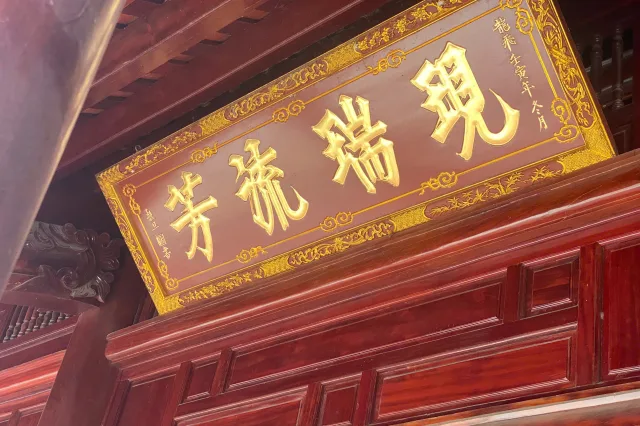
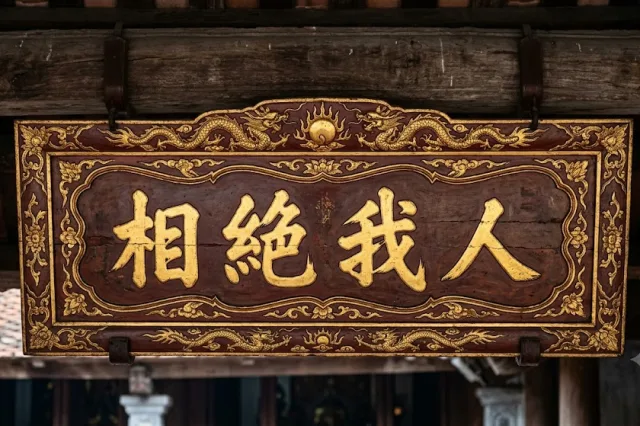
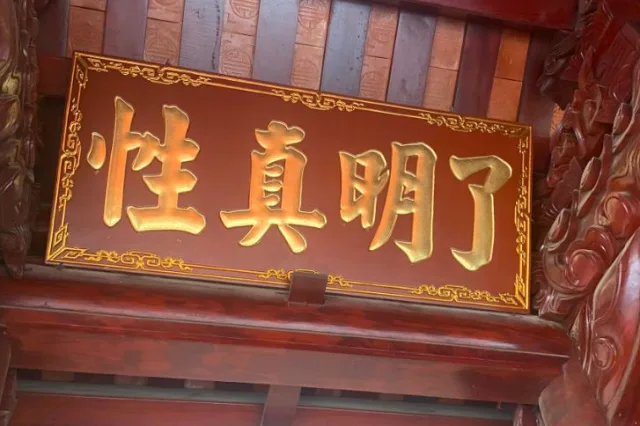
Chùa Phúc Sơn là một ngôi chùa cổ nằm trên địa bàn xã Cao Xá, huyện Tân Yên, tỉnh Bắc Giang, nay là xã Cao Thượng tỉnh Bắc Ninh. Đây là một trong những cơ sở Phật giáo có bề dày lịch sử lâu đời của vùng trung du Bắc Bộ, với niên đại hình thành ước tính gần 400 năm, vào khoảng thời hậu Lê.
Tên gọi Phúc Sơn có thể hiểu theo nghĩa Phúc 福 là phúc lành, điều tốt đẹp; Sơn山 là núi. Tên chùa vì vậy mang hàm ý biểu trưng cho một “ngọn núi phúc”, nơi hội tụ linh khí, đem lại sự an lành cho cộng đồng cư dân quanh vùng.
Về vị trí địa lý, chùa nằm trong khu vực chuyển tiếp giữa đồng bằng và trung du, có địa thế tương đối cao ráo, thoáng đãng, phù hợp với tiêu chí “tựa sơn hướng thủy” thường thấy trong kiến trúc chùa cổ. Không gian xung quanh chùa mang đặc trưng làng quê Bắc Bộ, với ruộng đồng, cây cối và khu dân cư quần tụ, tạo nên sự hài hòa giữa cảnh quan tự nhiên và công trình tín ngưỡng.
Lịch sử và nhân vật
Chùa Phúc Sơn được xây dựng trên địa thế núi núi Phượng Hoàng – một vị trí đắc địa. Theo các tư liệu ghi chép, chùa được khởi dựng vào khoảng cuối thế kỷ XVII, dưới thời Lê Trung Hưng. Một số nguồn xác định cụ thể vào năm 1693, niên hiệu Chính Hòa thứ 14. Như vậy tính đến nay, chùa Phúc Sơn là một công trình có niên đại hơn 400 năm tuooit.
Ngoài tên chữ là Phúc Sơn tự, chùa còn được biết đến với tên là chùa Ngô Xá. Không chỉ mang giá trị tôn giáo, chùa Phúc Sơn còn gắn bó mật thiết với lịch sử đấu tranh cách mạng của dân tộc. Trong hai cuộc kháng chiến chống Chiến tranh Đông Dương lần thứ nhất (chống Pháp) và Chiến tranh Việt Nam (chống Mỹ), chùa đã trở thành địa điểm hoạt động quan trọng của quân và dân địa phương. Tại đây, nhiều cuộc họp bàn kế hoạch du kích đã diễn ra; đồng thời chùa còn được sử dụng như một trạm xá cứu chữa thương binh và nơi trú ẩn an toàn cho cán bộ, chiến sĩ và nhân dân trong những thời điểm ác liệt. Vai trò này cho thấy sự gắn kết giữa không gian tôn giáo với đời sống xã hội và tinh thần yêu nước của cộng đồng.
Trải qua những biến động của chiến tranh và sự bào mòn của thời gian, chùa đã nhiều lần được tu bổ, tôn tạo. Tuy nhiên, chùa vẫn bảo tồn được một hệ thống hiện vật và tư liệu Phật giáo có giá trị, bao gồm tượng thờ, đồ thờ, văn bia và các di vật kiến trúc cổ. Những hiện vật này không chỉ phản ánh đời sống tín ngưỡng mà còn là nguồn sử liệu quan trọng giúp nghiên cứu về lịch sử Phật giáo và văn hóa địa phương qua các thời kỳ.
Kiến trúc cảnh quan
Hiện tại, chùa được bố cục di tích theo lối truyền thống: Tiền thần hậu phật. Chùa Phúc Sơn, phần trước là Tiền đường và ống muống kiến trúc 2 tầng mái, thượng điện có kiến trúc 3 tầng mái. Mái được lợp ngói mũi hài và các góc mái đều dâng đao. Toà tam bảo bố cục chữ Công bao gồm tiền đường 5 gian và 2 gian đầu hồi là liên kết hành lang với tả vu, hữu vu, ống muống 1 gian. Điểm nhấn đặc biệt của quần thể đình Chùa Phúc Sơn là tòa Bảo tháp Phúc Sơn, làm núi Phương hoàng như càng nổi bật hơn lên và trở thành ngọn núi thiêng. Một điều kỳ diệu khi xây dựng bảo tháp đã phát hiện dưới lòng đất có mỏ thạch anh tụ khí. Công trình tháp Phúc Sơn được xem là công trình độc đáo về kiến trúc chùa tháp ở Việt Nam. Năng lượng vũ trụ được hội tụ trong đồ hình núi Tu Di tháp mandala trong triết lý vũ trụ quan Phật giáo. Tháp được thiết kế theo lối tháp thờ Phật 13 tầng, chiều cao 45m. Công trình chắc chắn để lại di sản văn hóa cho muôn đời
Hệ thống tượng thờ trong Tam bảo theo lối thờ Phật của các ngôi chùa cổ Việt Nam. Ta hữu vu mỗi dãy có 9 gian. Đây là nơi bố trí thờ 18 vị La hán theo mẫu các vị La hán chùa Tây Phương.
Chùa cũng được chọn là nơi an vị tượng Phật ngọc của Đức vua Phật hoàng Trần Nhân Tông vị hoàng đế anh minh, anh hùng dân tộc, nhà văn hóa lớn, nhà tư tưởng lớn đã sáng lập ra nền Phật giáo Trúc Lâm mang bản sắc Việt Nam theo đường lối tu hành “Cư trần lạc đạo”, “Hòa quang đồng trần”, đạo Phật nhập thế vào nhân gian, tốt đời, đẹp đạo. Sau hành trình 22 ngày cung rước qua nhiều ngôi chùa ở miền Bắc. Pho tượng được các nghệ nhân thế giới và Việt Nam tạo tác trong 181 ngày đêm. Sau khi hoàn thành đã được cung rước hành trình 680 km đi đến Hành cung Vũ Lâm nơi ngài đi xuất gia năm 1293, nay là Bái Đính, tỉnh Ninh Bình; đến Cung Trúc Lâm Yên Tử nơi Ngài đắc đạo thành vị Phật Việt Nam; đến chùa Phật Tích trong lịch sử có cung Bảo Hòa dư bút tổ chức khoa thi Tiến sĩ toàn quốc dưới triều Trần năm 1384; đến chùa Vĩnh Nghiêm Đức La, là trụ sở của Giáo hội Trúc Lâm, nơi Phật hoàng thường hay tọa thiền và cho san khắc kinh điển Phật giáo hiện là Di sản ký ức của nhân loại.
Sự kiện cung nghinh xá lợi Phật
Chùa Phúc Sơn vinh dự được lựa chọn là một trong những địa điểm cung nghinh xá lợi Phật – sự kiện có ý nghĩa đặc biệt quan trọng trong đời sống Phật giáo đương đại. Vào ngày diễn ra lễ rước, không gian chùa trở nên trang nghiêm và linh thiêng hơn bao giờ hết, với sự tham dự của đông đảo chư tăng, ni, Phật tử và nhân dân thập phương.
Nghi lễ cung nghinh được tổ chức theo đúng nghi thức truyền thống của Phật giáo, bao gồm các phần như rước xá lợi, tụng kinh, dâng hương và chiêm bái. Đoàn rước thường xuất phát từ khu vực cổng chùa, đi qua các trục chính trong khuôn viên rồi an vị xá lợi tại chính điện. Trong suốt quá trình này, không khí trang nghiêm hòa cùng lòng thành kính của người tham dự đã tạo nên một trải nghiệm tâm linh sâu sắc.
Sự kiện không chỉ mang ý nghĩa tôn giáo, thể hiện niềm tin và sự tôn kính đối với Đức Phật, mà còn góp phần khẳng định vị thế của chùa Phúc Sơn như một trung tâm sinh hoạt Phật giáo quan trọng của khu vực. Đồng thời, ngày rước xá lợi cũng trở thành dịp để kết nối cộng đồng, lan tỏa các giá trị đạo đức, hướng thiện và bảo tồn truyền thống văn hóa tâm linh của vùng Kinh Bắc xưa.
Xếp hạng
Vào năm 2009, cụm di tích đình Ngô Xá và chùa Phúc Sơn được Xếp hạng di tích lịch sử văn hóa cấp tỉnh. Công trình Chùa Tháp Phúc Sơn mang kiến trúc truyền thống dân tộc, vừa thể hiện tinh thần nhập thế của Phật giáo Việt Nam kế thừa tinh hoa Phật giáo Trúc Lâm thời Trần. Chùa Tháp Phúc Sơn tọa lạc trên ngọn núi có thế Phượng hoàng cất cánh, trong tương lai sẽ vừa là biểu tượng văn hóa tâm linh, vừa là điểm nhấn của du lịch Bắc Giang.
Tài liệu tham khảo
- Lam Hải, 2025, Phúc Sơn cổ tự – ngôi chùa 400 tuổi tôn trí xá lợi Đức Phật ở Bắc Giang, truy cập tại: https://laodong.vn/du-lich/tin-tuc/phuc-son-co-tu-ngoi-chua-400-tuoi-ton-tri-xa-loi-duc-phat-o-bac-giang-1510704.html
- Hải Anh, 2025, Ngôi chùa gần 400 tuổi ở Bắc Giang lung linh ngày rước xá lợi Phật, truy cập tại: https://baohaiphong.vn/ngoi-chua-gan-400-tuoi-o-bac-giang-lung-linh-ngay-ruoc-xa-loi-phat-412225.html
Ngôn ngữ khác
Tiếng Anh
Phuc Son Pagoda (Cao Thuong, Bac Ninh)
Name and Geographical Location
Phuc Son Pagoda is an ancient Buddhist temple located in Cao Xa commune, Tan Yen district, Bac Giang province, now administratively belonging to Cao Thuong commune, Bac Ninh province. It is one of the long-established Buddhist sites in the Northern midland region, with an estimated history of nearly 400 years, dating back to the Later Le period.
The name “Phuc Son” can be interpreted as follows: Phuc (福) means blessing or good fortune, and Son (山) means mountain. Thus, the name symbolizes a “mountain of blessings,” a place where sacred energy converges and brings peace and well-being to the surrounding community.
Geographically, the pagoda lies in a transitional zone between the delta and the midlands, featuring relatively elevated and open terrain, consistent with the traditional principle of “backed by mountains, facing water” commonly seen in ancient pagoda architecture. The surrounding space reflects the characteristics of Northern Vietnamese rural villages, with rice fields, trees, and clustered residential areas, creating harmony between the natural landscape and the religious structure.
History and Historical Figures
Phuc Son Pagoda was built on the Phoenix Mountain (Nui Phuong Hoang), a highly favorable location. According to historical records, the pagoda was founded in the late 17th century during the Later Le Restoration period, with some sources specifying the year 1693 (the 14th year of the Chinh Hoa reign). Thus, the pagoda is now over 400 years old.
In addition to its formal name “Phuc Son Tu,” the pagoda is also known as Ngo Xa Pagoda. Beyond its religious significance, it is closely associated with the revolutionary history of Vietnam. During both the First Indochina War (against the French) and the Vietnam War (against the United States), the pagoda served as an important operational site for local forces and residents. It hosted meetings for guerrilla planning, functioned as a medical station for treating wounded soldiers, and provided a safe shelter for cadres, soldiers, and civilians during intense periods of conflict. This role highlights the connection between religious space, social life, and patriotic spirit.
Despite the impacts of war and time, the pagoda has undergone multiple restorations. Nevertheless, it still preserves a valuable collection of Buddhist artifacts and historical materials, including statues, ritual objects, steles, and ancient architectural elements. These items not only reflect religious life but also serve as important historical sources for studying Buddhism and local culture across different periods.
Architecture and Landscape
Currently, the pagoda follows a traditional layout: “front for deities, rear for Buddha.” The front section includes the Tien Duong (front hall) and Ong Muong (connecting corridor) with two-tiered roofs, while the Thuong Dien (main sanctuary) features a three-tiered roof structure. The roofs are covered with traditional curved tiles, and the corners are decorated with upward-curving finials.
The Tam Bao (main sanctuary complex) is arranged in the shape of the Chinese character “Cong,” consisting of a five-bay front hall, with two end compartments connected to side corridors (Ta Vu and Huu Vu), and a single-bay connecting structure. A distinctive highlight of the complex is the Phuc Son Stupa, which enhances the prominence of Phoenix Mountain and transforms it into a sacred peak.
Remarkably, during the construction of the stupa, a quartz vein believed to concentrate spiritual energy was discovered underground. The Phuc Son Stupa is considered a unique architectural work in Vietnam. It embodies the Buddhist cosmological concept of Mount Sumeru through a mandala structure, symbolizing the convergence of cosmic energy. The stupa is designed as a 13-story structure dedicated to Buddha, standing 45 meters tall, and is expected to become a lasting cultural heritage.
The system of statues in the Tam Bao follows the traditional arrangement of Vietnamese pagodas. The Ta Vu and Huu Vu each consist of nine compartments, housing statues of the 18 Arhats modeled after those at Tay Phuong Pagoda.
The pagoda has also been selected as the enshrinement site for a jade Buddha statue of King-Monk Tran Nhan Tong, a wise emperor, national hero, great cultural figure, and founder of Truc Lam Zen Buddhism—a uniquely Vietnamese Buddhist tradition emphasizing engaged practice through the philosophies of “living in the world with joy in the Dharma” and “harmonizing with worldly life.”
After a 22-day ceremonial procession through various northern pagodas, the statue—crafted over 181 days by Vietnamese and international artisans—traveled 680 km. Its journey included stops at Vu Lam Palace (now Bai Dinh, Ninh Binh), where Tran Nhan Tong renounced the throne in 1293; Yen Tu, where he attained enlightenment; Phat Tich Pagoda, historically associated with national examinations under the Tran dynasty; and Vinh Nghiem Pagoda, the center of Truc Lam Buddhism and now recognized as part of the Memory of the World heritage.
The Reception Ceremony of Buddha Relics
Phuc Son Pagoda has been honored as one of the sites selected to host the reception of Buddha relics—an event of great significance in contemporary Buddhist life. On this occasion, the pagoda becomes especially solemn and sacred, attracting large numbers of monks, nuns, Buddhist followers, and visitors from various regions.
The ceremony is conducted according to traditional Buddhist rituals, including the procession of relics, chanting of sutras, offering of incense, and veneration. The procession typically begins at the pagoda gate, moves along the main axis of the complex, and concludes with the enshrinement of the relics in the main hall. Throughout the ceremony, the solemn atmosphere combined with the devotion of participants creates a profound spiritual experience.
This event not only holds religious significance—expressing reverence for the Buddha—but also reinforces the status of Phuc Son Pagoda as an important Buddhist center in the region. At the same time, the relic procession day serves as an opportunity to strengthen community bonds, promote ethical values, and preserve the spiritual cultural traditions of the historic Kinh Bac region.
Classification
In 2009, the complex of Ngo Xa Communal House and Phuc Son Pagoda was recognized as a provincial-level historical and cultural relic site. The Phuc Son Pagoda and Stupa complex reflects traditional Vietnamese architectural style while embodying the engaged spirit of Vietnamese Buddhism, inheriting the essence of Truc Lam Buddhism from the Tran period.
Located on a mountain shaped like a soaring phoenix, Phuc Son Pagoda is expected to become both a spiritual-cultural symbol and a highlight of tourism in Bac Giang in the future.
References
- Lam Hải, 2025, Phúc Sơn cổ tự – ngôi chùa 400 tuổi tôn trí xá lợi Đức Phật ở Bắc Giang, truy cập tại: https://laodong.vn/du-lich/tin-tuc/phuc-son-co-tu-ngoi-chua-400-tuoi-ton-tri-xa-loi-duc-phat-o-bac-giang-1510704.html
- Hải Anh, 2025, Ngôi chùa gần 400 tuổi ở Bắc Giang lung linh ngày rước xá lợi Phật, truy cập tại: https://baohaiphong.vn/ngoi-chua-gan-400-tuoi-o-bac-giang-lung-linh-ngay-ruoc-xa-loi-phat-412225.html
Tiếng Pháp
Pagode Phuc Son (Cao Thuong, Bac Ninh)
Nom et situation géographique
La pagode Phuc Son est une ancienne pagode située autrefois sur le territoire de la commune de Cao Xa, district de Tan Yen, province de Bac Giang, et aujourd’hui rattachée à la commune de Cao Thuong, province de Bac Ninh. Elle constitue l’un des établissements bouddhiques les plus anciens de la région du moyen pays du Nord, avec une origine remontant à près de 400 ans, vers la fin de l’époque des Le postérieurs.
Le nom « Phuc Son » peut être compris comme suit : Phuc signifie bénédiction, bonheur ou bienfait ; Son signifie montagne. Ainsi, le nom de la pagode évoque symboliquement une « montagne de félicité », un lieu où convergent les énergies spirituelles et qui apporte paix et prospérité à la communauté locale.
Sur le plan géographique, la pagode se situe dans une zone de transition entre plaine et moyenne région, sur un terrain relativement élevé et aéré, conforme au principe traditionnel « adossé à la montagne, face à l’eau » fréquemment observé dans l’architecture des pagodes anciennes. L’environnement alentour reflète le paysage rural du Nord du Vietnam, avec ses rizières, sa végétation et ses habitations groupées, créant une harmonie entre nature et espace cultuel.
Histoire et personnages
La pagode Phuc Son est édifiée sur le mont Phuong Hoang, un site considéré comme particulièrement favorable. Selon les sources historiques, sa fondation remonterait à la fin du XVIIe siècle, sous la dynastie des Le restaurés. Certaines références précisent l’année 1693, correspondant à la 14e année de l’ère Chinh Hoa. Ainsi, la pagode possède aujourd’hui plus de 400 ans d’histoire.
Outre son nom officiel « Phuc Son tu », elle est également connue sous l’appellation de pagode Ngo Xa. Au-delà de sa valeur religieuse, elle est étroitement liée à l’histoire des luttes révolutionnaires vietnamiennes. Durant la guerre d’Indochine et la guerre du Vietnam, elle servit de lieu stratégique pour les activités des forces locales : réunions de planification de la guérilla, poste de soins pour les blessés, et refuge pour les cadres, soldats et habitants en période de conflit. Ce rôle illustre l’interaction entre espace religieux, vie sociale et esprit patriotique.
Au fil du temps et des guerres, la pagode a fait l’objet de plusieurs restaurations, tout en conservant un riche ensemble d’objets et de documents bouddhiques : statues, objets cultuels, stèles et vestiges architecturaux anciens. Ces éléments constituent des sources précieuses pour l’étude de l’histoire du bouddhisme et de la culture locale.
Architecture et paysage
Aujourd’hui, la pagode est organisée selon le plan traditionnel « tien than hau phat » (sanctuaire à l’avant, espace bouddhique à l’arrière). La partie antérieure comprend le tien duong et le ong muong à deux niveaux de toiture, tandis que le sanctuaire principal présente une structure à trois niveaux. Les toitures sont couvertes de tuiles traditionnelles, avec des angles relevés en forme de sabre.
Le bâtiment principal (Tam Bao) adopte un plan en forme de caractère « Cong », comprenant cinq travées à l’avant, reliées aux galeries latérales (ta vu et huu vu).
Un élément remarquable de l’ensemble est la tour Phuc Son, qui accentue le caractère sacré du mont Phuong Hoang. Lors de sa construction, un gisement de quartz concentrant l’énergie aurait été découvert sous terre. Cette tour, conçue comme une stupa de 13 étages et haute de 45 mètres, s’inspire de la symbolique du mont Meru dans la cosmologie bouddhique et constitue un exemple architectural unique au Vietnam.
Le système de statues dans le sanctuaire suit la tradition des pagodes vietnamiennes anciennes. Les galeries latérales comprennent chacune neuf travées, abritant les statues des 18 arhats, inspirées du modèle de la pagode Tay Phuong.
La pagode abrite également une statue de Bouddha en jade associée à l’empereur Tran Nhan Tong, figure majeure de l’histoire vietnamienne et fondateur du bouddhisme Truc Lam. Cette statue, réalisée en 181 jours, a été transportée à travers plusieurs sites bouddhiques du Nord avant d’être installée ici.
Événement de procession des reliques du Bouddha
La pagode Phuc Son a été choisie comme l’un des lieux d’accueil de la procession des reliques du Bouddha, un événement majeur du bouddhisme contemporain. Lors de cette cérémonie, la pagode devient un espace particulièrement solennel, rassemblant moines, fidèles et visiteurs.
Le rituel suit les traditions bouddhiques : procession des reliques, récitation de sutras, offrandes d’encens et recueillement. Le cortège part généralement de la porte principale, traverse les axes centraux et installe les reliques dans le sanctuaire principal. L’atmosphère mêle solennité et ferveur spirituelle.
Cet événement renforce non seulement la foi religieuse, mais affirme également le rôle de la pagode comme centre bouddhique régional, tout en contribuant à la transmission des valeurs morales et culturelles de l’ancienne région de Kinh Bac.
Classement
En 2009, l’ensemble comprenant la maison communale Ngo Xa et la pagode Phuc Son a été classé monument historique et culturel au niveau provincial. L’architecture du complexe illustre à la fois les traditions nationales et l’esprit engagé du bouddhisme vietnamien hérité de l’école Truc Lam de l’époque Tran.
Située sur une montagne évoquant un phénix en plein envol, la pagode Phuc Son est appelée à devenir un symbole culturel et spirituel ainsi qu’un pôle attractif du tourisme de la région.
Références
- Lam Hải, 2025, Phúc Sơn cổ tự – ngôi chùa 400 tuổi tôn trí xá lợi Đức Phật ở Bắc Giang, truy cập tại: https://laodong.vn/du-lich/tin-tuc/phuc-son-co-tu-ngoi-chua-400-tuoi-ton-tri-xa-loi-duc-phat-o-bac-giang-1510704.html
- Hải Anh, 2025, Ngôi chùa gần 400 tuổi ở Bắc Giang lung linh ngày rước xá lợi Phật, truy cập tại: https://baohaiphong.vn/ngoi-chua-gan-400-tuoi-o-bac-giang-lung-linh-ngay-ruoc-xa-loi-phat-412225.html
Tiếng Trung
福山寺(高上,北宁)
名称与地理位置
福山寺是一座古老佛寺,原位于北江省新安县高社乡境内,今属北宁省高上社。该寺是北部中游地区历史悠久的佛教场所之一,距今约有近四百年历史,可追溯至后黎时期。
“福山”之名可释为:“福”(福祉、吉祥),“山”(山岳),寓意为“福泽之山”,象征灵气汇聚、庇佑一方百姓安宁之地。
从地理位置看,寺庙处于平原与中游丘陵的过渡地带,地势较高、环境开阔,符合传统寺庙建筑“依山面水”的选址理念。寺周环境具有典型的北部乡村特征,田野、树木与村落相互交融,形成自然景观与宗教建筑和谐统一的空间格局。
历史与人物
福山寺建于凤凰山之上,地势优越。据文献记载,寺庙始建于十七世纪末后黎中兴时期,有资料具体指为1693年(正和十四年)。因此,至今已有四百余年历史。
除“福山寺”之外,该寺亦称“吴舍寺”。寺庙不仅具有宗教价值,还与民族革命斗争历史紧密相连。在第一次印度支那战争(抗法)和越南战争(抗美)期间,这里曾是当地军民的重要活动据点,既用于召开游击作战会议,也作为救治伤员的医疗站及干部、战士与群众的安全避难所。这一作用体现了宗教空间与社会生活及爱国精神之间的紧密联系。
历经战争与岁月侵蚀,寺庙多次修缮与重建,但仍保存有大量珍贵佛教文物与史料,包括佛像、法器、碑刻及古建筑遗存。这些文物不仅反映了信仰生活,也为研究地方佛教历史与文化提供了重要资料。
建筑与景观
现存寺庙整体布局遵循传统格局“前神后佛”。前部为前堂与“ống muống”连接建筑,均为重檐两层结构;上殿为三重檐结构。屋顶覆以“靴头瓦”,四角飞檐上翘。三宝殿呈“工”字形布局,包括五间前堂、两侧山墙连接廊庑(左庑、右庑)及一间连接厅。
寺庙建筑群的突出亮点为福山宝塔,使凤凰山更显巍峨,成为一座灵山。据称建塔时曾在地下发现石英矿脉聚气。该塔为越南佛塔建筑中的独特之作,其设计体现佛教宇宙观中须弥山曼荼罗结构,塔高45米,共十三层,供奉佛像,被视为可流传后世的重要文化遗产。
三宝殿内供奉体系遵循越南古寺传统佛教格局。左右庑各九间,供奉十八罗汉,其造型参照西方寺罗汉像。
此外,寺内还安置有陈仁宗(Tran Nhan Tong)佛皇的玉佛像。陈仁宗为越南历史上英明皇帝、民族英雄及重要思想家,亦为竹林禅派创始人,倡导“居尘乐道”“和光同尘”的入世佛教理念。该玉佛像历经22天巡礼北方多座寺庙,由国内外工匠历时181天雕刻完成,并曾巡行680公里,途经武林行宫(今宁平拜顶)、安子竹林寺、佛迹寺及永严寺等重要佛教圣地。
迎请佛舍利事件
福山寺有幸被选为迎请佛舍利的重要场所之一,此为当代佛教生活中具有特殊意义的事件。仪式当天,寺院庄严肃穆,众多僧尼、信众及各地民众齐聚参与。
迎请仪式严格遵循佛教传统,包括迎请舍利、诵经、上香与瞻礼等环节。队伍通常由寺门出发,沿主要轴线行进,最终将舍利安置于正殿。整个过程庄重虔诚,营造出深刻的宗教体验。
该事件不仅体现对佛陀的信仰与尊崇,也进一步确立福山寺作为区域佛教中心的重要地位,同时促进社区凝聚,弘扬道德价值与传统精神文化。
等级评定
2009年,吴舍亭与福山寺组成的遗迹群被列为省级历史文化遗产。福山寺塔建筑既体现民族传统风格,也展现越南佛教入世精神,继承陈代竹林禅宗精华。寺庙位于凤凰展翅之山势之上,未来不仅将成为重要的精神文化象征,也有望成为北部地区旅游亮点。
参考资料
- Lam Hải, 2025, Phúc Sơn cổ tự – ngôi chùa 400 tuổi tôn trí xá lợi Đức Phật ở Bắc Giang, truy cập tại: https://laodong.vn/du-lich/tin-tuc/phuc-son-co-tu-ngoi-chua-400-tuoi-ton-tri-xa-loi-duc-phat-o-bac-giang-1510704.html
- Hải Anh, 2025, Ngôi chùa gần 400 tuổi ở Bắc Giang lung linh ngày rước xá lợi Phật, truy cập tại: https://baohaiphong.vn/ngoi-chua-gan-400-tuoi-o-bac-giang-lung-linh-ngay-ruoc-xa-loi-phat-412225.html