Thân thế
Lê Khôi (? – 1446), tên thụy Vũ Mục, là một công thần khai quốc của vương triều Lê sơ, danh tướng có nhiều đóng góp trong công cuộc khởi nghĩa Lam Sơn cũng như sự nghiệp củng cố và bảo vệ đất nước dưới thời đầu nhà Lê. Ông là một trong những võ tướng xuất sắc của triều đình, nổi bật với tài cầm quân, lòng trung thành và nhiều chiến công trong các cuộc chinh phạt ở biên giới phía Nam.
Lê Khôi quê ở làng Lam Sơn, thuộc huyện Lương Giang, phủ Thanh Hóa thời Lê sơ, nay là xã Xuân Lam, huyện Thọ Xuân, tỉnh Thanh Hóa, đây cũng là quê hương của Lê Lợi và là nơi khởi phát cuộc khởi nghĩa Lam Sơn (1418 – 1427). Lê Khôi sinh ra trong dòng họ Lê danh giá. Ông là con trai của Lê Trừ, người anh thứ hai của Lê Lợi, vì vậy là cháu gọi Lê Lợi bằng chú ruột. Xuất thân trong một gia tộc có truyền thống yêu nước và giữ vai trò nòng cốt trong cuộc khởi nghĩa Lam Sơn, Lê Khôi sớm được hun đúc tinh thần trung quân, ái quốc và ý chí chống ngoại xâm. Chính môi trường ấy đã tạo nền tảng để ông trưởng thành, trở thành một trong những võ tướng trụ cột của vương triều Lê sơ.
Các bộ chính sử mô tả Lê Khôi là người có tính tình độ lượng, khoan hậu, ít nói và ít cười, nhưng cương trực, quyết đoán và giàu bản lĩnh. Những phẩm chất ấy không chỉ giúp ông được các tướng sĩ kính phục mà còn khiến ông trở thành người được triều đình đặc biệt tin cậy trong những nhiệm vụ quân sự quan trọng. Ngay từ những ngày đầu của cuộc khởi nghĩa Lam Sơn, ông đã theo phò Lê Lợi, cùng nghĩa quân trải qua nhiều năm gian khổ, vào sinh ra tử và lập nhiều chiến công hiển hách trong cuộc đấu tranh giành độc lập.
Bối cảnh lịch sử
Lê Khôi sống vào giai đoạn đầy biến động của lịch sử dân tộc, khi Đại Việt phải trải qua cuộc xâm lược và đô hộ tàn bạo của nhà Minh, đồng thời bước vào thời kỳ đấu tranh giành lại độc lập và xây dựng vương triều Lê sơ. Đây là một trong những thời kỳ có ý nghĩa đặc biệt quan trọng trong tiến trình lịch sử Việt Nam, đặt ra yêu cầu phải xuất hiện những nhà lãnh đạo và tướng lĩnh có đủ tài năng, bản lĩnh để khôi phục đất nước.
Năm 1407, sau khi đánh bại nhà Hồ, nhà Minh đặt ách thống trị lên Đại Việt. Chính quyền đô hộ thi hành nhiều chính sách hà khắc như bóc lột kinh tế, đồng hóa văn hóa, cướp phá sách vở, bắt thợ thủ công và trí thức đưa về Trung Quốc, khiến đời sống nhân dân vô cùng cực khổ. Trước tình cảnh đó, nhiều cuộc khởi nghĩa chống Minh đã nổ ra nhưng đều lần lượt thất bại.
Sự nghiệp
Tham gia khởi nghĩa Lam Sơn và lập nhiều chiến công
Lê Khôi là một trong những tướng lĩnh tham gia khởi nghĩa Lam Sơn ngay từ những ngày đầu dưới sự lãnh đạo của Lê Lợi. Sinh trưởng trong dòng họ Lê và là cháu gọi Lê Lợi bằng chú ruột, ông sớm theo nghĩa quân vào cuộc chiến chống ách đô hộ của nhà Minh. Trải qua gần mười năm chinh chiến gian khổ, Lê Khôi luôn là vị tướng xông pha nơi trận mạc, góp phần quan trọng vào thắng lợi cuối cùng của cuộc khởi nghĩa.
Tháng 12 năm 1424, khi nghĩa quân Lam Sơn chuyển hướng tiến công vào Nghệ An nhằm mở rộng địa bàn hoạt động, Lê Khôi được giao chỉ huy một trong những cánh quân tiên phong cùng các danh tướng như Lê Sát, Lê Lễ, Phạm Vấn, Lê Nhân Chú, Lê Ngân, Lê Chiến, Lê Tông Kiều, Lê Bôi và Lê Văn An. Trong trận Bồ Ải, quân Lam Sơn đã giành thắng lợi vang dội, tiêu diệt một lực lượng lớn quân Minh, bắt sống Đô đốc Chu Kiệt và chém chết tướng tiên phong Hoành Thành. Chiến thắng này không chỉ tạo thế đứng vững chắc cho nghĩa quân ở Nghệ An mà còn mở đầu cho giai đoạn phản công mạnh mẽ, đưa cuộc khởi nghĩa từ thế phòng ngự sang thế chủ động tiến công.
Đến năm 1427, trước nguy cơ quân Minh đưa đại quân sang cứu viện cho lực lượng của Vương Thông đang bị vây hãm ở Đông Quan, Lê Khôi tiếp tục giữ vai trò quan trọng trong các chiến dịch quyết định. Tháng 9 năm ấy, vua Minh sai Liễu Thăng và Lương Minh chỉ huy hơn mười vạn quân tiến vào Đại Việt. Theo kế hoạch của Lê Lợi, Lê Khôi cùng Lê Vấn chỉ huy ba nghìn quân Thiết Đột và bốn thớt voi chiến, phối hợp với các tướng Lê Sát, Lê Lý, Lê Nhân Chú và Lê Văn An chặn đánh quân Minh.
Ngày 15 tháng 10 năm 1427, quân Lam Sơn giành thắng lợi quyết định trong chiến dịch Chi Lăng – Xương Giang. Quân Minh bị tiêu diệt hơn năm vạn người, các tướng Thôi Tụ, Hoàng Phúc cùng hơn ba vạn quân bị bắt sống, vô số chiến mã, vũ khí, vàng bạc và lương thảo rơi vào tay nghĩa quân. Chiến thắng này buộc nhà Minh phải chấp nhận rút quân khỏi Đại Việt, chấm dứt hơn hai mươi năm đô hộ và mở đường cho sự ra đời của vương triều Lê sơ.
Theo các ghi chép lịch sử, trong những trận đánh lớn như Khả Lưu, Chi Lăng và Xương Giang, Lê Khôi luôn là một trong những tướng lĩnh xung kích. Sử sách mô tả ông với hình ảnh “đeo hai túi tên, theo vua ra trận”, trực tiếp xông pha tuyến đầu, góp phần bắt sống nhiều tướng giặc và tiêu diệt lực lượng chủ lực của quân Minh. Những chiến công ấy đã khẳng định tài năng quân sự và lòng dũng cảm của ông trong hàng ngũ các công thần Lam Sơn.
Công thần khai quốc nhà Lê
Sau khi đánh đuổi quân Minh và giành lại độc lập cho đất nước, năm 1428, Lê Lợi lên ngôi hoàng đế, lập nên vương triều Lê sơ. Với những công lao to lớn trong cuộc khởi nghĩa, Lê Khôi được ban chức Kỳ Lân Hổ Vệ tướng quân, giữ quyền Hành Tổng quản, hàm Nhập nội Thiếu úy, sau được thăng hàm Tư mã và ban Kim phù, thể hiện sự tín nhiệm đặc biệt của nhà vua.
Tháng 5 năm 1429, khi Lê Thái Tổ tiến hành phong thưởng cho 93 công thần khai quốc, Lê Khôi được phong tước Đình Thượng hầu. Đây là sự ghi nhận xứng đáng đối với những đóng góp xuất sắc của ông trong sự nghiệp giành lại độc lập và xây dựng nền móng cho triều Lê sơ.
Trấn thủ Hóa Châu và ổn định vùng biên viễn
Năm 1430, Lê Khôi được giao trấn giữ Hóa Châu, vùng đất chiến lược ở phía Nam thường xuyên chịu sự uy hiếp của vương quốc Chiêm Thành. Không chỉ là một vị tướng giỏi, ông còn thể hiện năng lực quản lý hành chính xuất sắc.
Ngay khi nhậm chức, Lê Khôi bãi bỏ nhiều quy định hà khắc, xóa bỏ các đồn canh không cần thiết, khuyến khích nhân dân khai hoang, phục hóa, phát triển sản xuất nông nghiệp và chiêu tập những người lưu tán trở về quê cũ. Đồng thời, ông đặc biệt chú trọng việc huấn luyện quân đội, củng cố hệ thống phòng thủ và duy trì kỷ luật nghiêm minh trong quân ngũ.
Nhờ những chính sách hợp lòng dân, Hóa Châu nhanh chóng ổn định, đời sống nhân dân được cải thiện, sản xuất phát triển, trong khi quân Chiêm Thành cũng phải e dè trước uy danh của vị trấn thủ mới. Chính sử ghi nhận rằng nhân dân yêu mến ông, còn quân Chiêm thì “sợ oai” của Lê Khôi.
Dẹp loạn, giữ yên biên cương
Không chỉ trấn giữ vùng biên giới phía Nam, Lê Khôi còn nhiều lần được triều đình điều động tham gia dẹp các cuộc nổi dậy trong nước.
Cuối năm 1430, khi Nông Đắc Thái và Bế Khắc Thiệu nổi dậy ở Thái Nguyên, triều đình lập tức triệu ông trở về chỉ huy quân đội đàn áp. Đến tháng 2 năm 1431, cuộc nổi loạn bị dập tắt, hai thủ lĩnh đều bị bắt, góp phần giữ vững sự ổn định của quốc gia trong những năm đầu triều Lê.
Năm 1433, trước khi qua đời, Lê Thái Tổ còn triệu Lê Khôi về kinh để tham dự việc bàn định người kế vị. Việc ông được mời tham gia một sự kiện chính trị trọng đại như vậy cho thấy vị thế và uy tín rất lớn của ông trong triều đình.
Những năm sau đó, Lê Khôi tiếp tục được giao nhiều trọng trách. Năm 1434, ông cùng Lê Truất và Lê Liệt chỉ huy quân đội tuần phòng biên giới Tân Bình và Thuận Hóa nhằm đề phòng quân Chiêm Thành xâm nhập. Năm 1437, ông được phong chức Nhập nội Tư mã, giữ chức Tham trị chính sự, kiêm Kiểm quản Tây Đạo, sau đó đảm nhiệm chức Trấn phủ sứ Nghệ An, trở thành một trong những đại thần có quyền hạn quan trọng của triều đình.
Chinh phạt Ai Lao và Chiêm Thành
Dưới thời Lê Thái Tông, Lê Khôi tiếp tục là một trong những tướng lĩnh chủ chốt trong các chiến dịch mở rộng và bảo vệ biên giới.
Năm 1439, ông theo vua thân chinh đánh Ai Lao, góp phần bắt sống tướng Đạo Mông, buộc lực lượng nổi dậy phải quy phục.
Năm 1440 và 1441, ông tiếp tục tham gia các chiến dịch ở vùng Thuận Mỗi, góp phần thu phục các tù trưởng miền núi, củng cố quyền kiểm soát của triều đình đối với khu vực biên giới phía Tây.
Năm 1443, sau một thời gian bị giáng chức vì nguyên nhân không được sử sách ghi rõ, Lê Khôi được phục chức và tiếp tục giữ trọng trách trấn thủ Nghệ An. Khi ông đến nhậm chức, sĩ phu và nhân dân đứng kín hai bên đường nghênh đón, vui mừng nói rằng: “Chúng tôi mong ông lâu rồi! Nay trời mới giáng phúc cho dân chúng tôi.” Trong thời gian cai quản Nghệ An, ông thực thi chính sự công bằng, xét xử minh bạch, chăm lo sản xuất và ổn định đời sống nhân dân, khiến vùng đất này trở nên yên bình, trù phú và được người dân hết lòng kính phục.
Năm 1444 và 1445, khi vua Chiêm Thành là Bí Cai nhiều lần đem quân đánh phá Hóa Châu và An Dương, triều đình cử Lê Thận, Lê Xí cùng Lê Khôi chỉ huy quân đội chống trả. Với tài điều binh khiển tướng, ông góp phần đánh bại quân Chiêm, bảo vệ vững chắc biên giới phía Nam. Sau chiến thắng, ông được triệu về triều tham dự việc chính với chức Nhập nội tham dự triều chính.
Chiến dịch cuối cùng
Năm 1446, triều đình mở cuộc chinh phạt lớn vào Chiêm Thành do Đô đốc Lê Khả chỉ huy. Lê Khôi giữ vai trò Tiền quân, trực tiếp dẫn đầu các mũi tiến công. Ông liên tiếp đánh hạ các đồn lũy của quân Chiêm, vượt sông Thi Giang, tiến đến cửa biển Thi Nại rồi thẳng tiến vào kinh đô Đồ Bàn.
Uy danh của Lê Khôi vang dội đến mức các tướng Chiêm khi nghe tin ông kéo quân đến đã hỏi: “Có phải ông Tư mã đấy chăng?” Khi ông cởi mũ trụ để lộ diện, nhiều tướng Chiêm lập tức xuống ngựa xin hàng và dâng sản vật quy phục. Đến đâu, quân của ông cũng giành thắng lợi, góp phần bắt sống vua Chiêm là Bí Cai, kết thúc thắng lợi chiến dịch.
Qua đời – thờ phụng
Trên đường khải hoàn trở về, Lê Khôi lâm bệnh nặng và qua đời năm 1446 tại chân núi Long Ngâm, cửa biển Nam Giới (nay thuộc tỉnh Hà Tĩnh). Sự ra đi của ông là tổn thất lớn đối với triều đình nhà Lê. Nhà vua cho bãi triều ba ngày để tưởng niệm, truy phong ông chức Nhập nội Đô đốc, ban thụy hiệu Trung Hiển, về sau lại truy tặng chức Nhập nội Kiểm hiệu Tư không, Bình chương sự và đổi thụy hiệu thành Vũ Mục công.
Để tưởng nhớ công lao của vị danh tướng đã có nhiều đóng góp trong việc bảo vệ bờ cõi phía Nam của Đại Việt, nhân dân đã lập Đền thờ Lê Khôi dưới chân núi Long Ngâm. Trải qua nhiều thế kỷ, ngôi đền trở thành một trong những di tích lịch sử – văn hóa tiêu biểu của vùng Hà Tĩnh, đồng thời là trung tâm tín ngưỡng thờ phụng vị công thần khai quốc nhà Lê.
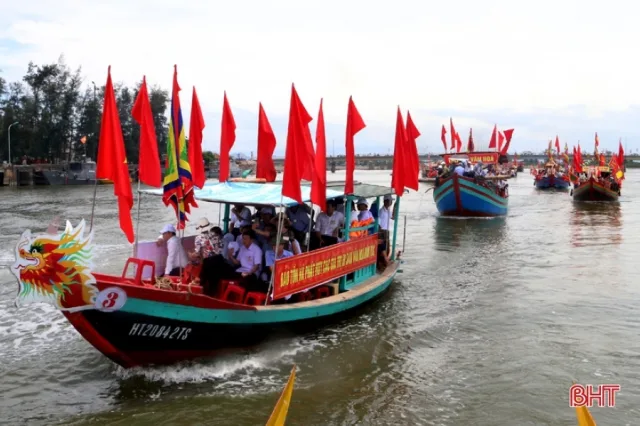
Hằng năm, vào ngày mồng 3 tháng 5 âm lịch, nhân dân các địa phương thuộc huyện Lộc Hà và huyện Thạch Hà (nay thuộc tỉnh Hà Tĩnh) đều tổ chức Lễ giỗ Đại vương Lê Khôi với nhiều nghi lễ truyền thống nhằm tưởng niệm và tri ân công lao của ông đối với đất nước. Lễ hội không chỉ mang ý nghĩa tâm linh mà còn góp phần gìn giữ những giá trị lịch sử, văn hóa gắn liền với vị danh tướng nhà Lê.
Triều đình các thời kỳ cũng dành cho Lê Khôi sự tôn vinh đặc biệt. Năm Quang Thuận thứ 5 (1464), vua Lê Thánh Tông truy phong ông tước Chiêu Trưng Vương và sai danh thần Nguyễn Như Đổ biên soạn văn bia khắc đá đặt tại đền thờ để ghi lại công lao và sự nghiệp của ông.
Đến thời Nguyễn, Lê Khôi tiếp tục được triều đình ghi nhận là một trong những bậc công thần tiêu biểu của lịch sử dân tộc. Năm Minh Mệnh thứ 4 (1823), ông được đưa vào phối thờ tại Miếu Lịch Đại Đế Vương; đến năm Minh Mệnh thứ 16 (1835), tiếp tục được phối thờ tại Võ Miếu Huế, nơi tôn vinh các danh tướng và võ công hiển hách của đất nước. Việc được thờ phụng tại những công trình thờ tự cấp quốc gia đã khẳng định vị trí và tầm vóc của Lê Khôi trong lịch sử quân sự Việt Nam.
Ngày nay, tên tuổi của Lê Khôi còn được lưu giữ qua nhiều địa danh trên cả nước. Nhiều tuyến đường tại các thành phố như Thành phố Hồ Chí Minh, Đà Nẵng và Vinh (Nghệ An) được mang tên ông, thể hiện sự ghi nhận của hậu thế đối với những cống hiến to lớn của vị công thần khai quốc và danh tướng kiệt xuất của vương triều Lê sơ.
Nhận định – đánh giá
Lê Khôi là một trong những công thần và danh tướng tiêu biểu của vương triều Lê sơ, có nhiều đóng góp quan trọng trong cả hai giai đoạn: khởi nghĩa Lam Sơn giành độc lập dân tộc và công cuộc củng cố, bảo vệ đất nước sau khi nhà Lê được thành lập.
Trong cuộc khởi nghĩa Lam Sơn, Lê Khôi là một vị tướng dũng cảm, luôn xông pha nơi tuyến đầu và lập nhiều chiến công hiển hách. Ông tham gia nhiều trận đánh quan trọng như Bồ Ải, Khả Lưu và đặc biệt là chiến dịch Chi Lăng – Xương Giang năm 1427, góp phần tiêu diệt đạo quân viện binh của nhà Minh, tạo nên thắng lợi quyết định, chấm dứt hơn hai mươi năm đô hộ và khôi phục nền độc lập cho Đại Việt. Những chiến công ấy đã khẳng định ông là một trong những võ tướng xuất sắc của nghĩa quân Lam Sơn, xứng đáng với sự trọng thưởng của triều đình sau khi đất nước giành lại độc lập.
Không chỉ nổi bật trên chiến trường, Lê Khôi còn thể hiện năng lực quản lý và điều hành xuất sắc khi được giao trấn thủ các vùng biên viễn trọng yếu như Hóa Châu và Nghệ An. Ông thi hành nhiều chính sách khoan hòa, chăm lo đời sống nhân dân, khuyến khích sản xuất, củng cố quốc phòng và xây dựng lực lượng quân đội tinh nhuệ. Chính sự nghiêm minh nhưng gần gũi của ông đã giúp các địa phương nhanh chóng ổn định, được nhân dân hết lòng yêu mến, đồng thời tạo nên một tuyến phòng thủ vững chắc trước sự quấy phá của Chiêm Thành. Điều đó cho thấy Lê Khôi không chỉ là một nhà quân sự tài ba mà còn là một vị quan có tầm nhìn và năng lực trị dân.
Trong các cuộc chinh phạt Ai Lao và Chiêm Thành dưới thời Lê Thái Tông và Lê Nhân Tông, Lê Khôi tiếp tục chứng tỏ tài thao lược và uy danh của mình. Đặc biệt, chiến dịch đánh Chiêm Thành năm 1446 đã thể hiện rõ bản lĩnh của một vị tướng dày dạn kinh nghiệm. Uy danh của ông khiến quân Chiêm nhiều lần khiếp phục, góp phần quan trọng vào thắng lợi của quân đội Đại Việt. Việc ông qua đời trên đường khải hoàn là một tổn thất lớn đối với triều đình, đến mức nhà vua phải bãi triều nhiều ngày để tưởng niệm và liên tiếp truy phong những chức vị cao quý nhằm ghi nhận công lao của ông.
Trong lịch sử Việt Nam, Lê Khôi còn được đánh giá là hình mẫu tiêu biểu của lớp công thần khai quốc nhà Lê – những người không chỉ góp sức giành lại nền độc lập mà còn dành trọn cuộc đời để xây dựng và bảo vệ quốc gia. Ông hội tụ nhiều phẩm chất của một vị tướng lý tưởng: trung thành với triều đình, dũng cảm trên chiến trường, nghiêm minh trong quản lý, khoan hòa với nhân dân và luôn đặt lợi ích của đất nước lên trên lợi ích cá nhân. Chính vì vậy, ông được cả triều đình lẫn nhân dân kính trọng ngay khi còn sống. Sau khi qua đời, Lê Khôi được truy phong nhiều chức tước cao quý và được nhân dân nhiều địa phương lập đền thờ để tưởng niệm.
Nhìn chung, Lê Khôi là một trong những nhân vật quân sự tiêu biểu của thế kỷ XV, có vai trò quan trọng trong quá trình hình thành và củng cố vương triều Lê sơ. Cuộc đời và sự nghiệp của ông phản ánh hình ảnh một vị công thần tận trung, tận tụy vì nước, góp phần bảo vệ chủ quyền lãnh thổ, ổn định xã hội và tạo nền tảng cho sự hưng thịnh của quốc gia. Tên tuổi của Lê Khôi vì thế luôn được ghi nhớ như một biểu tượng của lòng trung nghĩa, tài năng quân sự và tinh thần cống hiến không mệt mỏi cho đất nước.
Tài liệu tham khảo
- Lê Quý Đôn (2007), Đại Việt thông sử, Nxb Văn hóa Thông tin.
- Trần Trọng Kim (2020), Việt Nam sử lược, Nxb Văn học.
- Quốc sử quán triều Nguyễn (2006), Đại Nam nhất thống chí, Tập 5, Nxb Thuận Hóa.
- Ngô Thì Sĩ (1991), Việt sử tiêu án, Nxb Văn Sử Địa.
- Nguyễn Trãi (1956), Lam Sơn thực lục, Nxb Tân Việt.
- Viện Khoa học Xã hội Việt Nam (1998), Đại Việt sử ký toàn thư, Hoàng Văn Lâu dịch và chú thích, Tập III, Nxb Khoa học Xã hội.
Ngôn ngữ khác
Tiếng Anh (English)
Background
Lê Khôi (? – 1446), whose posthumous name was Vũ Mục, was a founding meritorious official of the Early Lê dynasty and a famous general who made many contributions to the Lam Sơn uprising as well as to the consolidation and defense of the country in the early Lê period. He was one of the outstanding military commanders of the court, noted for his command ability, loyalty, and many military achievements in campaigns along the southern frontier.
Lê Khôi was from Lam Sơn village, Lương Giang district, Thanh Hóa prefecture under the Early Lê dynasty, now Xuân Lam commune, Thọ Xuân district, Thanh Hóa province. This was also the homeland of Lê Lợi and the place where the Lam Sơn uprising began (1418-1427). Lê Khôi was born into the distinguished Lê lineage. He was the son of Lê Trừ, the second elder brother of Lê Lợi, and was therefore Lê Lợi’s nephew. Coming from a family with a patriotic tradition that played a core role in the Lam Sơn uprising, Lê Khôi was early nurtured with loyalty to the ruler, love for the country, and the will to resist foreign invasion. That environment laid the foundation for him to grow up and become one of the pillar generals of the Early Lê dynasty.
Official histories describe Lê Khôi as a generous, kind, quiet, and reserved man, yet upright, decisive, and full of courage. These qualities not only helped him gain the respect of soldiers and generals but also made him someone especially trusted by the court in important military missions. From the earliest days of the Lam Sơn uprising, he followed and supported Lê Lợi, endured many years of hardship with the insurgent army, faced life-and-death dangers, and achieved many brilliant military merits in the struggle for independence.
Historical Context
Lê Khôi lived during a turbulent period of national history, when Đại Việt had to undergo the brutal invasion and occupation of the Ming dynasty, while also entering the period of struggle to regain independence and build the Early Lê dynasty. This was one of the especially important periods in the course of Vietnamese history, requiring the emergence of leaders and generals with enough talent and courage to restore the country.
In 1407, after defeating the Hồ dynasty, the Ming dynasty imposed its rule over Đại Việt. The occupying government implemented many harsh policies such as economic exploitation, cultural assimilation, the plundering of books, and the forced transfer of craftsmen and intellectuals to China, causing the people’s lives to become extremely miserable. Faced with that situation, many anti-Ming uprisings broke out but were defeated one after another.
Career
Participating in the Lam Sơn Uprising and Achieving Many Military Merits
Lê Khôi was one of the generals who joined the Lam Sơn uprising from its earliest days under the leadership of Lê Lợi. Born into the Lê lineage and being Lê Lợi’s nephew, he soon followed the insurgent army in the struggle against Ming domination. Through nearly ten years of difficult warfare, Lê Khôi was always a general who charged into battle and made important contributions to the final victory of the uprising.
In December 1424, when the Lam Sơn insurgents shifted their offensive toward Nghệ An in order to expand their area of operation, Lê Khôi was assigned to command one of the vanguard forces together with famous generals such as Lê Sát, Lê Lễ, Phạm Vấn, Lê Nhân Chú, Lê Ngân, Lê Chiến, Lê Tông Kiều, Lê Bôi, and Lê Văn An. In the battle of Bồ Ải, the Lam Sơn army won a resounding victory, destroying a large Ming force, capturing Admiral Zhu Jie alive, and killing the vanguard general Hoành Thành. This victory not only created a firm foothold for the insurgent army in Nghệ An but also opened the stage of powerful counteroffensive operations, shifting the uprising from defense to active attack.
By 1427, facing the danger that the Ming would send a large army to relieve the forces of Wang Tong, who was being besieged in Đông Quan, Lê Khôi continued to play an important role in the decisive campaigns. In September of that year, the Ming emperor ordered Liu Sheng and Liang Ming to lead more than one hundred thousand troops into Đại Việt. According to Lê Lợi’s plan, Lê Khôi and Lê Vấn commanded three thousand Thiết Đột troops and four war elephants, coordinating with the generals Lê Sát, Lê Lý, Lê Nhân Chú, and Lê Văn An to intercept the Ming army.
On October 15, 1427, the Lam Sơn army achieved a decisive victory in the Chi Lăng-Xương Giang campaign. More than fifty thousand Ming troops were killed; the generals Cui Ju, Huang Fu, and more than thirty thousand soldiers were captured alive; and countless war horses, weapons, gold, silver, and provisions fell into the hands of the insurgent army. This victory forced the Ming dynasty to accept withdrawal from Đại Việt, ending more than twenty years of occupation and opening the way for the establishment of the Early Lê dynasty.
According to historical records, in major battles such as Khả Lưu, Chi Lăng, and Xương Giang, Lê Khôi was always one of the assault commanders. Historical writings describe him with the image of “wearing two quivers of arrows and following the king into battle,” personally charging at the front line, contributing to the capture of many enemy generals and the destruction of the Ming main forces. These achievements affirmed his military talent and courage among the meritorious officials of Lam Sơn.
A Founding Meritorious Official of the Lê Dynasty
After driving out the Ming and regaining independence for the country, in 1428 Lê Lợi ascended the throne as emperor and established the Early Lê dynasty. For his great services in the uprising, Lê Khôi was granted the office of Kỳ Lân Hổ Vệ General, held acting authority as Hành Tổng quản, with the rank of Nhập nội Thiếu úy; he was later promoted to the rank of Tư mã and granted a golden tally, showing the king’s special trust in him.
In May 1429, when Lê Thái Tổ carried out the rewarding of 93 founding meritorious officials, Lê Khôi was granted the title Marquis of Đình Thượng. This was worthy recognition for his outstanding contributions to the cause of regaining independence and laying the foundations of the Early Lê dynasty.
Guarding Hóa Châu and Stabilizing the Frontier Region
In 1430, Lê Khôi was assigned to guard Hóa Châu, a strategic southern region frequently threatened by the kingdom of Champa. He was not only a skilled general but also showed excellent administrative ability.
Immediately after taking office, Lê Khôi abolished many harsh regulations, removed unnecessary watch posts, encouraged the people to reclaim wasteland, restore abandoned fields, develop agricultural production, and gather displaced people back to their former villages. At the same time, he paid special attention to training the army, consolidating the defense system, and maintaining strict discipline in the military.
Thanks to policies that suited the people’s wishes, Hóa Châu was quickly stabilized, the people’s lives improved, production developed, and Champa troops also became wary of the prestige of the new commander. Official histories record that the people loved him, while the Cham army “feared the authority” of Lê Khôi.
Suppressing Rebellions and Maintaining Peace on the Frontier
Lê Khôi not only guarded the southern frontier but was also repeatedly mobilized by the court to help suppress domestic uprisings.
At the end of 1430, when Nông Đắc Thái and Bế Khắc Thiệu rose in rebellion in Thái Nguyên, the court immediately summoned him back to command the army in suppressing them. By February 1431, the rebellion had been put down and both leaders were captured, helping maintain national stability in the early years of the Lê dynasty.
In 1433, before passing away, Lê Thái Tổ summoned Lê Khôi back to the capital to take part in discussions on determining the successor. The fact that he was invited to participate in such an important political event shows his great position and prestige within the court.
In the following years, Lê Khôi continued to be entrusted with many important responsibilities. In 1434, together with Lê Truất and Lê Liệt, he commanded the army in patrolling the frontiers of Tân Bình and Thuận Hóa to guard against Cham incursions. In 1437, he was appointed Nhập nội Tư mã, held the office of Tham trị chính sự, concurrently supervised Tây Đạo, and later served as Trấn phủ sứ of Nghệ An, becoming one of the high-ranking officials with important authority in the court.
Campaigns against Ai Lao and Champa
Under Lê Thái Tông, Lê Khôi continued to be one of the key generals in campaigns to expand and defend the frontiers.
In 1439, he followed the king on a personal campaign against Ai Lao, contributing to the capture of the general Đạo Mông and forcing the rebellious forces to submit.
In 1440 and 1441, he continued to participate in campaigns in the Thuận Mỗi region, helping subdue mountain chieftains and consolidate the court’s control over the western frontier region.
In 1443, after a period of demotion for reasons not clearly recorded in the histories, Lê Khôi was restored to office and continued to hold the important responsibility of guarding Nghệ An. When he arrived to take office, scholars and common people stood densely along both sides of the road to welcome him, joyfully saying: “We have long awaited you! Now Heaven has finally sent blessings to our people.” During his administration of Nghệ An, he governed fairly, judged cases clearly, cared for production, and stabilized the people’s lives, making the region peaceful, prosperous, and deeply respected by the people.
In 1444 and 1445, when the Champa king Bí Cai repeatedly sent troops to attack Hóa Châu and An Dương, the court appointed Lê Thận, Lê Xí, and Lê Khôi to command the army in resistance. With his talent in commanding troops, he contributed to defeating the Cham forces and firmly protecting the southern frontier. After the victory, he was summoned back to court to participate in state affairs with the office of Nhập nội tham dự triều chính.
The Final Campaign
In 1446, the court launched a major campaign against Champa under the command of Admiral Lê Khả. Lê Khôi held the role of commander of the vanguard, directly leading the attacking columns. He successively captured the Cham forts, crossed the Thi Giang River, reached the Thi Nại sea gate, and then advanced straight toward the capital Đồ Bàn.
Lê Khôi’s prestige was so great that when Cham generals heard he was approaching, they asked: “Is that Lord Tư mã?” When he removed his helmet and revealed himself, many Cham generals immediately dismounted, surrendered, and presented offerings in submission. Wherever his troops went, they won victories, contributing to the capture of the Champa king Bí Cai and bringing the campaign to a successful end.
Death and Worship
On the triumphal return, Lê Khôi fell seriously ill and died in 1446 at the foot of Long Ngâm Mountain, at the Nam Giới sea gate, now in Hà Tĩnh province. His death was a great loss to the Lê court. The king suspended court audiences for three days in mourning, posthumously granted him the office of Nhập nội Đô đốc, and bestowed the posthumous title Trung Hiển. Later, he was further posthumously granted the office of Nhập nội Kiểm hiệu Tư không, Bình chương sự, and his posthumous title was changed to Vũ Mục Công.
To commemorate the merits of the famous general who had made many contributions to defending the southern frontier of Đại Việt, the people built the Temple of Lê Khôi at the foot of Long Ngâm Mountain. Over many centuries, the temple became one of the representative historical-cultural relics of Hà Tĩnh, as well as a religious center for the worship of this founding meritorious official of the Lê dynasty.
Every year, on the 3rd day of the 5th lunar month, the people of localities in Lộc Hà and Thạch Hà districts, now in Hà Tĩnh province, hold the death anniversary of Great King Lê Khôi with many traditional rites to commemorate and express gratitude for his service to the country. The festival not only has spiritual significance but also helps preserve historical and cultural values associated with the famous general of the Lê dynasty.
Successive courts also gave Lê Khôi special honors. In the fifth year of Quang Thuận, 1464, Emperor Lê Thánh Tông posthumously granted him the title Prince of Chiêu Trưng and ordered the eminent official Nguyễn Như Đổ to compose a stone inscription to be placed at his temple, recording his merits and career.
Under the Nguyễn dynasty, Lê Khôi continued to be recognized by the court as one of the representative meritorious officials of national history. In the fourth year of Minh Mệnh, 1823, he was included for worship at the Miếu Lịch Đại Đế Vương; in the sixteenth year of Minh Mệnh, 1835, he was further included for worship at the Võ Miếu in Huế, where the country’s famous generals and outstanding military achievements were honored. Being worshiped at these national-level ritual institutions affirmed Lê Khôi’s position and stature in Vietnamese military history.
Today, Lê Khôi’s name is also preserved through many place names across the country. Many streets in cities such as Ho Chi Minh City, Đà Nẵng, and Vinh in Nghệ An bear his name, reflecting later generations’ recognition of the great contributions of this founding meritorious official and outstanding general of the Early Lê dynasty.
Assessment and Evaluation
Lê Khôi was one of the representative meritorious officials and famous generals of the Early Lê dynasty, making many important contributions in both stages: the Lam Sơn uprising to regain national independence and the work of consolidating and defending the country after the Lê dynasty was established.
During the Lam Sơn uprising, Lê Khôi was a courageous general, always charging at the front line and achieving many brilliant military merits. He participated in many important battles such as Bồ Ải, Khả Lưu, and especially the Chi Lăng-Xương Giang campaign in 1427, contributing to the destruction of the Ming relief army, creating the decisive victory, ending more than twenty years of occupation, and restoring independence to Đại Việt. These military achievements affirmed him as one of the outstanding generals of the Lam Sơn insurgent army, worthy of the court’s rewards after the country regained independence.
Lê Khôi was not only prominent on the battlefield but also showed excellent ability in administration and governance when he was assigned to guard important frontier regions such as Hóa Châu and Nghệ An. He implemented many moderate policies, cared for the people’s lives, encouraged production, strengthened national defense, and built elite military forces. His strict yet approachable governance helped localities quickly stabilize, gain the sincere affection of the people, and create a strong defensive line against Champa’s harassment. This shows that Lê Khôi was not only a talented military man but also an official with vision and governing ability.
In the campaigns against Ai Lao and Champa under Lê Thái Tông and Lê Nhân Tông, Lê Khôi continued to prove his strategic talent and prestige. In particular, the 1446 campaign against Champa clearly demonstrated the courage of a highly experienced general. His reputation repeatedly caused Cham troops to submit in fear, contributing significantly to the victory of the Đại Việt army. His death on the way back from victory was a great loss to the court, so much so that the king suspended court audiences for several days in mourning and repeatedly granted him noble posthumous titles to recognize his merits.
In Vietnamese history, Lê Khôi is also regarded as a representative model of the founding meritorious officials of the Lê dynasty: those who not only contributed to regaining independence but also devoted their entire lives to building and protecting the country. He embodied many qualities of an ideal general: loyalty to the court, courage on the battlefield, strictness in administration, kindness toward the people, and always placing the country’s interests above personal interests. For this reason, he was respected by both the court and the people while still alive. After his death, Lê Khôi was posthumously granted many high titles and worshiped by the people in many localities.
Overall, Lê Khôi was one of the representative military figures of the fifteenth century, playing an important role in the formation and consolidation of the Early Lê dynasty. His life and career reflect the image of a loyal and devoted meritorious official who served the country, contributed to protecting territorial sovereignty, stabilizing society, and laying the foundation for national prosperity. The name of Lê Khôi has therefore always been remembered as a symbol of loyalty, military talent, and tireless dedication to the country.
References
- Lê Quý Đôn (2007), Đại Việt thông sử, Nxb Văn hóa Thông tin.
- Trần Trọng Kim (2020), Việt Nam sử lược, Nxb Văn học.
- Quốc sử quán triều Nguyễn (2006), Đại Nam nhất thống chí, Tập 5, Nxb Thuận Hóa.
- Ngô Thì Sĩ (1991), Việt sử tiêu án, Nxb Văn Sử Địa.
- Nguyễn Trãi (1956), Lam Sơn thực lục, Nxb Tân Việt.
- Viện Khoa học Xã hội Việt Nam (1998), Đại Việt sử ký toàn thư, Hoàng Văn Lâu dịch và chú thích, Tập III, Nxb Khoa học Xã hội.
Tiếng Pháp (Français)
Origines
Lê Khôi (? – 1446), dont le nom posthume était Vũ Mục, fut un grand serviteur fondateur de la dynastie Lê sơ et un célèbre général ayant apporté de nombreuses contributions à l’insurrection de Lam Sơn ainsi qu’à l’œuvre de consolidation et de défense du pays aux débuts de la dynastie Lê. Il fut l’un des généraux remarquables de la cour, se distinguant par son talent de commandement, sa loyauté et ses nombreux exploits lors des campagnes menées aux frontières méridionales.
Lê Khôi était originaire du village de Lam Sơn, district de Lương Giang, préfecture de Thanh Hóa sous les Lê sơ, aujourd’hui commune de Xuân Lam, district de Thọ Xuân, province de Thanh Hóa. C’était également la terre natale de Lê Lợi et le lieu d’où partit l’insurrection de Lam Sơn, de 1418 à 1427. Lê Khôi naquit dans l’illustre famille Lê. Il était le fils de Lê Trừ, deuxième frère aîné de Lê Lợi ; il était donc le neveu de Lê Lợi, qu’il appelait oncle paternel. Issu d’une famille de tradition patriotique, qui joua un rôle central dans l’insurrection de Lam Sơn, Lê Khôi fut très tôt formé à l’esprit de fidélité au souverain, d’amour du pays et de résistance à l’invasion étrangère. Ce milieu constitua la base sur laquelle il grandit et devint l’un des généraux piliers de la dynastie Lê sơ.
Les histoires officielles décrivent Lê Khôi comme un homme magnanime, généreux, parlant peu et riant rarement, mais droit, résolu et doté d’un grand courage. Ces qualités ne lui valurent pas seulement le respect des soldats et des généraux ; elles firent aussi de lui un homme auquel la cour accordait une confiance particulière dans les missions militaires importantes. Dès les premiers jours de l’insurrection de Lam Sơn, il suivit Lê Lợi, traversa avec l’armée insurgée de longues années d’épreuves, affronta la vie et la mort, et remporta de nombreux exploits éclatants dans la lutte pour l’indépendance.
Contexte historique
Lê Khôi vécut dans une période pleine de bouleversements de l’histoire nationale, lorsque le Đại Việt dut subir l’invasion et la domination brutale des Ming, puis entra dans la phase de lutte pour recouvrer l’indépendance et construire la dynastie Lê sơ. Ce fut l’une des périodes d’importance particulière dans le cours de l’histoire vietnamienne, exigeant l’apparition de dirigeants et de généraux possédant assez de talent et de courage pour restaurer le pays.
En 1407, après avoir vaincu la dynastie Hồ, les Ming imposèrent leur domination sur le Đại Việt. Le pouvoir colonial appliqua de nombreuses politiques sévères, telles que l’exploitation économique, l’assimilation culturelle, le pillage des livres, la déportation d’artisans et d’intellectuels vers la Chine, plongeant la vie du peuple dans une extrême misère. Face à cette situation, de nombreuses insurrections anti-Ming éclatèrent, mais elles échouèrent tour à tour.
Carrière
Participation à l’insurrection de Lam Sơn et nombreux exploits
Lê Khôi fut l’un des généraux qui participèrent à l’insurrection de Lam Sơn dès les premiers jours, sous la direction de Lê Lợi. Né dans la famille Lê et neveu de Lê Lợi, il rejoignit très tôt l’armée insurgée dans la lutte contre la domination des Ming. Pendant près de dix années de campagnes difficiles, Lê Khôi fut toujours un général qui se portait au front, contribuant de manière importante à la victoire finale de l’insurrection.
Au douzième mois de l’année 1424, lorsque l’armée de Lam Sơn changea d’orientation stratégique et attaqua Nghệ An afin d’élargir sa zone d’action, Lê Khôi reçut le commandement de l’une des colonnes d’avant-garde avec de célèbres généraux tels que Lê Sát, Lê Lễ, Phạm Vấn, Lê Nhân Chú, Lê Ngân, Lê Chiến, Lê Tông Kiều, Lê Bôi et Lê Văn An. Lors de la bataille de Bồ Ải, les troupes de Lam Sơn remportèrent une victoire retentissante, détruisirent une grande force Ming, capturèrent vivant l’amiral Chu Kiệt et tuèrent le général d’avant-garde Hoành Thành. Cette victoire ne donna pas seulement à l’armée insurgée une position solide à Nghệ An ; elle ouvrit aussi une phase de contre-offensive vigoureuse, faisant passer l’insurrection d’une posture défensive à une posture offensive active.
En 1427, face au danger de voir les Ming envoyer une grande armée secourir les forces de Vương Thông assiégées à Đông Quan, Lê Khôi continua à jouer un rôle important dans les campagnes décisives. Au neuvième mois de cette année, l’empereur des Ming ordonna à Liễu Thăng et Lương Minh de conduire plus de cent mille soldats vers le Đại Việt. Selon le plan de Lê Lợi, Lê Khôi et Lê Vấn commandèrent trois mille soldats Thiết Đột et quatre éléphants de guerre, en coordination avec les généraux Lê Sát, Lê Lý, Lê Nhân Chú et Lê Văn An, afin d’arrêter les troupes Ming.
Le 15 octobre 1427, l’armée de Lam Sơn remporta une victoire décisive dans la campagne de Chi Lăng-Xương Giang. Plus de cinquante mille soldats Ming furent anéantis ; les généraux Thôi Tụ, Hoàng Phúc et plus de trente mille hommes furent capturés vivants ; d’innombrables chevaux de guerre, armes, pièces d’or et d’argent, ainsi que des vivres, tombèrent aux mains des insurgés. Cette victoire força les Ming à accepter de retirer leurs troupes du Đại Việt, mit fin à plus de vingt années de domination et ouvrit la voie à la naissance de la dynastie Lê sơ.
Selon les récits historiques, dans les grandes batailles telles que Khả Lưu, Chi Lăng et Xương Giang, Lê Khôi fut toujours l’un des généraux d’assaut. Les livres d’histoire le décrivent sous l’image d’un homme « portant deux carquois et suivant le roi au combat », se jetant directement en première ligne, contribuant à capturer vivants de nombreux généraux ennemis et à détruire les forces principales des Ming. Ces exploits affirmèrent son talent militaire et son courage parmi les grands serviteurs de Lam Sơn.
Grand serviteur fondateur de la dynastie Lê
Après l’expulsion des Ming et la reconquête de l’indépendance du pays, en 1428, Lê Lợi monta sur le trône impérial et fonda la dynastie Lê sơ. En raison de ses grands mérites dans l’insurrection, Lê Khôi reçut la fonction de Kỳ Lân Hổ Vệ tướng quân, exerça l’autorité de Hành Tổng quản, avec le rang de Nhập nội Thiếu úy ; il fut ensuite promu au rang de Tư mã et reçut un Kim phù, ce qui exprimait la confiance particulière du roi à son égard.
Au cinquième mois de l’année 1429, lorsque Lê Thái Tổ procéda à la récompense de quatre-vingt-treize grands serviteurs fondateurs, Lê Khôi reçut le titre de Đình Thượng hầu. Ce fut une reconnaissance méritée pour ses contributions remarquables à l’œuvre de reconquête de l’indépendance et à l’édification des fondements de la dynastie Lê sơ.
Garde de Hóa Châu et stabilisation de la région frontalière
En 1430, Lê Khôi fut chargé de garder Hóa Châu, région stratégique du Sud fréquemment menacée par le royaume de Chiêm Thành. Il ne fut pas seulement un excellent général ; il manifesta aussi de remarquables capacités d’administration.
Dès son entrée en fonction, Lê Khôi abolit de nombreuses règles sévères, supprima les postes de garde inutiles, encouragea le peuple à défricher les terres, à restaurer les champs abandonnés, à développer la production agricole et à rappeler les personnes dispersées afin qu’elles reviennent dans leur village d’origine. En même temps, il accorda une importance particulière à l’entraînement de l’armée, à la consolidation du système défensif et au maintien d’une discipline stricte dans les rangs militaires.
Grâce à ces politiques conformes aux aspirations du peuple, Hóa Châu se stabilisa rapidement, la vie des habitants s’améliora, la production se développa, tandis que les troupes de Chiêm Thành elles-mêmes durent redouter le prestige du nouveau gouverneur militaire. Les histoires officielles notent que le peuple l’aimait, tandis que les troupes de Chiêm « craignaient l’autorité » de Lê Khôi.
Répression des troubles et maintien de la paix aux frontières
Lê Khôi ne se contenta pas de garder la frontière méridionale ; il fut également mobilisé à plusieurs reprises par la cour pour réprimer des soulèvements internes.
À la fin de l’année 1430, lorsque Nông Đắc Thái et Bế Khắc Thiệu se soulevèrent à Thái Nguyên, la cour le rappela aussitôt afin de commander les troupes chargées de les réprimer. Au deuxième mois de l’année 1431, la révolte fut écrasée et les deux chefs furent capturés, contribuant à maintenir la stabilité du pays dans les premières années de la dynastie Lê.
En 1433, avant de mourir, Lê Thái Tổ convoqua encore Lê Khôi à la capitale pour participer aux discussions concernant le choix du successeur. Le fait qu’il fût invité à prendre part à un événement politique aussi important montre la grande position et le prestige considérable qu’il possédait à la cour.
Dans les années suivantes, Lê Khôi continua à recevoir de nombreuses responsabilités importantes. En 1434, avec Lê Truất et Lê Liệt, il commanda les troupes chargées de patrouiller les frontières de Tân Bình et Thuận Hóa afin de prévenir les incursions de Chiêm Thành. En 1437, il fut nommé Nhập nội Tư mã, occupa la fonction de Tham trị chính sự, cumula la charge de Kiểm quản Tây Đạo, puis assuma la fonction de Trấn phủ sứ de Nghệ An, devenant l’un des grands dignitaires disposant de pouvoirs importants à la cour.
Campagnes contre Ai Lao et Chiêm Thành
Sous le règne de Lê Thái Tông, Lê Khôi continua à être l’un des principaux généraux dans les campagnes d’extension et de protection des frontières.
En 1439, il accompagna le roi dans une expédition contre Ai Lao, contribuant à capturer vivant le général Đạo Mông et forçant les forces insurgées à se soumettre.
En 1440 et 1441, il participa encore aux campagnes dans la région de Thuận Mỗi, contribuant à soumettre les chefs montagnards et à consolider le contrôle de la cour sur la frontière occidentale.
En 1443, après une période de rétrogradation dont les causes ne sont pas clairement précisées dans les sources historiques, Lê Khôi fut rétabli dans ses fonctions et continua à assumer la lourde responsabilité de garder Nghệ An. Lorsqu’il arriva pour prendre ses fonctions, les lettrés et le peuple se tinrent nombreux des deux côtés de la route pour l’accueillir, disant avec joie : « Nous vous attendions depuis longtemps ! Aujourd’hui seulement, le Ciel accorde sa bénédiction à notre peuple. » Durant son administration de Nghệ An, il gouverna avec équité, jugea les affaires avec transparence, prit soin de la production et stabilisa la vie du peuple, rendant cette région paisible, prospère et profondément respectée par ses habitants.
En 1444 et 1445, lorsque le roi de Chiêm Thành, Bí Cai, mena à plusieurs reprises des troupes pour attaquer Hóa Châu et An Dương, la cour envoya Lê Thận, Lê Xí et Lê Khôi commander l’armée pour riposter. Grâce à son talent dans l’art de diriger les troupes, Lê Khôi contribua à vaincre les forces de Chiêm et à protéger solidement la frontière méridionale. Après la victoire, il fut rappelé à la cour pour participer aux affaires politiques avec la fonction de Nhập nội tham dự triều chính.
Dernière campagne
En 1446, la cour lança une grande campagne contre Chiêm Thành, commandée par l’amiral Lê Khả. Lê Khôi occupa le rôle de chef de l’avant-garde et conduisit directement les attaques. Il s’empara successivement des fortifications de Chiêm, franchit la rivière Thi Giang, avança jusqu’à l’embouchure maritime de Thi Nại, puis marcha droit vers la capitale Đồ Bàn.
Le prestige de Lê Khôi était si grand que, lorsque les généraux de Chiêm apprirent son arrivée, ils demandèrent : « Est-ce bien le seigneur Tư mã ? » Lorsqu’il ôta son casque pour se montrer, plusieurs généraux de Chiêm descendirent aussitôt de cheval, demandèrent à se rendre et offrirent des produits en signe de soumission. Partout où ses troupes passaient, elles remportaient la victoire, contribuant à capturer vivant le roi de Chiêm, Bí Cai, et à achever victorieusement la campagne.
Décès et culte
Sur le chemin du retour triomphal, Lê Khôi tomba gravement malade et mourut en 1446 au pied du mont Long Ngâm, à l’embouchure de Nam Giới, aujourd’hui dans la province de Hà Tĩnh. Sa disparition fut une grande perte pour la cour des Lê. Le roi ordonna la suspension des audiences pendant trois jours afin de lui rendre hommage, lui conféra à titre posthume la fonction de Nhập nội Đô đốc et le nom posthume Trung Hiển ; plus tard, il lui conféra encore la fonction de Nhập nội Kiểm hiệu Tư không, Bình chương sự, et changea son nom posthume en Vũ Mục công.
Afin de commémorer les mérites de ce célèbre général, qui contribua grandement à la protection des frontières méridionales du Đại Việt, le peuple éleva le temple de Lê Khôi au pied du mont Long Ngâm. À travers les siècles, ce temple devint l’un des vestiges historiques et culturels représentatifs de la région de Hà Tĩnh, en même temps qu’un centre de culte consacré au grand serviteur fondateur de la dynastie Lê.
Chaque année, le troisième jour du cinquième mois lunaire, les habitants des localités relevant des districts de Lộc Hà et de Thạch Hà, aujourd’hui dans la province de Hà Tĩnh, organisent la cérémonie anniversaire du Grand Roi Lê Khôi avec de nombreux rites traditionnels afin de commémorer et de remercier ses mérites envers le pays. La fête n’a pas seulement une signification spirituelle ; elle contribue aussi à préserver les valeurs historiques et culturelles liées à ce célèbre général de la dynastie Lê.
Les cours des différentes époques accordèrent également à Lê Khôi une vénération particulière. En la cinquième année de Quang Thuận, soit en 1464, le roi Lê Thánh Tông lui conféra à titre posthume le titre de Chiêu Trưng Vương et ordonna au célèbre dignitaire Nguyễn Như Đổ de composer une inscription sur stèle de pierre, placée dans le temple, afin de consigner ses mérites et sa carrière.
Sous la dynastie Nguyễn, Lê Khôi continua à être reconnu par la cour comme l’un des grands serviteurs représentatifs de l’histoire nationale. En la quatrième année de Minh Mệnh, soit en 1823, il fut introduit au culte dans le Miếu Lịch Đại Đế Vương ; en la seizième année de Minh Mệnh, soit en 1835, il fut encore associé au culte dans le Võ Miếu de Huế, lieu honorant les célèbres généraux et les grands exploits militaires du pays. Le fait d’être honoré dans des édifices cultuels de niveau national confirma la position et la stature de Lê Khôi dans l’histoire militaire du Vietnam.
Aujourd’hui, le nom de Lê Khôi demeure conservé dans de nombreux toponymes à travers le pays. Plusieurs rues de villes comme Hô Chi Minh-Ville, Đà Nẵng et Vinh, dans la province de Nghệ An, portent son nom, exprimant la reconnaissance de la postérité envers les grandes contributions de ce grand serviteur fondateur et célèbre général exceptionnel de la dynastie Lê sơ.
Appréciations et évaluations
Lê Khôi fut l’un des grands serviteurs et célèbres généraux représentatifs de la dynastie Lê sơ, ayant apporté de nombreuses contributions importantes dans deux phases : l’insurrection de Lam Sơn pour reconquérir l’indépendance nationale, puis l’œuvre de consolidation et de défense du pays après la fondation de la dynastie Lê.
Dans l’insurrection de Lam Sơn, Lê Khôi fut un général courageux, toujours présent en première ligne et auteur de nombreux exploits éclatants. Il participa à plusieurs batailles importantes comme Bồ Ải, Khả Lưu et surtout la campagne de Chi Lăng-Xương Giang en 1427, contribuant à anéantir l’armée de secours des Ming, créant ainsi la victoire décisive qui mit fin à plus de vingt années de domination et restaura l’indépendance du Đại Việt. Ces exploits affirmèrent qu’il fut l’un des meilleurs généraux de l’armée insurgée de Lam Sơn, digne des récompenses accordées par la cour après la reconquête de l’indépendance.
Lê Khôi ne se distingua pas seulement sur le champ de bataille ; il manifesta aussi de remarquables capacités d’administration et de direction lorsqu’il fut chargé de garder des régions frontalières essentielles comme Hóa Châu et Nghệ An. Il appliqua de nombreuses politiques modérées, prit soin de la vie du peuple, encouragea la production, renforça la défense nationale et constitua des troupes aguerries. Sa rigueur, alliée à sa proximité avec le peuple, permit aux régions qu’il administrait de se stabiliser rapidement, de gagner l’amour des habitants et de former une ligne défensive solide face aux incursions de Chiêm Thành. Cela montre que Lê Khôi ne fut pas seulement un grand militaire, mais aussi un mandarin doté d’une vision et d’une capacité à gouverner le peuple.
Dans les campagnes contre Ai Lao et Chiêm Thành sous les règnes de Lê Thái Tông et de Lê Nhân Tông, Lê Khôi continua à démontrer son talent stratégique et son prestige. En particulier, la campagne contre Chiêm Thành en 1446 révéla clairement la stature d’un général riche d’expérience. Son renom inspira à plusieurs reprises la crainte aux troupes de Chiêm et contribua de manière importante à la victoire de l’armée du Đại Việt. Sa mort sur le chemin du retour triomphal fut une grande perte pour la cour, au point que le roi fit suspendre les audiences pendant plusieurs jours pour le commémorer et lui conféra successivement de hautes dignités afin de reconnaître ses mérites.
Dans l’histoire du Vietnam, Lê Khôi est également considéré comme un modèle représentatif de la génération des grands serviteurs fondateurs de la dynastie Lê : ceux qui ne contribuèrent pas seulement à reconquérir l’indépendance, mais consacrèrent aussi toute leur vie à construire et à défendre le pays. Il réunit de nombreuses qualités du général idéal : loyauté envers la cour, courage sur le champ de bataille, rigueur dans l’administration, bienveillance envers le peuple et volonté constante de placer l’intérêt du pays au-dessus de l’intérêt personnel. C’est pourquoi il fut respecté par la cour comme par le peuple dès son vivant. Après sa mort, Lê Khôi reçut à titre posthume de nombreux titres prestigieux et fut honoré par le peuple de plusieurs localités dans des temples élevés à sa mémoire.
Dans l’ensemble, Lê Khôi fut l’une des figures militaires représentatives du XVe siècle, jouant un rôle important dans le processus de formation et de consolidation de la dynastie Lê sơ. Sa vie et sa carrière reflètent l’image d’un grand serviteur entièrement loyal et dévoué au pays, contribuant à protéger la souveraineté territoriale, à stabiliser la société et à poser les bases de la prospérité nationale. Le nom de Lê Khôi est ainsi toujours conservé comme un symbole de loyauté, de talent militaire et d’esprit de dévouement inlassable au service du pays.
Documents de référence
- Lê Quý Đôn (2007), Đại Việt thông sử, Nxb Văn hóa Thông tin.
- Trần Trọng Kim (2020), Việt Nam sử lược, Nxb Văn học.
- Quốc sử quán triều Nguyễn (2006), Đại Nam nhất thống chí, Tập 5, Nxb Thuận Hóa.
- Ngô Thì Sĩ (1991), Việt sử tiêu án, Nxb Văn Sử Địa.
- Nguyễn Trãi (1956), Lam Sơn thực lục, Nxb Tân Việt.
- Viện Khoa học Xã hội Việt Nam (1998), Đại Việt sử ký toàn thư, Hoàng Văn Lâu dịch và chú thích, Tập III, Nxb Khoa học Xã hội.
Tiếng Trung (中文)
身世
黎魁(?—1446),谥号武穆,是后黎初期王朝的开国功臣,也是一位在蓝山起义以及黎朝初年巩固、保卫国家事业中作出许多贡献的名将。他是朝廷杰出的武将之一,以统兵才能、忠诚品格以及在南部边境征伐中的诸多战功而著称。
黎魁故乡在后黎初期清化府梁江县蓝山村,今属清化省寿春县春蓝社。这里也是黎利的故乡,并是蓝山起义(1418—1427)的发源地。黎魁出生于显赫的黎氏家族。他是黎除之子,而黎除是黎利的二兄,因此黎魁是黎利的亲侄。出身于一个具有爱国传统、并在蓝山起义中发挥核心作用的家族,黎魁很早便受到忠君、爱国和反抗外侵精神的熏陶。正是这样的环境,为他的成长奠定了基础,使他成为后黎初期王朝的重要武将之一。
各部正史描述黎魁为人宽厚、有度量,少言少笑,但刚直、果断且富有胆识。这些品质不仅使他受到将士敬服,也使他成为朝廷在重要军事任务中特别信任的人物。自蓝山起义初期起,他便追随黎利,与义军共同经历多年艰苦战斗,出生入死,并在争取独立的斗争中建立许多显赫战功。
历史背景
黎魁生活在民族历史极为动荡的阶段。当时,大越经历明朝的侵略和残暴统治,同时进入重新争取独立并建立后黎王朝的时期。这是越南历史进程中具有特殊意义的阶段,要求出现具备才能和胆识的领导者、将领,以恢复国家。
1407年,明朝击败胡朝后,对大越实行统治。明朝殖民政权推行许多严酷政策,如经济剥削、文化同化、掠夺书籍、强征工匠和知识分子送往中国,使百姓生活极其困苦。在这种情况下,各地爆发多次反明起义,但先后失败。
事业
参加蓝山起义并建立许多战功
黎魁是蓝山起义初期便在黎利领导下参加起义的将领之一。他出生于黎氏宗族,又是黎利的亲侄,因此很早便追随义军,投入反抗明朝统治的斗争。经过近十年的艰苦征战,黎魁始终是冲锋陷阵的将领,为起义最终取得胜利作出了重要贡献。
1424年十二月,当蓝山义军转向进攻乂安,以扩大活动地区时,黎魁受命与黎察、黎礼、黎问、黎仁注、黎银、黎战、黎宗乔、黎培和黎文安等名将一起,指挥一支先锋军。在蒲隘之战中,蓝山军取得辉煌胜利,歼灭大量明军,生擒都督朱杰,斩杀先锋将横成。这一胜利不仅使义军在乂安站稳脚跟,也开启了强力反攻阶段,使起义由防御转入主动进攻。
到1427年,面对明朝派大军援救被围困于东关的王通部队的危险,黎魁继续在决定性战役中发挥重要作用。同年九月,明帝派柳升、梁铭率领十余万军队进入大越。按照黎利的计划,黎魁与黎问率领三千铁突军和四头战象,配合黎察、黎理、黎仁注和黎文安等将领阻击明军。
1427年10月15日,蓝山军在支棱—昌江战役中取得决定性胜利。明军被歼灭五万余人,崔聚、黄福等将领以及三万余士兵被俘,战马、武器、金银和粮草大量落入义军手中。这一胜利迫使明朝接受撤军,结束二十余年的统治,并为后黎初期王朝的建立开辟道路。
据史书记载,在可留、支棱、昌江等大战中,黎魁始终是冲锋陷阵的将领之一。史书以“佩两袋箭,随王出战”的形象描述他,说明他亲临前线,协助生擒多名敌将并歼灭明军主力。这些战功确立了他在蓝山功臣集团中的军事才能和勇敢品格。
后黎开国功臣
驱逐明军、恢复国家独立后,1428年,黎利登基称帝,建立后黎初期王朝。凭借在起义中的巨大功劳,黎魁被授予麒麟虎卫将军,掌行总管权,衔入内少尉,后又升为司马,并获赐金符,体现出皇帝对他的特殊信任。
1429年五月,黎太祖对九十三位开国功臣进行封赏时,黎魁被封为亭上侯。这是对他在恢复独立、奠定后黎初期王朝基础事业中杰出贡献的应有认可。
镇守化州并稳定边远地区
1430年,黎魁受命镇守化州。化州是南部战略要地,经常受到占城王国威胁。他不仅是一位优秀将领,也表现出卓越的行政治理能力。
刚到任后,黎魁便废除许多严苛规定,取消不必要的哨所,鼓励百姓开荒复垦、发展农业,并招集流散百姓返回故乡。同时,他特别重视训练军队、巩固防御体系,并在军中维持严明纪律。
由于这些政策合乎民心,化州很快稳定下来,百姓生活改善,生产发展,而占城军也因这位新镇守的威名而有所畏惧。正史记载,百姓爱戴他,占城军则“畏其威”。
平乱与守卫边疆
黎魁不仅镇守南部边境,还多次受朝廷调遣,参与平定国内叛乱。
1430年底,当农得泰和闭克绍在太原起兵时,朝廷立即召他回朝指挥军队镇压。到1431年二月,叛乱被平定,两名首领均被擒获,有助于维持黎朝初年国家稳定。
1433年,黎太祖临终前还召黎魁回京,参与讨论继位人选。他被邀请参加如此重大的政治事件,显示出他在朝廷中的地位和威望极高。
此后数年,黎魁继续被委以重任。1434年,他与黎绌、黎烈率军巡守新平和顺化边境,以防占城军侵入。1437年,他被封为入内司马,任参知政事,兼检管西道,后又担任乂安镇抚使,成为朝廷中具有重要权力的大臣之一。
征伐哀牢和占城
黎太宗时期,黎魁继续是扩展和保卫边境战役中的核心将领之一。
1439年,他随皇帝亲征哀牢,协助生擒将领道蒙,迫使叛乱势力归服。
1440年和1441年,他继续参加顺每地区战役,协助收服山地土司,巩固朝廷对西部边境地区的控制。
1443年,黎魁曾因史书未明确记载的原因被降职一段时间,随后恢复职务,并继续承担镇守乂安的重任。他到任时,士人和百姓站满道路两旁迎接,欣喜地说:“我们盼望您很久了!如今上天才把福泽降给我们百姓。”在治理乂安期间,他施政公正,审判明断,关心生产并稳定百姓生活,使这一地区安定富庶,受到民众由衷敬服。
1444年和1445年,占城王秘该多次率军侵扰化州和安阳,朝廷派黎慎、黎炽与黎魁指挥军队抵御。凭借调兵遣将的才能,他协助击败占军,稳固保卫南部边境。胜利后,他被召回朝中,以入内参预朝政之职参与政务。
最后一场战役
1446年,朝廷发动大规模征伐占城,由都督黎可指挥。黎魁担任前军,直接率领进攻部队。他接连攻下占军堡垒,渡过施江,抵达施耐海口,随后直取都盘京城。
黎魁威名远播,以至于占城将领听闻他率军到来时,便询问:“可是司马公吗?”当他脱下头盔露面时,许多占城将领立即下马请降,并献上物产表示归附。其军所到之处皆获胜利,最终协助生擒占城王秘该,使战役胜利结束。
去世与祭祀
凯旋途中,黎魁身患重病,并于1446年在南界海口龙吟山脚下去世,今属河静省。他的离世是后黎朝廷的一大损失。皇帝为他罢朝三日以示哀悼,追封他为入内都督,赐谥忠显,后来又追赠入内检校司空、平章事,并改谥为武穆公。
为了纪念这位在保卫大越南部疆界方面作出许多贡献的名将,百姓在龙吟山脚下建立黎魁祠。历经多个世纪,该祠成为河静地区具有代表性的历史文化遗迹之一,同时也是祭祀后黎开国功臣的重要信仰中心。
每年农历五月初三,今属河静省的禄河县和石河县各地百姓都会举行黎魁大王忌辰祭礼,以多种传统仪式纪念和感念他对国家的功劳。此祭会不仅具有精神信仰意义,也有助于保存与后黎名将相关的历史文化价值。
各个时期的朝廷也给予黎魁特殊尊崇。光顺五年(1464),黎圣宗追封他为昭征王,并命名臣阮如堵撰写碑文,刻石置于祠庙,以记述其功劳和事业。
到阮朝时期,黎魁继续被朝廷认定为民族历史上具有代表性的功臣之一。明命四年(1823),他被列入历代帝王庙配祀;明命十六年(1835),又被配祀于顺化武庙。武庙是国家表彰名将和显赫武功之处。他得以在这些国家级祭祀建筑中受祀,确认了黎魁在越南军事史上的地位和影响。
如今,黎魁的名字仍通过全国多处地名得以保留。胡志明市、岘港、荣市(乂安)等城市的许多道路以他的名字命名,体现出后世对这位后黎初期开国功臣和杰出名将巨大贡献的认可。
认定与评价
黎魁是后黎初期王朝最具代表性的功臣和名将之一,在两个阶段都作出重要贡献:一是蓝山起义争取民族独立时期,二是黎朝建立后巩固和保卫国家时期。
在蓝山起义中,黎魁是一位勇敢将领,始终冲锋在前,建立许多显赫战功。他参加了蒲隘、可留等重要战役,尤其在1427年支棱—昌江战役中,协助歼灭明朝援军,促成决定性胜利,结束二十余年统治,恢复大越独立。这些战功确认了他是蓝山义军中优秀的武将之一,也无愧于国家独立后朝廷对他的重赏。
黎魁不仅在战场上表现突出,在被派往化州、乂安等重要边远地区镇守时,也显示出卓越的治理和调度能力。他实行许多宽和政策,关心百姓生活,鼓励生产,巩固国防,并建设精锐军队。正是他严明而亲民的治理方式,使地方迅速稳定,受到百姓衷心爱戴,同时形成抵御占城侵扰的坚固防线。这说明黎魁不仅是一位杰出军事家,也是一位具有远见和治民能力的官员。
在黎太宗、黎仁宗时期对哀牢和占城的征伐中,黎魁继续展现谋略才能和威名。尤其是1446年征占城战役,清楚体现了一位经验丰富将领的胆识和威望。他的名声多次令占军畏服,并对大越军队获胜起到重要作用。他在凯旋途中去世,是朝廷重大损失,皇帝为此罢朝多日,并连续追封高贵职衔,以表彰其功劳。
在越南历史中,黎魁还被评价为后黎开国功臣群体的典型代表。他们不仅协助夺回独立,也将一生奉献于国家建设和保卫。黎魁具备理想将领的许多品质:忠于朝廷、战场勇敢、治军严明、待民宽和,并始终把国家利益置于个人利益之上。正因如此,他在生前便受到朝廷与百姓尊敬。去世后,黎魁被追封多项高贵官爵,并由多地百姓立祠祭祀。
总体而言,黎魁是十五世纪越南具有代表性的军事人物之一,在后黎初期王朝形成和巩固过程中发挥了重要作用。他的一生和事业反映出一位忠诚功臣为国尽瘁的形象,为保卫领土主权、稳定社会并奠定国家兴盛基础作出贡献。因此,黎魁之名始终被铭记为忠义、军事才能和为国家不懈奉献精神的象征。
参考资料
- Lê Quý Đôn (2007), Đại Việt thông sử, Nxb Văn hóa Thông tin.
- Trần Trọng Kim (2020), Việt Nam sử lược, Nxb Văn học.
- Quốc sử quán triều Nguyễn (2006), Đại Nam nhất thống chí, Tập 5, Nxb Thuận Hóa.
- Ngô Thì Sĩ (1991), Việt sử tiêu án, Nxb Văn Sử Địa.
- Nguyễn Trãi (1956), Lam Sơn thực lục, Nxb Tân Việt.
- Viện Khoa học Xã hội Việt Nam (1998), Đại Việt sử ký toàn thư, Hoàng Văn Lâu dịch và chú thích, Tập III, Nxb Khoa học Xã hội.