

Thân thế
Lý Thái Tổ (chữ Hán: 李太祖, 8 tháng 3 năm 974 – 31 tháng 3 năm 1028) là hoàng đế sáng lập ra nhà Lý (hay còn gọi là Hậu Lý để phân biệt với nhà Tiền Lý do Lý Nam Đế sáng lập) trong lịch sử Việt Nam, trị vì từ năm 1009 đến khi qua đời vào năm 1028.
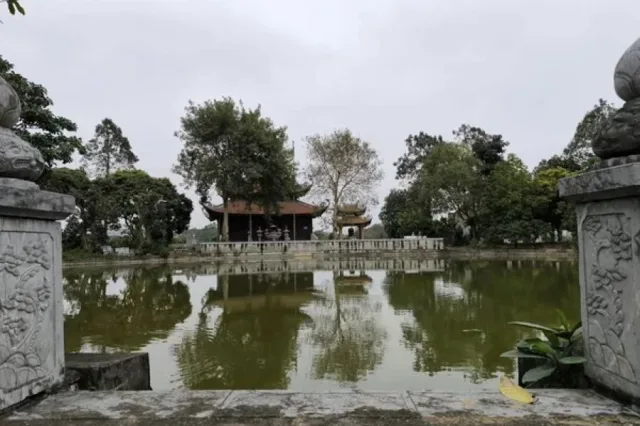
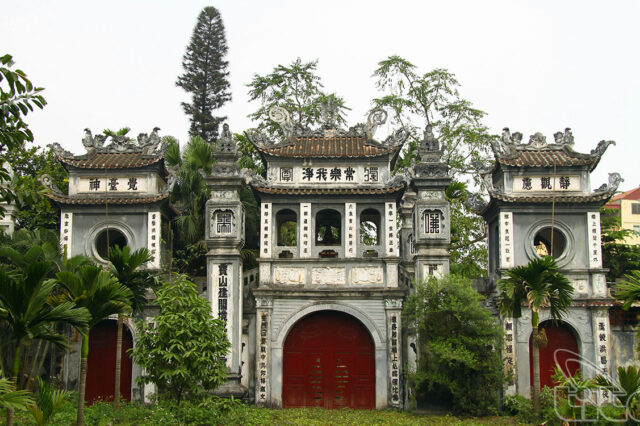
Lý Thái Tổ tên thật là Lý Công Uẩn, sinh năm Giáp Tuất (974), người châu Cổ Pháp (thuộc Từ Sơn, Bắc Ninh), mẹ là Phạm Thị Ngà, nhưng không rõ danh tính của cha, chỉ biết ông được truy tôn tước Hiển Khánh vương sau khi Lý Công Uẩn lên ngôi. Đại Việt sử lược chép ông có một anh trai (sau phong Vũ Uy vương) và một em trai (sau phong Dực Thánh vương). Đại Việt sử ký toàn thư chép ông còn có một người chú được phong Vũ Đạo vương.
Lên 3 tuổi, Lý Công Uẩn được sư Lý Khánh Văn ở chùa Cổ Pháp (Ứng Tâm tự, chùa Dặn) nhận nuôi, từ nhỏ đã thông minh, tuấn tú khác thường. Năm 6, 7 tuổi, Công Uẩn được gửi sang nhà sư ở chùa Lục Tổ là Vạn Hạnh, thấy Công Uẩn, sư Lý Vạn Hạnh liền khen: Đứa bé này không phải người thường, lớn lên ắt có thể giải nguy gỡ rối, làm bậc minh chủ trong thiên hạ.
Bối cảnh
Lớn lên, Lý Công Uẩn gia nhập quân đội. Năm 1005, vua Lê Đại Hành băng hà, các hoàng tử tranh đoạt ngôi vị. Năm 1006, Lê Long Việt giành được ngôi vua, tức Lê Trung Tông, nhưng chỉ 3 ngày thì bị Lê Long Đĩnh giết để giành ngôi. Các quan sợ hãi bỏ chạy, chỉ có Công Uẩn ôm xác vua mà khóc. Lê Long Đĩnh không trị tội mà còn khen ông là người trung nghĩa, tiếp tục trọng dụng, cho làm Tứ sương quân Phó Chỉ huy sứ, rồi sau thăng đến chức Tả thân vệ Điện tiền Chỉ huy sứ.
Theo Ngọc phả các vua triều Lê ở Hà Nam và tư liệu tại các di tích ở Cố đô Hoa Lư, Công Uẩn hàng năm theo Thiền sư Vạn Hạnh vào hầu Lê Đại Hành ở thành Hoa Lư. Công Uẩn được vua cho ở lại kinh học tập quân sự, lại gả con gái lớn là công chúa Lê Thị Phất Ngân và đặc phong Công Uẩn làm Điện tiền cận vệ ở thành Hoa Lư, rồi dần thăng lên chức Điện tiền Chỉ huy sứ.[1]
Theo An Nam chí lược: “Năm Đại Trung Tường Phù thứ 3, Chí Trung (tức Long Đĩnh) mất, con còn nhỏ, em là Minh Đề, Minh Sưởng tranh ngôi. Công Uẩn đuổi và giết đi, tự lĩnh việc Giao Châu, xưng là An Nam Tĩnh Hải quân quyền Lưu hậu.”[2]
Chi hậu Đào Cam Mộc dò biết Công Uẩn muốn nhận ngôi, mới nhân lúc vắng nói khích Công Uẩn về việc tiếm ngôi nhưng bị mắng, Cam Mộc thong thả bảo Công Uẩn rằng:
“Tôi thấy thiên thời nhân sự như thế mới dám phát ngôn. Nay ông lại muốn cáo giác tôi thì tôi không phải là người sợ chết. Công Uẩn nói: Tôi đâu nỡ cáo giác ông, chỉ sợ lời nói tiết lộ thì chết ráo, nên răn ông đó thôi. Hôm sau Đào Cam Mộc lại thuyết phục Công Uẩn tiếm ngôi, lại bàn với Thái hậu lập Công Uẩn lên làm vua.”[3]
Lý Công Uẩn chính thức đăng quang hoàng đế vào ngày 21 tháng 11 năm 1009, lấy niên hiệu là Thuận Thiên, hàm ý thuận theo mệnh trời và lòng dân. Sau khi lên ngôi, ông tiến hành sắp đặt lại tôn thất và ban phong vương tước để củng cố nền móng triều đại mới. Thân phụ của ông được truy phong là Hiển Khánh vương, thân mẫu được tôn là Minh Đức Thái hậu. Ông cũng truy tặng các thân tộc: chú là Vũ Đạo vương, anh ruột là Vũ Uy vương, em ruột là Dực Thánh vương.
Công thần Đào Cam Mộc, người có công lớn trong việc đưa Lý Công Uẩn lên ngôi, được phong tước Nghĩa Tín hầu và được gả cho công chúa Lý Thiềm Hoa. Những đại thần khác trong triều phần lớn được giữ nguyên chức vụ, bảo đảm tính ổn định trong quá trình chuyển giao quyền lực. Ngoài ra, một công chúa khác là Lý Bảo Hòa cũng được gả cho động chủ Giáp Thừa Quý, thể hiện chính sách liên kết chính trị thông qua hôn nhân của nhà vua.
Sự nghiệp trị quốc
Dời đô
Kinh đô Hoa Lư, tọa lạc giữa vùng núi non hiểm trở thuộc vùng đất Ninh Bình ngày nay, từng là trung tâm chính trị và quân sự của nước Đại Cồ Việt dưới hai triều đại Đinh (968 – 979) và Tiền Lê (980 – 1009). Vị trí địa lý nơi đây được đánh giá là đắc địa về quân sự, với thế đất “tiến khả dĩ công, thoái khả dĩ thủ” tức tiến có thể đánh, lui có thể giữ, rất thuận lợi cho việc phòng thủ trong bối cảnh đất nước thường xuyên phải đối mặt với loạn lạc và ngoại xâm.
Tuy nhiên, đến năm 1010, sau khi lên ngôi, Lý Thái Tổ nhận thấy Hoa Lư tuy vững chắc về phòng ngự nhưng lại chật hẹp, không phù hợp cho việc phát triển lâu dài, mở rộng lãnh thổ và xây dựng một quốc đô thịnh vượng. Với tầm nhìn chiến lược sâu rộng, ông đã ban Chiếu dời đô, khẳng định quyết tâm chuyển kinh đô về Đại La, nơi được đánh giá là trung tâm đất trời, địa thế bằng phẳng, rộng rãi, thuận lợi về giao thông, khí hậu và dân cư đông đúc. Sau này, nơi ấy được đặt tên mới là Thăng Long. Quyết định dời đô từ vùng núi hiểm trở về vùng đồng bằng trù phú không chỉ thể hiện tư duy vượt thời đại, mà còn khẳng định bản lĩnh chính trị và tầm nhìn xa trông rộng của Lý Thái Tổ. Chính bước ngoặt này đã mở ra một thời kỳ phát triển huy hoàng cho đất nước, đưa ông trở thành một trong những vị minh quân kiệt xuất nhất trong lịch sử phong kiến Việt Nam. Chiếu dời đô viết:
“Xưa, nhà Thương đến dời Bàn Canh 5 lần dời đô; nhà Chu đến đời Thành Vương 3 lần dời đô; đâu phải các vua thời Tam đại đều theo ý riêng của mình mà tự tiện dời đô xằng bậy. Làm như thế cốt là để mưu nghiệp lớn, chọn ở nơi chính giữa, dựng kế cho con cháu muôn đời; trên kính mệnh trời, dưới theo ý dân, nếu có chỗ tiện lợi thì dời đổi, cho nên vận nước dài lâu, phong tục giàu thịnh. Thế mà hai nhà Đinh, Lê lại theo ý riêng, coi thường mệnh trời, không noi theo việc cũ của Thương, Chu, cứ chịu đóng đô ở yên nơi đây, đến nỗi vận thế không dài, vận số ngắn ngủi, trăm họ hao tổn, muôn vật không tươi tốt. Trẫm rất đau lòng, không thể không dời đổi. Huống chi thành Đại La, kinh đô cũ của Cao Vương, ở giữa khu vực đất trời, được thế rồng chầu – hổ phục, chính giữa Nam – Bắc – Đông -Tây, tiện nghi núi sau – sông trước. Vùng này, mặt đất rộng mà bằng phẳng, thế đất cao mà sáng sủa; dân cư không phải chịu khổ vì thấp trũng, tối tăm; muôn vật hết sức tốt tươi phồn thịnh. Xem khắp nước Việt, đó là nơi thắng địa, thực là chỗ tụ hội quan yếu của bốn phương, đúng là nơi thượng đô kinh sư mãi muôn đời. Trẫm muốn nhân địa lợi ấy mà định nơi ở, các khanh nghĩ sao?”[4]
Chính trị, hành chính và quan hệ đối ngoại
Dưới triều Lý Thái Tổ, quan hệ giữa Đại Cồ Việt và nhà Tống (Trung Quốc) về cơ bản duy trì trong trạng thái hòa hiếu. Ngay sau khi đăng cơ, Lý Thái Tổ đã cử Lương Nhậm Văn và Lê Tái Nghiêm sang triều Tống để thiết lập bang giao và tỏ thiện chí kết hảo. Đáp lại, năm 1010, Tống Chân Tông phong Lý Thái Tổ tước hiệu Giao Chỉ quận vương kiêm Tĩnh Hải quân Tiết độ sứ. Đến năm 1017, ông tiếp tục được gia phong là Nam Bình vương, thể hiện sự thừa nhận chính thức của triều Tống đối với chính quyền họ Lý ở Đại Cồ Việt.
Quan hệ đối ngoại thời kỳ này tương đối ổn định. Các quốc gia láng giềng như Chiêm Thành và Chân Lạp vẫn đều đặn cử sứ bộ sang triều cống. Tuy nhiên, đến năm 1020, tình hình biến động khi Lý Thái Tổ phải cử Hoàng tử Lý Phật Mã (tức vua Lý Thái Tông sau này) đem quân chinh phạt Chiêm Thành. Theo ghi chép trong Đại Việt sử ký toàn thư và Đại Việt sử lược, quân Đại Việt giành được thắng lợi. Mặc dù vậy, từ sau năm 1020 cho đến tận năm 1044, khi Lý Thái Tông thân chinh Chiêm Thành lần nữa, sử sách không ghi nhận một lần nào Chiêm Thành cử sứ sang cống nạp. Điều này được thể hiện rõ trong lời than của Lý Thái Tông trước triều thần:
“Tiên đế mất đến nay đã 16 năm rồi, mà Chiêm Thành chưa từng sai một sứ giả nào sang cống.”[5]
Về mặt tổ chức hành chính, triều Lý đã có những cải cách mang tính nền tảng. Theo sử liệu, Lý Thái Tổ chia đất nước thành 24 lộ cùng với hai đơn vị đặc biệt là kinh và trại, trong đó hai trại là Hoan Châu và Ái Châu, còn phần từ Thanh Hóa trở ra Bắc được quy định là khu vực kinh. Tuy nhiên, các bộ sử như Đại Việt sử ký toàn thư và Khâm định Việt sử thông giám cương mục chỉ ghi lại tên của 12 lộ: Thiên Trường, Quốc Oai, Hải Đông, Kiến Xương, Hoàng Giang, Long Hưng, Bắc Giang, Trường Yên, Thanh Hóa, Diễn Châu, Khoái và Hồng.
Về tổ chức quan lại, nhà Lý kế thừa hệ thống của nhà Tiền Lê, chia làm văn ban và võ ban, đều gồm chín phẩm. Đứng đầu là ba chức đại thần: thái sư, thái phó, thái bảo; tiếp theo là các chức thiếu sư, thiếu phó, thiếu bảo, cùng các chức võ như thái úy, thiếu úy, và một số chức quan nội đình như nội ngoại hành điện đô tri sự, kiểm hiệu bình chương sự. Ở cấp địa phương, mỗi phủ do tri phủ và phán phủ quản lý, mỗi châu do tri châu cai trị; dưới cấp châu còn có các đơn vị nhỏ hơn, đứng đầu là thủ lĩnh, thường là các hào trưởng bản địa được triều đình trao quyền.
Về tài chính – kinh tế, năm 1013, triều đình chính thức định ra sáu hạng thuế cơ bản:
- Thuế ruộng, đầm, ao
- Thuế đất trồng dâu và bãi phù sa
- Thuế sản vật núi rừng
- Thuế mắm muối qua cửa ải
- Thuế sừng tê, ngà voi và hương liệu từ miền núi chuyển xuống
- Thuế tre, gỗ và hoa quả
Đặc biệt, ngay sau khi lên ngôi, Lý Thái Tổ đã ban chiếu miễn thuế cho dân trong ba năm, thể hiện tinh thần khoan dung, an dân. Theo sử gia Ngô Thì Sĩ, chính sách thuế thời Lý có sự chọn lọc: trong sáu hạng chỉ thu bốn, còn lại hai hạng được khoan miễn, cho thấy triều đình chủ trương khuyến khích sản xuất và chú trọng nông nghiệp làm nền tảng cho quốc kế dân sinh.
Quân sự
Ngay từ những năm đầu lên ngôi, Lý Thái Tổ đã thi hành nhiều chiến dịch quân sự nhằm củng cố nội trị, trấn an các vùng biên viễn và đẩy lùi ngoại xâm. Các hoạt động quân sự dưới triều ông không chỉ thể hiện uy lực của triều đình trung ương mà còn phản ánh rõ nét tinh thần cảnh giác và chủ động trước các mối đe dọa từ trong và ngoài lãnh thổ.
Tháng 2 năm Tân Hợi (1011), Lý Thái Tổ thân chinh đem quân trấn áp lực lượng nổi dậy của quân Cử Long ở Ái Châu, bắt giữ thủ lĩnh và giải về kinh sư. Đến tháng 10 năm 1013, ông tiếp tục chỉ huy chiến dịch đánh dẹp quân Man tại châu Vị Long, giành thắng lợi vẻ vang.
Một chiến dịch đáng chú ý diễn ra vào năm 1012, khi Lý Thái Tổ tiến hành bình định Diễn Châu, vốn vẫn nằm dưới sự kiểm soát của Lê Long Tung, tàn dư của nhà Tiền Lê. Trên đường hành quân đến Vũng Biện, đoàn quân gặp mưa gió dữ dội, trời đất tối đen như mực. Vua cho rằng đây là điềm linh thiêng, bèn dâng hương khấn trời với lời lẽ khiêm cung và đầy trách nhiệm:
“Tôi là người ít đức, lạm ở trên dân, nơm nớp lo sợ như sắp sa xuống vực sâu, không dám cậy binh uy mà đi đánh dẹp càn bậy… Nếu vì đánh nhau mà giết oan trung hiếu, hại lầm hiền lương, khiến trời đất nổi giận, thì dù tổn hại cũng không dám oán trách… Mong lòng trời soi xét.”
Sau lời khấn, trời quang mây tạnh, ông tiếp tục tiến quân và nhanh chóng dẹp yên loạn.
Cũng trong năm đó, một sự kiện quân sự và ngoại giao đáng chú ý khác xảy ra: người Đại Lý (triều vua Đoàn Tố Liêm) vượt biên sang buôn bán tại bến Kim Hoa và châu Vị Long, vi phạm chủ quyền Đại Cồ Việt. Lý Thái Tổ liền cho bắt giữ một số người Đại Lý cùng hơn một vạn con ngựa, thể hiện thái độ cứng rắn trong vấn đề biên giới.
Cuối năm 1013, châu Vị Long nổi loạn, ngả theo Đại Lý. Lý Thái Tổ lập tức thân chinh tiến đánh, buộc thủ lĩnh Hà Án Tuấn phải đem tàn quân tháo chạy vào rừng núi. Diễn biến này báo hiệu một cuộc xâm lược quy mô lớn từ phương Bắc.
Quả nhiên, năm Giáp Dần (1014), vua Đại Lý sai hai tướng Dương Trường Huệ và Đoàn Kính Chí đem 20 vạn quân xâm phạm lãnh thổ Đại Cồ Việt, tiến chiếm các vị trí trọng yếu tại bến Kim Hoa và Ngũ Hoa. Sau khi được châu mục châu Bình Lâm – Hoàng Ân Vinh báo cáo tình hình, Lý Thái Tổ cử Dực Thánh vương (Lý Phật Mã) dẫn quân đánh trả. Quân Đại Việt giành thắng lợi vang dội:
“Chém vạn đầu giặc, bắt được quân sĩ và ngựa nhiều vô số.”
Sau chiến thắng, Lý Thái Tổ sai Phùng Chân và Lý Hạc đem 100 con ngựa chiến Đại Lý sang tiến cống triều Tống như một cử chỉ ngoại giao cứng rắn mà khéo léo. Triều đình Tống tiếp đãi sứ thần Đại Cồ Việt trọng hậu, qua đó tiếp tục duy trì quan hệ hòa hiếu. Cùng năm 1014, vua đổi tên phủ Ứng Thiên thành Nam Kinh, biểu thị ý nghĩa chiến lược và biểu tượng quyền lực của vùng đất trung tâm quốc gia.
Tháng 12 năm Canh Thân (1020), Lý Thái Tổ phát động chiến dịch nam tiến, cử Khai Thiên vương Lý Phật Mã và Đào Thạc Phụ đem quân đánh Chiêm Thành tại vùng trại Bố Chính, tiến sâu đến núi Long Tỵ (nay thuộc huyện Quảng Trạch, Quảng Bình). Trận chiến kết thúc với thắng lợi lớn: tướng Chiêm Bố Linh bị chém tại trận, quân Chiêm tử vong quá nửa.
Một năm sau, vào tháng 12 năm Tân Dậu (1021), sắc dân Đại Nguyên Lịch, cư trú ở biên giới giữa trại Như Hồng (Đại Cồ Việt) và trấn Triều Dương (Đại Tống) đã vượt biên đánh phá Đại Cồ Việt. Lý Thái Tổ giao cho Dực Thánh vương chỉ huy quân đội đánh trả, tiến thẳng vào châu Như Hồng trong đất Tống, đốt phá kho tàng, bắt người và gia súc rồi rút lui. Sự kiện này được sử gia Lê Tắc ghi lại trong An Nam chí lược, đồng thời cũng được phía Tống thừa nhận trong văn thư do Cao Huệ Liên, chuyển vận sứ Quảng Tây, dâng lên Tống Chân Tông.
Năm 1024, Lý Thái Tổ cử Thái tử Lý Phật Mã đem quân chinh phạt châu Phong Luân, còn Khai Quốc vương tiến đánh châu Đô Kim. Cùng năm đó, nhà vua cho tu sửa kinh thành Thăng Long, củng cố công trình phòng thủ và hành chính của trung tâm quốc gia.
Năm 1028, một loạt chiến dịch tiếp tục được triển khai: Thái tử Lý Phật Mã chỉ huy đánh châu Thất Nguyên, còn Đông Chinh vương được phái đi trấn áp châu Văn, cho thấy triều đình Lý vẫn duy trì sức mạnh quân sự ở cả phía Bắc và phía Nam.
Tư tưởng – Tôn giáo
Vốn xuất thân từ giới tăng lữ và từng tu hành tại chùa Cổ Pháp (nay thuộc huyện Tiên Du, Bắc Ninh), Lý Thái Tổ (tức Lý Công Uẩn) sau khi lên ngôi hoàng đế đã dành sự quan tâm đặc biệt đến Phật giáo, xem đây là trụ cột tinh thần của quốc gia và công cụ để củng cố lòng dân. Ngay sau khi dời đô từ Hoa Lư ra Thăng Long vào năm 1010, một trong những việc đầu tiên nhà vua thực hiện là xuất ngân khố 2 vạn quan tiền để xây dựng chùa tại phủ Thiên Đức, thể hiện sự tri ân sâu sắc đối với nơi phát tích và nền giáo dưỡng Phật giáo đã nuôi dưỡng ông thời niên thiếu. Cũng trong tháng 12 năm Canh Tuất (1010), Lý Thái Tổ cử sứ thần sang nhà Tống để thỉnh kinh Phật. Vua Tống Chân Tông đã thuận tình, ban tặng bộ Kinh Địa Tạng cùng với ngự bút thư pháp do chính tay hoàng đế Tống chấp bút như một biểu hiện đặc biệt trong quan hệ bang giao và tôn giáo giữa hai quốc gia.
Trong nội thành Thăng Long, sau khi Hoàng thành được hoàn thiện, nhà vua cho dựng chùa Hưng Thiên cùng tinh lâu Ngũ Phượng, trở thành nơi hoàng đế ngự giá đến tụng kinh, nghe giảng pháp. Ngoài thành, về phía nam, ông cho xây dựng chùa Thắng Nghiêm, góp phần mở rộng không gian tôn giáo ra cả ngoài khu vực cung cấm.
Tám năm sau, vào tháng 6 năm Mậu Ngọ (1018), triều đình Lý tiếp tục cử Nguyễn Đạo Thanh và Phạm Hạc, hai viên ngoại lang, sang nhà Tống thỉnh thêm Tam tạng kinh, bộ kinh điển đồ sộ nhất trong Phật giáo mang về bảo quản tại kho Đại Hưng, một trung tâm lưu giữ và dịch thuật kinh điển Phật giáo của triều đình.
Tiếp đó, vào tháng 9 năm Giáp Tý (1024), Lý Thái Tổ ra lệnh dựng chùa Chân Giáo ngay trong nội đô Thăng Long, với mục đích làm nơi nghe giảng kinh pháp thường xuyên cho hoàng đế và giới quý tộc triều đình. Đây là biểu hiện rõ ràng của một triều đình sùng tín Phật giáo và đặt tôn giáo vào vị trí trung tâm trong sinh hoạt chính trị – văn hóa đương thời.
Tuy nhiên, chính sách sùng Phật của Lý Thái Tổ cũng từng bị một số sử gia đời sau phê phán. Lê Văn Hưu, tác giả của Đại Việt sử ký, đã nhận xét một cách thẳng thắn rằng:
“Lý Thái Tổ lên ngôi mới được hai năm, tông miếu chưa dựng, đàn xã tắc chưa lập, mà đã xây tám ngôi chùa ở phủ Thiên Đức, lại trùng tu chùa quán ở các lộ, độ hơn một nghìn người làm tăng ở Kinh sư… Việc tiêu phí của cải và nhân lực vào các công trình tôn giáo như vậy quả là vượt quá mức cần thiết.”
Dù vậy, trong bối cảnh đầu triều Lý, khi đất nước vừa thoát khỏi thời kỳ loạn lạc, việc lấy Phật giáo làm nền tảng ổn định lòng dân và đạo đức xã hội là lựa chọn có tính chiến lược, ảnh hưởng sâu rộng đến chính trị, văn hóa, nghệ thuật và tư tưởng Đại Việt trong suốt nhiều thế kỷ sau.
Gia quyến
Phụ thân của Lý Thái Tổ là Hiển Khánh vương, chưa rõ là ai.
Thân mẫu là Minh Đức Thái hậu Phạm Thị Ngà.
Anh em: Theo sử sách ghi là Dực Thánh vương, tuy nhiên một số tài liệu khác lại cho rằng đây là danh hiệu của con trai ông, chứ không phải anh em ruột. Vấn đề này hiện còn có sự dị biệt trong các nguồn tư liệu cổ.
Theo sử sách, vua Lý Thái Tổ lập chín hoàng hậu, tuy phần lớn không rõ danh tính cụ thể. Một số người được ghi nhận trong sử liệu gồm:
Lập Giáo hoàng hậu: Được xem là chính thất của vua Lý Thái Tổ. Theo dã sử, tên húy là Lê Thị Phất Ngân, con gái vua Lê Hoàn (nhà Tiền Lê), mẹ của vua Lý Thái Tông. Sau khi con lên ngôi, bà được tôn làm Linh Hiển Hoàng thái hậu.
Cùng các vị Phu nhân: Ái Vân phu nhân Chu thị, Tá Quốc phu nhân, Lập Nguyên phu nhân.
Lý Thái Tổ được cho là có ít nhất 7 hoàng tử và 13 công chúa. Một số người con tiêu biểu gồm:
- Khai Thiên vương Lý Phật Mã: Con trai trưởng, được phong làm Hoàng thái tử vào năm 1009, sau kế vị vua cha, tức vua Lý Thái Tông. Mẹ là Linh Hiển Hoàng thái hậu.
- Khai Quốc vương Lý Bồ: Phong năm 1013, được ban trấn ở phủ Trường Yên.
- Đông Chinh vương Lý Lực: Được phong năm 1018.
- Vũ Đức vương: Sử không ghi rõ thân thế; theo quan điểm của Trần Trọng Kim, ông là con trai của Lý Thái Tổ.
- Uy Minh hầu Lý Nhật Quang (còn gọi là Lý Hoảng): Theo sách Việt điện u linh tập, mẹ là Linh Hiển Hoàng thái hậu. Ông được phong Uy Minh hầu, sau được thờ tại nhiều nơi như một vị thần.
- An Quốc công chúa: Gả cho công thần Đào Cam Mộc.
- Lĩnh Nam công chúa Lý Bảo Hòa: Gả cho Thân Thừa Quý, một đại thần dưới triều Lý.
Cuối đời – Thờ phụng
Năm Mậu Thìn (1028), tức năm Thuận Thiên thứ 19, sức khỏe của Lý Thái Tổ bắt đầu suy yếu, bệnh tình ngày một trầm trọng. Đến ngày 31 tháng 3 năm 1028, nhà vua băng hà tại điện Long An, kết thúc 19 năm trị vì, hưởng dương 54 tuổi.
Ngay sau khi nhà vua mất, trong lúc lễ tang chưa kịp cử hành, nội bộ hoàng tộc đã xảy ra biến động lớn. Ba vương tử là Vũ Đức vương, Đông Chinh vương và Dực Thánh vương đã huy động binh mã bao vây hoàng thành, mưu đồ đoạt ngôi của Thái tử Lý Phật Mã. Trước tình hình nguy cấp, Thái tử Phật Mã lập tức tổ chức lực lượng phản kích, dẫn quân tiến vào thành, quyết chiến với các vương. Khi hai bên giáp mặt, Võ vệ tướng quân Lê Phụng Hiểu bước ra giữa trận tiền, rút kiếm chỉ vào Vũ Đức vương, lớn tiếng trách mắng:
“Các người dòm ngó ngôi cao, khi dễ tự quân, trên thì quên ơn tiên đế, dưới thì trái nghĩa tôi con, Phụng Hiểu xin thay trời hành đạo, dâng nhát gươm này!”
Dứt lời, ông xông thẳng vào chém chết Vũ Đức vương ngay giữa chiến trường. Quân của hai vương còn lại hoảng loạn, rút chạy tán loạn, Đông Chinh vương và Dực Thánh vương cũng bỏ trốn. Về sau, hai người này xin quy thuận triều đình và đều được tha mạng.
Sau khi dẹp yên biến loạn, Lý Phật Mã lên ngôi hoàng đế, tức Lý Thái Tông. Tân vương tổ chức tang lễ trọng thể cho tiên đế, an táng Lý Thái Tổ tại Thọ Lăng, thuộc phủ Thiên Đức, quê hương Cổ Pháp. Truy tôn ông với miếu hiệu là Thái Tổ, thụy hiệu là Thần Vũ hoàng đế, trở thành vị vua khai sáng triều đại Lý trong lịch sử Đại Việt.
Nhận định và đánh giá
Các Sử thần đã nhận định về vua Lý Thái Tổ như sau:
“Lý Thái Tổ dấy lên, trời mở điềm lành hiện ra ở vết cây sét đánh. Có đức tất có ngôi, bởi lòng người theo về, lại vừa sau lúc Ngọa Triều hoang dâm bạo ngược mà vua thì vốn có tiếng khoan nhân, trời thường tìm chủ cho dân, dân theo về người có đức, nếu bỏ vua thì còn biết theo ai! Xem việc vua nhận mệnh sâu sắc lặng lẽ, dời đô yên nước, lòng nhân thương dân, lòng thành cảm trời, cùng là đánh dẹp phản loạn, Nam Bắc thông hiếu, thiên hạ bình yên, truyền ngôi lâu đời, có thể thấy là có mưu lược của bậc đế vương. Duy có việc ham thích đạo Phật, đạo Lão là chỗ kém.”
(Ngô Sĩ Liên – Đại Việt sử ký toàn thư)
“Lý Thái Tổ nhân Ngọa Triều thất đức, hiệp điềm tốt sét đánh thành chữ, ứng mệnh trời, thuận lòng người, thừa thời mở vận; có đại độ khoan nhân, có quy mô xa rộng, dời đô định vạc, kính trời yêu dân, tô ruộng có lệnh tha, phú dịch có mức độ. Bắc Nam thông hiếu, thiên hạ bình yên. Song thánh học chẳng nghe, nho phong chưa thịnh, tăng ni chiếm nửa dân gian, chùa chiền dựng đầy thiên hạ, không phải là đạo sáng nghiệp truyền dòng vậy.”
(Lê Tung – Đại Việt thông giám tổng luận)
“Nhà Lý được nước, cũng không phải chính nghĩa cho lắm, nhưng đương buổi Lê Ngọa Triều, lòng người lìa tan, sinh dân vô chủ, không về với Công Uẩn còn biết theo ai?”
(Khâm định Việt sử Thông giám cương mục)
“Vua Lý Thái Tổ sinh trưởng nhờ cửa Phật, Khánh Vân nuôi lớn, Vạn Hạnh dạy dỗ, thuyết nhân quả ăn sâu ở trong lòng, cho nên khi mới kiến quốc, đã sáng tạo nhiều chùa, cấp điện độ tăng chúng, muốn đưa cả thế giới vào nước Phật, bất luận hiền ngu muốn cho qui Phật, đến đời sau Nhà Lý mới khởi lên ngôi chùa cao sát mây, lập nên cột chùa bằng đá cao vót, lấy sự thờ Phật làm việc thường phải có của một nước (lập hơn 300 ngôi chùa, đúc quả chuông nặng đến một vạn hai nghìn cân đồng). Khi khánh thành chùa thì mở hội, xá các tội nhân; một nhà sư tự thiêu mà cũng tạ ơn Phật, bụt mọc ở chùa Pháp Vân mà lập nên chùa tự dối mình và dối đến người khác, trên dưới như điên như dại, khiến cho ảo thuật của sư Đại Điên dám hoành hành ở trong cung vua, tà thai của Nguyễn Bông đầu thai làm con thừa tự của nước; đến nỗi vua Huệ Tôn bỏ nước cho con gái nhỏ mà xuất gia đầu Phật; vì nhà sư mà hưng quốc, lại vì nhà sư mà mất nước, Phật cũng không đem chén nước công đức mà độ cho vua cho nước được, phải chăng tại vì vua Thái Tổ, cho nên đến nỗi thế?”
(Việt sử tiêu án)
Chú thích
[1] Trần Bá Chi, “Ngọc phả các vua triều Lê”, Viện Nghiên cứu Hán Nôm, 2010 http://www.hannom.org.vn/web/tchn/data/0405_a.htm
[2] Lê tắc, An Nam chí lược, Nxb Lao Động, 2009, tr. 221.
[3] Ngô Thì Sĩ, Việt sử tiêu án, Nhà Xuất bản Văn Sử, 1991, tr. 41. ebook.
[4] Mộc bản sách Đại Việt sử ký toàn thư, quyển 2, mặt khắc 2.
[5] Lê Văn Hưu, Phan Phu Tiên, Ngô Sĩ Liên… Đại Việt sử ký toàn thư, Khoa Học Xã Hội, Hà Nội, 1993, tr. 99.
Tài liệu tham khảo
- Lê Tắc (2009), An Nam chí lược, Nxb Lao Động.
- Lê Tung, Khảo Tổng luận, Hội Bảo tồn Di sản chữ Nôm Việt Nam.
- Lê Văn Hưu, Phan Phu Tiên, Ngô Sĩ Liên… (1993), Đại Việt sử ký toàn thư, Nxb Khoa học Xã hội, Hà Nội.
- Mộc bản sách Đại Việt sử ký toàn thư, quyển 2, mặt khắc 2.
- Ngô Thì Sĩ (1991), Việt sử tiêu án, Nxb Văn Sử, bản điện tử (ebook).
- Quốc sử quán triều Nguyễn (1998), Khâm định Việt sử Thông giám cương mục, Nxb Giáo dục, Hà Nội.
- Trần Bá Chi (2010), “Ngọc phả các vua triều Lê”, Viện Nghiên cứu Hán Nôm. Truy cập tại: http://www.hannom.org.vn/web/tchn/data/0405_a.htm
_______________
Ngôn ngữ khác
Tiếng Anh (English)
Origins
Ly Thai To (Chinese characters: 李太祖; March 8, 974 – March 31, 1028) was the founding emperor of the Ly dynasty (also called the Later Ly to distinguish it from the Earlier Ly founded by Ly Nam De) in Vietnamese history, reigning from 1009 until his death in 1028.
Ly Thai To’s personal name was Ly Cong Uan. He was born in the year Giap Tuat (974) in Chau Co Phap (now Tu Son, Bac Ninh). His mother was Pham Thi Nga; his father’s identity is unknown, though after Ly Cong Uan’s accession he was posthumously honored as Prince Hien Khanh. The Dai Viet Su Luoc records that he had an elder brother (later ennobled as Prince Vu Uy) and a younger brother (later Prince Duc Thanh). The Dai Viet Su Ky Toan Thu adds that he had an uncle who was titled Prince Vu Dao.
At the age of three, Ly Cong Uan was adopted by the monk Ly Khanh Van of Co Phap Pagoda (Ung Tam Tu, also called Chua Dan). From childhood he was unusually intelligent and handsome. At six or seven, Cong Uan was sent to the monk Van Hanh at Luc To Pagoda. Seeing the boy, the monk Ly Van Hanh praised him: “This child is no ordinary person; when grown he will be able to resolve crises and become an enlightened ruler under Heaven.”
Historical Context
On reaching adulthood, Ly Cong Uan joined the army. In 1005, King Le Dai Hanh died, and the princes contended for the throne. In 1006, Le Long Viet seized the throne as Le Trung Tong, but after only three days he was killed by Le Long Dinh, who usurped the crown. The officials fled in fear; only Cong Uan embraced the king’s corpse and wept. Le Long Dinh did not punish him; instead he praised Cong Uan’s loyalty, continued to employ him, appointed him Deputy Commander of the Tu Suong Corps, and later promoted him to Left Imperial Guard Commander of the Palace Gate (Dien Tien Chi Huy Su).
According to the Genealogical Records of the Kings of the Le Dynasty in Ha Nam and materials at relics in the ancient capital Hoa Lu, Cong Uan accompanied the Zen master Van Hanh each year to attend on Le Dai Hanh at Hoa Lu citadel. The king allowed Cong Uan to remain at the capital to study the military arts, and furthermore gave him his eldest daughter, Princess Le Thi Phat Ngan, in marriage, appointing Cong Uan as a Palace Gate bodyguard at Hoa Lu, from which he was gradually elevated to Commander of the Palace Gate.[1]
According to the An Nam Chi Luoc: “In the third year of Daizhong Xiangfu, Zhi Zhong (i.e., Long Dinh) died; his son was still young, and his brothers Minh De and Minh Thuong struggled for the throne. Cong Uan drove them off and killed them, took charge of Jiaozhou, and styled himself Acting Military Governor of An Nam Jinghai.”[2]
The palace chamberlain Dao Cam Moc, having discovered that Cong Uan intended to accept the throne, seized a quiet moment to provoke him about usurpation, but was rebuked. Dao Cam Moc calmly said to Cong Uan:
“I speak only because Heaven’s timing and human affairs are thus. If you wish to denounce me, I am not afraid of death.”
Cong Uan replied: “I could not bear to denounce you; I only fear that if your words leak, all will perish—so I warn you for your own sake.”
The next day Dao Cam Moc again urged Cong Uan to assume the throne and consulted with the Queen Dowager to raise him as king.[3]
Ly Cong Uan was formally enthroned on November 21, 1009, taking the reign title Thuan Thien (“Complying with Heaven”), signifying obedience to Heaven’s mandate and the people’s will. Upon accession he reorganized the royal clan and bestowed princely titles to consolidate the new dynasty’s foundations. His father was posthumously created Prince Hien Khanh; his mother was honored as Empress Dowager Minh Duc. Kinsmen were also posthumously ennobled: his uncle as Prince Vu Dao, his elder brother as Prince Vu Uy, and his younger brother as Prince Duc Thanh.
Merit subject Dao Cam Moc, who played a major role in Ly Cong Uan’s enthronement, was created Marquis Nghia Tin and married to Princess Ly Thiem Hoa. Most senior officials retained their posts, ensuring stability during the transfer of power. Another princess, Ly Bao Hoa, was married to Giap Thua Quy, a frontier leader, reflecting the king’s policy of political alliance through marriage.
Statecraft
Removal of the Capital
Hoa Lu, nestled amid the rugged mountains of present-day Ninh Binh, had been the political and military center of Dai Co Viet under the Dinh (968–979) and Earlier Le (980–1009) dynasties. Militarily it was a stronghold—“advancing to strike, withdrawing to hold”—well suited to defense amid frequent unrest and foreign threats.
By 1010, however, after ascending the throne, Ly Thai To judged that while Hoa Lu was secure, it was cramped and ill-suited for long-term development, territorial expansion, and the building of a prosperous imperial capital. With strategic foresight he promulgated the Edict on the Transfer of the Capital (Chieu Doi Do), resolving to move the capital to Dai La—a site deemed the center of the land, flat and expansive, favorable in transportation and climate, and densely populated. He later renamed it Thang Long. Shifting the capital from mountainous fastness to fertile plains not only showed visionary governance but also affirmed Ly Thai To’s political boldness and long view. This turning point opened a glorious era of development and secured his place among Vietnam’s most outstanding monarchs. The Edict states:
“In antiquity, the Shang moved under Pan Geng, shifting the capital five times; the Zhou under King Cheng moved it three times. It is not that the rulers of the Three Dynasties followed personal whim and moved capriciously. They did so to plan great enterprises, to choose the central place, to establish a scheme for descendants for myriad generations—above in reverence to Heaven’s mandate, below in accord with the people’s will; where advantages lay, there they moved. Thus the realm endured long and customs flourished.
Yet the two houses of Dinh and Le, following private intent, slighted Heaven’s mandate, did not emulate Shang and Zhou, and kept the capital here. Hence their fortunes were brief, the realm’s qi exhausted, the people suffered, and things did not thrive. I am deeply grieved and cannot but change it.
Moreover, Dai La, the old capital of Gao King, lies at the center of the land under Heaven, in the posture of ‘dragon coiled and tiger crouched’, central to north, south, east, and west, convenient with mountains behind and river before. The terrain is broad and level, high and open; the people are spared the hardships of low, dark marshland; myriad things are luxuriant and abundant. Surveying Viet, this is the finest site, the key convergence of the four quarters, truly fit to be the supreme capital for ten thousand generations. I desire to establish my residence here—what do you, my ministers, think?”[4]
Politics, Administration, and Foreign Relations
Under Ly Thai To, relations between Dai Co Viet and the Song (China) were broadly amicable. Immediately after his accession he dispatched Luong Nham Van and Le Tai Nghiem to the Song to establish relations and show goodwill. In response, in 1010 Emperor Zhenzong of Song invested Ly Thai To as Prince of Jiaozhi and Military Commissioner of Jinghai. In 1017 he was further invested as Prince of Nam Binh, signaling formal Song recognition of Ly rule in Dai Co Viet.
Foreign relations remained largely stable. Neighboring states such as Champa and Chenla regularly sent tribute missions. In 1020, however, Ly Thai To sent Prince Ly Phat Ma (the future Ly Thai Tong) to campaign against Champa. According to the Dai Viet Su Ky Toan Thu and Dai Viet Su Luoc, the Vietnamese forces prevailed. Nevertheless, from 1020 until 1044, when Ly Thai Tong personally led another campaign, the chronicles record no Champa tribute—a hiatus reflected in Ly Thai Tong’s lament before the court:
“Sixteen years have passed since the late emperor’s demise, yet Champa has not once sent an envoy to present tribute.”[5]
Administratively, foundational reforms took shape. Sources state that Ly Thai To divided the realm into 24 lo (“circuits”), along with two special units—kinh (metropolitan) and trai (marches), with Hoan Chau and Ai Chau as the two trai, and the area from Thanh Hoa northward designated as the metropolitan zone. However, chronicles such as the Dai Viet Su Ky Toan Thu and the Kham Dinh Viet Su Thong Giam Cuong Muc list only 12 circuits by name: Thien Truong, Quoc Oai, Hai Dong, Kien Xuong, Hoang Giang, Long Hung, Bac Giang, Truong Yen, Thanh Hoa, Dien Chau, Khoai, and Hong.
Regarding officialdom, the Ly retained the Earlier Le system, dividing civil and military ranks into nine grades each. At the top were the Three Excellencies: thai su, thai pho, and thai bao; followed by thieu su, thieu pho, thieu bao; military posts such as thai uy and thieu uy; and inner court positions such as noi ngoai hanh dien do tri su and kiem hieu binh chuong su. Locally, each phu (prefecture) was led by a tri phu and phan phu; each chau (sub-prefecture) by a tri chau; below chau were smaller units headed by local chieftains (hao truong) invested by the court.
In finance and economy, in 1013 the court formalized six basic tax categories:
tax on fields, marshes, and ponds;
tax on mulberry lands and alluvial islets;
tax on mountain and forest products;
tax on salt and fish sauce at border gates;
tax on rhinoceros horn, elephant ivory, and aromatics brought down from the uplands;
tax on bamboo, timber, and fruit.
Notably, immediately after accession Ly Thai To proclaimed a three-year tax remission for the populace, reflecting clemency and concern for livelihood. According to historian Ngo Thi Si, Ly taxation was selective: of the six categories, only four were levied while two were relaxed, indicating a policy of encouraging production and prioritizing agriculture as the foundation of state and people’s welfare.
Military Affairs
From the outset Ly Thai To undertook campaigns to consolidate internal order, secure borderlands, and repel external threats. These operations displayed the central court’s authority and its vigilance against dangers within and without.
In the second month of Xin Hai (1011), Ly Thai To personally suppressed the Curong (Cu Long) rebels in Ai Chau, capturing their leader and bringing him to the capital. In the tenth month of 1013 he led a campaign against the Man of Vi Long Chau, winning a notable victory.
In 1012 he pacified Dien Chau, which remained under the control of Le Long Tung, a remnant of the Earlier Le. En route to Vung Bien, the army met fierce storms and darkness. The king interpreted this as a portent and offered incense, praying humbly:
“I, a man of scant virtue, presumptuously placed above the people, tremble as if on the brink of an abyss. I dare not rely on martial might to wage reckless war… If in fighting I should wrongly kill the loyal and filial, harm the worthy and good, provoking Heaven and Earth, then though losses come I dare not complain… May Heaven look into my heart.”
After the prayer, the skies cleared; he advanced and swiftly quelled the unrest.
That same year, a notable military-diplomatic incident occurred: people from Dali (under King Duan Suo Lian) crossed the frontier to trade at Ben Kim Hoa and Vi Long Chau, violating Dai Co Viet’s sovereignty. Ly Thai To ordered the arrest of several Dali traders and the seizure of more than ten thousand horses, signaling firmness on border issues.
Late in 1013, Vi Long Chau rebelled and leaned toward Dali. Ly Thai To marched in person; the rebel leader Ha An Tuan fled into the mountains—foreshadowing a major northern incursion.
Indeed, in Giap Dan (1014), the Dali king sent generals Yang Changhui and Duan Jingzhi with 200,000 troops to invade, seizing key positions at Ben Kim Hoa and Ngu Hoa. On the report of Hoang An Vinh, chieftain of Binh Lam Chau, Ly Thai To dispatched Prince Duc Thanh (Ly Phat Ma) to counterattack. The Vietnamese triumphed:
“Ten thousand enemy heads were cut off; countless soldiers and horses were captured.”
After the victory, Ly Thai To sent Phung Chan and Ly Hac to the Song court with one hundred captured Dali warhorses—a gesture both stern and deft in diplomacy. The Song received the envoys with honor, maintaining amicable relations. In the same year, 1014, the king renamed Ung Thien Prefecture “Nam Kinh,” marking its strategic and symbolic centrality.
In the twelfth month of Canh Than (1020), Ly Thai To launched a southern campaign, sending Prince Khai Thien Ly Phat Ma and Dao Thac Phu against Champa in the Bo Chinh marches, advancing to Mount Long Ty (now Quang Trach, Quang Binh). The Vietnamese won a major victory: the Cham general Bo Linh was killed in battle, and more than half the Cham force fell.
A year later, in the twelfth month of Tan Dau (1021), the Da Nguyen Lich people dwelling on the border between Nhu Hong March (Dai Co Viet) and Zhaoyang Garrison (Song) crossed into Dai Co Viet to raid. Ly Thai To ordered Prince Duc Thanh to lead a counterstrike, pushing into Nhu Hong Chau within Song territory, burning storehouses, capturing people and livestock, then withdrawing. Historian Le Tac records this in the An Nam Chi Luoc, and Song sources corroborate it in a memorial by Cao Huilian, Transport Commissioner of Guangxi, to Emperor Zhenzong.
In 1024, Ly Thai To sent Crown Prince Ly Phat Ma to subdue Phong Luan Chau, while Prince Khai Quoc campaigned against Do Kim Chau. In the same year the king repaired the Thang Long citadel, strengthening the capital’s defenses and administration.
In 1028, further operations continued: Crown Prince Ly Phat Ma struck at That Nguyen Chau, while Prince Dong Chinh was dispatched to pacify Van Chau—evidence that Ly military power was maintained on both northern and southern fronts.
Thought and Religion
Born and raised within Buddhist circles and once a monk at Co Phap Pagoda (now Tien Du, Bac Ninh), Ly Thai To (Ly Cong Uan) after ascending the throne paid special attention to Buddhism, treating it as the nation’s spiritual pillar and a means to consolidate popular support. Soon after moving the capital from Hoa Lu to Thang Long in 1010, one of his first acts was to allocate 20,000 strings of cash from the treasury to build a pagoda in Thien Duc Prefecture, showing deep gratitude to his birthplace and to the Buddhist nurture of his youth. Also in the twelfth month of Canh Tuat (1010), he sent envoys to the Song to request Buddhist scriptures. Emperor Zhenzong consented, granting the Ksitigarbha Sutra along with an imperial calligraphy inscription, a special token in diplomatic and religious relations.
Within Thang Long, after the Imperial Citadel was completed, the king built Hung Thien Pagoda and the Five-Phoenix Pavilion, where he would chant sutras and listen to sermons. Outside the walls, to the south, he built Thang Nghiem Pagoda, extending religious space beyond the palace precincts.
Eight years later, in the sixth month of Mau Ngo (1018), the court sent the clerks Nguyen Dao Thanh and Pham Hac to the Song to request the Tripitaka, the grand Buddhist canon, to be stored in the Dai Hung repository, a royal center for scripture preservation and translation.
Then in the ninth month of Giap Ty (1024), Ly Thai To ordered the construction of Chan Giao Pagoda within Thang Long to serve as a regular venue for the emperor and nobility to hear Buddhist teachings—clear evidence of a court devoted to Buddhism and placing religion at the center of political and cultural life.
His Buddhist policies, however, drew criticism from later historians. Le Van Huu, author of the Dai Viet Su Ky, wrote bluntly:
“Only two years after his accession, the ancestral temple and altar of soil and grain had yet to be established, yet he had built eight pagodas in Thien Duc Prefecture, refurbished temples across the circuits, and ordained over a thousand monks in the capital… Such expenditure of wealth and manpower on religious works exceeded necessity.”
Even so, in the early Ly context, as the country emerged from turmoil, taking Buddhism as a basis for pacifying the people and stabilizing morals was a strategic choice with far-reaching effects on politics, culture, art, and thought in Dai Viet for centuries thereafter.
Family
Ly Thai To’s father was the posthumously titled Prince Hien Khanh; his identity is otherwise unknown.
His mother was Empress Dowager Minh Duc (Pham Thi Nga).
Siblings: Chronicles record a Prince Duc Thanh, though some sources argue this was the title of his son rather than a biological brother—an issue on which ancient sources differ.
According to the histories, Ly Thai To established nine empresses/consorts, though most remain unnamed. Those recorded include:
Empress Lap Giao: regarded as the principal consort. According to folklore her personal name was Le Thi Phat Ngan, daughter of King Le Hoan (Earlier Le), and mother of Emperor Ly Thai Tong. After her son’s accession she was honored as Empress Dowager Linh Hien.
Other Ladies: Ai Van Lady Chu, Lady Ta Quoc, and Lady Lap Nguyen.
Ly Thai To is believed to have had at least seven princes and thirteen princesses. Notable children include:
Prince Khai Thien Ly Phat Ma: eldest son, created Crown Prince in 1009; he succeeded as Emperor Ly Thai Tong. Mother: Empress Dowager Linh Hien.
Prince Khai Quoc Ly Bo: ennobled in 1013 and assigned to govern Truong Yen Prefecture.
Prince Dong Chinh Ly Luc: ennobled in 1018.
Prince Vu Duc: the chronicles do not detail his parentage; historian Tran Trong Kim considered him a son of Ly Thai To.
Marquis Uy Minh Ly Nhat Quang (also called Ly Hoang): according to Viet Dien U Linh Tap, his mother was Empress Dowager Linh Hien. Ennobled as Marquis Uy Minh, he is venerated as a tutelary deity in many locales.
Princess An Quoc: married the merit subject Dao Cam Moc.
Princess Linh Nam Ly Bao Hoa: married Than Thua Quy, a senior official under the Ly.
Final Years and Veneration
In Mau Thin (1028), the nineteenth year of Thuan Thien, Ly Thai To’s health declined. On March 31, 1028, he passed away in Long An Hall, ending 19 years of rule at the age of 54.
Immediately after his death, before funerary rites could be performed, great turmoil broke out within the royal clan. Three princes—Vu Duc, Dong Chinh, and Duc Thanh—mobilized troops to besiege the palace, seeking to seize the throne from Crown Prince Ly Phat Ma. In the crisis, the crown prince organized a counterattack, led his forces into the citadel, and confronted the rebels. On the field, General of the Martial Guard Le Phung Hieu stepped forth, pointed his sword at Prince Vu Duc, and rebuked him loudly:
“You covet the highest seat and scorn your sovereign; above, you forget the late emperor’s grace; below, you betray the righteousness between ruler and subject. I, Phung Hieu, will act in Heaven’s stead and offer this stroke of the sword!”
He then rushed forward and cut down Prince Vu Duc on the spot. The other two princes’ troops scattered; Dong Chinh and Duc Thanh fled. Later they sought pardon and were spared.
After restoring order, Ly Phat Ma ascended the throne as Emperor Ly Thai Tong. The new ruler held solemn obsequies for his father and buried Ly Thai To at Tho Lang in Thien Duc Prefecture, his native Co Phap. He granted him the temple name Thai To and the posthumous title “Shenwu Emperor,” honoring him as the founding monarch of the Ly dynasty in Dai Viet.
Assessments
Court historians have appraised Ly Thai To as follows:
“Ly Thai To arose, and Heaven displayed auspicious signs in the lightning-struck mark on a tree. Virtue brings the throne, for the people rally to it; coming after the licentious cruelty of Ngoa Trieu, the king was famed for clemency. Heaven ever seeks a lord for the people; the people follow the virtuous—if not this king, whom should they follow? Witness how he received the Mandate in quiet resolve, moved the capital to pacify the realm, loved the people, and with sincerity moved Heaven; he subdued rebels, maintained amity north and south, brought peace under Heaven, and transmitted the throne for long—showing an emperor’s stratagems. Only his fondness for Buddhism and Daoism was a shortcoming.”
— Ngo Si Lien, Dai Viet Su Ky Toan Thu
“Ly Thai To, when Ngoa Trieu lost virtue, matched the auspicious omen of characters formed by lightning, received Heaven’s Mandate and the people’s will, and opened a new era. Broad in clemency and grand in vision, he moved the capital and settled the tripod, revered Heaven and loved the people, remitted field taxes, and set moderation in levies and corvée. With peace north and south, the realm was tranquil. Yet the Confucian Way was not widely heard, the Confucian ethos had not flourished; monks and nuns filled half the populace and temples rose everywhere—this is not the Way to found and perpetuate a dynasty.”
— Le Tung, Dai Viet Thong Giam Tong Luan
“The Ly gained the realm not entirely by right; yet when Le Ngoa Trieu was depraved, the people’s hearts were scattered and the people leaderless—if they did not turn to Cong Uan, to whom else could they turn?”
— Kham Dinh Viet Su Thong Giam Cuong Muc
“Emperor Ly Thai To grew up under Buddhism—reared by Khanh Van, taught by Van Hanh; belief in karmic cause and effect lay deep within. Thus, at the very founding, he created many temples, ordained monks in the palace, seeking to bring the world into the Buddha’s realm, urging all, wise and foolish alike, to convert. Later the Ly raised sky-piercing temples and stone pillars, making Buddhist worship a routine of state (over 300 temples built, a bell cast weighing 12,000 catties of copper). At dedications they held festivals and pardoned criminals; a monk self-immolated and thanks were offered to the Buddha; a Buddha was said to have appeared at Phap Van Pagoda, and a temple was erected in self-deception and to deceive others; high and low alike were as if deranged; the wizard Dai Dien dared to run rampant in the palace; the monstrous fetus of Nguyen Bong was said to be reborn as the heir to the realm; until Emperor Hue Tong abandoned the realm to his young daughter and became a monk. Because a monk raised the state, a monk also brought its fall; the Buddha did not pour out the bowl of merit to save king or realm—was this not due to Emperor Thai To, bringing matters to such an end?”
— Viet Su Tieu An
Notes
[1] Trần Bá Chi, “Ngọc phả các vua triều Lê”, Viện Nghiên cứu Hán Nôm, 2010 http://www.hannom.org.vn/web/tchn/data/0405_a.htm
[2] Lê tắc, An Nam chí lược, Nxb Lao Động, 2009, tr. 221.
[3] Ngô Thì Sĩ, Việt sử tiêu án, Nhà Xuất bản Văn Sử, 1991, tr. 41. ebook.
[4] Mộc bản sách Đại Việt sử ký toàn thư, quyển 2, mặt khắc 2.
[5] Lê Văn Hưu, Phan Phu Tiên, Ngô Sĩ Liên… Đại Việt sử ký toàn thư, Khoa Học Xã Hội, Hà Nội, 1993, tr. 99.
References
- Lê Tắc (2009), An Nam chí lược, Nxb Lao Động.
- Lê Tung, Khảo Tổng luận, Hội Bảo tồn Di sản chữ Nôm Việt Nam.
- Lê Văn Hưu, Phan Phu Tiên, Ngô Sĩ Liên… (1993), Đại Việt sử ký toàn thư, Nxb Khoa học Xã hội, Hà Nội.
- Mộc bản sách Đại Việt sử ký toàn thư, quyển 2, mặt khắc 2.
- Ngô Thì Sĩ (1991), Việt sử tiêu án, Nxb Văn Sử, bản điện tử (ebook).
- Quốc sử quán triều Nguyễn (1998), Khâm định Việt sử Thông giám cương mục, Nxb Giáo dục, Hà Nội.
- Trần Bá Chi (2010), “Ngọc phả các vua triều Lê”, Viện Nghiên cứu Hán Nôm. Truy cập tại: http://www.hannom.org.vn/web/tchn/data/0405_a.htm
______________
Tiếng Pháp (français)
Origines
Ly Thai To (en caractères chinois : 李太祖 ; 8 mars 974 – 31 mars 1028) est l’empereur fondateur de la dynastie Ly (également appelée Plus tard Ly pour la distinguer des Premiers Ly fondés par Ly Nam De) dans l’histoire du Vietnam. Il régna de 1009 jusqu’à sa mort en 1028.
Le nom personnel de Ly Thai To était Ly Cong Uan, né l’année Giap Tuat (974) à Chau Co Phap (actuelle Tu Son, Bac Ninh). Sa mère était Pham Thi Nga ; l’identité de son père demeure inconnue, bien qu’après l’avènement de Ly Cong Uan celui-ci ait été élevé à titre posthume au rang de prince Hien Khanh. Le Dai Viet Su Luoc note qu’il eut un frère aîné (plus tard titré prince Vu Uy) et un frère cadet (plus tard prince Duc Thanh). Le Dai Viet Su Ky Toan Thu ajoute qu’il eut un oncle fait prince Vu Dao.
A trois ans, Ly Cong Uan fut adopté par le moine Ly Khanh Van de la pagode Co Phap (Ung Tam Tu, dite aussi Chua Dan). Dès l’enfance, il se distingua par son intelligence et son allure. A six ou sept ans, il fut confié au moine Van Hanh de la pagode Luc To. A sa vue, le moine Ly Van Hanh s’exclama : « Cet enfant n’est pas ordinaire ; devenu grand, il saura dénouer les périls et pourra être un souverain éclairé sous le Ciel. »
Contexte historique
Devenu adulte, Ly Cong Uan entra dans l’armée. En 1005, le roi Le Dai Hanh mourut et les princes se disputèrent le trône. En 1006, Le Long Viet s’empara de la couronne sous le nom de Le Trung Tong, mais au bout de trois jours il fut tué par Le Long Dinh, qui usurpa le trône. Les dignitaires prirent la fuite ; seul Cong Uan étreignit le corps du roi en pleurant. Le Long Dinh ne le sanctionna pas, le loua pour sa fidélité, le maintint en charge, le nomma vice-commandant du corps Tu Suong, puis l’éleva au poste de commandant de la Garde de gauche à la porte du palais (Dien Tien Chi Huy Su).
Selon les Genealogies des rois de la dynastie Le conservées à Ha Nam et les documents des sites de l’ancienne capitale Hoa Lu, Cong Uan accompagnait chaque année le maître zen Van Hanh pour servir Le Dai Hanh à la citadelle de Hoa Lu. Le roi l’autorisa à demeurer à la capitale pour étudier l’art militaire, lui donna en mariage sa fille aînée, la princesse Le Thi Phat Ngan, et le nomma garde de la porte du palais à Hoa Lu, d’où il fut graduellement promu jusqu’au commandement de la porte du palais[1].
D’après l’An Nam Chi Luoc : « La troisième année de Daizhong Xiangfu, Zhi Zhong (c’est-à-dire Long Dinh) mourut ; son fils étant encore jeune, ses frères Minh De et Minh Thuong se disputèrent le trône. Cong Uan les repoussa et les fit tuer, prit en main les affaires du Jiaozhou et se proclama lieutenant du gouverneur militaire de l’An Nam Jinghai. »[2]
Ayant appris que Cong Uan était prêt à accepter la couronne, le chambellan Dao Cam Moc profita d’un moment de retrait pour l’aiguiser sur la question de l’usurpation, mais se fit rabrouer. Dao Cam Moc répondit posément :
« Si j’ose parler, c’est que les temps et les circonstances humaines s’y prêtent. Si vous voulez me dénoncer, je ne crains pas la mort. »
Cong Uan dit : « Je ne pourrais vous dénoncer ; je crains seulement que, si ces paroles s’ébruitent, nous y périssions tous ; je vous en avertis pour vous préserver. »
Le lendemain, Dao Cam Moc persuada de nouveau Cong Uan d’accepter le trône et s’entendit avec la reine douairière pour le proclamer roi[3].
Ly Cong Uan fut officiellement intronisé le 21 novembre 1009, adoptant le nom d’ère Thuan Thien (« Se conformer au Ciel »), pour signifier l’obéissance au Mandat du Ciel et à la volonté du peuple. Après son avènement, il réorganisa la maison impériale et conféra des titres princiers pour asseoir la nouvelle dynastie. Son père reçut à titre posthume le rang de prince Hien Khanh ; sa mère fut honorée comme impératrice douairière Minh Duc. Il anoblit aussi ses parents : l’oncle comme prince Vu Dao, le frère aîné comme prince Vu Uy, le frère cadet comme prince Duc Thanh.
Le méritant Dao Cam Moc, artisan majeur de l’avènement de Ly Cong Uan, fut créé marquis Nghia Tin et épousa la princesse Ly Thiem Hoa. La plupart des grands du royaume conservèrent leurs charges, garantissant la stabilité de la transition. Une autre princesse, Ly Bao Hoa, épousa le chef de marche Giap Thua Quy, signe d’une politique d’alliances par mariage.
Gouvernement
Transfert de la capitale
Hoa Lu, blottie au cœur des montagnes de l’actuelle Ninh Binh, fut le centre politique et militaire de Dai Co Viet sous les dynasties Dinh (968–979) et Premiers Le (980–1009). Son site était réputé imprenable, « avancer pour frapper, se retirer pour tenir », propice à la défense en temps de troubles et de menaces extérieures.
En 1010, toutefois, Ly Thai To jugea que, si Hoa Lu était solide, elle restait étroite et inadaptée au développement durable, à l’expansion territoriale et à l’édification d’une capitale prospère. Avec une grande clairvoyance, il publia le Edit sur le transfert de la capitale (Chieu Doi Do), résolu à la déplacer vers Dai La — considéré comme le centre du pays, terrain plat et vaste, favorable aux communications et au climat, densément peuplé. Il la rebaptisa ensuite Thang Long. Quitter la montagne pour la riche plaine manifesta une vision moderne et affirma le courage politique et la longue vue de Ly Thai To. Ce tournant inaugura une ère de brillante prospérité et fit de lui l’un des souverains les plus remarquables du Vietnam féodal. L’Edit déclare :
« Jadis, sous les Shang, Pan Geng déplaça la capitale cinq fois ; sous les Zhou, le roi Cheng la déplaça trois fois. Ce n’est pas que les souverains des Trois Dynasties suivissent leur caprice pour bouger à tort et à travers : ils agissaient pour de grands desseins, choisissaient le centre, établissaient un plan pour la postérité — en haut, respectant le mandat du Ciel ; en bas, suivant la volonté du peuple ; là où se trouvaient les avantages, ils se transportaient. Ainsi la destinée de l’État fut longue et les mœurs florissantes.
Or les maisons Dinh et Le, suivant leur volonté propre, négligèrent le mandat du Ciel, n’imitèrent ni Shang ni Zhou, et restèrent ici ; d’où leur fortune brève, l’épuisement du souffle du pays, les souffrances du peuple et la stérilité des choses. J’en suis profondément affligé et ne puis m’abstenir de changer.
De plus, Dai La, ancienne capitale de Gao Wang, est au centre de la terre sous le Ciel, en posture de “dragon lové, tigre accroupi”, au milieu du nord, du sud, de l’est et de l’ouest, avec montagnes en arrière et fleuve en avant. Le terrain est ample et nivelé, élevé et dégagé ; le peuple n’y souffre pas des marécages bas et obscurs ; toutes choses y prospèrent. A l’échelle du Viet, c’est le plus beau site, le nœud des quatre orients, véritable lieu pour une capitale suprême durant des myriades de générations. Je veux profiter de cet avantage géographique pour y fixer ma résidence — qu’en pensez-vous, mes ministres ? »[4]
Politique, administration et relations extérieures
Sous Ly Thai To, les rapports entre Dai Co Viet et les Song (Chine) furent globalement pacifiques. Sitôt intronisé, il envoya Luong Nham Van et Le Tai Nghiem à la cour Song pour établir des relations et témoigner de sa bonne volonté. En 1010, l’empereur Zhenzong des Song l’investit prince de Jiaozhi et gouverneur militaire de Jinghai. En 1017, il fut encore promu prince de Nam Binh, marquant la reconnaissance officielle des Ly par les Song.
Les relations extérieures demeurèrent stables. Les États voisins, tels Champa et Chenla, envoyèrent régulièrement tribut. En 1020 néanmoins, Ly Thai To dépêcha le prince Ly Phat Ma (le futur Ly Thai Tong) contre Champa. Selon le Dai Viet Su Ky Toan Thu et le Dai Viet Su Luoc, l’armée vietnamienne l’emporta. Toutefois, de 1020 jusqu’en 1044 — lorsque Ly Thai Tong mena personnellement une nouvelle campagne — les chroniques ne relèvent aucun tribut de Champa, hiatus reflété dans la plainte de Ly Thai Tong devant la cour :
« Seize ans se sont écoulés depuis le décès du défunt empereur, et Champa n’a pas une seule fois envoyé d’émissaire pour le tribut. »[5]
Sur le plan administratif, des réformes de base prirent forme. Les sources affirment que Ly Thai To divisa le royaume en 24 lo (« circonscriptions »), avec deux unités spéciales — kinh (métropole) et trai (marches) ; Hoan Chau et Ai Chau formant les deux trai, tandis que la zone de Thanh Hoa vers le nord relevait de la métropole. Cependant, des chroniques comme le Dai Viet Su Ky Toan Thu et le Kham Dinh Viet Su Thong Giam Cuong Muc ne listent que 12 lo nommément : Thien Truong, Quoc Oai, Hai Dong, Kien Xuong, Hoang Giang, Long Hung, Bac Giang, Truong Yen, Thanh Hoa, Dien Chau, Khoai et Hong.
Quant au personnel d’État, la dynastie Ly reprit le système des Premiers Le, divisant les rangs civils et militaires en neuf grades. Au sommet, les Trois Dignités : thai su, thai pho, thai bao ; puis thieu su, thieu pho, thieu bao ; au militaire : thai uy, thieu uy ; et des charges de cour intérieure telles que noi ngoai hanh dien do tri su et kiem hieu binh chuong su. Au local, chaque phu (préfecture) était dirigé par un tri phu et un phan phu ; chaque chau (sub-préfecture) par un tri chau ; en dessous, des unités moindres menées par des chefs locaux (hao truong) investis par la cour.
Sur le plan financier et économique, en 1013 la cour fixa six catégories fiscales de base :
impôt sur champs, marais et étangs ;
impôt sur terres à mûriers et bancs alluvionnaires ;
impôt sur produits de la montagne et des forêts ;
droit sur le sel et la saumure aux postes frontaliers ;
taxe sur cornes de rhinocéros, ivoire et aromates descendus des hautes terres ;
taxe sur bambou, bois et fruits.
Notamment, dès son avènement, Ly Thai To proclama une remise d’impôts de trois ans pour la population, marque de clémence et de souci du peuple. Selon l’historien Ngo Thi Si, la fiscalité Ly fut sélective : sur les six catégories, quatre seulement étaient perçues et deux allégées, montrant une politique d’encouragement à la production et une priorité donnée à l’agriculture, base de l’État et des moyens d’existence.
Affaires militaires
Dès les premières années, Ly Thai To mena des campagnes pour consolider l’intérieur, apaiser les marches et repousser les menaces extérieures — affirmation de l’autorité centrale et de sa vigilance.
En mois 2 de Xin Hai (1011), Ly Thai To réprima en personne les rebelles Cu Long à Ai Chau, captura leur chef et le fit conduire à la capitale. En mois 10 de 1013, il mena une campagne contre les Man de Vi Long Chau et remporta une victoire notable.
En 1012, il pacifia Dien Chau, encore sous l’emprise de Le Long Tung, vestige des Premiers Le. En route vers Vung Bien, l’armée affronta tempêtes et ténèbres. Le roi y vit un présage et offrit de l’encens, priant humblement :
« Moi, homme de faible vertu, placé au-dessus du peuple, je tremble comme au bord d’un abîme. Je n’ose m’appuyer sur la force des armes pour guerroyer à la légère… Si, à cause du combat, je devais tuer injustement les loyaux et filiaux, léser les dignes et bons, irritant Ciel et Terre, alors, quand bien même il y aurait perte, je ne me plaindrais point… Puisse le Ciel scruter mon cœur. »
Après la prière, le ciel s’éclaircit ; il avança et rétablit promptement l’ordre.
La même année, survint un incident militaire et diplomatique : des gens de Dali (sous le roi Duan Suo Lian) franchirent la frontière pour commercer à Ben Kim Hoa et à Vi Long Chau, violant la souveraineté de Dai Co Viet. Ly Thai To fit arrêter plusieurs Daliens et saisit plus de dix mille chevaux, marquant sa fermeté frontalière.
A la fin de 1013, Vi Long Chau se souleva et pencha vers Dali. Ly Thai To marcha en personne ; le chef rebelle Ha An Tuan s’enfuit dans les montagnes — prélude à une incursion du nord.
De fait, en Giap Dan (1014), le roi de Dali envoya les généraux Yang Changhui et Duan Jingzhi avec 200 000 hommes envahir, s’emparant de positions clefs à Ben Kim Hoa et Ngu Hoa. Sur le rapport du chef de Binh Lam Chau, Hoang An Vinh, Ly Thai To détacha le prince Duc Thanh (Ly Phat Ma) pour contre-attaquer. Les Vietnamiens triomphèrent :
« Dix mille têtes ennemies furent tranchées ; soldats et chevaux capturés furent innombrables. »
Après la victoire, Ly Thai To envoya Phung Chan et Ly Hac offrir à la cour Song cent chevaux de guerre pris à Dali — geste diplomatique à la fois ferme et habile. Les Song reçurent les envoyés avec honneur et la bonne entente fut maintenue. La même année 1014, le roi rebaptisa la préfecture Ung Thien en « Nam Kinh », signe de sa centralité stratégique et symbolique.
En mois 12 de Canh Than (1020), Ly Thai To lança une campagne vers le sud, envoyant le prince Khai Thien Ly Phat Ma et Dao Thac Phu contre Champa dans la marche de Bo Chinh, jusqu’au mont Long Ty (actuel district de Quang Trach, Quang Binh). Victoire majeure : le général cham Bo Linh fut tué au combat et plus de la moitié de l’armée cham périt.
Un an plus tard, en mois 12 de Tan Dau (1021), les gens de Da Nguyen Lich, établis à la frontière entre la marche Nhu Hong (Dai Co Viet) et la garnison de Zhaoyang (Song), franchirent pour piller. Ly Thai To chargea le prince Duc Thanh de riposter ; il pénétra jusqu’à Nhu Hong Chau en territoire Song, incendia des entrepôts, captura gens et troupeaux, puis se retira. L’historien Le Tac en rend compte dans l’An Nam Chi Luoc, corroboré côté Song par un mémoire de Cao Huilian, commissaire aux transports du Guangxi, à l’empereur Zhenzong.
En 1024, Ly Thai To manda le prince héritier Ly Phat Ma soumettre Phong Luan Chau, tandis que le prince Khai Quoc attaquait Do Kim Chau. La même année, il fit restaurer la citadelle de Thang Long, renforçant défenses et administration de la capitale.
En 1028, de nouvelles opérations suivirent : le prince héritier Ly Phat Ma frappa That Nguyen Chau, tandis que le prince Dong Chinh fut dépêché pour pacifier Van Chau — signe d’une puissance militaire maintenue au nord comme au sud.
Pensée et religion
Issu des milieux monastiques et ayant pratiqué à la pagode Co Phap (aujourd’hui Tien Du, Bac Ninh), Ly Thai To (Ly Cong Uan), devenu empereur, accorda une grande faveur au bouddhisme, le considérant comme pilier spirituel de l’État et instrument de consolidation des cœurs. Peu après le transfert de la capitale de Hoa Lu à Thang Long en 1010, l’une de ses premières mesures fut d’allouer 20 000 ligatures de sapèques pour construire une pagode dans la préfecture de Thien Duc — témoignage de gratitude envers son terroir et la formation bouddhique de sa jeunesse. Au mois 12 de Canh Tuat (1010), il envoya des émissaires aux Song pour requérir des écritures ; l’empereur Zhenzong accorda le Sutra Ksitigarbha et une calligraphie impériale.
A l’intérieur de Thang Long, une fois la cité impériale achevée, le roi fit ériger la pagode Hung Thien et le pavillon des Cinq-Phénix, où il se rendait pour chanter les sutras et écouter les sermons. Hors les murs, au sud, il fit bâtir la pagode Thang Nghiem, élargissant l’espace religieux au-delà du palais.
Huit ans plus tard, en mois 6 de Mau Ngo (1018), la cour envoya Nguyen Dao Thanh et Pham Hac, deux vien ngoai lang, aux Song pour demander le Tripitaka, vaste canon bouddhique, conservé ensuite dans le dépôt Dai Hung, centre royal de conservation et de traduction.
Puis, en mois 9 de Giap Ty (1024), Ly Thai To ordonna d’élever la pagode Chan Giao au cœur de Thang Long comme lieu régulier d’enseignement pour l’empereur et l’aristocratie — indice clair d’une cour dévote et d’une religion au centre de la vie politico-culturelle.
Ses politiques bouddhiques furent toutefois critiquées par des historiens postérieurs. Le Van Huu, auteur du Dai Viet Su Ky, écrivit sans détour :
« Deux ans à peine après son avènement, le temple ancestral et l’autel du sol et du grain n’étaient pas encore établis, et déjà il avait bâti huit pagodes à Thien Duc, restauré temples et monastères dans les lo, et ordonné plus de mille moines à la capitale… Une telle dépense d’argent et d’hommes pour le religieux excédait la mesure. »
Cependant, dans le contexte du début des Ly, sortant d’une période de troubles, prendre le bouddhisme pour base d’apaisement des cœurs et de stabilisation morale fut un choix stratégique dont l’influence marqua durablement la politique, la culture, l’art et la pensée de Dai Viet pendant des siècles.
Famille
Le père de Ly Thai To est le prince posthume Hien Khanh, d’identité inconnue.
Sa mère est l’impératrice douairière Minh Duc, Pham Thi Nga.
Fratrie : Les chroniques mentionnent un prince Duc Thanh ; certaines sources estiment toutefois qu’il s’agirait du titre de son fils, et non d’un frère propre — divergence persistante entre sources anciennes.
Selon les annales, Ly Thai To établit neuf impératrices/épouses, dont la plupart restent anonymes. Sont notamment mentionnées :
Imperatrice Lap Giao : considérée comme l’épouse principale. Selon la tradition, son nom personnel était Le Thi Phat Ngan, fille du roi Le Hoan (Premiers Le) et mère de l’empereur Ly Thai Tong. Après l’avènement de son fils, elle fut honorée comme impératrice douairière Linh Hien.
Autres dames : la dame Ai Van Chu, la dame Ta Quoc, la dame Lap Nguyen.
Ly Thai To aurait eu au moins sept princes et treize princesses. Parmi ses enfants :
Prince Khai Thien Ly Phat Ma : fils aîné, créé prince héritier en 1009 ; il succéda sous le nom d’empereur Ly Thai Tong. Mère : impératrice douairière Linh Hien.
Prince Khai Quoc Ly Bo : titré en 1013, assigné au gouvernement de la préfecture de Truong Yen.
Prince Dong Chinh Ly Luc : titré en 1018.
Prince Vu Duc : les chroniques sont muettes sur son origine ; l’historien Tran Trong Kim le considère comme fils de Ly Thai To.
Marquis Uy Minh Ly Nhat Quang (dit aussi Ly Hoang) : selon le Viet Dien U Linh Tap, sa mère était l’impératrice douairière Linh Hien. Titré marquis Uy Minh, il est vénéré comme divinité tutélaire en divers lieux.
Princesse An Quoc : épousa le méritant Dao Cam Moc.
Princesse Linh Nam Ly Bao Hoa : épousa Than Thua Quy, haut dignitaire sous les Ly.
Dernières années et culte
En Mau Thin (1028), dix-neuvième année de Thuan Thien, la santé de Ly Thai To déclina. Le 31 mars 1028, il s’éteignit au pavillon Long An, achevant 19 années de règne, à 54 ans.
Aussitôt après sa mort, avant même les funérailles, un grave trouble éclata dans la famille royale. Trois princes — Vu Duc, Dong Chinh et Duc Thanh — levèrent des troupes et assiégèrent le palais pour disputer le trône au prince héritier Ly Phat Ma. En urgence, celui-ci organisa la riposte, pénétra dans la citadelle et affronta les rebelles. Sur le champ de bataille, le général de la garde martiale Le Phung Hieu s’avança, brandit son épée vers le prince Vu Duc et tonna :
« Vous convoitez le faîte et méprisez votre souverain ; en haut vous oubliez la grâce du défunt empereur, en bas vous trahissez la justice entre prince et sujet. Moi, Phung Hieu, j’agis au nom du Ciel et vous offre ce coup d’épée ! »
Sur quoi il fondit et abattit le prince Vu Duc. Les troupes des deux autres princes se débandèrent ; Dong Chinh et Duc Thanh prirent la fuite. Plus tard, ils demandèrent grâce et furent épargnés.
Après le rétablissement de l’ordre, Ly Phat Ma monta sur le trône sous le nom de Ly Thai Tong. Le nouveau souverain organisa des obsèques solennelles pour son père et l’inhuma à Tho Lang, dans la préfecture de Thien Duc, son pays natal de Co Phap. Il lui conféra le nom de temple Thai To et le titre posthume d’« Empereur Shenwu », le consacrant fondateur de la dynastie Ly dans l’histoire de Dai Viet.
Jugements
Les historiographes ont porté les appréciations suivantes sur Ly Thai To :
« Ly Thai To s’éleva, et le Ciel montra un heureux présage sur la trace d’un arbre foudroyé. Qui a la vertu obtient le trône, car les cœurs s’y rallient ; après la lubricité cruelle de Ngoa Trieu, le roi avait renommée de clémence. Le Ciel cherche toujours un maître pour le peuple ; le peuple suit l’homme de bien — s’il ne suivait pas ce roi, qui suivrait-il ? Voyez comme il reçut le Mandat dans la profondeur du silence, déplaça la capitale pour pacifier le pays, aima le peuple, émut le Ciel par sa sincérité ; il réprima les rebelles, entretint l’amitié au nord et au sud, assura la paix sous le Ciel et transmit longtemps la couronne — autant de stratagèmes impériaux. Seule sa prédilection pour bouddhisme et taoïsme fut un défaut. »
— Ngo Si Lien, Dai Viet Su Ky Toan Thu
« Ly Thai To, lorsque Ngoa Trieu perdit la vertu, répondit au bon présage des caractères formés par la foudre, reçut le Mandat du Ciel et l’assentiment du peuple, et ouvrit une ère nouvelle. Large en clémence, vaste en desseins, il déplaça la capitale et fixa le trépied, révéra le Ciel et aima le peuple, remettant l’impôt des champs et modérant impôts et corvées. Nord et Sud en paix, le royaume fut tranquille. Mais la doctrine confucéenne n’était guère entendue, l’éthos lettré n’avait pas fleuri ; moines et nonnes emplissaient la moitié du peuple, et les temples couvraient le pays — ce n’est pas la voie pour fonder et perpétuer une dynastie. »
— Le Tung, Dai Viet Thong Giam Tong Luan
« Les Ly obtinrent le royaume, non sans quelque défaut de légitimité ; mais sous Le Ngoa Trieu, alors que les cœurs étaient dispersés et le peuple sans maître, s’ils ne se tournaient pas vers Cong Uan, vers qui se tourneraient-ils ? »
— Kham Dinh Viet Su Thong Giam Cuong Muc
« L’empereur Ly Thai To grandit grâce à la porte du Bouddha — nourri par Khanh Van, instruit par Van Hanh ; la croyance en la causalité karmique s’imprima au fond de lui. Aussi, dès la fondation, multiplia-t-il les pagodes, ordonna-t-il des moines au palais, voulant faire entrer le monde dans le royaume du Bouddha, exhortant sages et simples à se convertir. Plus tard, les Ly élevèrent des pagodes hautes jusqu’aux nuées et dresserent des piliers de pierre, faisant du culte du Bouddha une routine d’État (plus de 300 pagodes bâties, une cloche de 12 000 jin de cuivre). A l’inauguration, on tenait fêtes et on amnistiait ; un moine s’immola et l’on remercia le Bouddha ; un Bouddha apparut, disait-on, à la pagode Phap Van, et l’on érigea un temple — se leurrant soi-même et leurrant autrui ; les hauts et les bas comme en démence ; le thaumaturge Dai Dien osa sévir jusque dans le palais ; le fœtus monstrueux de Nguyen Bong fut dit renaître héritier du royaume ; jusqu’à l’empereur Hue Tong qui abandonna le trône à sa fillette pour se faire moine. Par un moine le royaume fut élevé, par un moine il périt ; et le Bouddha ne versa point le bol de mérite pour sauver roi ni royaume — n’en fut-ce pas la faute de l’empereur Thai To, jusqu’à ce terme ? »
— Viet Su Tieu An
Notes
[1] Trần Bá Chi, “Ngọc phả các vua triều Lê”, Viện Nghiên cứu Hán Nôm, 2010 http://www.hannom.org.vn/web/tchn/data/0405_a.htm
[2] Lê tắc, An Nam chí lược, Nxb Lao Động, 2009, tr. 221.
[3] Ngô Thì Sĩ, Việt sử tiêu án, Nhà Xuất bản Văn Sử, 1991, tr. 41. ebook.
[4] Mộc bản sách Đại Việt sử ký toàn thư, quyển 2, mặt khắc 2.
[5] Lê Văn Hưu, Phan Phu Tiên, Ngô Sĩ Liên… Đại Việt sử ký toàn thư, Khoa Học Xã Hội, Hà Nội, 1993, tr. 99.
References
- Lê Tắc (2009), An Nam chí lược, Nxb Lao Động.
- Lê Tung, Khảo Tổng luận, Hội Bảo tồn Di sản chữ Nôm Việt Nam.
- Lê Văn Hưu, Phan Phu Tiên, Ngô Sĩ Liên… (1993), Đại Việt sử ký toàn thư, Nxb Khoa học Xã hội, Hà Nội.
- Mộc bản sách Đại Việt sử ký toàn thư, quyển 2, mặt khắc 2.
- Ngô Thì Sĩ (1991), Việt sử tiêu án, Nxb Văn Sử, bản điện tử (ebook).
- Quốc sử quán triều Nguyễn (1998), Khâm định Việt sử Thông giám cương mục, Nxb Giáo dục, Hà Nội.
- Trần Bá Chi (2010), “Ngọc phả các vua triều Lê”, Viện Nghiên cứu Hán Nôm. Truy cập tại: http://www.hannom.org.vn/web/tchn/data/0405_a.htm
_______________
Tiếng Trung (中文)
身世
李太祖(汉字:李太祖,974年3月8日-1028年3月31日)是越南历史上建立李朝的皇帝(又称后李,以区别于由李南帝建立的前李),自1009年即位,至1028年驾崩。
李太祖本名李公蕴,生于甲戌年(974年),籍贯古法州(今北宁省慈山市),母亲是范氏娥,父亲不详,只知在李公蕴即位后被追尊为显庆王。《大越史略》记载他有一位哥哥(后封武威王)和一位弟弟(后封翊圣王)。《大越史记全书》记载他还有一位叔父被封为武道王。
三岁时,李公蕴被古法寺(应心寺,即段寺)的僧人李庆文收养,自幼聪明俊秀。六七岁时,公蕴被送到六祖寺的僧人万行处,万行见之,即赞叹说:“此儿非凡,将来必能解危济乱,成为天下明主。”
背景
长大后,李公蕴加入军队。1005年,黎大行皇帝驾崩,诸皇子争夺皇位。1006年,黎龙钺登基,是为黎中宗,但仅三日便被黎龙铤所杀夺位。群臣惊惧而逃,只有公蕴抱着皇帝遗体痛哭。黎龙铤不但未加罪,反而称赞他忠义,继续任用,授为四厢军副指挥使,后升至左亲卫殿前指挥使。
据河南黎朝诸王玉牒以及华闾故都的文献记载,公蕴每年随万行禅师入朝侍奉黎大行于华闾城。黎大行允许公蕴留京学习军务,并将长女黎氏佛银公主赐婚,授公蕴为华闾城殿前近卫,后逐渐升至殿前指挥使。[1]
据《安南志略》:“大中祥符三年,志中(即龙铤)死,其子尚幼,弟明提、明赏争位。公蕴驱逐并杀之,自主交州事务,自称安南静海军权留后。”[2]
殿中陶甘穆探知公蕴有意接受皇位,便乘机劝说公蕴僭位,却被斥责。甘穆缓缓说道:
“我见天时人事如此,才敢开口。若公要告我,我也不是惧死之人。”
公蕴答:“我岂忍告你,只怕言语泄露则皆死,所以劝你罢了。”
翌日,陶甘穆再次劝公蕴僭位,并与太后商议立公蕴为帝。[3]
李公蕴于1009年11月21日正式登基称帝,改元“顺天”,寓意顺应天命与民心。即位后,他重新安排宗室,分封王爵以巩固新朝。父亲追封显庆王,母亲尊为明德太后。他的叔父被追封为武道王,亲兄被封为武威王,弟弟封为翊圣王。
功臣陶甘穆因推戴之功被封义信侯,并赐婚李添花公主。其余大臣大多仍留原职,以保证权力交替的稳定。另一位公主李宝和也被嫁给洞主甲承贵,体现了皇帝以婚姻联姻的政策。
治国事业
迁都
华闾京,位于今宁平险峻群山之间,曾是丁朝(968-979)和前黎朝(980-1009)的政治与军事中心。此地地势被称为“进可攻,退可守”,利于防御。
然而,1010年李太祖即位后认为华闾虽利于防守,但狭小,不利于长远发展与建立繁盛之都。于是颁布《迁都诏》,决心迁都至大罗,此地地处天地之中,地势平坦宽阔,交通便利,气候宜人,人口稠密。后改名升龙。此举不仅展现了超越时代的远见,也体现了李太祖的政治胆识。此举开创了国家辉煌发展时期,使他成为越南历史上最杰出的明君之一。《迁都诏》曰:
“昔殷盘庚五迁都;周成王三迁都;岂三代之君皆随私意而妄徙哉?其所以图大业,择中土,为子孙万代计;上顺天命,下合民心,有便则迁,故国运长久,风俗殷盛。然丁、黎二家拘于己意,轻天命,不循殷、周之事,久处此地,以致运数不长,百姓困乏,万物不茂。朕甚痛心,不得不迁。况大罗城,高王旧都,地处天地之中,龙盘虎踞,四方居中,山后水前。地广而平,地高而明;民不受卑湿之苦,万物繁盛。观越境,此为胜地,实乃四方要会,万世帝都。朕欲因其地利而定居,卿等以为何如?”[4]
政治、行政与对外关系
在李太祖统治下,大越与宋朝大体保持和好。即位后,他派梁任文、黎再严赴宋朝建立邦交。1010年,宋真宗封李太祖为“交趾郡王兼静海军节度使”。1017年,又加封“南平王”,显示宋朝正式承认李氏政权。
此时对外关系基本稳定。邻国占城、真腊均遣使入贡。但1020年,李太祖派皇子李佛玛(即后来的李太宗)征讨占城。《大越史记全书》《大越史略》均载其胜。然而,自1020年至1044年李太宗再亲征前,占城未再遣使朝贡。李太宗曾对群臣感叹:
“先帝崩逝至今十六年,占城未尝遣使朝贡。”[5]
行政上,李太祖将全国划分为24路,并设京、寨二特别单位,其中环州、爱州为二寨,清化以北为京区。然而《大越史记全书》《钦定越史通鉴纲目》仅载12路:天长、国畏、海东、建昌、黄江、龙兴、北江、长安、清化、演州、快、洪。
官制沿袭前黎,分文班、武班,皆九品。最高为太师、太傅、太保;其次少师、少傅、少保;武职有太尉、少尉;内廷设内外行殿都知事、检校平章事。地方由知府、判府、知州治理,州以下设酋长(豪长)掌权。
财政方面,1013年,朝廷正式定六项税:
田池税
桑田沙洲税
山林产物税
盐酱关税
犀角象牙香料税
竹木水果税
即位后,李太祖颁布三年免税诏,以安抚百姓。史家吴时仕评曰:六税仅收四,免其二,示国家重农为本。
军事
李太祖即位伊始,便多次亲征平叛与御敌。
1011年二月,亲征爱州屈龙军叛乱,擒其首领。1013年十月,征位隆州蛮,获胜。
1012年,平定演州黎龙嵣残余。行军至渊辩遇风暴,天色漆黑。帝祷曰:
“朕德薄,居上惶惧,不敢恃兵力妄伐……若妄杀忠良,致天怒地愤,虽损亦无怨。愿天鉴之。”
祷毕,天霁,遂平乱。
同年,大理人越境贸易,侵犯交趾。李太祖捕其人,夺万余马,示强硬立场。
1013年末,位隆州叛附大理。李太祖亲征,叛将何彦俊遁山林。
1014年,大理王遣将杨长惠、段敬之率20万众侵交趾,占金花、五花。平林州牧黄安荣急报。李太祖命翊圣王李佛玛御之,大破敌军:
“斩万余级,擒士卒马匹无数。”
捷后,遣奉真、李鹤以百匹战马献宋,宋廷厚待,维和关系。同年,改应天府为南京,寓国心。
1020年十二月,李太祖命开天王李佛玛、陶硕甫南征占城布政寨,深入龙蟻山(今广平省广泽县),斩占将布灵,大胜。
1021年十二月,大元历族越界劫掠。李太祖命翊圣王反击,直入宋境如洪州,焚仓掠畜而还。《安南志略》及宋朝文书均有记载。
1024年,太子李佛玛征凤伦州,开国王讨都金州。同年修升龙城。
1028年,太子李佛玛征七原州,东征王讨文州,示国威。
思想与宗教
李太祖出身佛门,幼时曾在古法寺修行。即位后尤重佛教,视其为国家精神支柱与安民之策。1010年迁都升龙后,即拨二万贯建天德府寺,以报本源。是年十二月,遣使宋求佛经,宋真宗赐《地藏经》与御笔。
京城内建兴天寺、五凤楼,帝常诵经讲法。城南建胜严寺,扩展宗教空间。
1018年六月,又遣阮道成、范鹤赴宋请《三藏经》,归藏大兴库,作为译经中心。
1024年九月,建真教寺于升龙城内,为帝与朝廷贵族常听讲法之所。
但李太祖崇佛政策曾受史家批评。《大越史记》作者黎文休曰:
“太祖即位二年,宗庙未立,社稷未建,而建天德寺八所,修诸路寺观,度僧千余……耗费财力人力,过度矣。”
然在李初期,以佛教为安民立德之基,乃战略选择,对后世政治、文化、艺术、思想皆有深远影响。
家族
父:显庆王(身份不详)
母:明德太后范氏娥
兄弟:据史有翊圣王,但部分文献谓此乃其子之号,非兄弟。
皇后:据史立九后,多不详。已知有:
立教皇后:正室,名黎氏佛银,黎桓之女,李太宗之母。李太宗即位后尊为灵显太后。
爱云夫人朱氏、佐国夫人、立原夫人。
子女:七王十三公主。其代表有:
开天王李佛玛:长子,1009年立太子,后即位为李太宗。母灵显太后。
开国王李菩:1013年封,镇长安。
东征王李力:1018年封。
武德王:史未详,据陈仲金认为是李太祖之子。
威明侯李日光(又称李晃):母灵显太后,封威明侯,后奉祀为神。
安国公主:嫁陶甘穆。
岭南公主李宝和:嫁申承贵。
晚年与祭祀
1028年,顺天十九年,李太祖病重。3月31日驾崩于龙安殿,享年54岁。
帝崩未葬,宗室三王武德、东征、翊圣起兵围宫,谋夺太子李佛玛之位。太子急率军反击。交战时,武卫将军黎奉晓出阵,指剑斥武德王曰:
“尔窥高位,慢主上,上忘先帝恩,下违臣子义。奉晓愿代天行道,以此剑奉之!”
遂斩武德王。二王兵溃逃,后归降,获赦。
乱平后,李佛玛即位,是为李太宗。厚葬李太祖于寿陵,归葬故乡天德府古法。庙号太祖,谥号神武皇帝,李朝开国之君。
评价
《大越史记全书》吴士连曰:
“李太祖兴,天示祥,民心归之。其宽仁有名,迁都安国,怀民感天,定乱平南北,天下安宁,国祚绵长,具帝王之略。惟好佛道,为其不足。”
黎嵩《大越通鉴总论》曰:
“李太祖因黎卧朝失德,承雷电成字之兆,顺天命,合人心,宽仁远略,迁都定鼎,敬天爱民,赦田赋役。南北通好,天下安宁。然儒学未盛,佛寺遍地,僧尼半民,非创业长传之道。”
《钦定越史通鉴纲目》曰:
“李朝得国,未必正义;然黎卧朝失德,民心离散,百姓无主,不归公蕴,还可归谁?”
《越史纂要》曰:
“李太祖生长佛门,庆云养大,万行教导,因果深入心。故建国之初,多建佛寺,度僧千余,欲使贤愚皆归佛。至后世李朝建高寺如云,立石柱,奉佛为国常事(建寺三百余,铸钟重一万二千斤)。开寺则赦囚;僧自焚亦谢佛;谓佛现法云寺,建庙欺己欺人;上下如狂;大癫术士入宫作乱;阮芃妖胎生为国嗣;至惠宗舍国为僧。因僧而兴,亦因僧而亡,佛亦不救国。皆由太祖所致。”
注释
[1] Trần Bá Chi, “Ngọc phả các vua triều Lê”, Viện Nghiên cứu Hán Nôm, 2010 http://www.hannom.org.vn/web/tchn/data/0405_a.htm
[2] Lê tắc, An Nam chí lược, Nxb Lao Động, 2009, tr. 221.
[3] Ngô Thì Sĩ, Việt sử tiêu án, Nhà Xuất bản Văn Sử, 1991, tr. 41. ebook.
[4] Mộc bản sách Đại Việt sử ký toàn thư, quyển 2, mặt khắc 2.
[5] Lê Văn Hưu, Phan Phu Tiên, Ngô Sĩ Liên… Đại Việt sử ký toàn thư, Khoa Học Xã Hội, Hà Nội, 1993, tr. 99.
参考文献
- Lê Tắc (2009), An Nam chí lược, Nxb Lao Động.
- Lê Tung, Khảo Tổng luận, Hội Bảo tồn Di sản chữ Nôm Việt Nam.
- Lê Văn Hưu, Phan Phu Tiên, Ngô Sĩ Liên… (1993), Đại Việt sử ký toàn thư, Nxb Khoa học Xã hội, Hà Nội.
- Mộc bản sách Đại Việt sử ký toàn thư, quyển 2, mặt khắc 2.
- Ngô Thì Sĩ (1991), Việt sử tiêu án, Nxb Văn Sử, bản điện tử (ebook).
- Quốc sử quán triều Nguyễn (1998), Khâm định Việt sử Thông giám cương mục, Nxb Giáo dục, Hà Nội.
- Trần Bá Chi (2010), “Ngọc phả các vua triều Lê”, Viện Nghiên cứu Hán Nôm. Truy cập tại: http://www.hannom.org.vn/web/tchn/data/0405_a.htm